




Blue White Serving Bowl
A blue white serving bowl brings centuries of table craft into everyday use, offering deep cobalt decoration across earthenware, porcelain and faience.
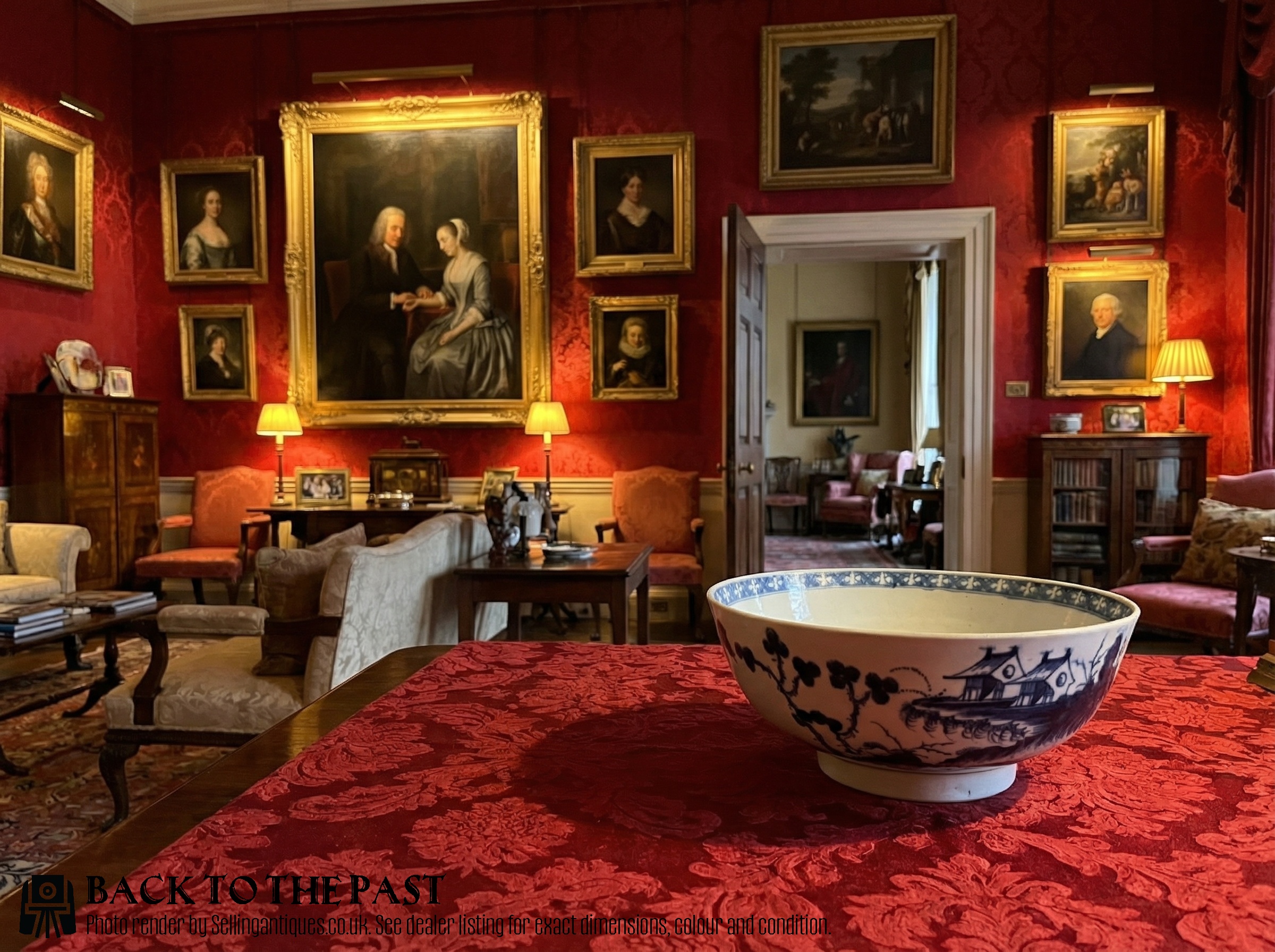
Blue White Serving Bowl
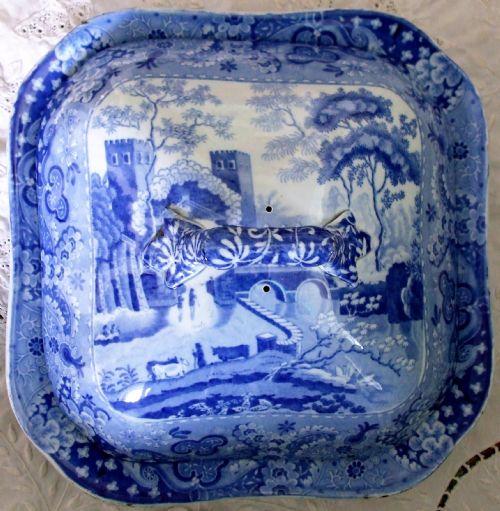
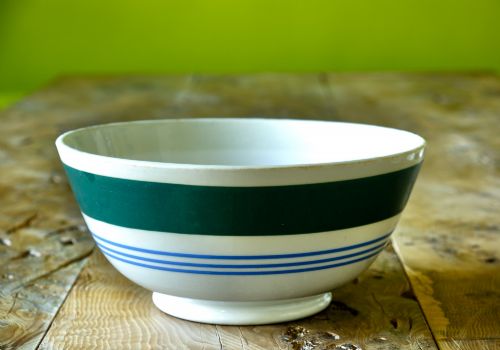
When searching for a blue white serving bowl, buyers encounter a wide array of forms spanning centuries of domestic and display use. The selection includes large punch bowls, lidded tureens with ladles, deep mixing bowls and broad chargers originating from English, European and Asian workshops.
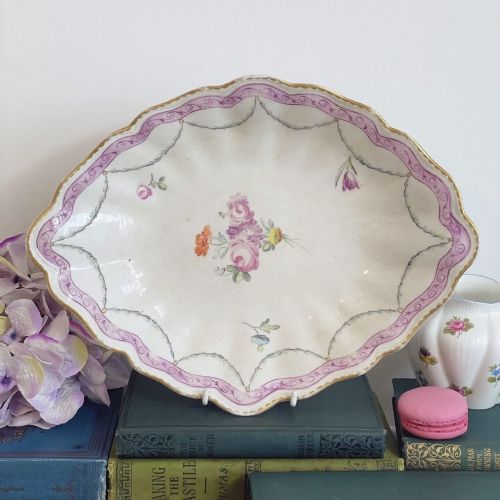
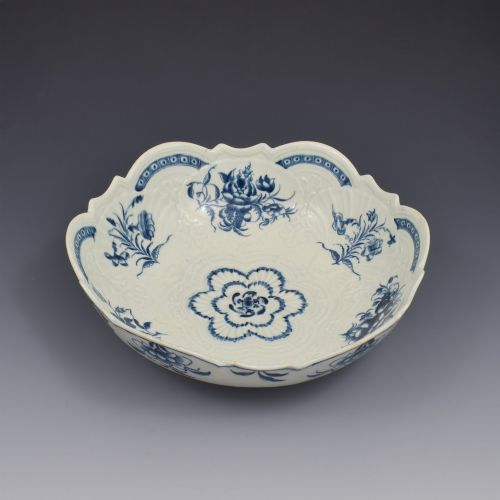
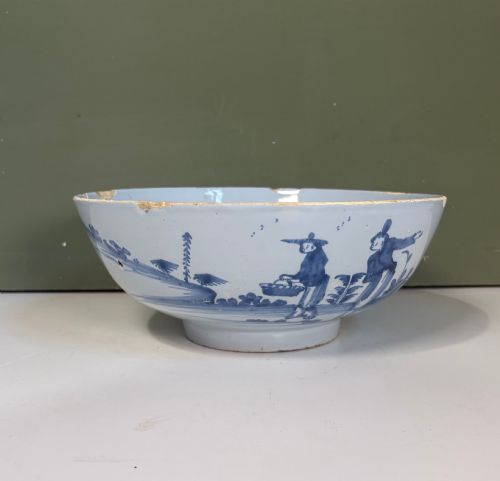
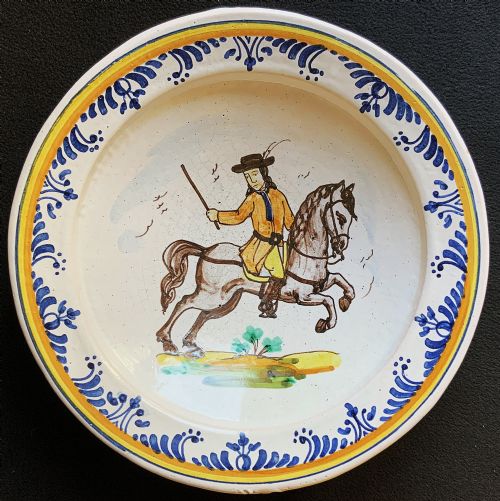
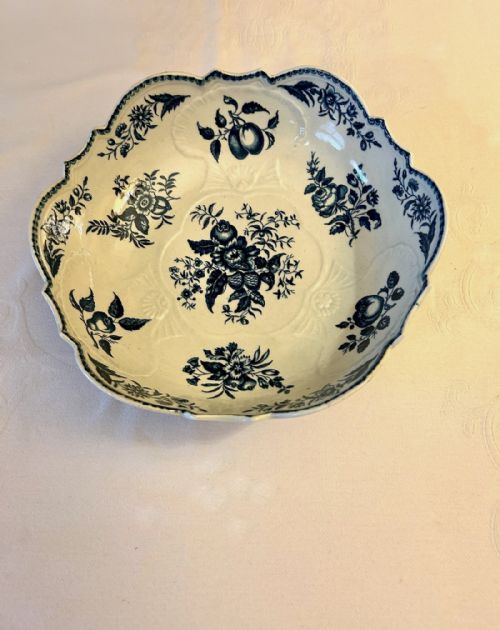
The pieces appearing on this page stretch from sixteenth-century examples to twentieth-century productions, showing how potters continually returned to cobalt decoration. English transfer-printed earthenware from the Georgian and Victorian eras sits alongside eighteenth-century porcelain junket dishes and earlier Dutch or Spanish tin-glazed vessels.
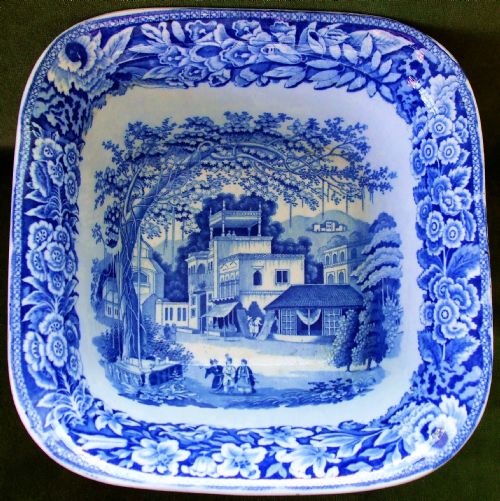
Buyers are most likely to meet nineteenth-century transfer-printed pottery alongside eighteenth-century porcelain and earthenware pieces. These functional vessels served various roles at the table, from vegetable tureens and supper sets to large decorative bowls intended for communal dining.
Materials and methods
Potters relied on earthenware, porcelain and faience bodies, shaping them into deep bowls, tureens and chargers before applying surface decoration. Cobalt glaze provided the signature blue pigment, often fixed under a transparent glaze during high-temperature firing.
Transfer printing dominated nineteenth-century English production, allowing intricate scenes like eastern street views, castle patterns and rural scenery to cover the ceramic surface uniformly. Earlier pieces often relied on handpainted brushwork, seen on porcelain floral designs and tin-glazed earthenware chargers.
Peacocks strut across Georgian supper sets while elephants march around nineteenth-century tureens, proving historic potters enjoyed a touch of exotic wildlife.
Distinctions in quality
The clarity and crispness of the cobalt decoration separate standard utility wares from finer collector pieces. Handpainted brushwork shows the direct hand of the decorator, whereas transfer printing varies according to the precision of the engraved copper plate and the evenness of the ink application.
The refinement of the ceramic body itself defines much of the distinction, moving from heavier earthenware pottery to translucent porcelain bodies. Finer pieces maintain balanced potting proportions, well-defined foot rims and covers that fit their respective tureens securely.
J. & R. Riley·J. & R. Clews·T G Green·James Wallace & Co.·John Rogers and Son·Copeland and Garrett·Doulton Burslem
The Blue White Serving Bowl Glossary
- Cobalt glaze
- A deep blue metallic oxide pigment applied to ceramics before firing to achieve durable blue and white decoration. This mineral withstands high temperatures without losing its intense hue.
- Transfer printing
- A mechanical decoration technique where an engraved copper plate transfers a printed design onto tissue paper and then onto the ceramic body. It allowed complex pictorial scenes to be replicated consistently.
- Tin glaze
- An opaque white glaze containing tin oxide, used extensively on earthenware to provide a smooth white ground for painted or applied pigments. It characterises traditional delftware and faience.
- Junket dish
- A shallow, often moulded bowl traditionally used for serving sweet curd desserts or dairy dishes at the table. These pieces frequently feature decorative rims or fluted sides.
- Tureen
- A deep covered serving vessel designed for holding soups, vegetables or sauces at the dining table. Many examples include matching stands, ladles or side handles.
Blue White Serving Bowl: Frequently Asked Questions
How were these bowls used historically?
These vessels held food and liquids at formal and domestic dining tables, serving as communal punch bowls, vegetable tureens or everyday mixing vessels. Lidded versions kept hot dishes warm during extended meals.
Larger chargers and decorative bowls also served for display or for presenting cold meats, fruits and dairy preparations like junket.
Can I use an antique bowl for serving food?
Many ceramic and porcelain bowls remain structurally sound for modern table use, provided they receive careful hand washing rather than dishwasher cycles. Earthenware bodies with older glazes may absorb liquids over time.
Fragile porcelain or pieces with delicate enamel work are generally better suited for display rather than heavy daily dining service.
How do I distinguish transfer printing from handpainting?
Transfer-printed patterns show a fine stippled or dot matrix under magnification, created by the engraved copper plate used to transfer the ink. The lines remain uniform across the entire design.
Handpainted pieces display subtle brush strokes, pooling of the cobalt pigment in thicker areas and slight variations in line thickness that reveal the decorator's hand.
What is the difference between delftware and porcelain?
Delftware uses a porous earthenware body covered in an opaque white tin glaze, resulting in a heavier structure with a softer fabric. It originated as a European response to imported Asian wares.
Porcelain utilises dense, vitrified clay fired at much higher temperatures, producing a hard, non-porous material that is often translucent when held to the light.