








Blue White Ginger Jar
These blue white ginger jars, spanning centuries of global trade, offer both decorative presence and classic maritime utility.
Blue White Ginger Jar
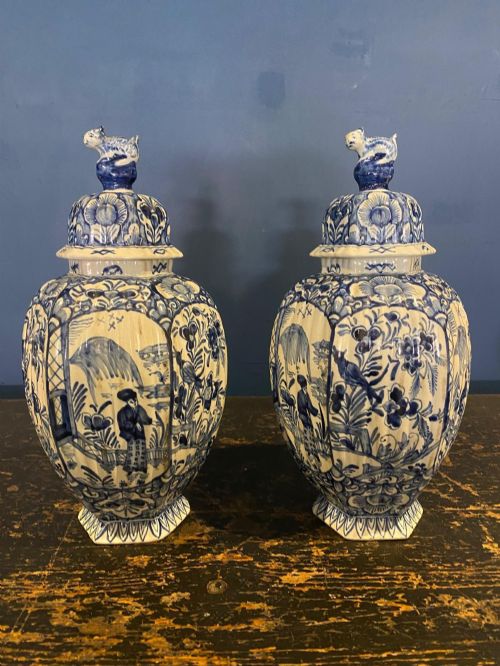
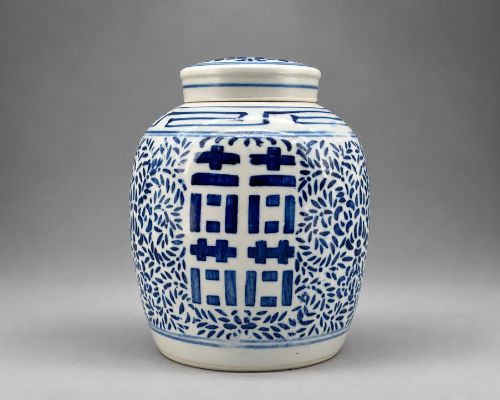
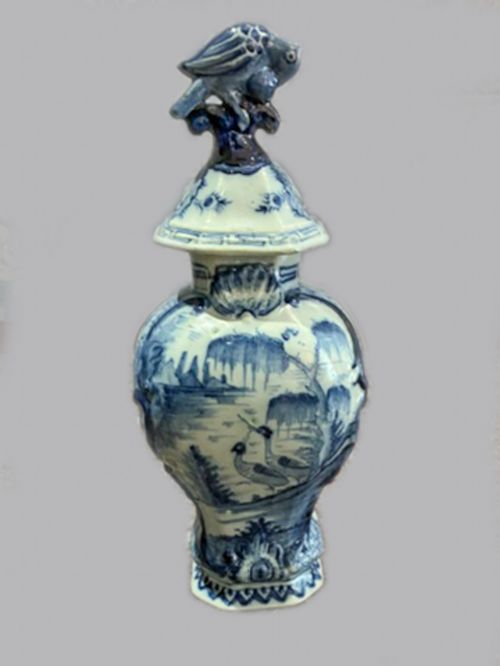
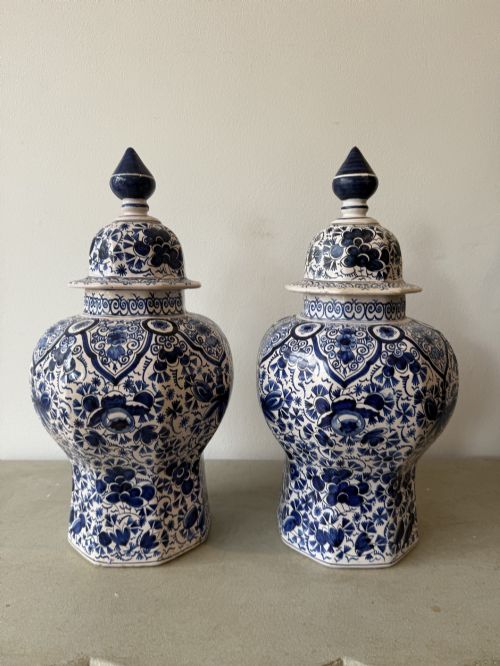
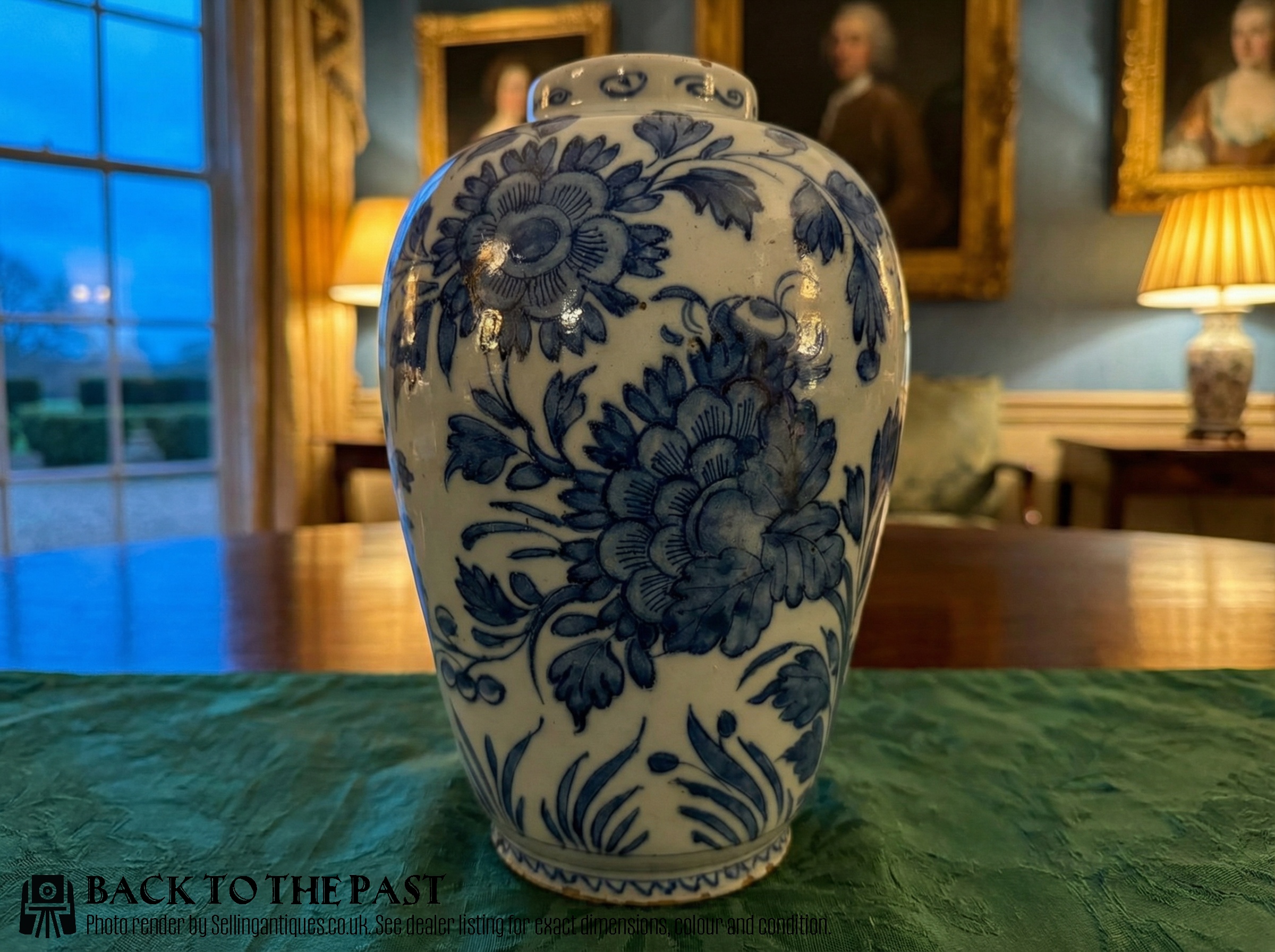
When you search for a blue white ginger jar, you meet containers originally made for storing spices or tea, which evolved into ornamental vessels for the home. Most pieces on this page originate from Chinese dynasties, Japanese kilns, and European delftware workshops, spanning the seventeenth century through to the Edwardian era.
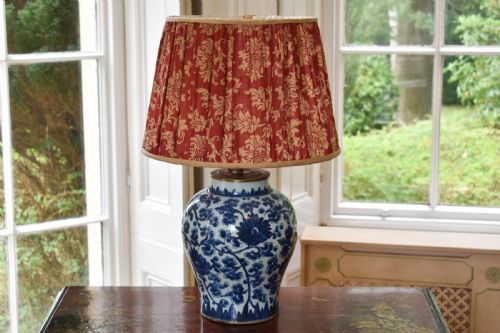
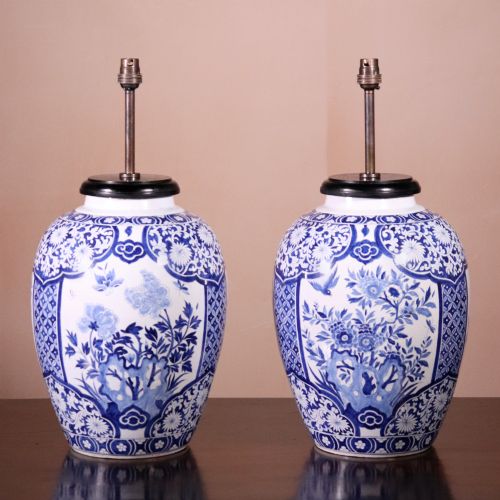
The forms range from stout baluster bodies to tall ovid shapes and lidded jars, some later converted into table lamps. These vessels anchor a room through strong cobalt pigment applied beneath transparent glazes, often depicting botanical motifs, landscapes, or mythological scenes.
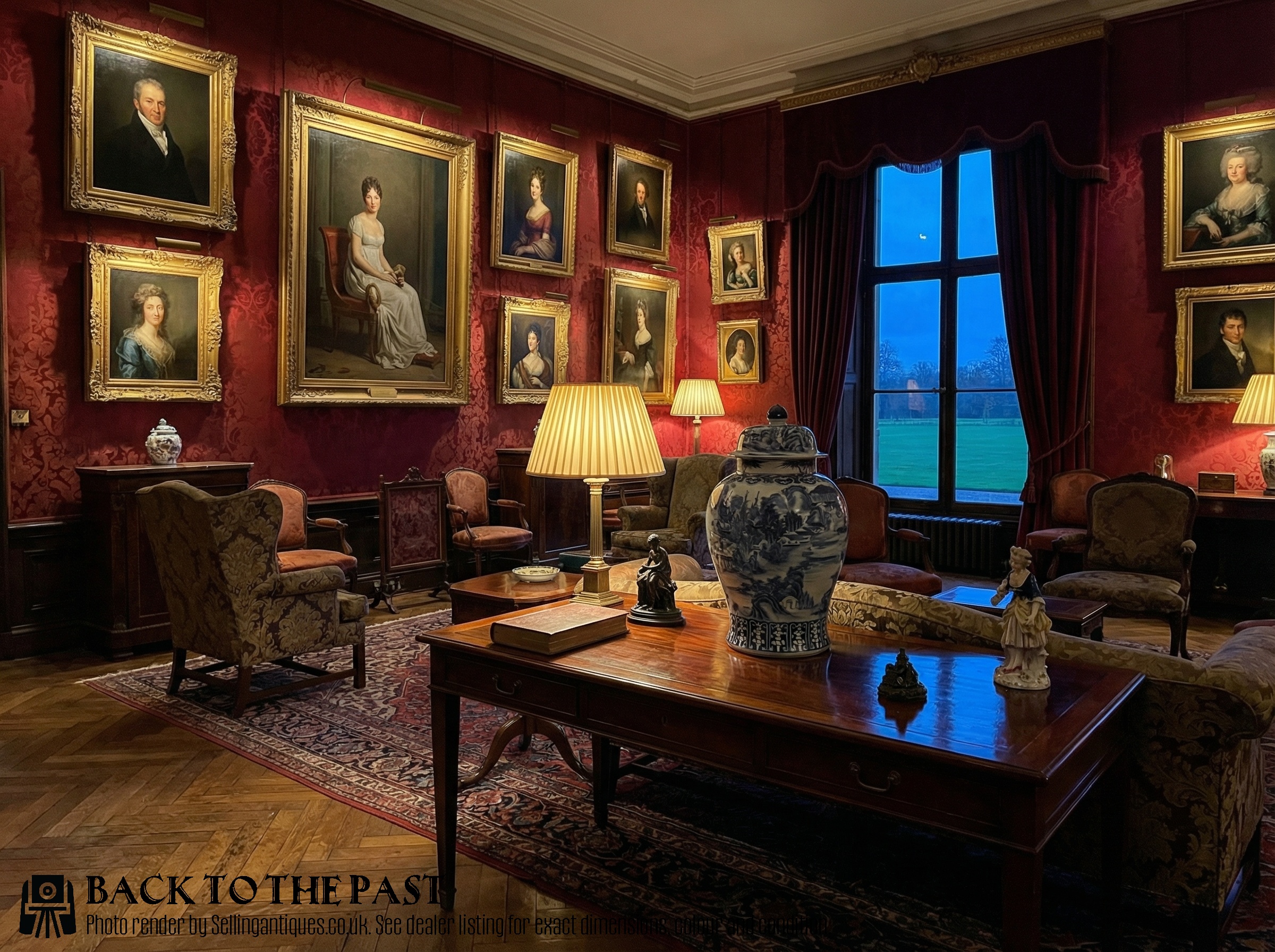
How they were made
Potters shaped porcelain and earthenware on the wheel, applying cobalt oxide pigment directly onto the dry clay body before coating the piece in clear glaze. Firing at high temperatures fused the cobalt into the glaze, producing deep blue tones against a white ground.
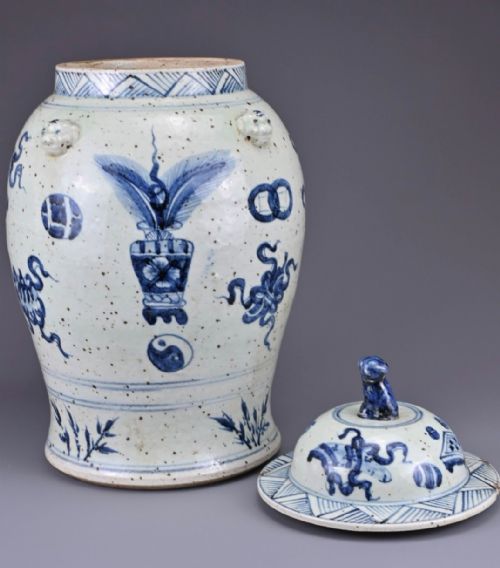
Makers occasionally combined cobalt underglazes with iron red and green enamels, or applied crackle glazes to create intentional crazing across the surface. Lids were thrown separately to match the collar of each jar, ensuring a flush fit when closed.
Blue White Ginger Jar Retail Price Guide 2026
Typical asking prices for blue white ginger jar among the pieces listed under this phrase on Sellingantiques today, from the lower quarter to the upper quarter. They describe what is for sale here now, not the wider market.
Listings feature porcelain, tin-glazed earthenware, and brass across periods ranging from the seventeenth century through the Edwardian era.
What varies in quality
Quality rests on the crispness of the cobalt painting, the purity of the white ground, and the symmetry of the thrown clay body. Finer examples display fluid brushwork with distinct shading, whereas lesser pieces show muddied pigments or coarse potting.
The integrity of the lid and the stability of the glaze further distinguish standard production from exceptional studio or factory output. Conversion to a lamp base alters the original state, which collectors weigh against the retention of matching covers.
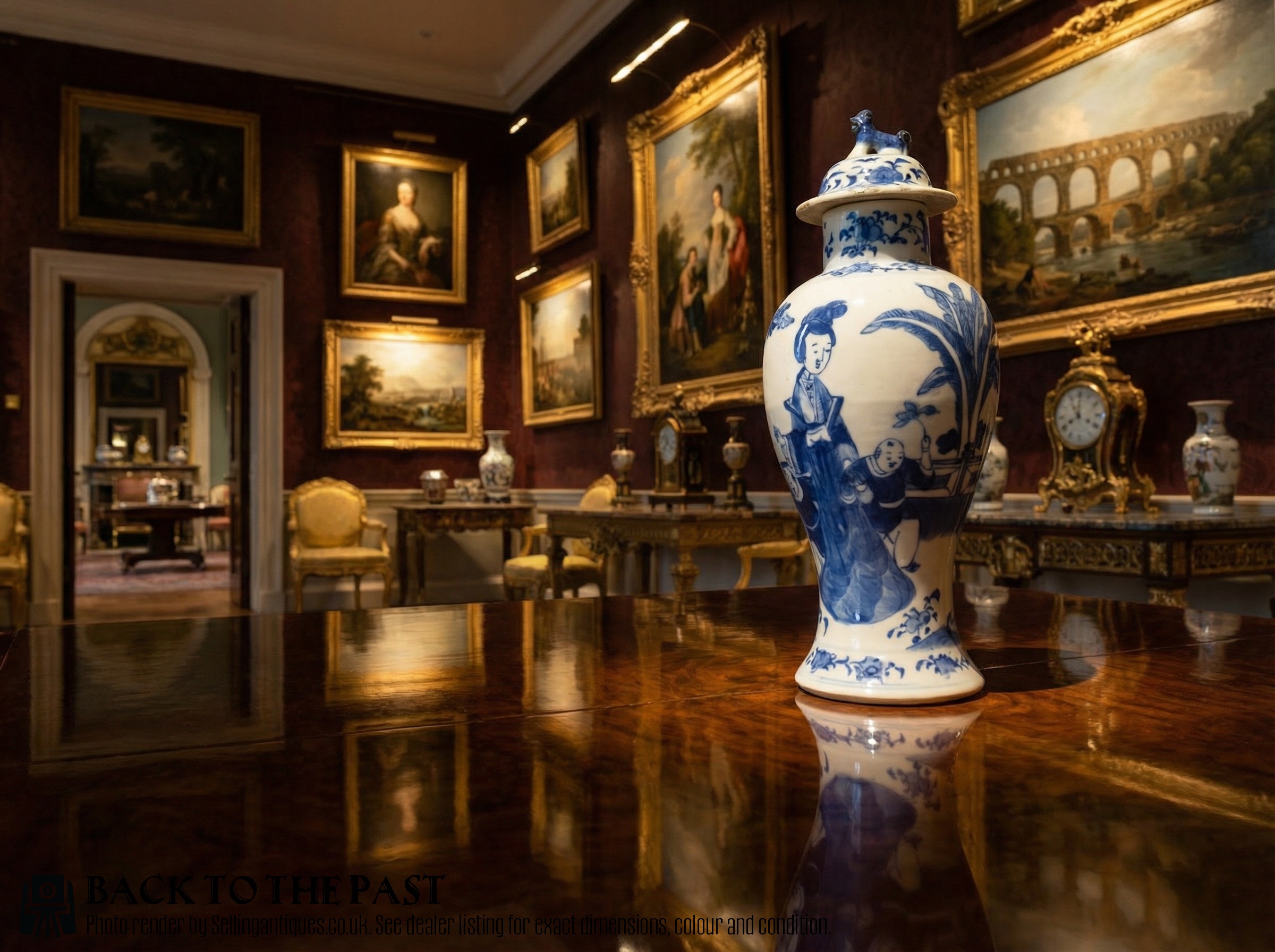
Fukagawa·Samson of Paris
The Blue White Ginger Jar Glossary
- Baluster
- A tall vessel form with a rounded lower body tapering to a narrow neck, resembling an architectural baluster. This shape provides stability for storage and display.
- Cobalt Glaze
- A metallic blue pigment applied to ceramic bodies before firing, capable of withstanding intense kiln heat. It remains the defining colourant for traditional blue and white porcelain.
- Delftware
- Tin-glazed earthenware produced in the Netherlands and England, imitating Chinese porcelain imports. The technique uses an opaque white lead glaze painted with metal oxides.
- Imari
- Japanese porcelain decorated in underglaze blue, iron red, and gold, named after the port of export. This style gained immense popularity across Europe during the seventeenth and eighteenth centuries.
- Crackleglaze
- A decorative network of fine cracks intentionally produced in the ceramic glaze during cooling. The effect adds texture and mimics ancient pottery styles.
Blue White Ginger Jar: Frequently Asked Questions
What were blue white ginger jars used for?
These vessels originally served to transport and store spices, ginger, and preserves along international trade routes. Their airtight lids protected perishable contents from moisture during long sea voyages.
Over time, households repurposed them as interior ornaments, placing them on mantelpieces and side tables to display refined taste and global connectivity.
How do I identify an 18th century jar?
Eighteenth-century examples typically exhibit hand-painted cobalt decoration with subtle variations in tone, applied over dense porcelain or tin-glazed earthenware bodies. The potting often reveals minor asymmetries and potting marks characteristic of manual throwing.
Examinations of the base footring and glaze pooling help differentiate these earlier periods from later nineteenth-century revival pieces and twentieth-century reproductions.
Can I use ginger jars as lamps?
Many ginger jars on the market have been converted into table lamps, often retaining their original ceramic bodies while accommodating electrical fittings. This practice gained popularity as collectors sought functional ways to integrate antique porcelain into modern interiors.
When purchasing a lamp conversion, check whether the fitting required drilling through the base, as untouched bodies command greater interest among purist collectors.
What is the difference between Chinese and Japanese pieces?
Chinese porcelain ginger jars frequently feature underglaze cobalt painting depicting scholarly scenes, prunus blossoms, or dragons within balanced compositions. The clay body tends to be exceptionally refined and resonant.
Japanese pieces, such as those from Arita or the Meiji period, often incorporate Imari palettes featuring iron red and gilt highlights, or distinctive crackle glazes that set them apart from standard Chinese exports.