




Blue Wall Period Painting
These pieces brought together under blue wall period painting span centuries of portraiture and porcelain, offering collectors a rich study in cobalt and character.
Blue Wall Period Painting
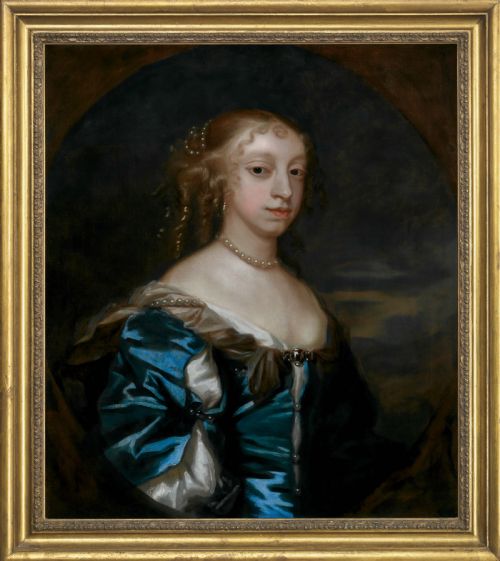
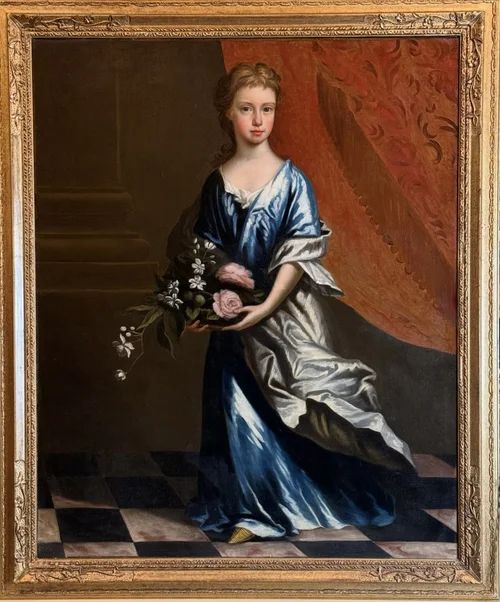
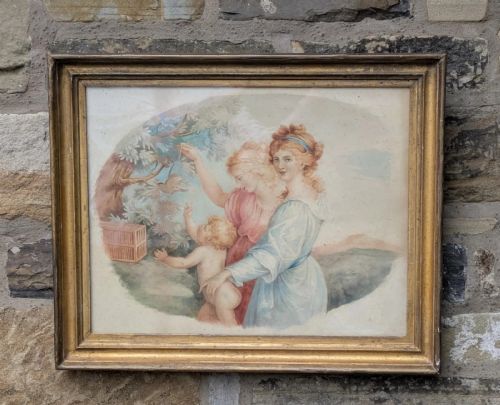
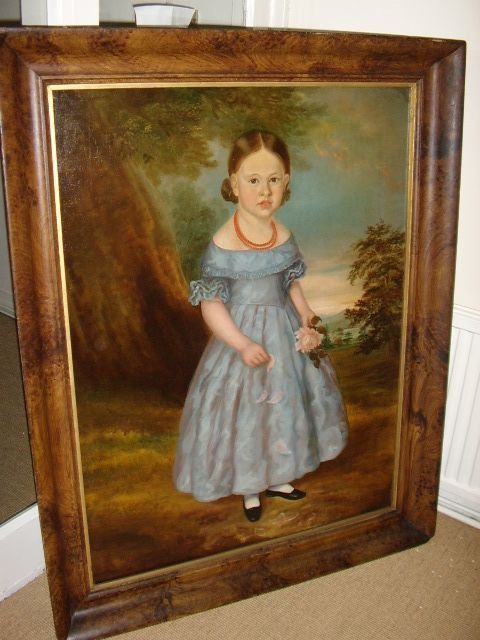
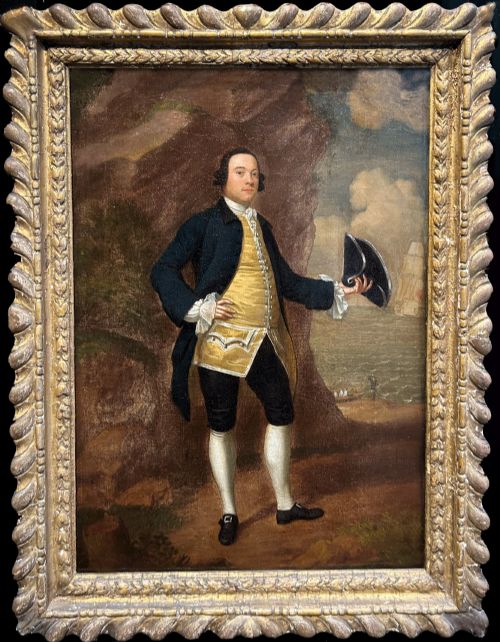
When searching for a blue wall period painting, a buyer encounters a diverse group of works that unite early portraiture with 18th-century porcelain and Japanese Imari wares. The oil paintings range from 17th-century aristocratic portraits on canvas to Georgian depictions of nobility and youth. These canvases often feature deep blue drapery or garments set against muted architectural and garden backgrounds.
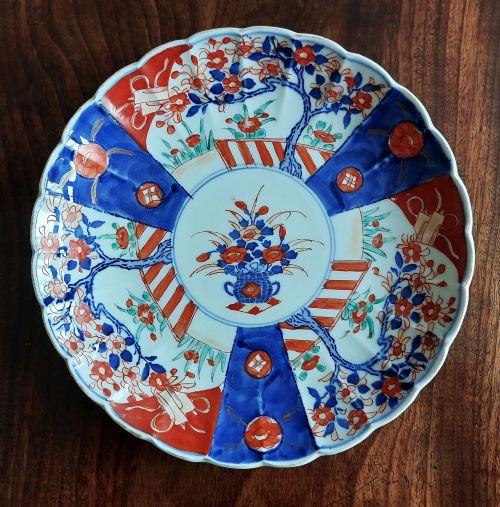
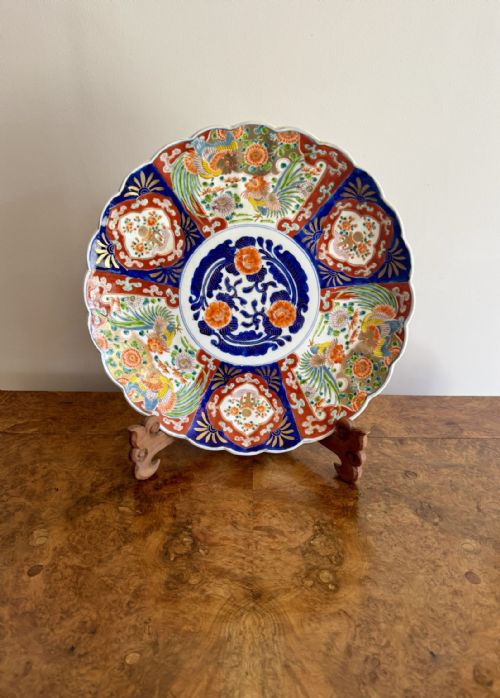
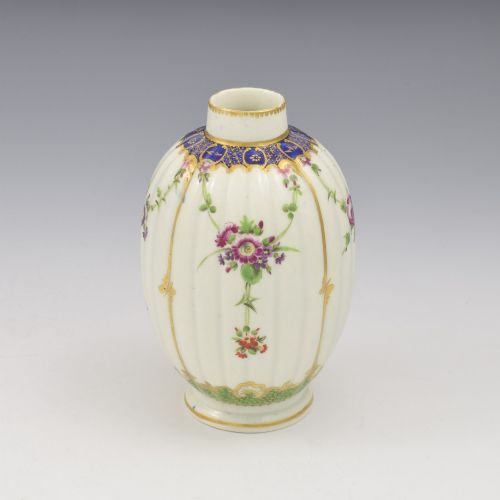
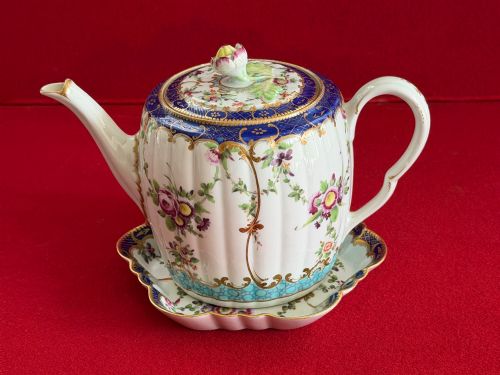
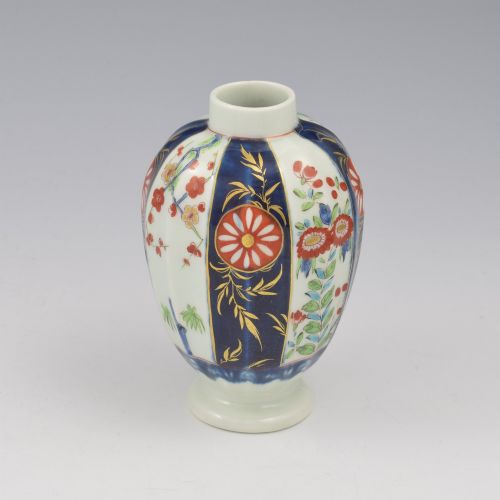
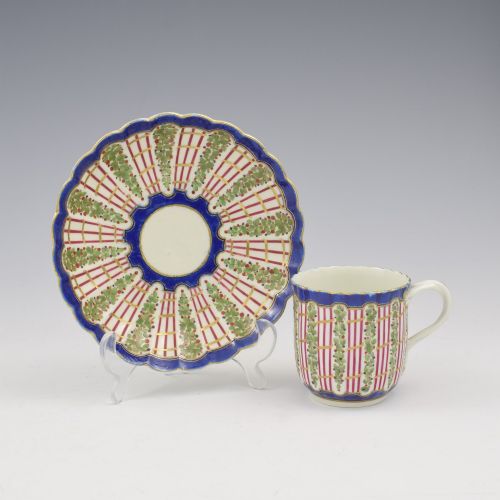
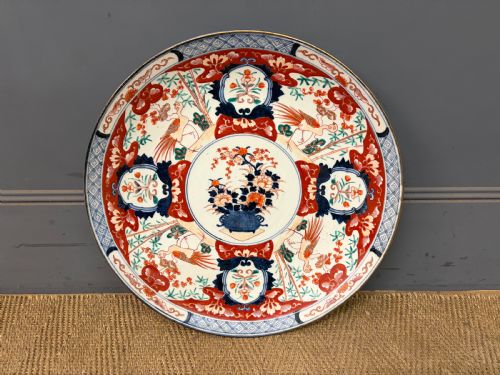
Alongside the oil paintings, the selection spans First Period Worcester porcelain and Japanese export chargers from the Meiji period. Pieces such as tea canisters, coffee cups, and large scalloped dishes display intricate cobalt underglazes and polychrome enamels. This combination of fine art portraiture and decorated porcelain creates a distinct visual category defined by historical blue tones.
How they were made
The oil paintings rely on traditional techniques of oil on canvas, utilising layered pigments to build the depth of dark blue dresses and court attire. Canvases from the 17th and 18th centuries demonstrate meticulous brushwork applied to primed cloth, often preserved within period frames.
The porcelain pieces incorporate soft-paste porcelain and hard-paste bodies decorated with cobalt blue underglaze, enamel, and occasional gilding. Potters shaped these items into barrel teapots, junket dishes, and large chargers, firing them at high temperatures to set the vibrant blue pigments and intricate patterns.
Several noblewomen gaze outward in heavy blue dresses, apparently unbothered by centuries of shifting interior design trends.
What varies in quality
In the oil paintings, quality rests on the precision of facial rendering, the handling of textile folds in blue garments, and the attribution to established portraitists. Works attributed to notable hands show superior anatomical understanding and preservation of the original canvas texture.
For the porcelain and Imari wares, standard depends on the crispness of the cobalt transfer or hand-painting, the clarity of the glaze, and the intricacy of motifs like butterfly and scale or floral patterns. Early Worcester and finely potted Meiji chargers exhibit finer detailing and more uniform glazing than standard production pieces.
John Hayls·Francis Hayman·Allan Ramsay·John Riley·John Closterman·Darte Brothers
The Blue Wall Period Painting Glossary
- First Period Worcester
- An early phase of Worcester porcelain production lasting from the mid to late 18th century, known for delicate soft-paste bodies and fine blue and white painting. Collectors prize these items for their crisp forms and historical significance.
- Imari
- A style of Japanese porcelain exported from the port of Arita, traditionally decorated in underglaze blue, iron red, and gold. These pieces display dense decorative schemes featuring floral and avian motifs.
- Oil on Canvas
- A traditional painting medium where pigments suspended in drying oils are applied to stretched fabric. This technique allows for rich colour blending and durability over centuries.
- Soft-paste Porcelain
- A ceramic composition made from clay and glass frit, fired at lower temperatures than hard-paste porcelain. It possesses a warm, slightly creamy body favoured by 18th-century English manufacturers.
- Charger
- A large decorative plate or dish intended for display rather than dining service. These substantial ceramic pieces often showcase elaborate painted scenes across a broad surface.
Blue Wall Period Painting: Frequently Asked Questions
How do I date a 17th-century oil portrait?
Dating relies on the style of costume, particularly the cut of the sleeves, the shape of the lace collars, and the hairstyle of the sitter. Comparing the brushwork and canvas preparation to documented works by contemporary portraitists also helps establish the decade.
Frame construction and historical inscriptions on the reverse of the canvas provide additional clues, though frames are frequently later replacements for the original artwork.
What defines First Period Worcester porcelain?
This porcelain is characterised by its soft-paste body, which often displays a greenish tint when viewed through light. The decoration frequently employs cobalt blue underglaze, transfer printing, or hand-painted Chinese figures and floral patterns.
Pieces from this era may carry crescent marks, square seal marks, or workman signs on the base rather than printed factory stamps of the later Victorian period.
How should I display Imari chargers?
Imari chargers are traditionally displayed on sturdy wall hangers designed for heavy ceramics or supported securely on deep plate stands within a cabinet. Because of their weight and size, particularly Meiji period chargers, ensure the mounting hardware securely bears the load.
Keep porcelain away from direct sunlight to prevent any degradation of the enamel colours and gold leaf over long periods.
Are 18th-century portraits painted from life?
Many portraits from the 18th century were commissioned from life by aristocratic patrons, though studio assistants often painted the background drapery and clothing. Prominent artists concentrated primarily on the sitter's face and hands during initial sittings.
Posthumous portraits also existed, painted from earlier miniatures or sketches to commemorate family lineage and estate history.