



Paper Watercolour Interior Art
Paper watercolour interior art captures domestic rooms and historical chambers through pigment on paper, bringing intimate architectural narrative into your home.
Paper Watercolour Interior Art
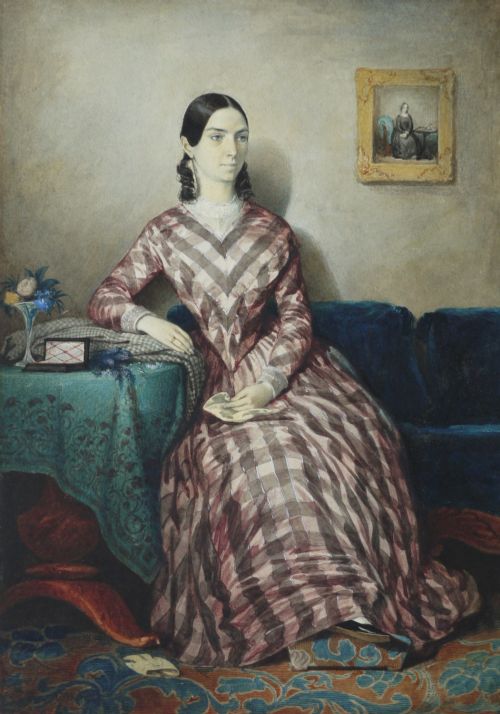
Paper watercolour interior art comprises works executed predominantly on paper support using watercolour, often accompanied by ink, graphite, or gouache. These pieces focus on enclosed spaces, ranging from rustic blacksmiths' shops and Scottish inns to grand drawing rooms and long galleries decorated with armour.
The selections span the nineteenth century through the early decades of the twentieth century, encompassing Victorian and Edwardian periods as well as later iterations from the nineteen-thirties. You encounter both named British and European painters alongside accomplished works by the English School.
Subjects frequently centre upon human figures engaged in daily routines, quiet reading, music, or professional tasks within detailed architectural backdrops. The framing typically incorporates glass and wood frames to protect the delicate media on paper.
How paper watercolour interior art was made
The foundational medium relies on watercolour pigments applied to paper sheets, sometimes supplemented with graphite outlines or ink detailing to define interior architecture and furniture. Artists utilised transparent washes to build light and shadow across domestic surfaces and figures.
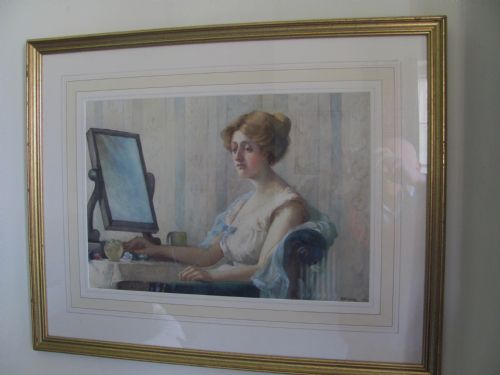
Presentation historically demanded physical protection, leading to mounting behind glass within timber frames to preserve the fragile paper ground from atmospheric degradation. Wood frames provide the structural border for these wall art pieces.
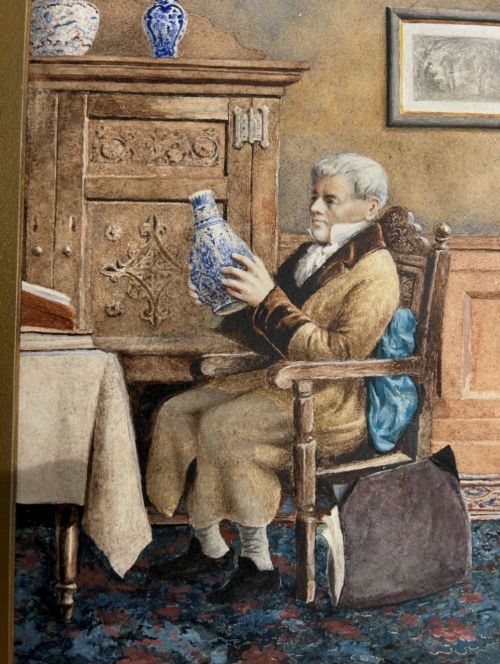
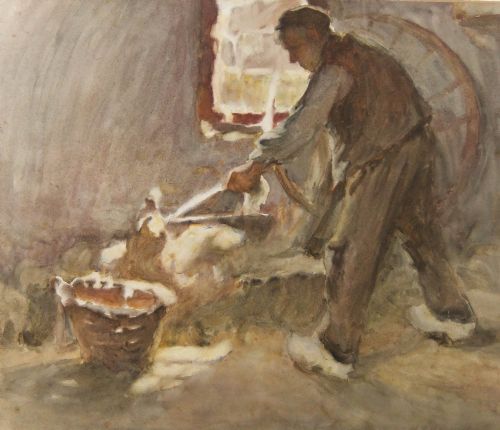
A blacksmith's anvil and a gentleman examining a blue vase share the same room of paper.
What varies in quality in paper watercolour interior art
Quality differentiates itself through the precision of architectural perspective and the handling of human anatomy within confined spaces. Superior examples demonstrate a confident command of light passing through windows or illuminating specific interior zones, whereas lesser works struggle with spatial depth.
The complexity of the narrative scene also distinguishes the tier of execution, with multi-figure domestic compositions or detailed renderings of historic interiors requiring greater technical mastery than simpler single-figure portraits.
Henry Stacy Marks·Henry Silkstone Hopwood·James Hayllar·George Kilburne·Leonardo Morello·John R Houston·Margaret Thompson·George Cattermole·K B Curtis
The Paper Watercolour Interior Art Glossary
- Watercolour
- A paint consisting of a pigment suspended in a water-soluble vehicle, applied to paper. It allows for luminous washes and delicate layering.
- Graphite
- A form of carbon used as a drawing material, frequently visible beneath watercolour washes in preliminary sketches.
- Genre realism
- Artistic style depicting subjects from everyday life in a realistic manner. In these interiors, it captures people engaged in ordinary domestic or occupational pursuits.
- Chinoiserie revival
- A decorative style reflecting European artistic imitation and adaptation of Chinese artistic traditions. It appears in specific design watercolours for bespoke lacquer cabinets.
Paper Watercolour Interior Art: Frequently Asked Questions
What subjects appear in these watercolours?
The works predominantly display domestic rooms, historic halls, cottage interiors, and workshops populated by figures reading, playing music, or working.
Architectural details such as furniture, paintings, and decorative armour frequently form the backdrop to these human scenes.
How do I hang these works safely?
Because the medium consists of watercolour on paper protected by glass, you should position them away from direct sunlight to prevent pigment fading.
Ensure the room humidity remains stable to protect both the historic paper support and the wood frame.
How are nineteenth and twentieth-century pieces distinguished?
Nineteenth-century examples often lean towards Victorian genre realism, focusing on detailed historical interiors and narrative domestic moments.
Early twentieth-century pieces, including those from the nineteen-tens and nineteen-thirties, show shifts in brushwork and subject atmosphere while retaining the traditional paper support.
What framing is typical for these watercolours?
Most pieces retain traditional wood frames combined with glass to shield the delicate paper and pigment from dust and physical damage.
Some frames reflect the specific period of the artwork, adding context to the overall presentation.