


Blue Tribal Area Rug
A blue tribal area rug brings grounded geometric patterns and rich indigo shades into a room, offering durability and enduring design.
Blue Tribal Area Rug
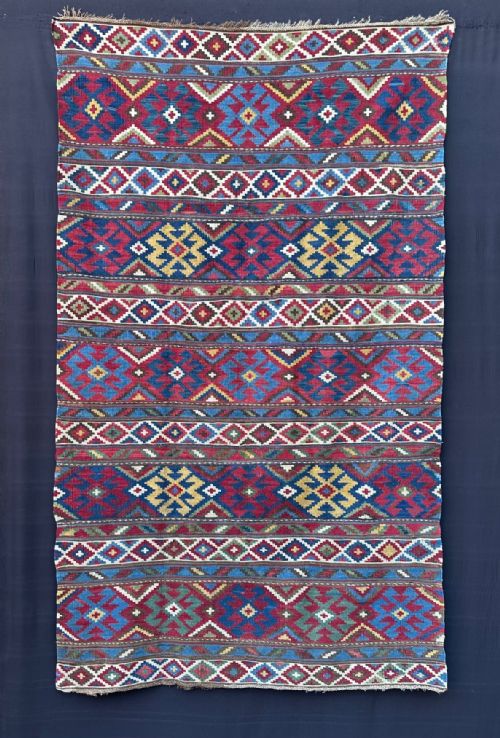
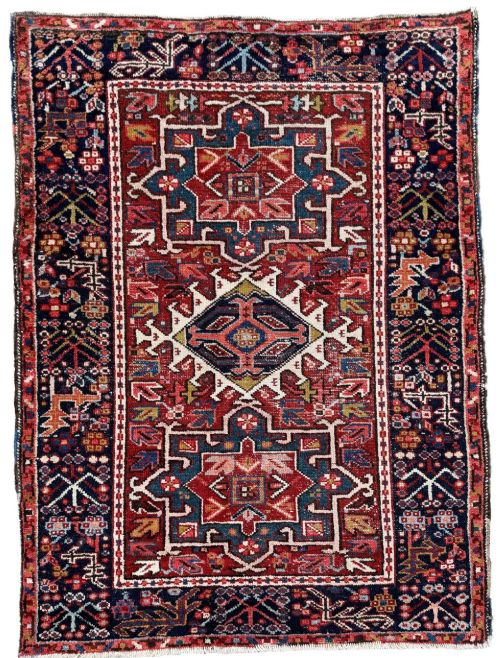
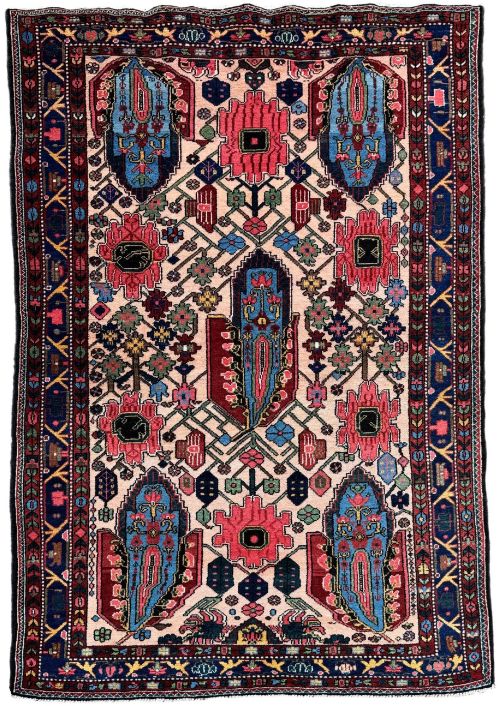
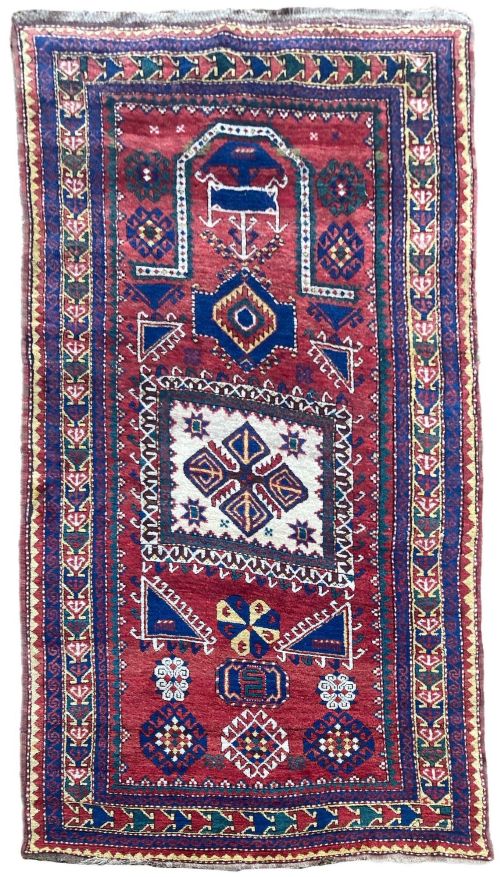
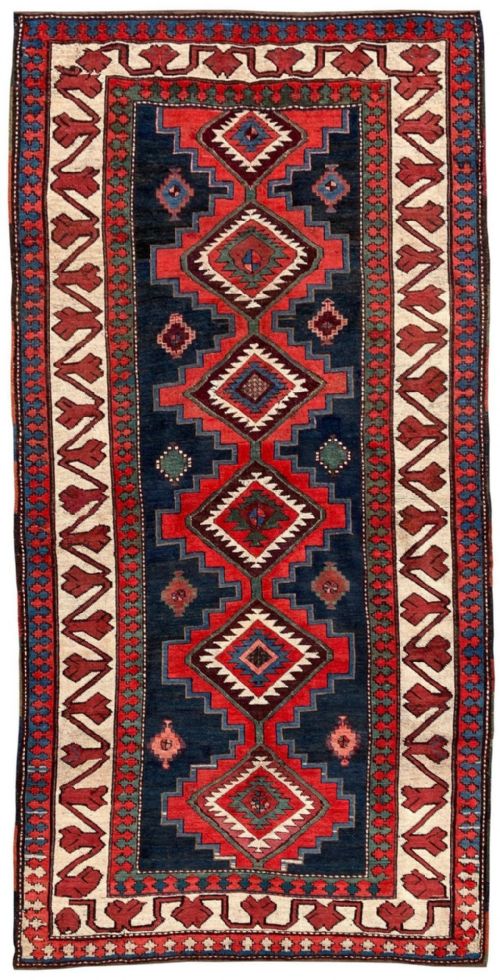
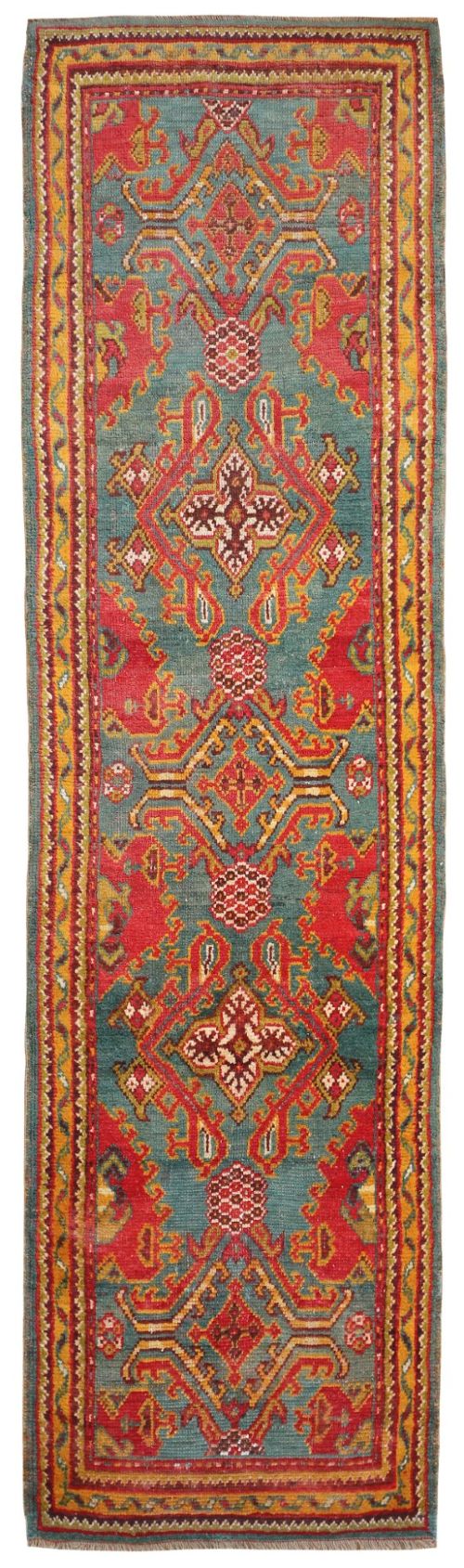
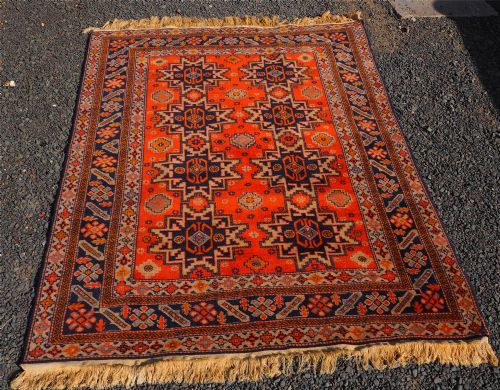
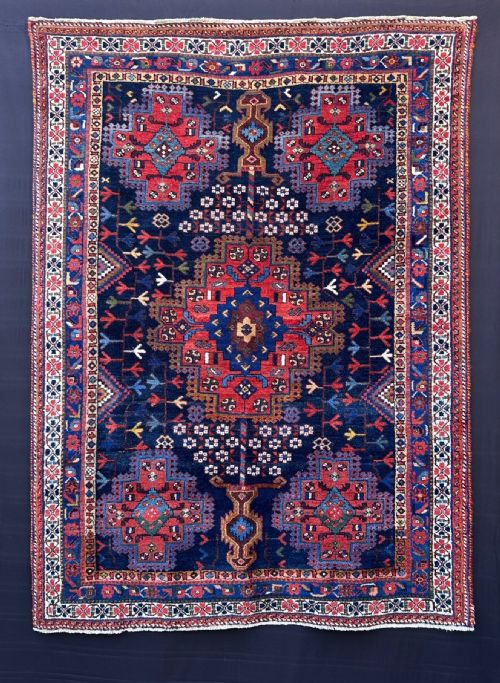
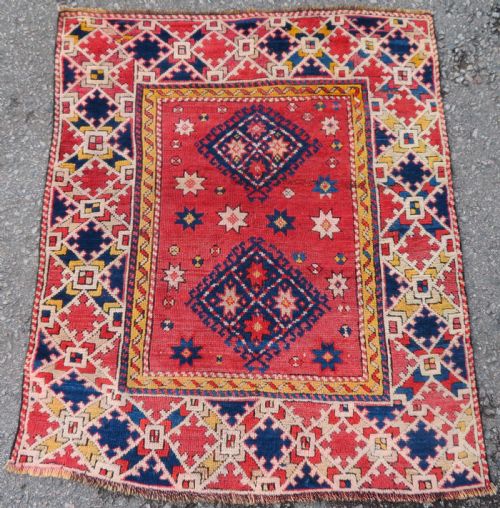
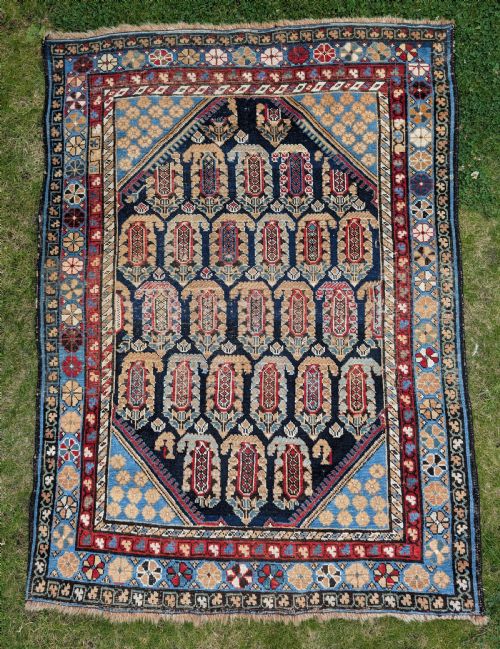
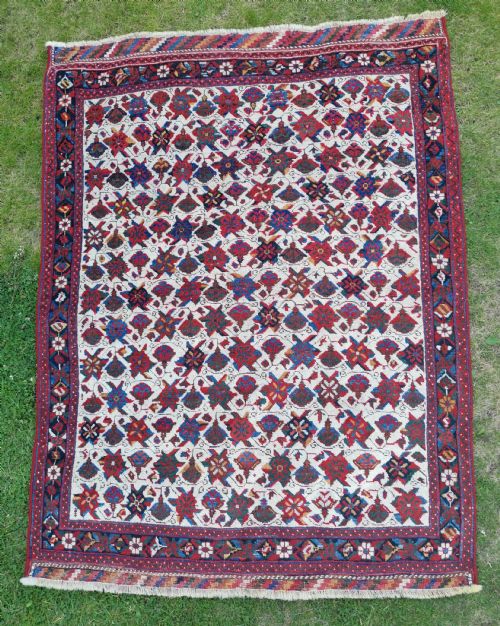
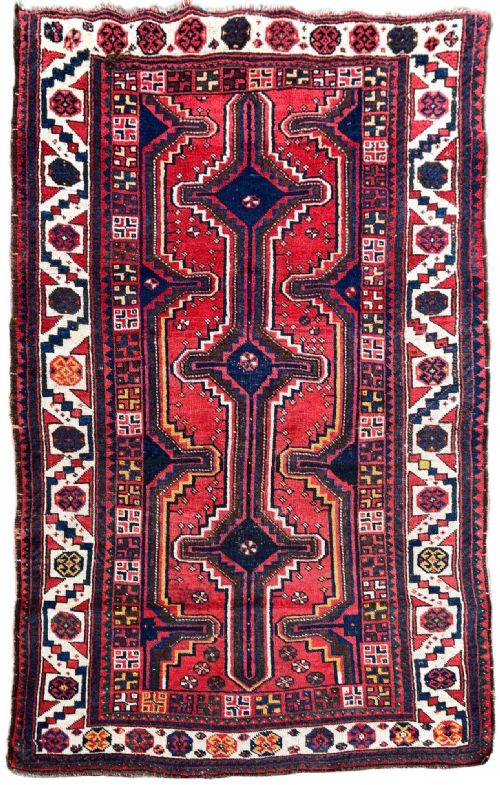
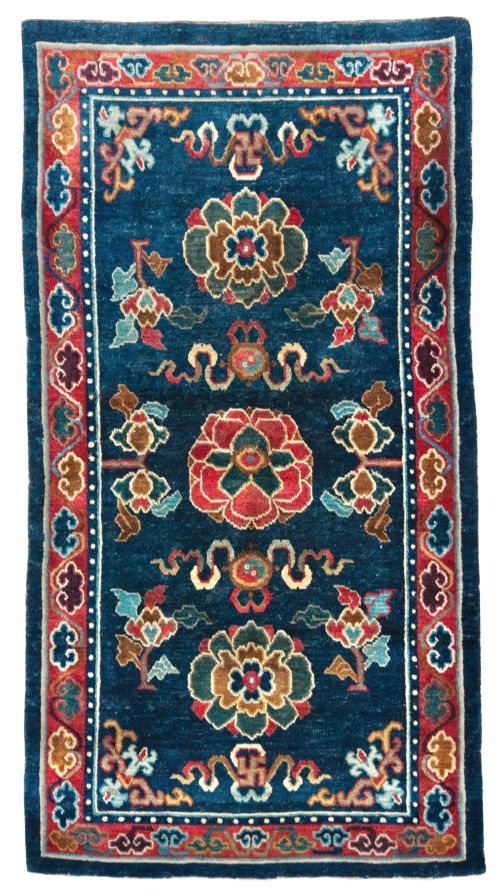
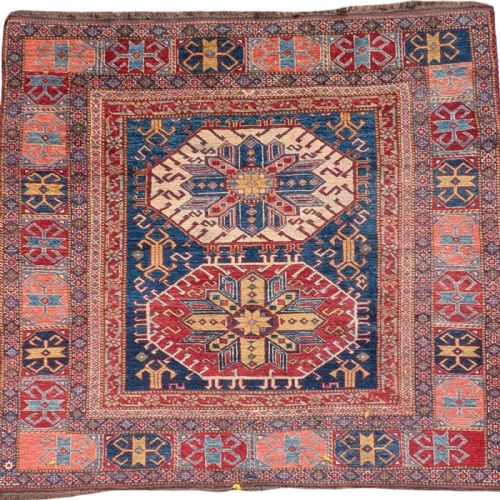
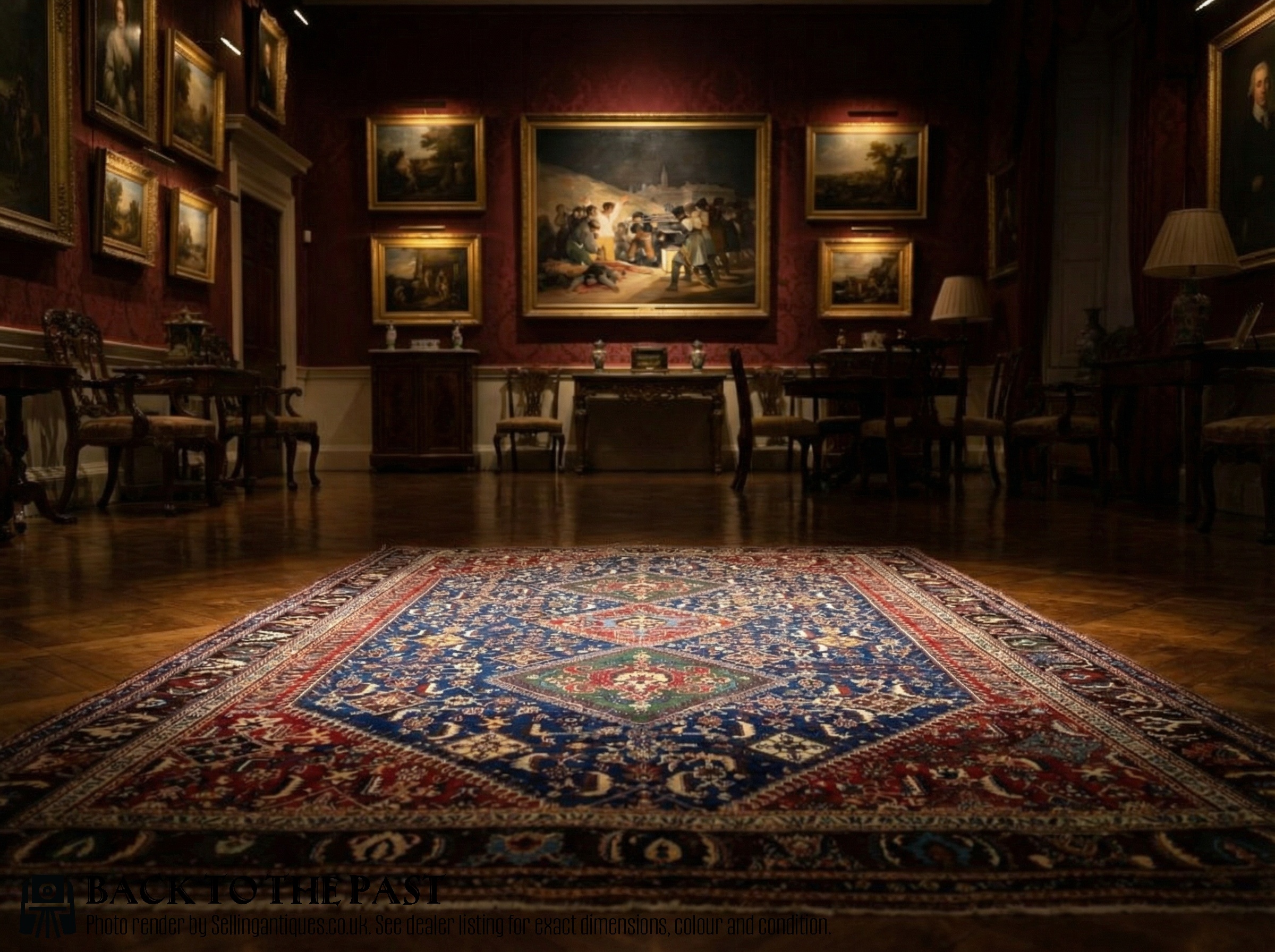
A blue tribal area rug encompasses hand-knotted floor coverings produced by nomadic and village weavers across Persia, the Caucasus, and Anatolia. These pieces typically display geometric medallions, stylised animals, and repeating motifs woven with strong indigo dye grounds.
Most examples found in this selection originate from the late nineteenth century through to the mid-twentieth century. Weavers in regions such as Shiraz, Khamseh, and the Caucasus created these carpets for domestic floor use, resulting in practical sizes suited to everyday living spaces.
How they were made
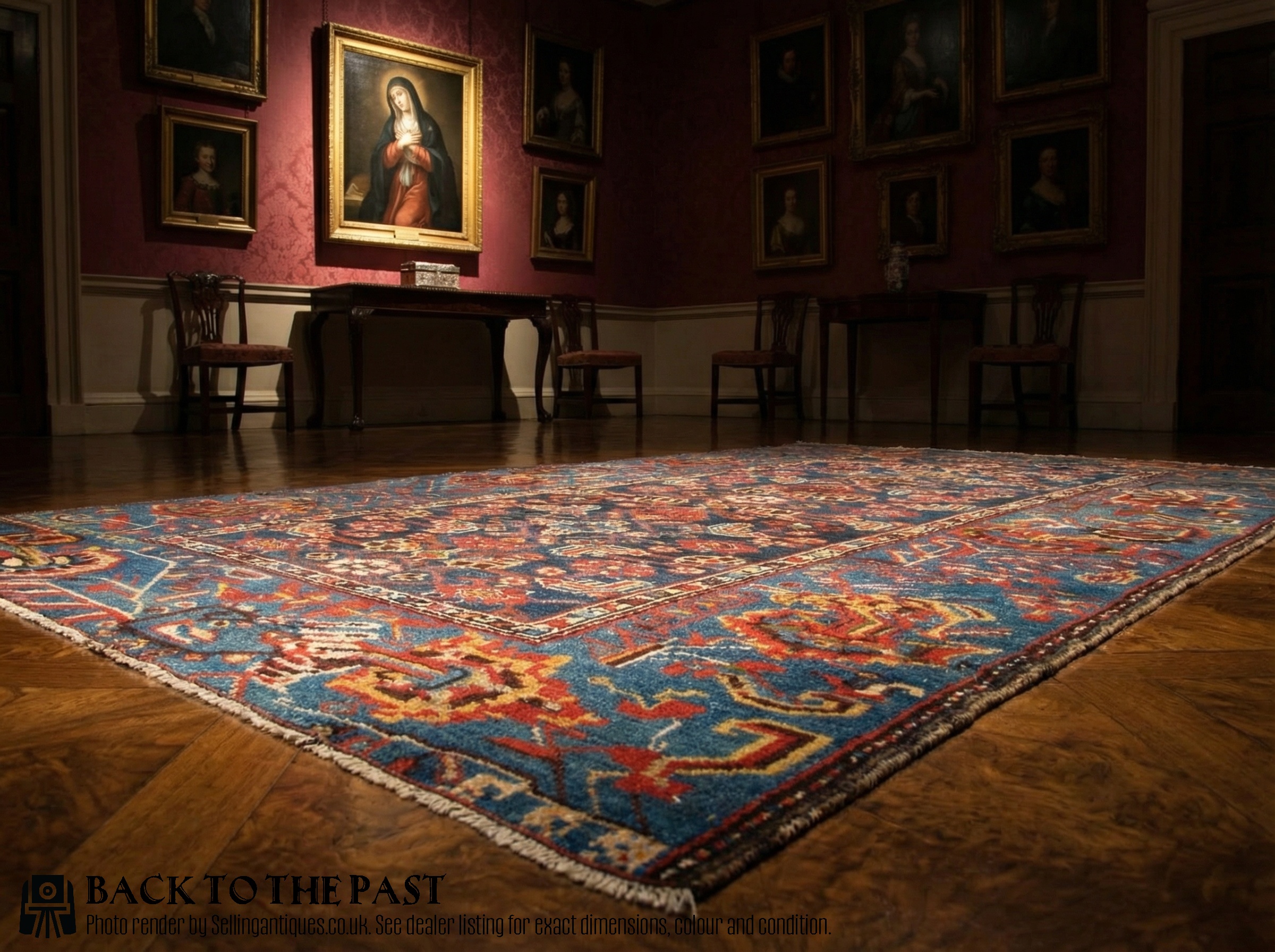
The construction of these floor coverings relies on wool pile knotted onto cotton or wool foundations by hand. Artisans utilised hand-spun wool which absorbed dye unevenly, creating subtle colour variations known as abrash across the surface.
Natural dyes extracted from plants and minerals provided the foundational palette, with indigo plants supplying the deep blues characteristic of these regional weaves. Weavers tied symmetrical or asymmetrical knots to build durable piles designed to withstand generations of daily domestic use.
Blue Tribal Area Rug Retail Price Guide 2026
Typical asking prices for blue tribal area rug among the pieces listed under this phrase on Sellingantiques today, from the lower quarter to the upper quarter. They describe what is for sale here now, not the wider market.
Listings span multiple decades from the 1880s through the 1940s, featuring wool materials and natural dye techniques across various regional styles.
What varies in quality
Knot density and structural tightness dictate the precision of the geometric design and the long-term resilience of the pile. Finer examples display crisper lines within medallions and borders, reflecting greater skill in the weaver's execution.
The complexity of the dye palette and the depth of the indigo tones separate standard village pieces from exceptional tribal specimens. Consistent handling of natural dyes results in vibrant, light-reflecting surfaces that improve visually as the wool ages.
The Blue Tribal Area Rug Glossary
- Abrash
- Variations of colour within a single field of dye caused by batches of yarn dyed at different times or with varying concentrations of natural materials.
- Medallion
- A central ornamental motif placed in the middle of the rug field, commonly found in Persian and Caucasian tribal weaving.
- Pile
- The upright yarn loop surface of the carpet formed by individual knots tied to the warp and weft foundation.
- Warp
- The stationary vertical threads stretched across the loom upon which the pile knots are tied and secured.
- Weft
- The horizontal threads passed back and forth between warp threads to bind the rows of knots in place.
Blue Tribal Area Rug: Frequently Asked Questions
How do I clean an antique rug?
Vacuum gently using suction attachments without rotating brushes to remove surface dust. Avoid harsh chemical cleaners and consult a specialist conservator for deep washing.
Professional wool cleaning preserves the natural lanolin content in the fibres and prevents dye bleeding. Regular rotation ensures even wear across high-traffic areas.
Are these carpets suitable for heavy foot traffic?
The dense wool pile and sturdy cotton or wool foundations provide natural resilience against daily wear. Placing a quality underlay beneath the floor covering prevents slipping and cushions the fibres.
Regular care and even placement allow these robust textiles to endure decades of active use in hallways, living rooms, and dining areas.
How can I identify the regional origin?
Stylistic markers such as specific border arrangements, colour combinations, and knot structures point toward particular weaving districts. Caucasian pieces tend to feature sharper geometric layouts, whereas Persian village rugs often display softer curvilinear influences.
Examining the selvedge finish and the materials used for the foundation threads helps confirm whether a piece originated in the Caucasus, South Persia, or Anatolia.