






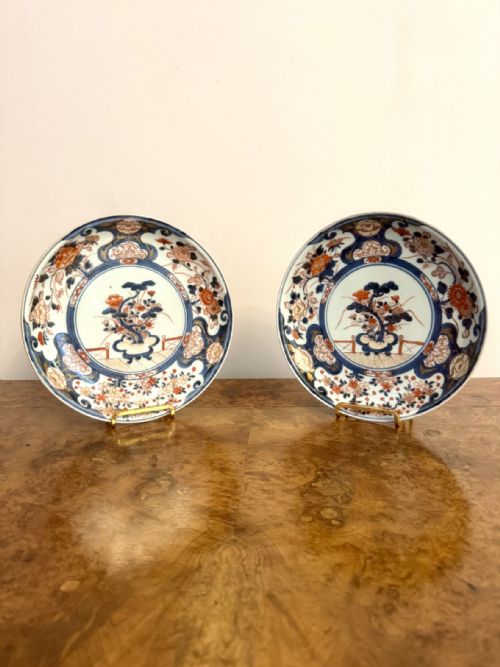
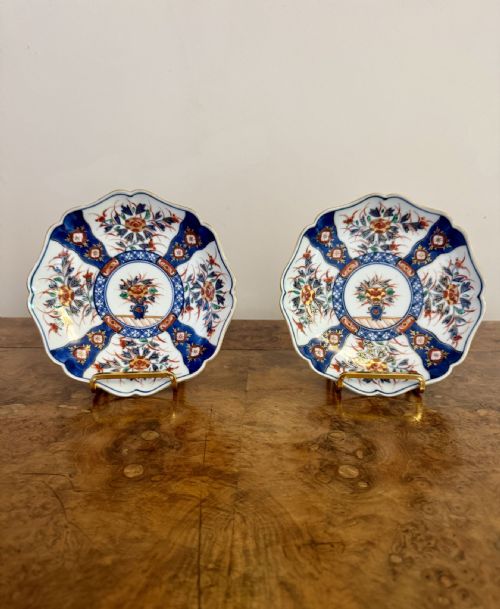
Blue Red Porcelain Wall Plate
A blue red porcelain wall plate brings together contrasting metallic pigments and ceramic traditions, prized for rich colour displays.
Blue Red Porcelain Wall Plate
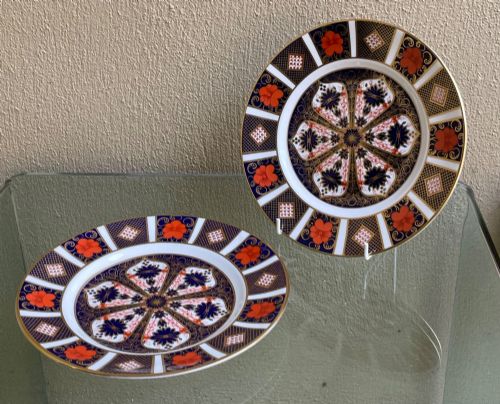
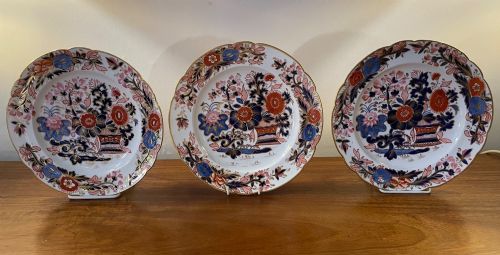
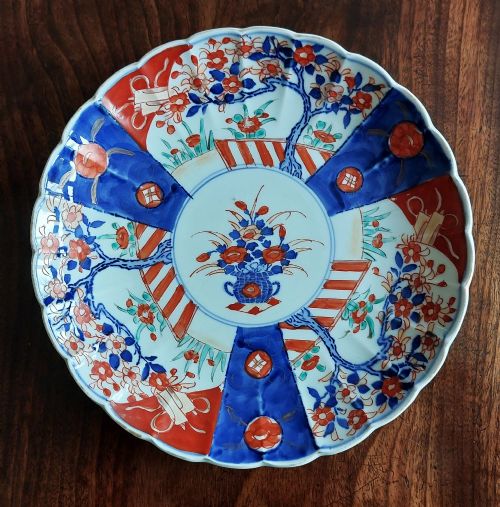
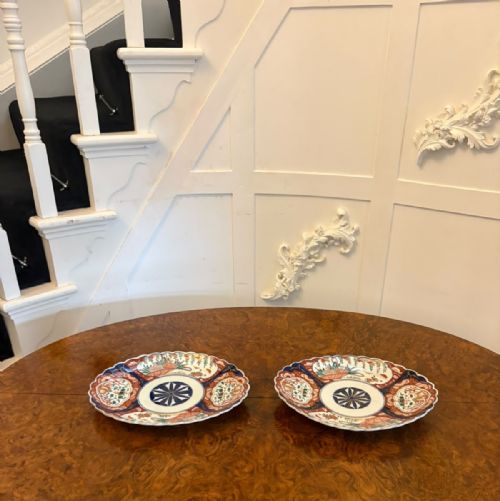
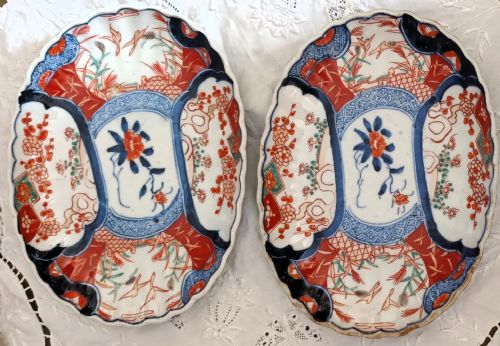
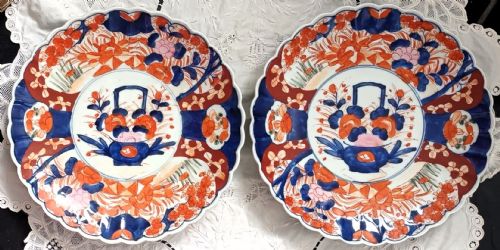
A blue red porcelain wall plate typically takes the form of a decorative charger, dish, or scalloped plate intended for display. When searching for a blue red porcelain wall plate, buyers frequently encounter Japanese Imari ceramics dating from the Meiji period and late nineteenth century alongside eighteenth-century English porcelain pieces.
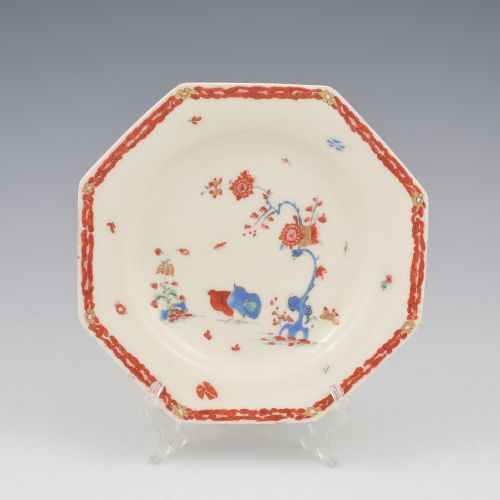
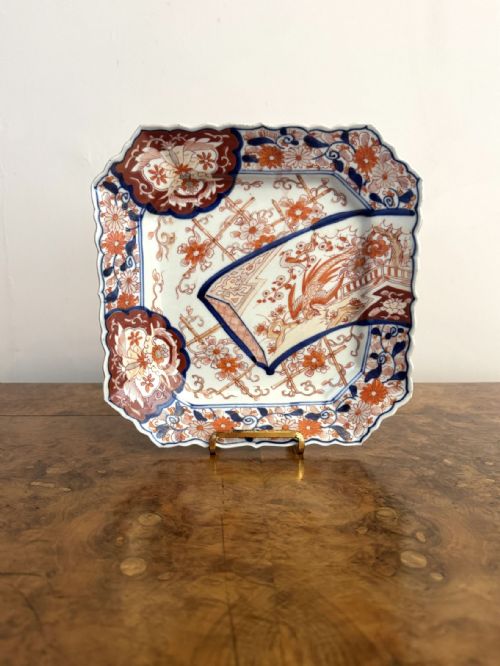
The selection ranges from large circular chargers depicting the Seven Lucky Gods to octagonal plates featuring exotic birds and quail patterns. Geometric square shapes, ribbon plates, and shell-shaped dishes also appear across the nineteenth-century groupings.
Origin points span historic Japanese kilns, such as Arita, alongside British makers producing Imari palette variations. Pieces arrive singly, in pairs, or in matched sets of three, five, or six items.
Materials and production methods
Potters form these vessels using fine ceramic paste fired into hard porcelain before applying cobalt underglaze pigments. Artisans then add iron red enamel details over the glaze surface.
Gilding and gold leaf accents frequently enrich the painted motifs, catching the light against the contrasting blue and red tones. Hand-painted designs dominate the output, visible in intricate depictions of foliage, figures, and birds.
Listings feature Japanese Meiji period porcelain alongside eighteenth-century English examples.
Distinctions in quality and execution
Quality rests upon the precision of the hand-painted brushwork and the vibrancy of the cobalt underglaze matched against the iron red enamel. Superior examples exhibit crisp definition in complex pictorial scenes, such as deities or plumage.
Form complexity further separates standard items from finer works, with scalloped edges, hexagonal cuts, and square shapes demanding greater technical skill from the potter.
Royal Crown Derby·Bow Porcelain
The Blue Red Porcelain Wall Plate Glossary
- Imari Style
- A decorative ceramic scheme originating in Japan utilising deep underglaze blue and iron red enamel, frequently augmented with gold.
- Meiji Period
- The era in Japanese history spanning from 1868 to 1912, associated with prolific porcelain production exported to Western markets.
- Charger
- A large decorative plate or dish historically placed on sideboards or hung upon walls rather than used for dining.
- Cobalt Underglaze
- A blue pigment applied to raw ceramic bodies before glazing and firing, yielding a durable colour beneath a clear glass layer.
- Kakiemon
- An asymmetric Japanese ceramic decoration style featuring fine enamelled bird and floral motifs on white porcelain.
Blue Red Porcelain Wall Plate: Frequently Asked Questions
How do I hang a wall plate safely?
Display chargers require purpose-built spring-loaded brass hangers that grip the rim securely without scratching the porcelain glaze.
Ensure the wall fixing uses an appropriaterawl plug to support the weight of larger nineteenth-century chargers.
What is the difference between Imari and Arita?
Arita refers to the Japanese town and surrounding region where the porcelain clay was mined and fired.
Imari acts as the port name through which these wares shipped to Europe, eventually defining the distinctive blue, red, and gold palette.
How should I clean antique porcelain?
Dust these decorative items gently using a soft, dry ostrich feather duster or microfiber cloth.
Avoid immersing pieces with fragile gold leaf or enamel highlights in water to protect the historic painted surfaces.
Are these plates safe for food use?
Antique decorative chargers and wall plates are intended primarily for visual display rather than culinary service.
Older overglaze enamels and historic ceramic compositions may contain compounds unsuited for modern dining use.