



Blue Painted Pine Box
A blue painted pine box offers utilitarian storage wrapped in the rustic charm of folk art traditions from the nineteenth century and earlier.
Blue Painted Pine Box
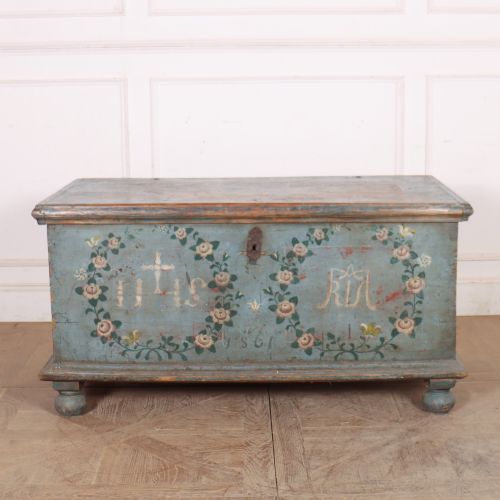
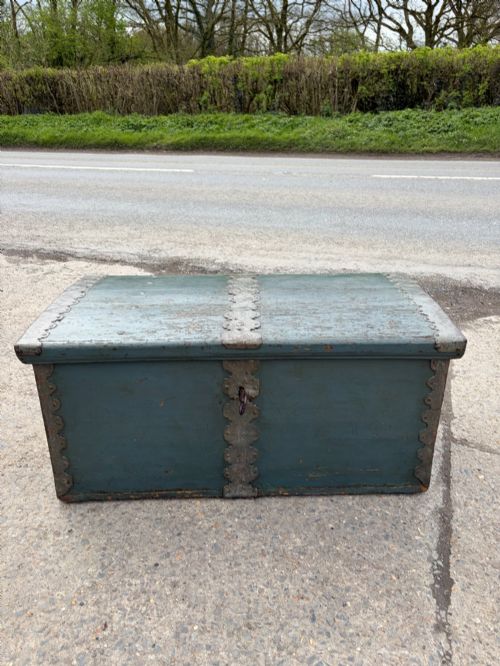
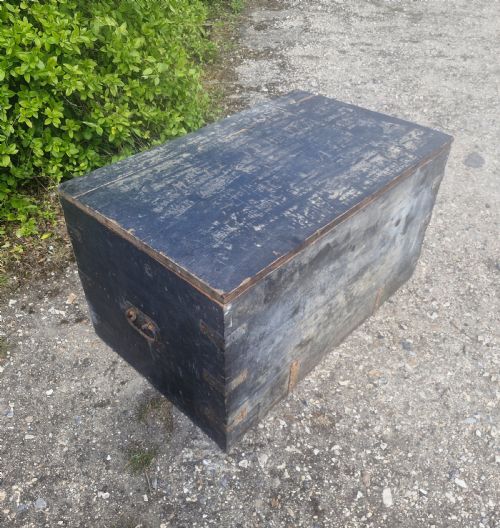
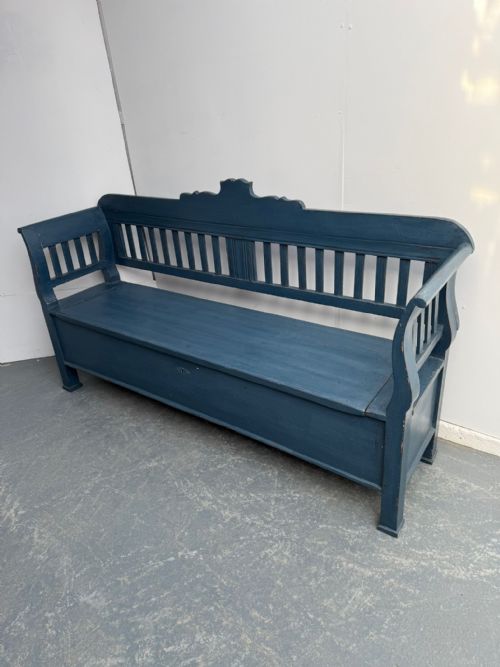
A blue painted pine box serves primarily as practical storage, spanning forms such as dome top coffers, blanket chests, marriage trunks, and occasional storage benches. These pieces emerge from diverse regional traditions including Scandinavian folk art, Alpine styles, rustic English country workshops, and Hungarian vernacular craft.
The version most commonly encountered on this page is the nineteenth century pine chest, often displaying hand painted decoration in various shades of blue over the softwood timber. Examples range from small decorative strong boxes and log containers to large marriage chests and multi-seater box settles designed for domestic utility.
Originating largely from rural homesteads and coastal regions, these containers held textiles, bedding, valuables, or daily provisions. Their survival in original painted surfaces reflects a historic appreciation for colour and decoration within otherwise utilitarian domestic interiors.
Materials and construction
Constructed predominantly from local pine or softwood timber, these boxes rely on traditional joinery suited to utilitarian containers, frequently reinforced with iron, wrought iron, or brass hinges, locks, and binding straps. The wood provides a stable, pale canvas for subsequent layers of pigment paint.
Surfaces are typically finished with pigment paint applied directly to the pine, sometimes retaining original decorative motifs, marbling, or foliate designs characteristic of Scandinavian and Alpine folk traditions. The interaction between the ageing softwood and the historic paint layers creates the characteristic patination seen on surviving pieces.
Several Swedish marriage chests were built to hold a bride's linen dowry, carrying bright folk art colours meant to start a household with optimism.
Factors of quality and survival
Quality in these pieces rests heavily on the survival and integrity of the original painted surface rather than the complexity of the underlying carpentry. Boxes retaining untouched early pigment paint with minimal overpainting or later stripping command greater interest among collectors.
Proportion and regional decorative detail further distinguish finer examples, particularly where hand painted folk art motifs, datelines, or specialised forms like dome top marriage chests and structural metal bindings remain intact and well preserved.
The Blue Painted Pine Box Glossary
- Coffer
- A heavy wooden chest traditionally used for storing valuables or documents. These pieces often feature reinforced lids and sturdy iron hardware.
- Mule chest
- A storage chest featuring one or more drawers beneath the main internal compartment. They bridge the functional gap between a simple box and a chest of drawers.
- Dome top
- A rounded lid construction designed to shed water and increase internal capacity. This form is frequently encountered on nineteenth century travel trunks and marriage chests.
- Settle
- A wooden bench with a high solid back and enclosed storage beneath the seat. Examples often combine seating with domestic box storage.
- Pigment paint
- Historically formulated colorants mixed with binders and applied to wooden furniture. In these pieces, the survival of the original blue pigment defines much of the visual character.
Blue Painted Pine Box: Frequently Asked Questions
What were these boxes used for?
Historically, these containers served as secure storage for household textiles, blankets, clothing, and valuable personal documents within domestic settings. Their robust construction also allowed them to function as travel trunks or everyday household furniture.
In larger formats, such as settles or marriage chests, they combined seating or ceremonial utility with practical space saving storage for rural families.
How do I care for original paint?
Preserving historic painted surfaces requires stable indoor humidity and protection from direct sunlight, which can fade or destabilize old pigments. Dusting should be done gently with a dry, soft cloth without applying modern liquid polishes or chemical cleaners.
Avoiding excessive moisture is essential, as softwood and historic paint layers are sensitive to damp environments and rapid temperature changes.
How can I tell the age of a pine box?
Dating relies on examining construction marks, nail types, hinge styles, and the composition of the underlying timber and paint layers. Hand forged ironwork and traditional joinery methods typically point toward nineteenth century or earlier manufacture.
Wear patterns around handles, feet, and keyholes also provide physical evidence of age and long term domestic use.
Are these pieces waterproof?
While some trunks and sea chests were built for travel or marine use with tight joints and metal bindings, historic pine boxes are generally not sealed against modern moisture standards. The original paint and wax coatings offered basic surface protection rather than waterproofing.
Using them today is best suited for dry indoor living spaces rather than damp environments or outdoor placement.