
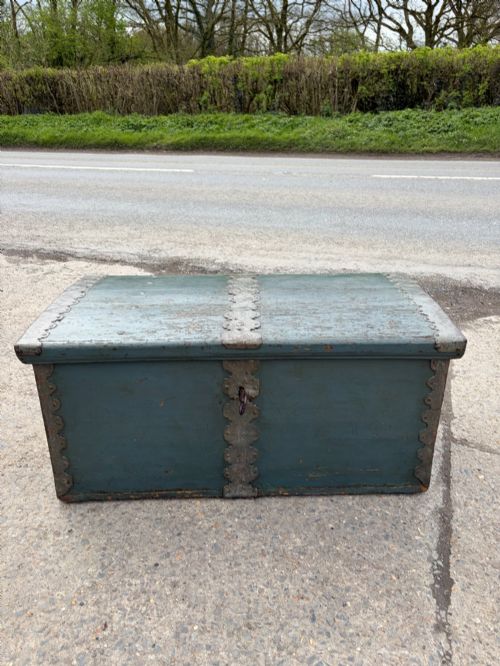
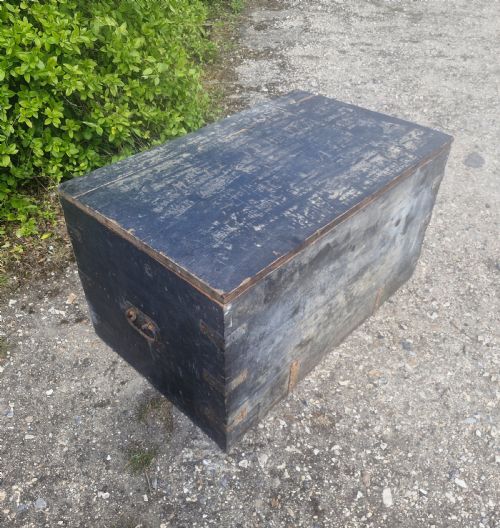


Vintage Blue Pine Coffer
A vintage blue pine coffer brings robust rural utility and striking colour to an interior.
Vintage Blue Pine Coffer
A vintage blue pine coffer is a sturdy wooden chest or storage box built to hold household goods, textiles or valuables. These pieces span the nineteenth century and the early twentieth century, originating from regional workshops across Europe.
Buyers most frequently encounter nineteenth-century examples featuring original painted surfaces in various shades of blue. Forms range from dome-top chests and strong boxes to multi-purpose storage benches.
The aesthetic bridges rustic country traditions with practical domestic storage. They function equally well as living room furniture or hallway seating while providing concealed storage capacity.
How they were made
Construction relies on solid pine planks joined securely to withstand heavy domestic use. Artisans shaped these indigenous softwoods into functional boxes, benches and trunks using traditional carpentry joints.
Iron and wrought iron fittings, including strap hinges, brackets and carrying handles, reinforce the wooden structures. Brass elements occasionally appear on campaign-style or more refined trunks.
Surfaces were finished with hand-applied paint, frequently in blue pigments that have weathered over decades. This layer protects the underlying wood while developing an authentic patina.
Listings feature nineteenth-century pine, painted wood, wrought iron and brass across Scandinavian, Victorian and rustic country styles.
What varies in quality
The integrity of the original painted surface dictates much of the visual character. Pieces retaining untouched nineteenth-century blue pigment hold distinct appeal compared to those with later repainting.
Structural robustness and the retention of original hardware influence the standard of a piece. Hand-forged iron hinges and strapwork that remain intact demonstrate superior original craftsmanship.
The Vintage Blue Pine Coffer Glossary
- Cofer
- A large wooden chest traditionally used for storing valuables and clothes. These sturdy containers often feature hinged lids and iron reinforcement.
- Dome top
- A rounded lid profile designed to shed water and increase internal capacity. This shape characterises many nineteenth-century travel and storage trunks.
- Campaign trunk
- Portable furniture built for travel with recessed handles and reinforced corners. These pieces were designed to withstand rigorous transit.
- Strong box
- A secure chest constructed to protect money or documents. They frequently incorporate heavy iron bindings and robust locking mechanisms.
Vintage Blue Pine Coffer: Frequently Asked Questions
What is a pine coffer used for?
These chests serve as practical storage solutions for blankets, linens and household items. Their flat tops also allow them to function as tables or window seats.
In contemporary interiors, they sit easily in hallways, bedrooms or living spaces to keep clutter hidden away.
How old are these painted chests?
Most examples date from the nineteenth century, with some pieces extending into the Victorian era and the nineteen-thirties. Regional styles from Scandinavia and the English countryside dominate this period.
Makers utilised local pine and traditional hand-painting techniques characteristic of rural European workshops.
How do I care for original paint?
Maintain the surface by dusting gently with a dry, soft cloth. Avoid using modern chemical cleaners or abrasive polishes that might strip the historic pigment.
Keep the timber away from direct heat sources and high humidity to prevent the pine from warping or splitting.
Are these trunks waterproof?
Historical pine coffers were built for indoor domestic or travel storage rather than absolute water resistance. The wooden boards and fitted lids keep out dust and light moisture.
Storing them in dry indoor environments preserves both the pine structure and the decorative blue paint.