

Blue Painted Ceramic Jar
A blue painted ceramic jar brings functional storage and display to a room through cobalt pigment on glazed earthenware and porcelain.
Blue Painted Ceramic Jar
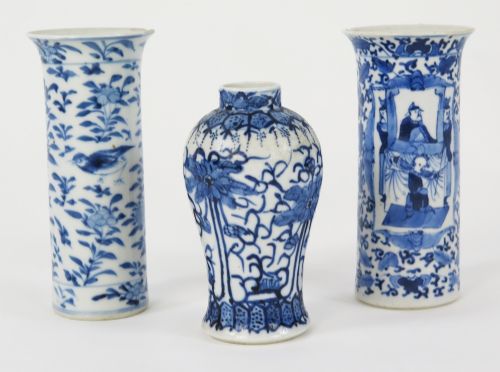
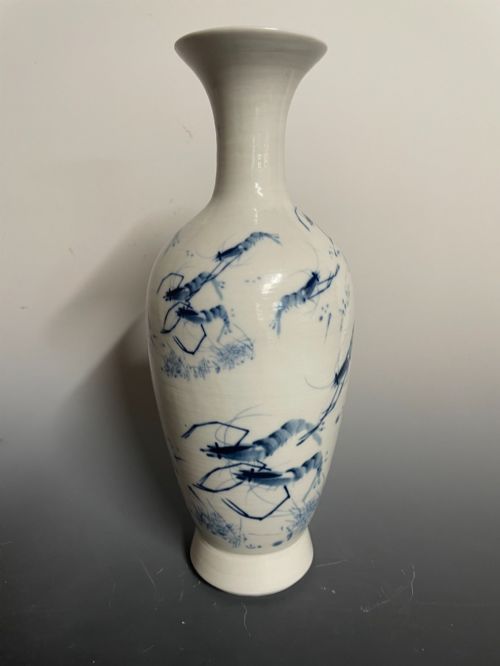
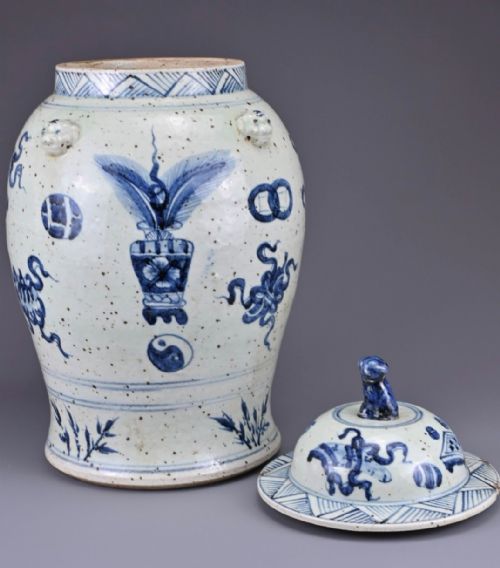
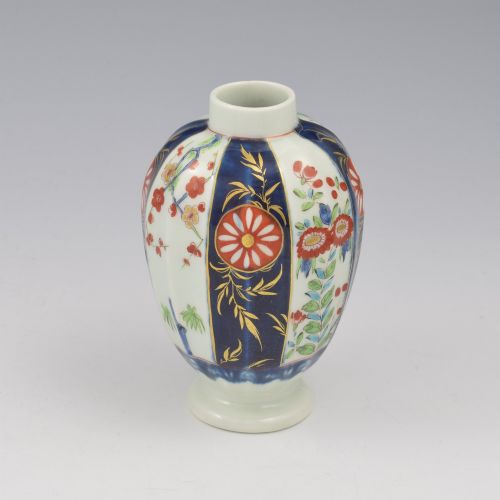
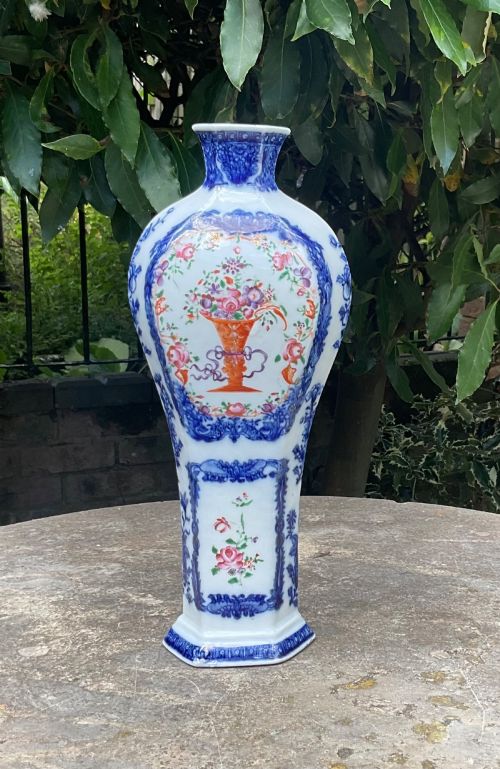
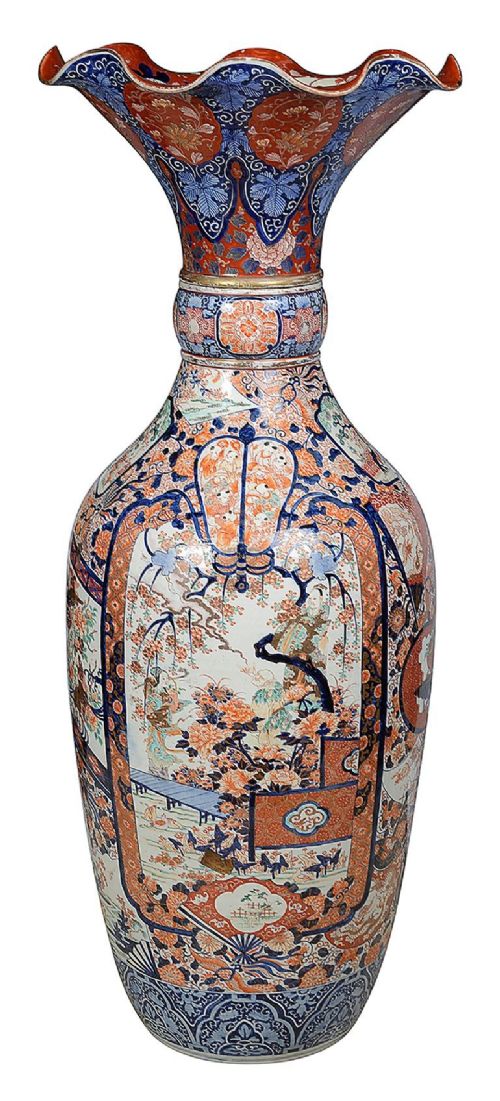
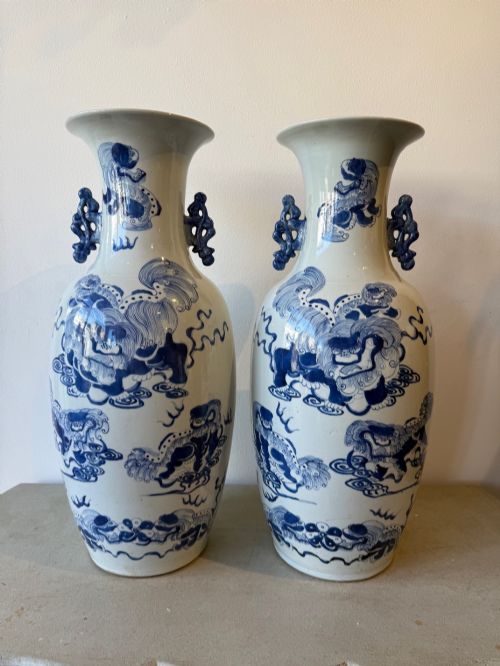
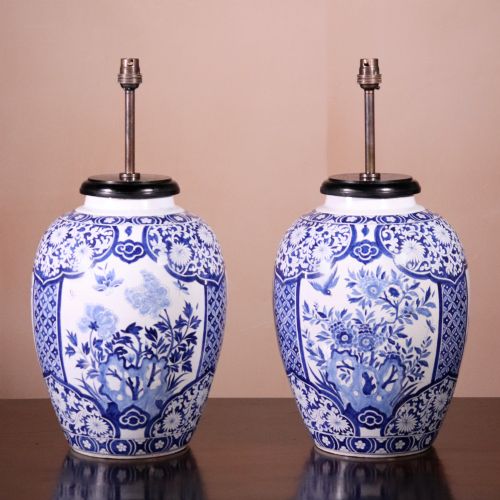
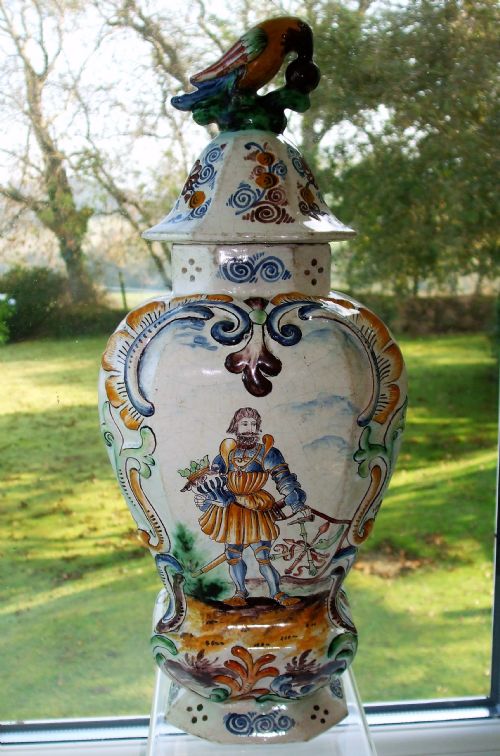
A blue painted ceramic jar encompasses apothecary vessels, ginger jars, lidded vases, and tea caddies spanning several centuries. These vessels originate from diverse traditions including Chinese export production, Japanese Imari workshops, Dutch Delftware potteries, and English factories.
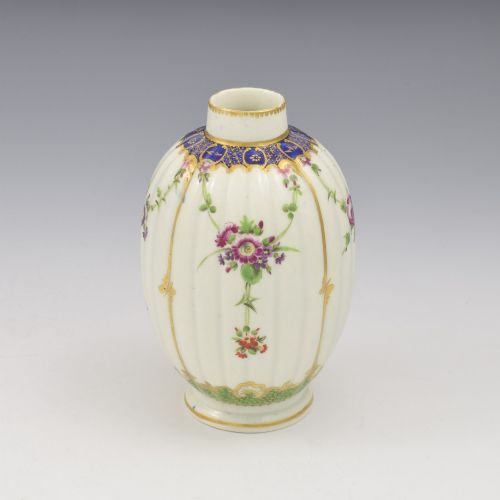
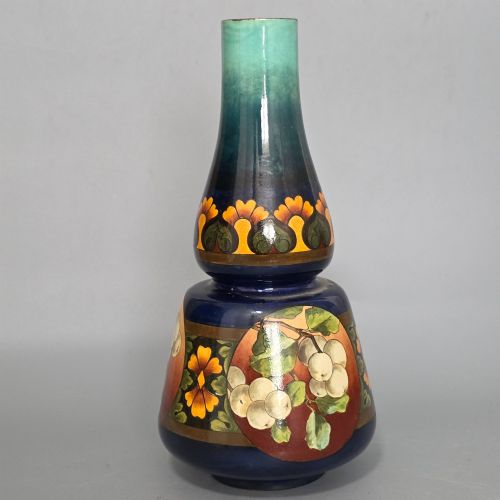
The pieces on this page range from small domestic tea canisters to monumental floor vases. Forms include bulbous ginger jars with covers, cylindrical pharmacy jars, and double-gourd silhouettes.
Dated examples stretch from the seventeenth century through the Victorian era and into the twentieth century. Production centres shifted across Europe and Asia, leaving distinct regional footprints in body composition and decorative style.
Materials and construction
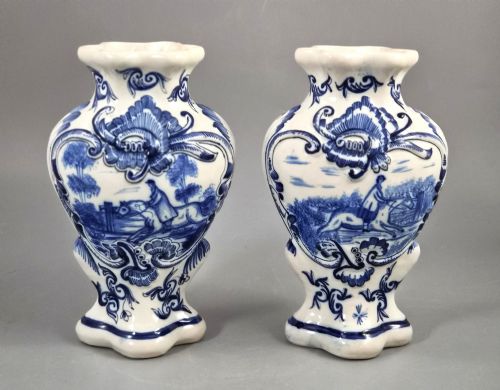
Makers utilised ceramic bodies ranging from porous tin-glazed earthenware and faience to dense porcelain. Tin-glazed pieces require an opaque white glaze that receives cobalt pigment decoration before a final firing seals the surface.
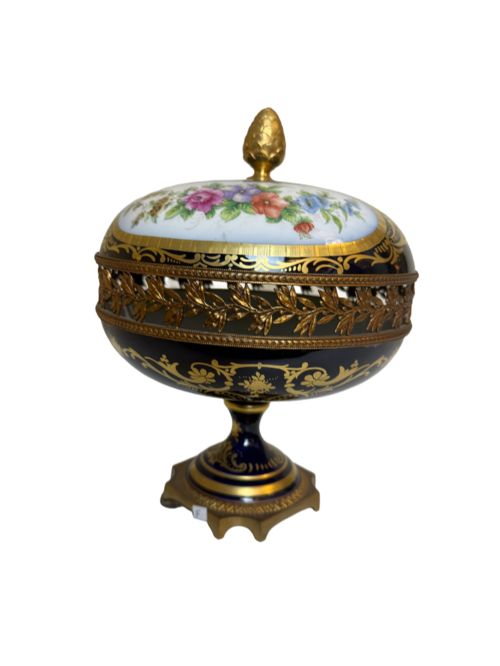
Cobalt pigment provides the characteristic blue tone across these jars, applied under or over the glaze depending on the workshop tradition. Selected pieces incorporate gold leaf or silver plate hardware to mount lids and collars.
Throwing on the potter's wheel shaped the cylindrical and baluster forms, while larger floor vases often involved moulded sections joined prior to glazing and painting.
Listings feature items from the seventeenth century through the twentieth century, encompassing both European earthenware and Asian porcelain traditions.
Gradations in quality
Quality rests upon the precision of the hand-painted cobalt decoration and the clarity of the underlying glaze. Controlled brushwork and deep, vibrant cobalt pigment separate finer vessels from hurried commercial output.
The integrity of the ceramic body and surviving covers determines value in historical jars. Original matching lids that fit securely without restoration represent a higher grade of preservation than married or replaced covers.
Subtlety in potting, balanced proportions, and crisp rendering of floral or figurative motifs indicate the work of skilled hands in major production centres.
Fourmaintraux Courquin·Doulton Lambeth Intarsio·Royal Crown Derby·Coalport
The Blue Painted Ceramic Jar Glossary
- Tin-Glazed Earthenware
- Pottery covered with a glaze made opaque by the addition of tin oxide. This surface provides a smooth white ground for cobalt blue painting.
- Cobalt Pigment
- A metallic oxide used to achieve deep blue colouration on ceramics. It withstands high firing temperatures without losing intensity.
- Ginger Jar
- A decorative container with a wide mouth and rounded body, originally produced in China for storing spices. Many survive with fitted ceramic lids.
- Imari
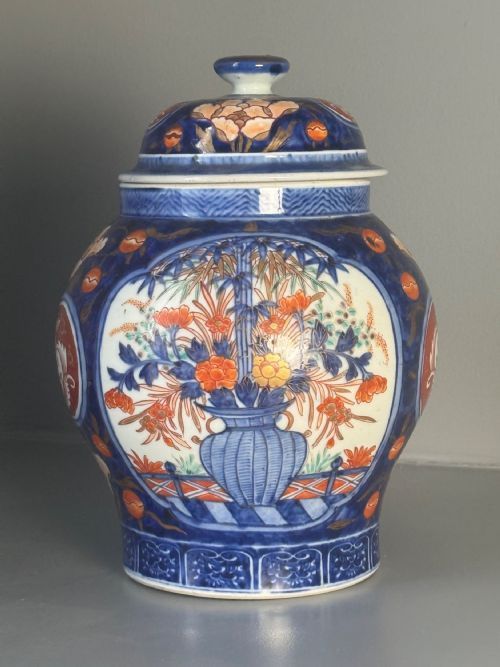
- A style of Japanese porcelain decorated in underglaze blue and overglaze iron red, gold, and secondary colours. Production centred on the town of Arita during the Edo period.
Blue Painted Ceramic Jar: Frequently Asked Questions
Were these jars used for food storage?
Many jars originated as utilitarian containers for tea, spices, tobacco, or apothecary items. Tea canisters and ginger jars held consumable goods in domestic settings.
Pharmacy jars stored medicinal preparations and herbs. Over time, functional storage vessels transitioned into purely decorative cabinet and table pieces.
How can I distinguish Delftware from Chinese export porcelain?
Delftware employs a tin-glazed earthenware body that feels softer and thicker in section, often showing minor chipping at the rims. Chinese export pieces utilise a hard-paste porcelain body that rings when struck.
The blue painting on porcelain sits within a transparent glaze, whereas Delft painting rests on an opaque white tin enamel layer.
What does Imari mean on a ceramic jar?
Imari designates Japanese porcelain exported from the port of Arita, characterised by a distinctive palette of underglaze cobalt blue and iron red. Accents of gold leaf often enrich the floral and geometric panels.
European factories later copied this aesthetic, creating their own interpretations of the characteristic Japanese layout and colour scheme.