




Chinese Cobalt Blue Vase
A chinese cobalt blue vase brings deep cobalt underglaze tones and traditional forms into an interior, offering centuries of ceramic artistry.
Chinese Cobalt Blue Vase
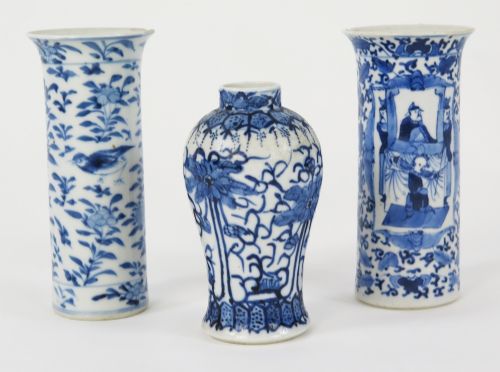
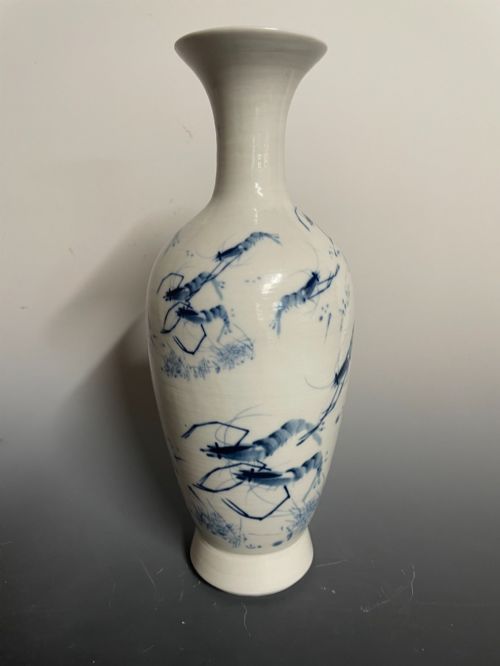
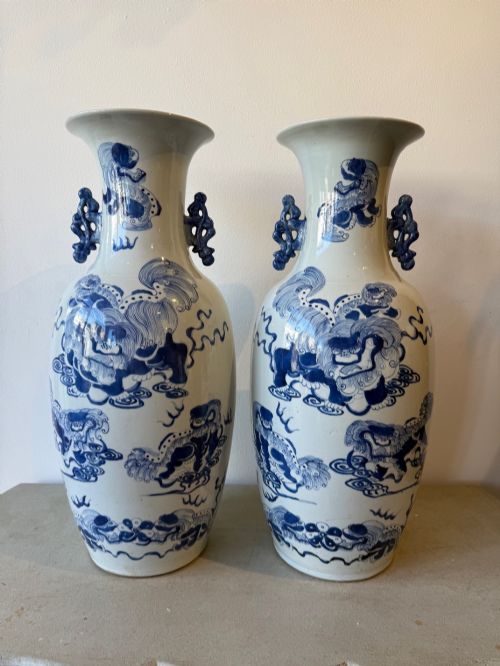
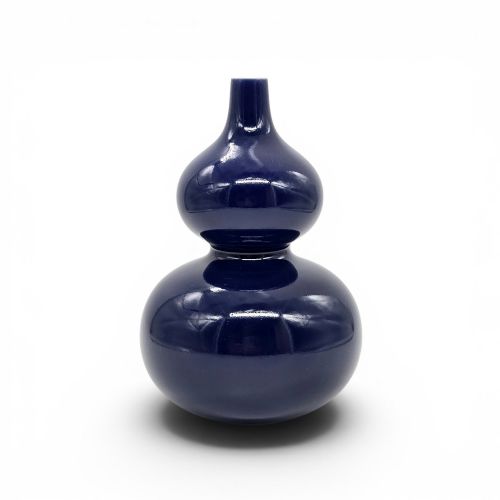
When you search for a chinese cobalt blue vase, you encounter vessels that range from ginger jars and double-gourd shapes to tall bottle vases and brush pots. These objects emerge from various periods, including the late seventeenth century, the eighteenth century, and the nineteenth century under Qing rule.
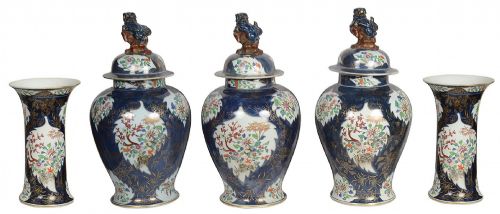
The pieces on this page span diverse forms, from prunus blossom patterns to five-clawed dragon motifs and monochrome glazes. Many examples adapt into table lamps utilising brass mounts or fabric shades, while others survive as pure ceramic vessels.
Makers and decorators utilised traditional Chinese styles, incorporating Kangxi and Qianlong marks that reference earlier imperial eras. Collectors find both paired garnitures and single monumental pieces showing deep roots in export and domestic traditions.
Materials and Techniques
Potters shaped these objects from high-fired porcelain and ceramic bodies, applying cobalt glaze and cobalt underglaze pigments before the final firing. This technique yielded the characteristic rich blue designs set against a white ground.
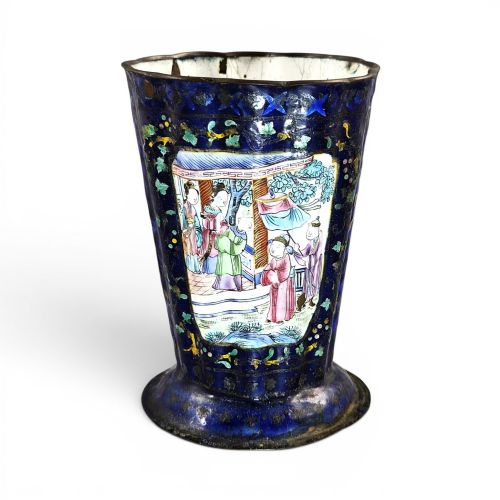
Certain vessels integrate supplementary elements such as gilt bronze mounts, Canton enamel on copper, or Peking glass. Artisans also employed cloisonné enamel work on metal foundations for specific decorative lighting pieces.
The periods represented on this page span from the seventeenth century through the Edwardian era and the twentieth century.
Assessing Quality and Execution
The depth and control of the cobalt pigment dictate much of the visual success, separating lively hand-painted brushwork from flatter, mechanical applications. Crispness in underglaze details like dragons or lotus petals reveals the skill of the original workshop.
Proportion and glaze consistency also define the upper tier of these pieces, particularly in double-gourd forms and bottle vases where symmetry is paramount. Marks and period consistency add historical weight to the physical execution.
The Chinese Cobalt Blue Vase Glossary
- Cobalt Underglaze
- A method of applying blue metallic oxide pigment to the ceramic body before glazing and firing at high temperatures. This ensures the colour sits permanently beneath the glossy surface.
- Double-Gourd
- A vessel shape featuring a bulbous lower body beneath a smaller upper bulb, resembling a traditional fruiting vine gourd. It symbolises prosperity and good fortune in Chinese tradition.
- Meiping
- A tall, slender vase form with a narrow neck and broad shoulders, originally designed for holding blooming plum branches. The silhouette demands precise potting to maintain balance.
- Ginger Jar
- A wide-shouldered, straight-sided storage vessel with a fitted cover, historically used for spices and preserved goods. Later generations adapted them extensively as decorative ornaments.
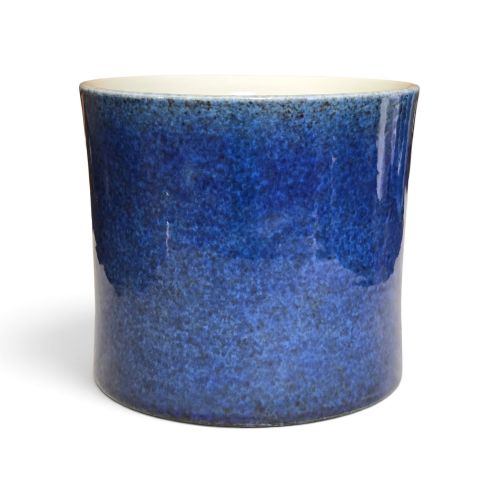
- Bitong
- A cylindrical brush pot used by scholars to hold writing implements on a desk. They appear in porcelain, carved wood, and other materials.
Chinese Cobalt Blue Vase: Frequently Asked Questions
How do I date a chinese cobalt blue vase?
Dating relies on examining the characteristics of the porcelain body, the depth of the cobalt pigment, and any reign marks on the base. Stylistic cues such as dragon motifs or floral borders also align pieces with periods like the Kangxi or Guangxu eras.
Potting techniques and glaze textures further clarify whether a piece dates to the Qing dynasty or represents a later nineteenth-century interpretation.
Were these vases used as lamps originally?
Most of these vessels were created as pure decorative ceramics, ginger jars, or scholar's objects rather than lighting fixtures. Wiring them into table lamps became a popular practice in Western interiors during later periods.
Many listings reflect this history, occasionally incorporating brass fittings while preserving the original porcelain body beneath.
What is the difference between a jar and a vase?
Vases generally feature open necks designed for holding floral arrangements or standing alone as sculptural forms. Jars typically include fitted covers and wider bodies intended originally for containment.
In antique ceramics, jars and covers often survive together as pairs or single matching units, functioning primarily as decorative garnitures.
How should I clean my antique porcelain?
Dust porcelain surfaces gently with a soft, dry cloth to remove everyday particles without abrasive friction. Avoid harsh chemical cleaners that might damage older glazes or associated metal mounts.
For pieces adapted as lamps, keep moisture away from electrical components and clean the ceramic body with minimal dampness.