
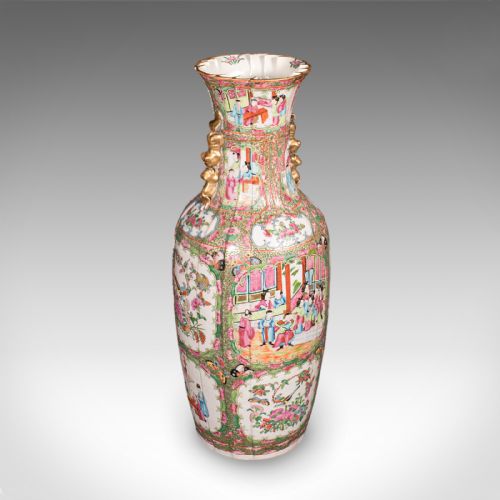


Large Chinese Porcelain Vessel
A large chinese porcelain vessel stands as a commanding decorative centrepiece, bringing centuries of fired ceramic artistry into a modern interior.
Large Chinese Porcelain Vessel
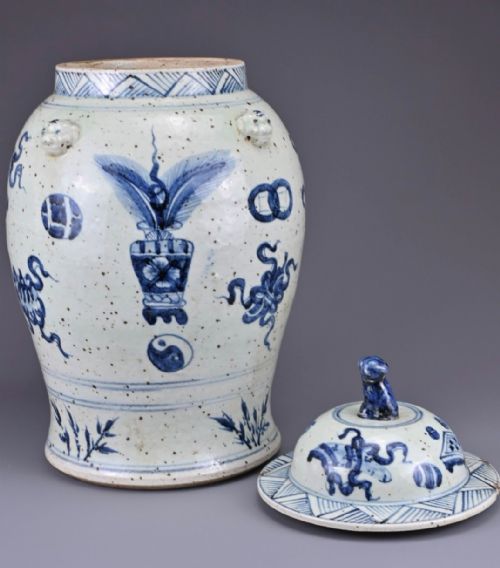
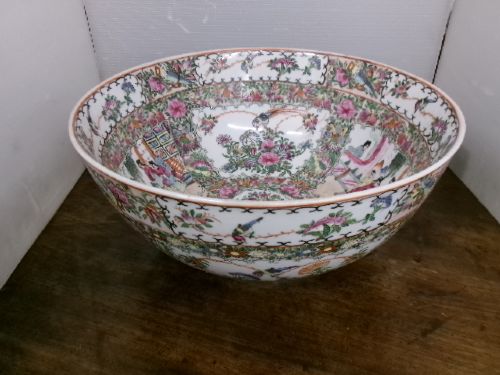
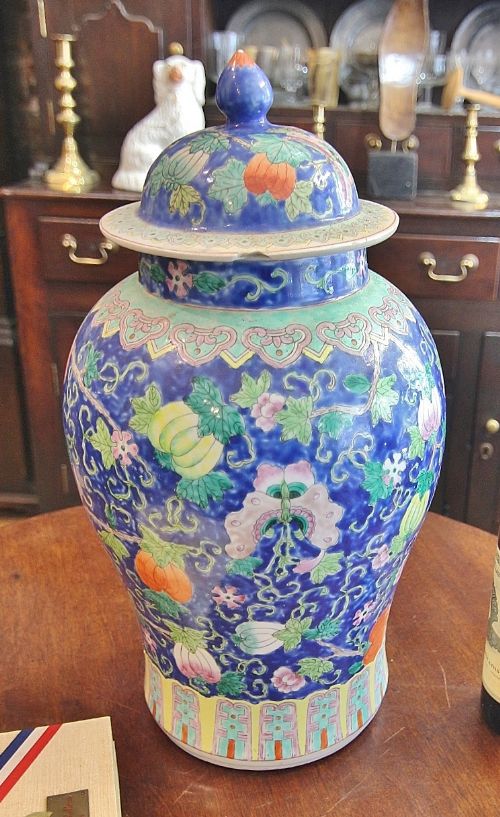
A large chinese porcelain vessel encompasses robust statement forms ranging from double-gourd vases and ginger jars to substantial centre bowls and tripod censers. These substantial pieces emerge across historic periods including the seventeenth, eighteenth, and nineteenth centuries, carrying the aesthetic traditions of the Qing Dynasty and export workshops.
Buyers encounter diverse vessel types designed for display and utility, including monumental brush pots, jardiniere planters, and conical bowls incised with traditional motifs like phoenix and peony. The selection reflects varied eras spanning early Qing reigns through to twentieth-century interpretations.
Materials and Technique
Potters shaped fine ceramic paste into heavy-walled bodies, applying liquid cobalt pigment beneath transparent glazes to achieve classic blue and white designs before high-temperature firing. Enamel paints were frequently added over the glaze for polychrome famille rose and famille verte palettes.
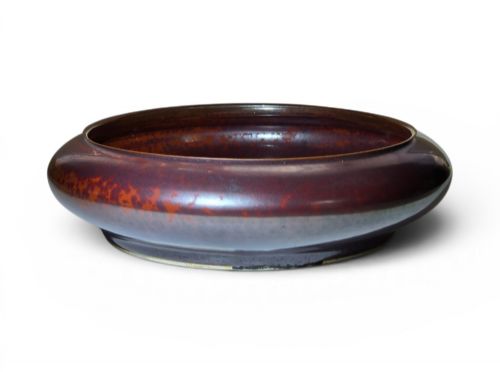
Specialised surface treatments define these ceramics, employing iron rust glazes, monochrome qingbai coatings, and selective applications of gold leaf or gilt highlights on wood stands.
Brush washers originally served scholarly ink-grinding, though they now happily hold nothing more strenuous than a stray set of house keys.
Artistic Merit and Execution
Superior examples demonstrate exceptional control in brushwork detail, seen in the precision of incised phoenix motifs or hand-painted lotus panels across expansive porcelain surfaces. The depth and clarity of underglaze blue pigment or the vibrancy of overglaze enamel colours distinguish masterwork items from standard production.
Proportion and scale dictate visual impact, where monumental heights and balanced vessel contours command attention without distortion from the kiln firing process. The presence of imperial seal marks and well-documented period characteristics further elevate the standing of a ceramic piece.
The Large Chinese Porcelain Vessel Glossary
- Famille rose
- A prominent ceramic palette introduced in the eighteenth century, distinguished by opaque pink enamels rendered in varied shades. This technique allowed artists to paint complex floral and figural compositions with subtle tonal shading.
- Censer
- An incense burner designed with a stable base, often featuring tripod feet and pierced covers for ritual use. These vessels appear in ceramic form with handles and traditional decorative reliefs.
- Brush washer
- A compact or compressed vessel traditionally utilised by scholars for cleaning calligraphy brushes in water. Examples can feature rich monochrome glazes such as iron rust.
- Qingbai
- A bluish-white porcelain glaze developed during earlier dynasties and continued through later periods, noted for its translucent quality. It pools subtly in incised decorative lines to accentuate carved motifs.
- Double-gourd
- A auspicious vase shape formed by two joined bulbous spheres representing prosperity and longevity. This silhouette provides a balanced canvas for elaborate botanical painting.
Large Chinese Porcelain Vessel: Frequently Asked Questions
How do I date a large Chinese porcelain vessel?
Dating relies on examining the characteristics of the ceramic body, the formulation of the cobalt pigment or enamel colours, and the presence of reign marks. Stylistic motifs also provide reliable clues to the period of production.
Contextual evidence from form and glazing techniques helps narrow down whether a vessel originates from the seventeenth, eighteenth, or nineteenth centuries.
Where were these large ceramic vessels displayed?
Historic interiors utilised large vessels as floor-standing ornaments, grand table centrepieces, or functional containers within scholar studios. Jardiniere planters housed indoor flora, while massive jars added architectural weight to reception rooms.
Today, these substantial ceramics suit prominent placement on sturdy furniture or directly on the floor in open living spaces.
What is the difference between Famille Rose and Famille Verte?
Famille verte relies primarily on a transparent green enamel palette combined with iron red, yellow, and blue, dominant in the seventeenth century. Famille rose emerged later, substituting the green dominance with opaque pink and purple tones.
Both styles employ intricate hand-painted details, but the colour families create distinct visual temperatures and historical eras.
Can I use these vessels for fresh flowers?
Many large jars and vases remain water-tight and functional, though antique ceramics of significant age are frequently enjoyed purely as sculptural objects of art. Care must be taken with heavy water volumes inside historic vessels.
Using a discreet internal liner protects the interior glaze from potential mineral deposits or staining.