
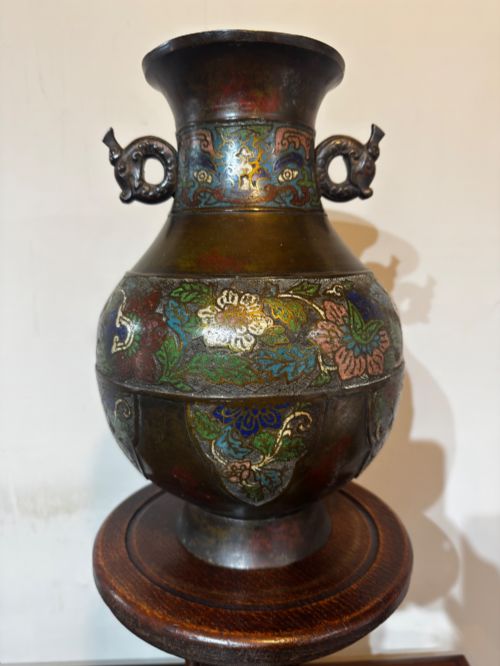


Qing Dynasty Dragon Vase
A qing dynasty dragon vase brings powerful imperial symbolism and intricate metallic or ceramic craft straight into a room.
Qing Dynasty Dragon Vase
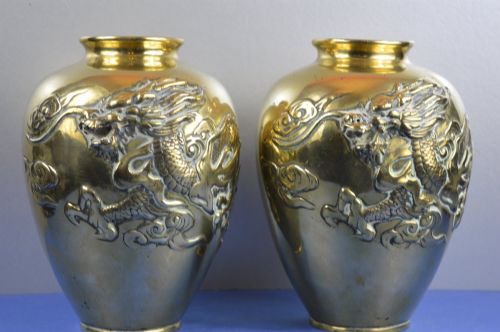
A qing dynasty dragon vase encompasses vessels created during the Qing period, featuring dynamic serpentine motifs and traditional forms. The selection frequently includes nineteenth-century pieces alongside works from the seventeenth and eighteenth centuries.
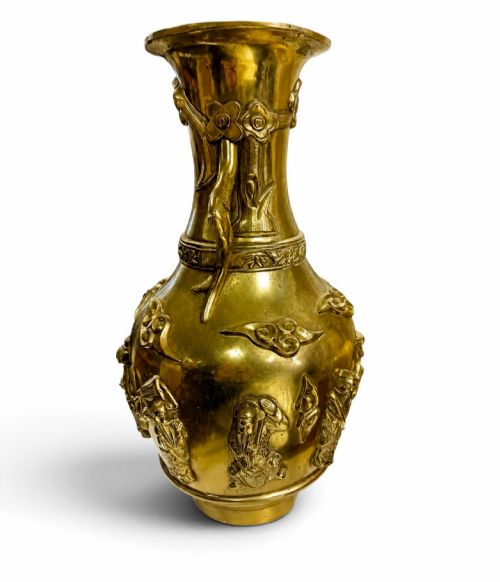
Forms range from baluster shapes and meiping vessels to heavy bronze altar pieces and jars with lids. Many examples also appear converted into table lamps or mounted with display stands.
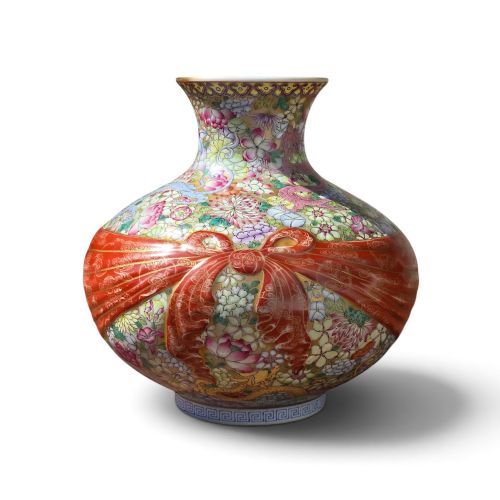
Originating largely from Chinese traditions, these pieces include export wares, Canton styles, and bronze works bearing reign marks. Buyers encounter both porcelain bodies with blue and white or famille rose decoration and heavy cast metal examples.
What varies in quality
Quality rests on the crispness of the cast or painted dragon motifs, particularly the detailing found on claws and scales. Finer vessels display deep relief work and precise control over enamel or cobalt pigments.
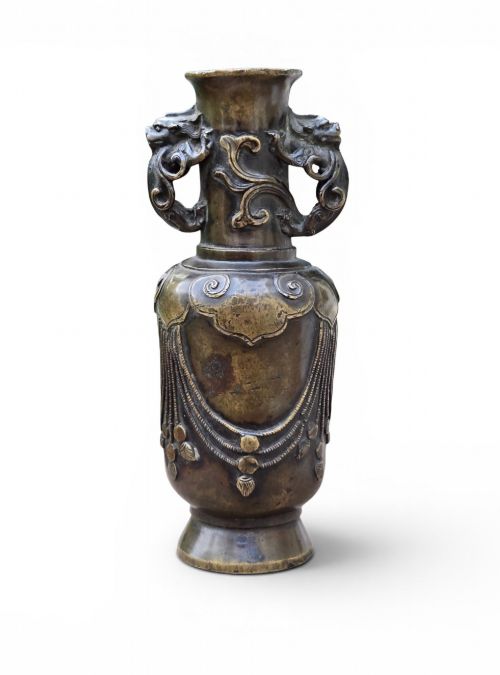
The weight and substance of the piece distinguish the range, as seen in substantial bronze and copper-alloy bodies compared to lighter wares. Presence of historic marks or integrated handles further separates standard examples from important works.
Several heavy bronze dragons weigh over five kilograms, making them surprisingly fierce paperweights if the flowers run out.
The Qing Dynasty Dragon Vase Glossary
- Meiping
- A high-shouldered vase form traditionally used for holding plum branches. The narrow neck and sweeping shoulders create a distinctive silhouette.
- Famille Rose
- A palette of opaque enamel colours introduced during the Qing dynasty, dominated by pink and rose shades. Artisans applied these enamels over porcelain glazes.
- Cloisonne
- A technique where metal wires form small cells on a bronze or copper base, which are then filled with coloured enamel paste before firing.
- Baluster
- A vase shape with a rounded body that tapers toward the base and swells outward near the middle. This classic form provides stability for large vessels.
- Champleve
- An enamelling process where troughs or cavities are gouged into a metal surface and filled with vitreous enamel. The metal walls between the cells remain visible.
Qing Dynasty Dragon Vase: Frequently Asked Questions
How are these vases cleaned?
Dust porcelain surfaces gently with a dry, soft cloth to protect delicate glazes and enamel details. Avoid harsh chemical cleaners that can damage historic finishes.
Metal and bronze vessels require minimal moisture. Use a soft brush to clear dust from recessed relief carvings and champleve compartments.
What do five-clawed dragons signify?
Five-clawed dragons historically represented the imperial court and the Emperor himself during the Qing dynasty. Vessels bearing this specific motif denote higher status production.
Four-clawed or three-clawed dragons typically appeared on lower-ranking official or export wares.
How do I identify a reign mark?
Reign marks appear on the base or body of a ceramic or metal vessel, naming the specific emperor in Chinese characters. These marks indicate the stylistic period of manufacture.
Many later nineteenth-century pieces also carry earlier reign marks as a tribute to revered historical eras rather than as literal dating.