



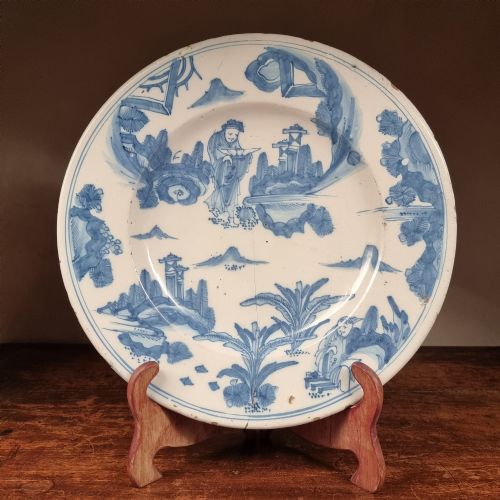
Antique Chinoiserie Ceramics
Antique chinoiserie ceramics bring imaginative European interpretations of East Asian motifs into interiors through hand-painted earthenware, tin glaze and porcelain.
Antique Chinoiserie Ceramics
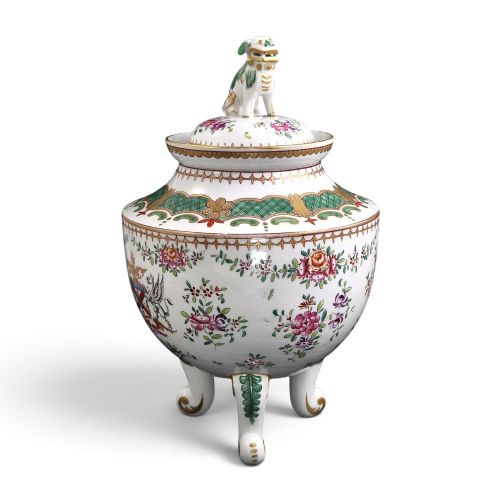
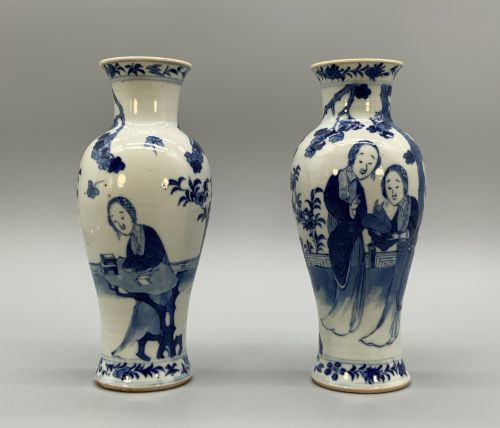
When searching for antique chinoiserie ceramics, collectors encounter a diverse array of utilitarian and decorative objects spanning multiple centuries. The selection encompasses chargers, plates, vases, garden seats, and table lamps that merge European ceramic traditions with Asian-inspired decorative schemes.
The most common pieces originate from eighteenth and nineteenth-century European factories, including English potteries and continental porcelain manufacturers. These range from tin-glazed earthenware dishes to refined porcelain tableware and heavy ironstone vessels.
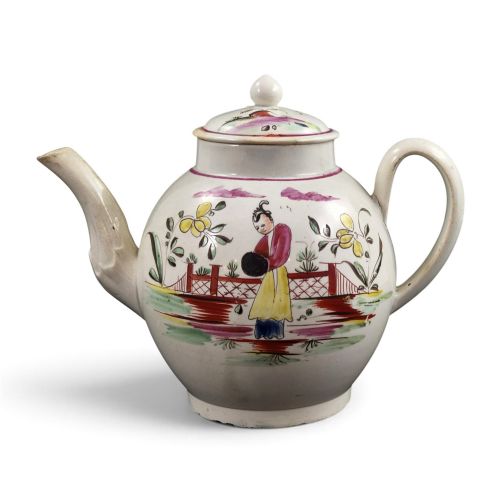
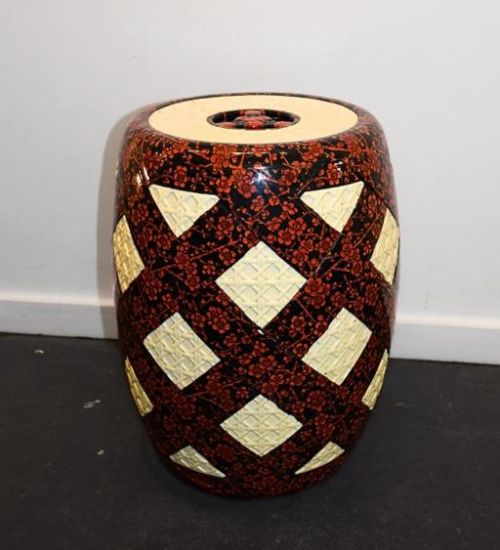
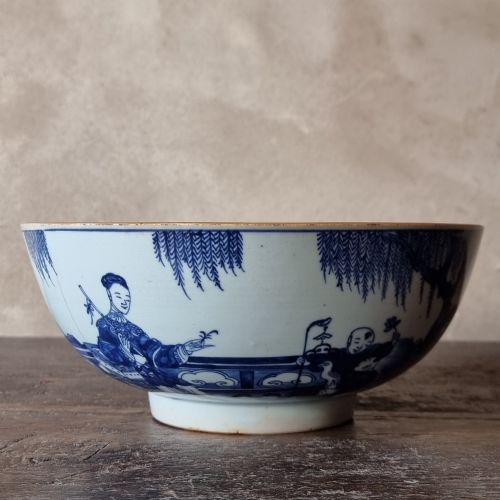
Domestic forms dominate the inventory, featuring punch bowls, creamware teapots, and transferware platters. Alongside these functional items, larger decorative elements such as garden seats and converted table lamps reflect the enduring appeal of the aesthetic in period interiors.
How they were made
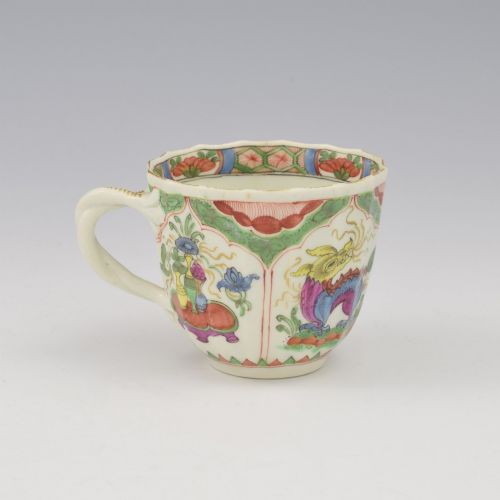
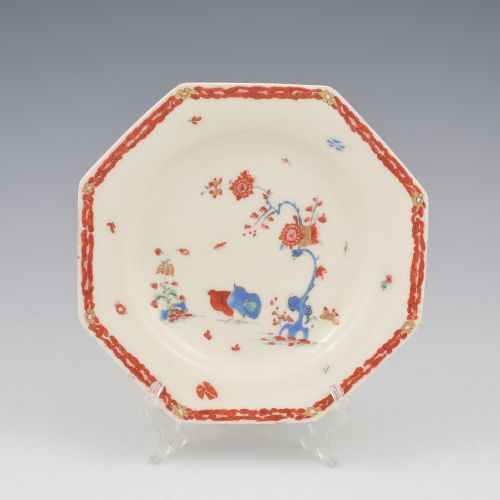
Potters shaped earthenware, creamware, and porcelain bodies before applying tin glaze, enamel, or cobalt pigment. Cobalt oxide painted beneath the glaze produced deep blue decoration, while polychrome enamels and gold leaf added surface colour and detail after a secondary firing.
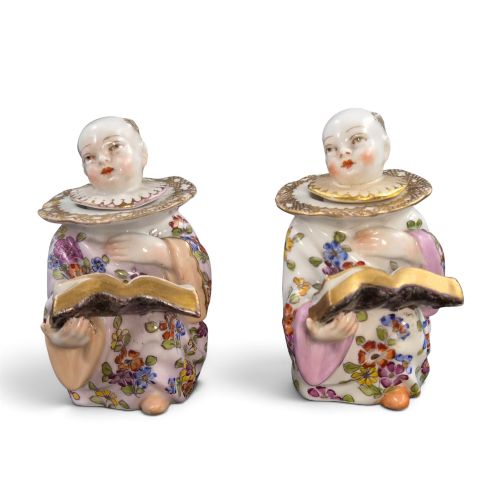
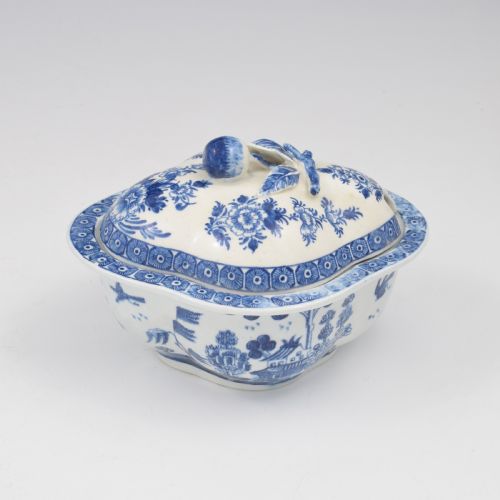
Transfer printing revolutionized production by allowing intricate patterns like river scenes to be stamped from copper plates onto pottery surfaces. Hand-painting often supplemented these transfers, particularly on tin-glazed delftware dishes and fine porcelain figures.
Ceramic birds and singing boys peer from inkwells and plates, proving that historic potters thoroughly enjoyed populating tea tables with wildlife.
What varies in quality
The sophistication of the hand-painted brushwork distinguishes superior examples from mass-produced wares. Crisp cobalt pigment application and carefully controlled polychrome enamel palettes indicate skilled workshop execution.
The refinement of the ceramic body itself plays a significant role in value, moving from thick earthenware and creamware to translucent porcelain and durable ironstone. Intact glazes and minimal firing distortions further separate exceptional cabinet pieces from everyday utilitarian vessels.
Edmé Samson·Dr Wall Worcester·Minton·Spode·Mason·Jacob Petit·Wedgwood·New Hall·Hicks and Meigh·Robert Hamilton
The Antique Chinoiserie Ceramics Glossary
- Tin glaze
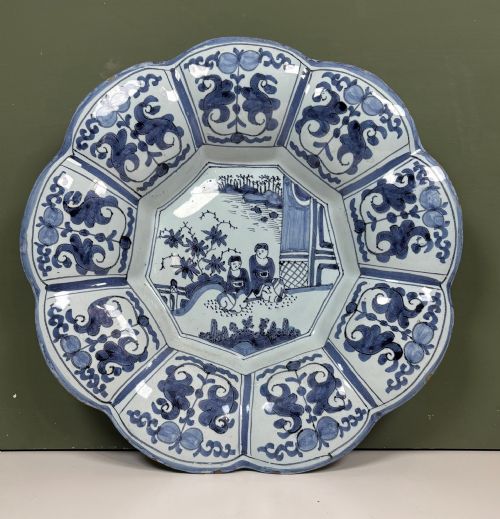
- An opaque white lead glaze opacified with tin oxide, providing a smooth surface for painted decoration on earthenware. This technique defines European delftware and faience production.
- Creamware
- A refined earthenware developed in eighteenth-century England, featuring a warm, pale yellow tone under a transparent glaze. It offered a lighter, more delicate alternative to heavier traditional pottery.
- Transferware
- Pottery decorated by applying a printed design from an engraved copper plate using tissue paper. This mechanised process allowed complex scenic patterns to be replicated consistently across service wares.
- Ironstone
- A dense, heavy type of vitrified earthenware patented for its durability and resistance to chipping. Factories utilised this robust material for large jugs, vases, and heavy-duty dinner services.
- Polychrome
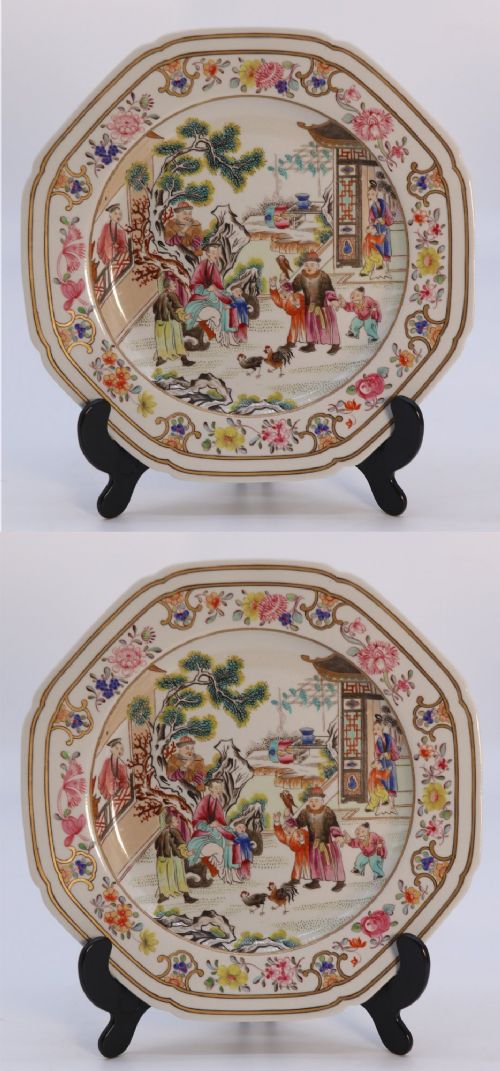
- Decoration employing multiple distinct colours, typically applied using enamels over a fired glaze. This method brought vibrant hues to eighteenth-century plates and chargers.
Antique Chinoiserie Ceramics: Frequently Asked Questions
What is delftware?
Delftware is tin-glazed earthenware produced in England, Holland, and other European regions, typically featuring blue and white or polychrome hand-painted decoration. It forms a large category of early ceramic items.
These pieces often display European adaptations of Chinese motifs, reflecting the seventeenth and eighteenth-century fascination with imported goods.
How do I clean antique ceramics?
Antique ceramics require gentle maintenance using dry cloths or lukewarm water without harsh detergents. Avoiding abrasive cleaners preserves delicate overglaze enamels and gold leaf.
Porcelain and ironstone tolerate careful handling, while porous earthenware demands extra caution to protect historic glazes.
Are these pieces functional?
Many items, such as bowls, platters, and teapots, were created for domestic use. However, age and delicate glazes often transition them into display objects rather than daily tableware.
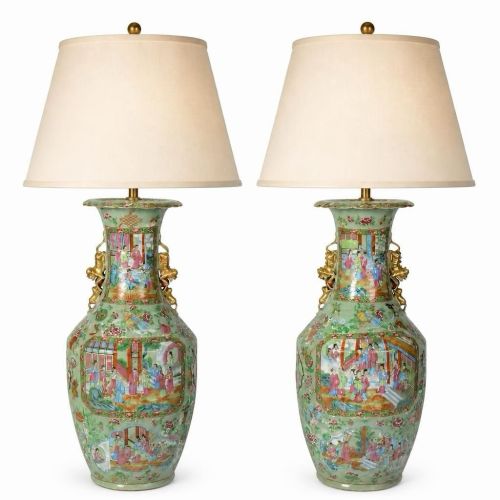
Converted items like table lamps integrate historic vessels into modern lighting while retaining their original decorative forms.
How can I tell the period?
Dating relies on material composition, glaze characteristics, factory marks, and stylistic shifts from eighteenth-century hand-painting to nineteenth-century transfer printing. Examining the base and potting technique helps determine the era.
Comparative analysis with documented factory patterns provides further confirmation of a piece's age.