



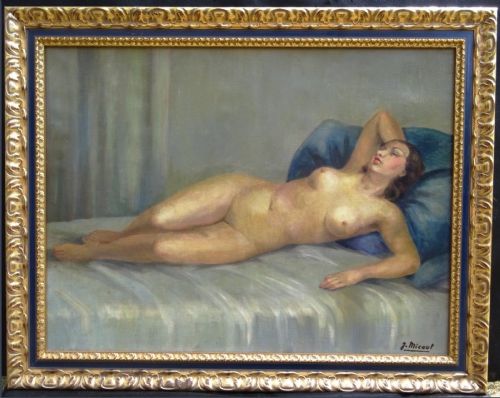
Blue Oil Painting
When you search for a blue oil painting, you find historical portraits featuring rich blue mantles and dresses alongside coastal and landscape scenes spanning the seventeenth century to the modern era.
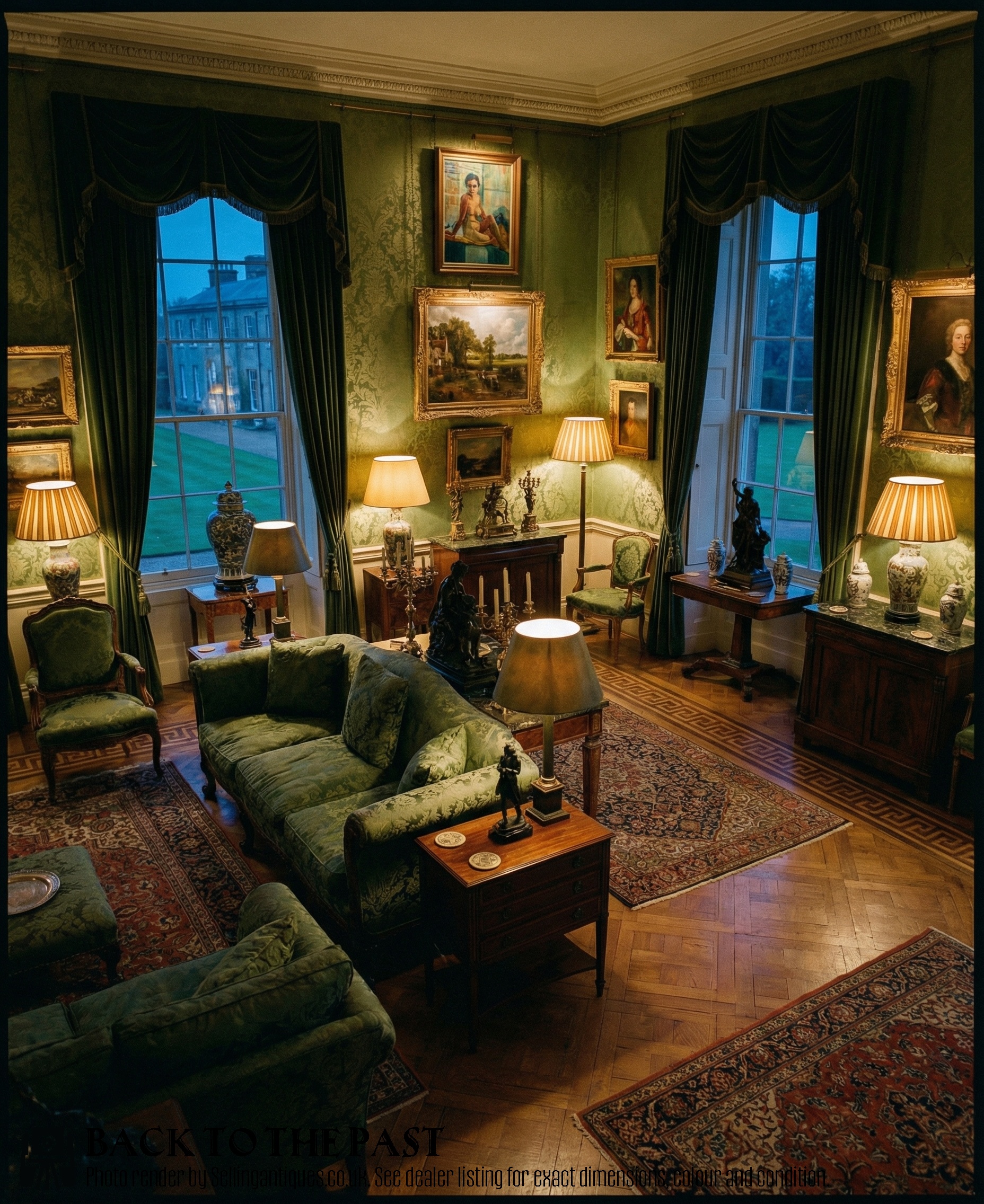
Blue Oil Painting
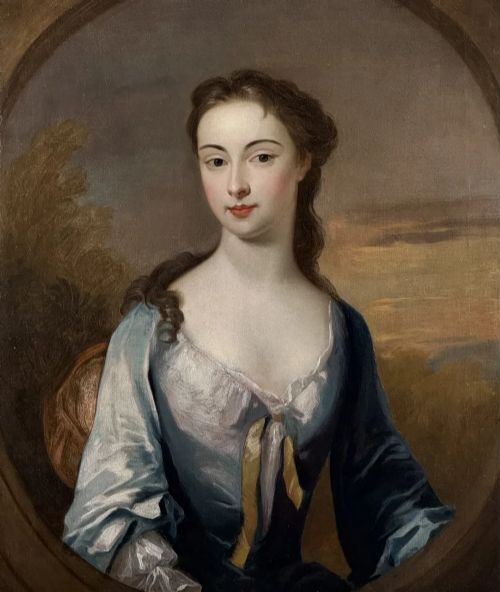
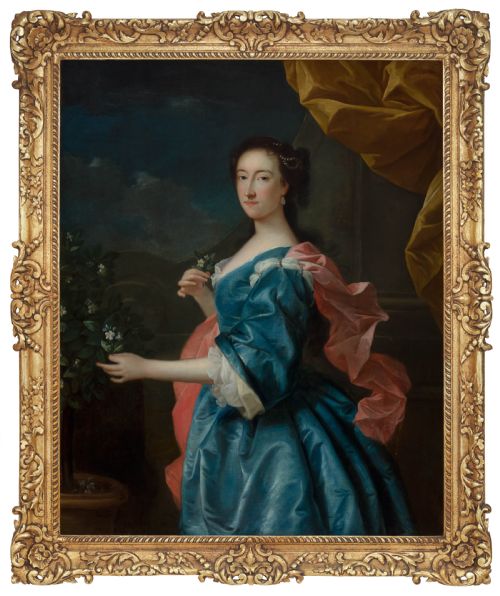
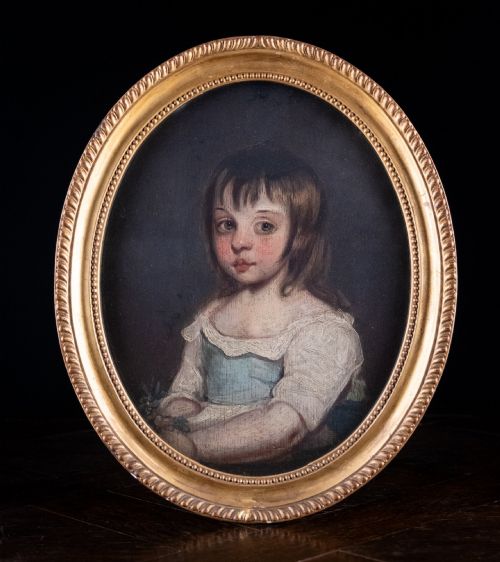
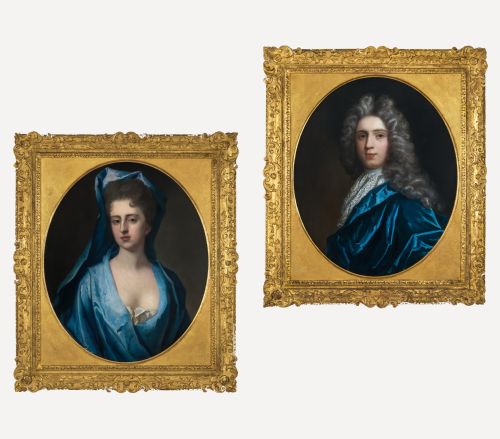
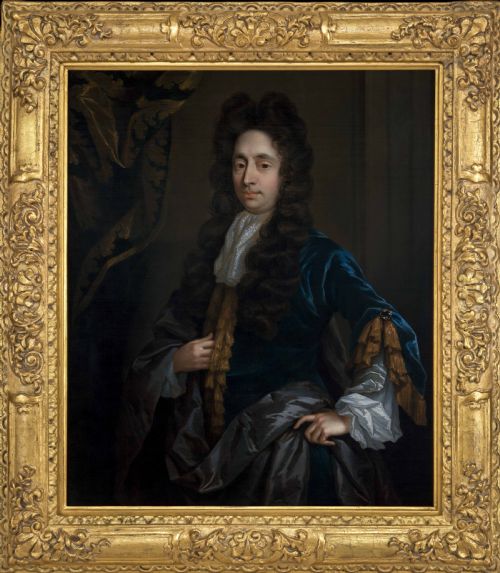
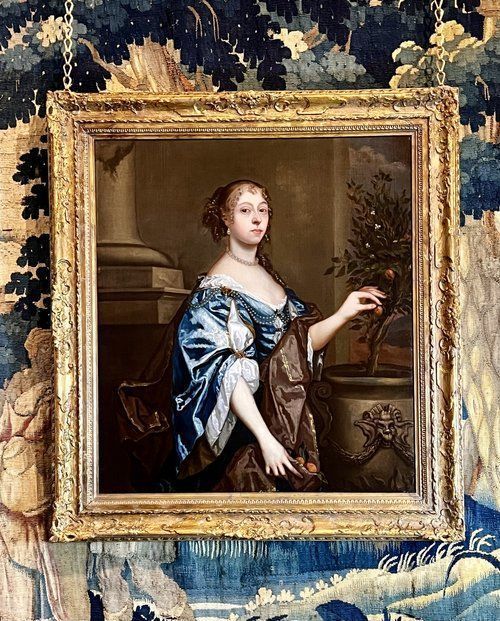
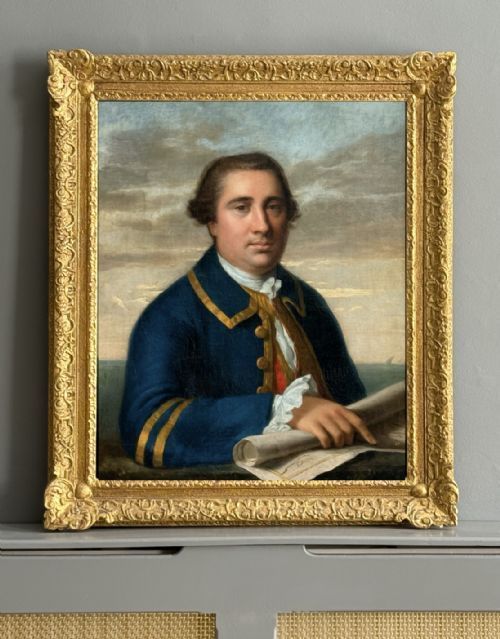
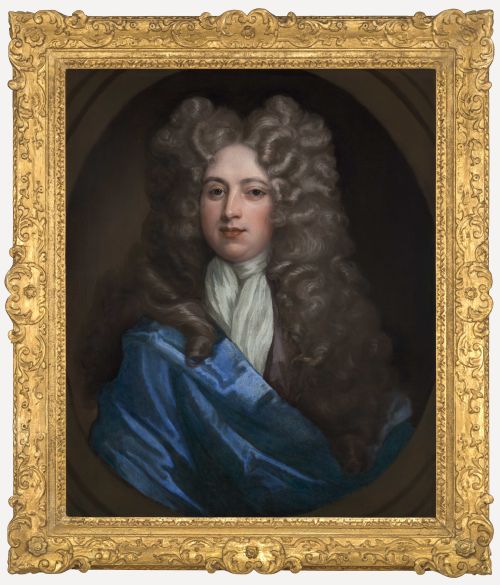
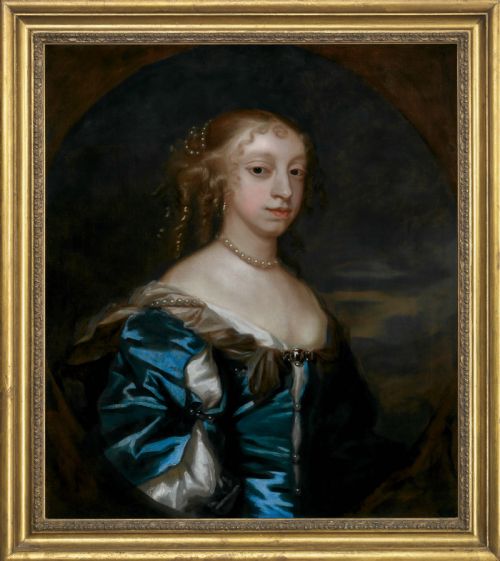
Collectors seeking a blue oil painting encounter a diverse range of subjects, dominated heavily by seventeenth and eighteenth-century formal portraiture where sitters wear striking blue gowns, coats, mantles, and ribbons.
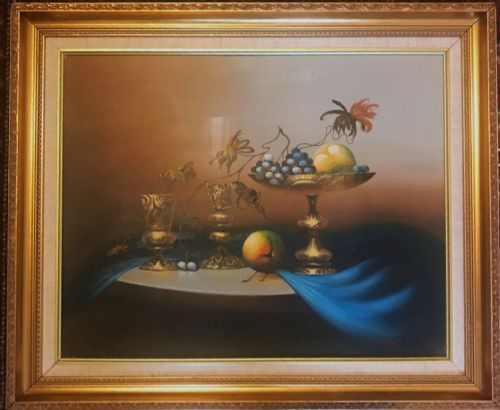
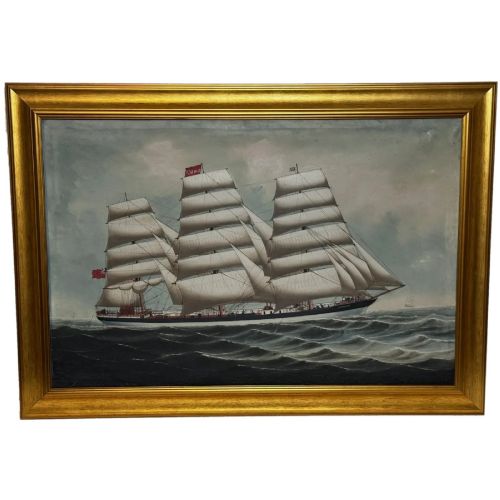
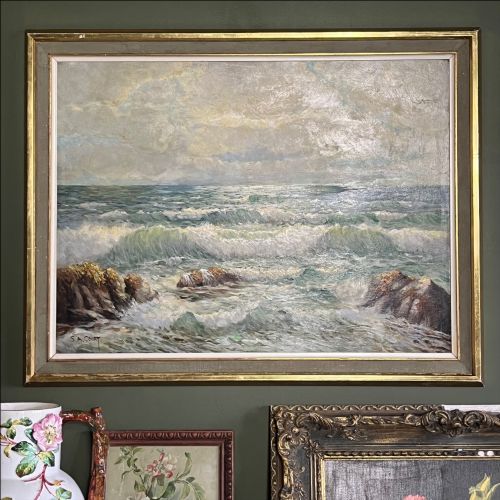
Beyond grand portraiture, the selection includes nineteenth and twentieth-century marine scenes, pastoral landscapes filled with bluebells, and modernist still life studies featuring blue bowls and vases.
Pieces stretch across centuries from the 1600s through the Georgian and Victorian periods into mid-century post-impressionism and contemporary works, offering both named studio pieces and traditional folk art.
How they were made
The primary technique recorded across these listings is oil paint applied to stretched canvas, though historical examples also utilise wood panels and copper supports.
Traditional framing relies heavily on ornate giltwood and gilt frames that complement the pigments and depth of the canvas work.
Blue Oil Painting Retail Price Guide 2026
Typical asking prices for blue oil painting among the pieces listed under this phrase on Sellingantiques today, from the lower quarter to the upper quarter. They describe what is for sale here now, not the wider market.
Listings span from the 17th century through the Georgian and Victorian eras up to contemporary British works on canvas.
What varies in quality
The distinction between standard works and master-level pieces rests in the attribution to recorded historical artists, studio circles, or well-documented schools rather than anonymous makers.
Handling of detail in fabric draping, facial expression, and background elements such as drapery or landscape scenery demonstrates the technical competence of the period workshop.
Charles Jervas·Jeremiah Davison·Michael Dahl·Thomas Murray·Sir Joshua Reynolds
The Blue Oil Painting Glossary
- Oil on canvas
- A traditional painting medium where pigments are bound with drying oils and applied to a woven fabric support stretched across a wooden frame.
- Giltwood
- Wood that has been coated with a thin layer of gold leaf or gold paint, frequently used for period picture frames.
- Periwig
- A voluminous man's wig popular in seventeenth-century fashion and frequently recorded in formal male portraiture of that era.
- En plein air
- A French expression describing paintings executed outdoors to capture natural light directly on the canvas, common in later landscape works.
- Post-Impressionism
- An art movement extending beyond impressionist methods that focused on emotional depth and symbolic use of colour.
Blue Oil Painting: Frequently Asked Questions
What subjects appear most often in these paintings?
Formal portraiture dominates the earlier centuries, featuring aristocratic sitters and gentlemen adorned in blue coats, ribbons, and silk mantles.
Later eras shift toward landscapes, marine storms, and still life arrangements featuring blue glass bowls and ceramic vases.
How can I tell the period of a portrait?
Clothing fashions, periwigs, lace collars, and drapery styles offer immediate clues to dating seventeenth and eighteenth-century works.
Canvas preparation, stretcher frame construction, and written attribution records on the reverse provide further historical context.
Where were these historical portraits displayed?
Landed gentry and nobility commissioned these grand canvases to hang in the panelled rooms and reception halls of country estates.
Smaller still life studies and coastal views were typically acquired for domestic parlours during the Victorian and Edwardian periods.
How do I care for an antique oil on canvas?
Keep paintings away from direct sunlight, high humidity, and rapid temperature fluctuations to protect the canvas and underlying oil pigments.
Dust the surface gently with a soft, dry brush and avoid using liquid cleaners on either the canvas or the gilt frame.