


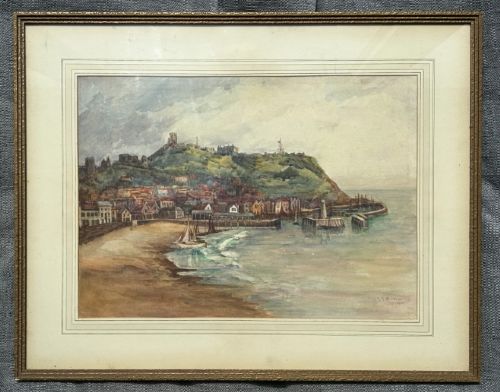

Blue Harbour Landscape
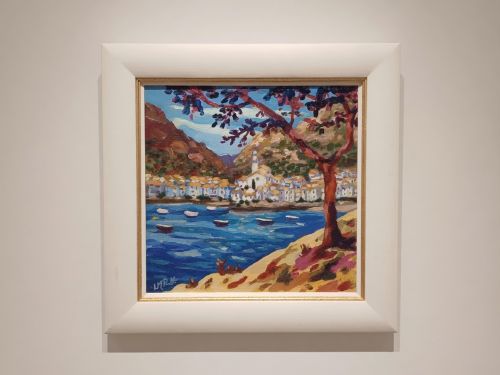
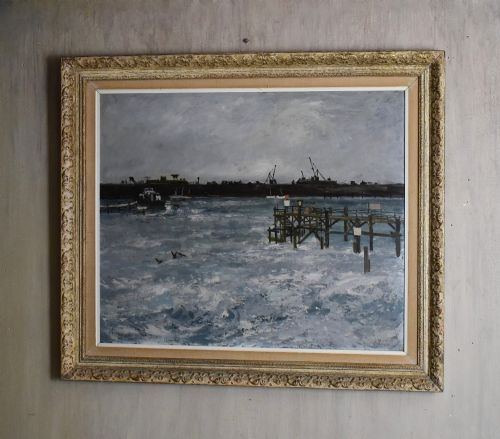
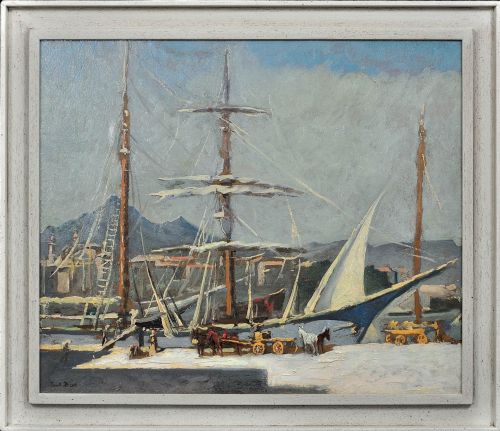
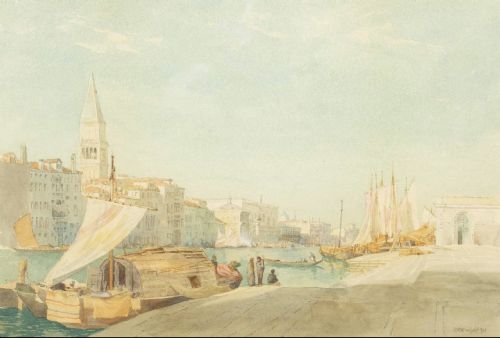
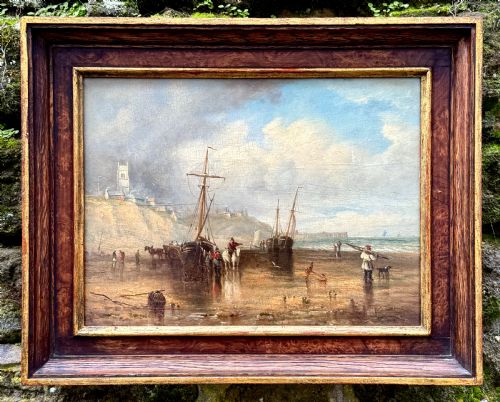
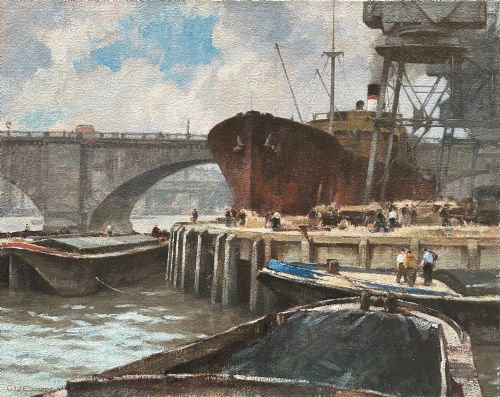
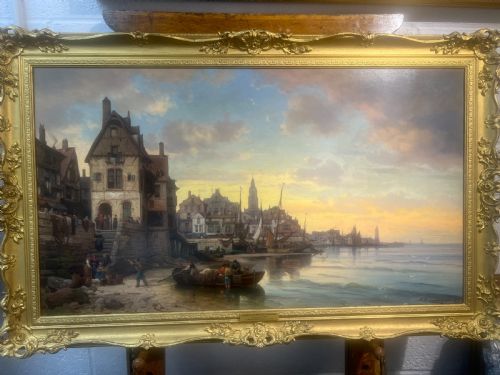
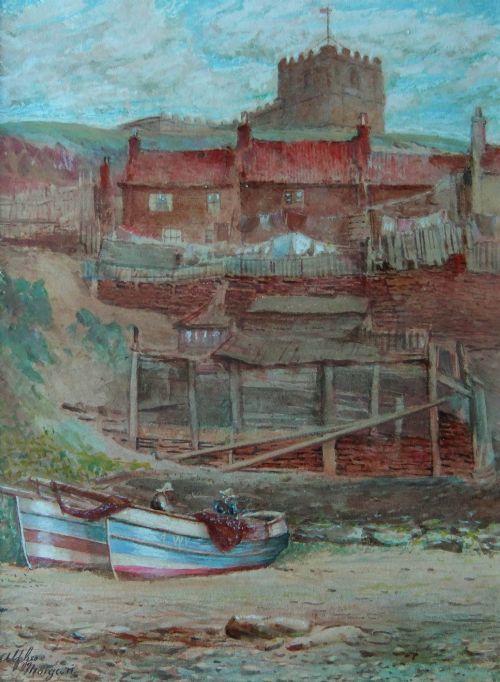
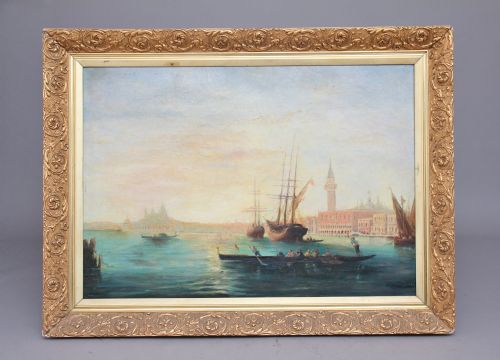
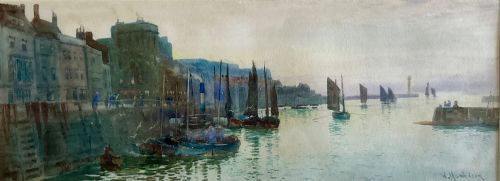
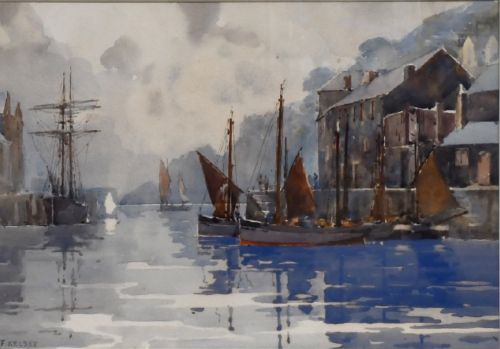
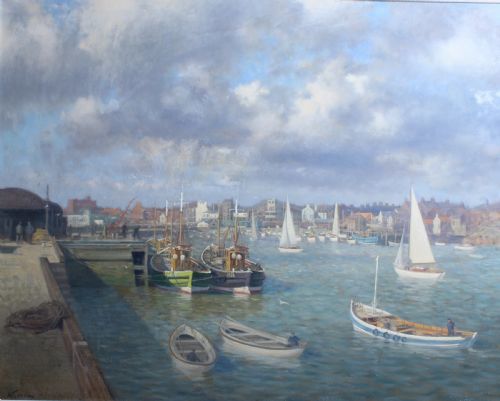
These evocative blue harbour landscape works capture maritime life and coastal vistas through traditional painting mediums.
Blue Harbour Landscape
A blue harbour landscape brings together coastal views, maritime scenes, and port activities depicted across various historical periods. Buyers seeking this theme will encounter works ranging from Victorian watercolours to mid-century oil paintings.
The selections feature coastal towns, fishing ports, and international lagoons from British and continental settings. Many pieces focus specifically on harbour activities, shipping vessels, and tidal waters rendered in marine palettes.
How They Were Made
Artists created these marine scenes using oil paint or watercolour pigment applied to traditional supports such as canvas, paper, or wood. Oil works typically build rich textures through layered paint, whilst watercolours rely on fluid washes to capture atmospheric coastal light.
Framed presentation is common amongst these paintings, preserving the delicate paper or sturdy canvas supports. The physical application reflects movements from British Impressionism and Post-Impressionism through to mid-century modern interpretations.
Even the tides obey the artist, holding St Ives harbour perpetually at low water.
What Varies in Quality
Quality rests upon the artist's handling of coastal light, maritime atmosphere, and compositional balance within the harbour setting. Stronger examples demonstrate confident brushwork and a distinct command over the blue and grey maritime tones.
The fidelity of the perspective and the specific depiction of rigging, architecture, and water movement differentiate standard topographical views from accomplished artistic interpretations. Material preservation of the canvas or paper also influences the overall standing of the work.
John E. Aitken·William Banks Fortescue·Lucy Pratt·Peter Brannan·Paul Bret·Richard Henry Wright·Thomas Creswick·Cyril Walduck Edwards·Charles Euphraisie Kuasseg·Alfred G. Morgan·William Matthison·Frank Kelsey·Walter Goodin·F A Roylance·George F Pennington·Edward Matthew Elliott·Gyrth Russell·Jean-Baptiste Olive·William Lee Hankey·George Turland Goosey·Fred Lawson·Tom Clough·Stanley Leader·William Tuck·Donald McIntyre
The Blue Harbour Landscape Glossary
- Watercolour
- A painting method where fine pigment is suspended in a water-soluble vehicle, typically applied to paper. This medium allows for luminous washes well-suited to capturing skies and reflective harbour waters.
- Oil Painting
- A technique utilising pigments bound in a drying oil, traditionally worked on canvas or wood panels. The slow-drying nature of the paint permits extensive blending and textural build-up.
- Impressionism
- An art movement focusing on the visual impression of the moment, particularly regarding shifting light and colour. Practitioners often painted en plein air to capture immediate atmospheric conditions.
- Seascape
- A work of art depicting the sea, coastal views, ships, or marine subject matter. It forms the primary category for maritime harbour scenes.
- Post-Impressionism
- A subsequent artistic development extending Impressionism while rejecting its limitations, favouring more structured forms and expressive use of paint. Artists in this grouping emphasised symbolic content and distinct personal style.
Blue Harbour Landscape: Frequently Asked Questions
What periods do these paintings cover?
The works span from the eighteenth century through the Victorian era and into the mid-twentieth century. Major representation comes from the early decades of the twentieth century.
Later pieces extend into the mid-century period, reflecting shifts towards modern British and continental painting styles.
Where do these harbour scenes originate?
The settings include British fishing ports such as Whitby, St Ives, and Scarborough alongside Scottish locations. Continental harbours in France, Italy, and Sicily also feature prominently.
This geographical spread offers views of both domestic coastal traditions and European maritime life.
How should I display a watercolour painting?
Watercolour works on paper require protection behind glass to prevent atmospheric damage and fading. Hanging them away from direct sunlight preserves the original pigment strength.
Appropriate framing with acid-free mounts further safeguards the paper support over time.
What is the difference between oil on canvas and oil on board?
Canvas provides a woven textile support that accommodates traditional stretcher frames and yields slightly under the brush. Board offers a rigid wooden or composite surface that requires no tensioning.
Both materials host oil paint effectively but impart distinct surface textures to the finished coastal scene.