
Framed Scottish Painting
A framed scottish painting brings the atmosphere of northern lochs and quiet interiors directly onto a wall.
Framed Scottish Painting
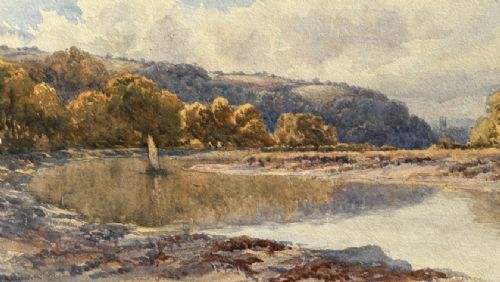
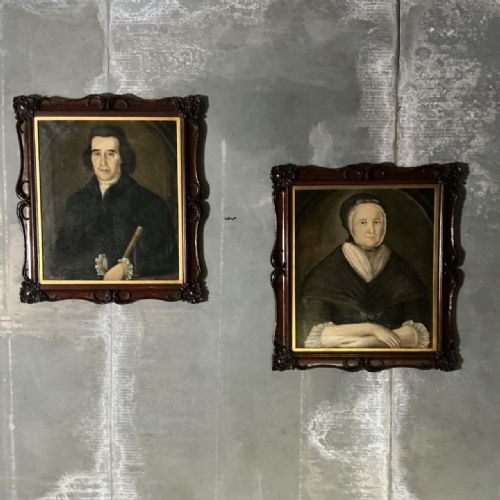
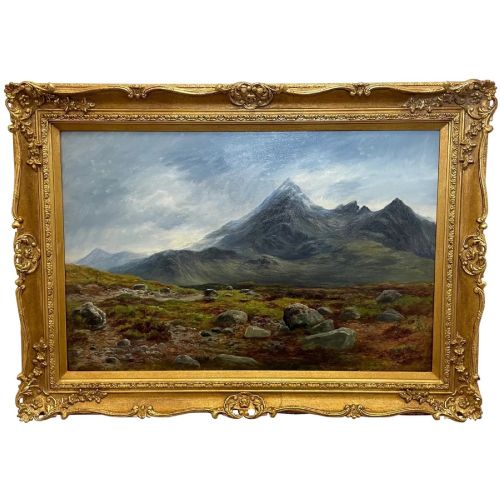
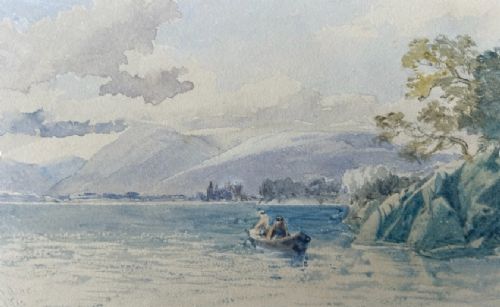
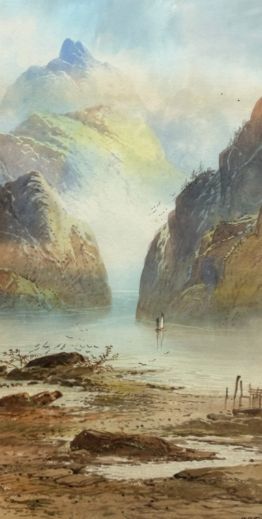
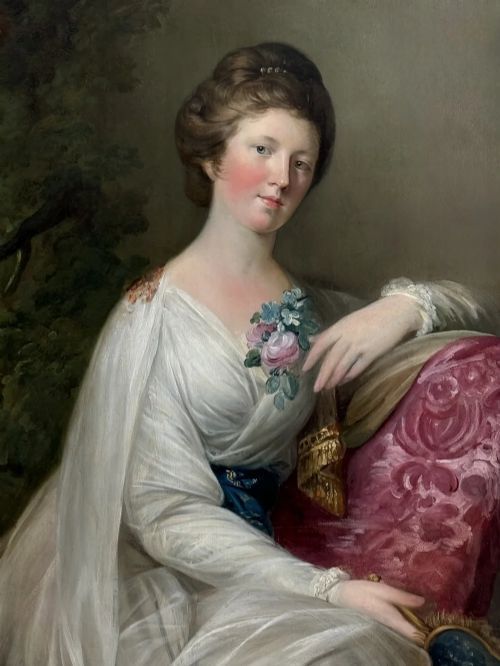
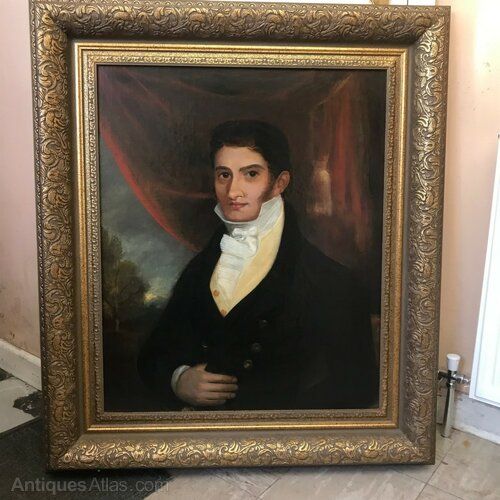
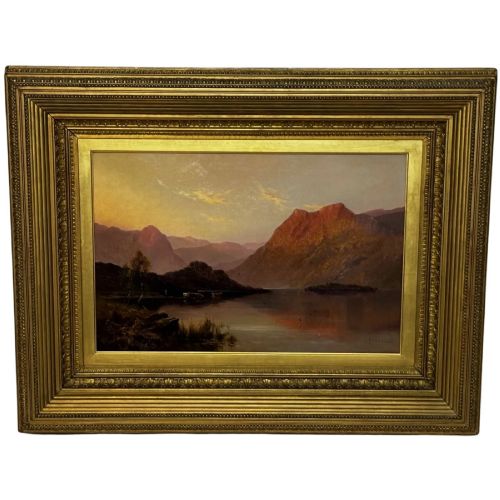
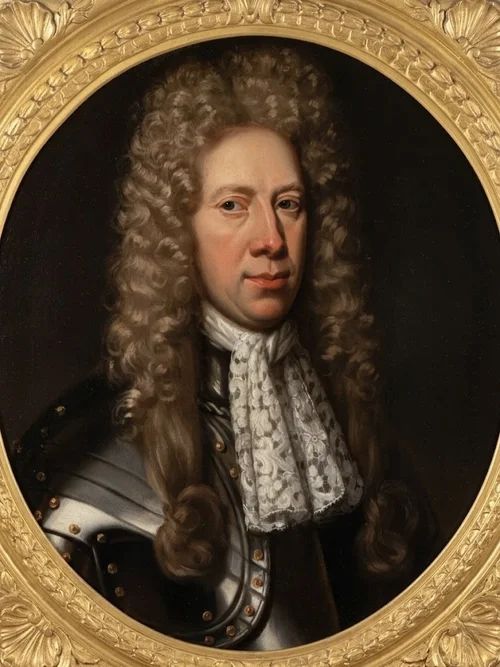
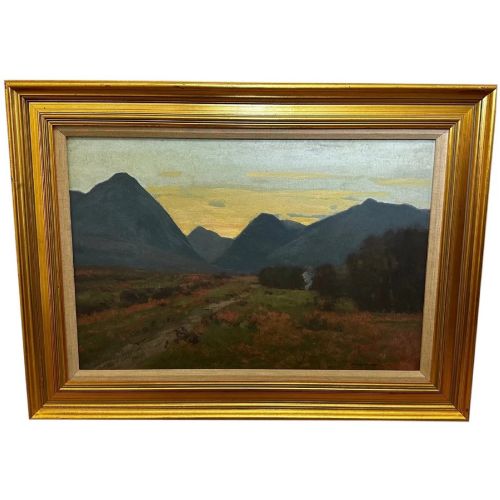
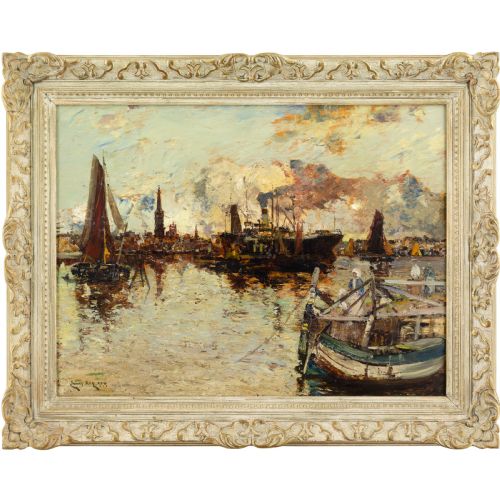
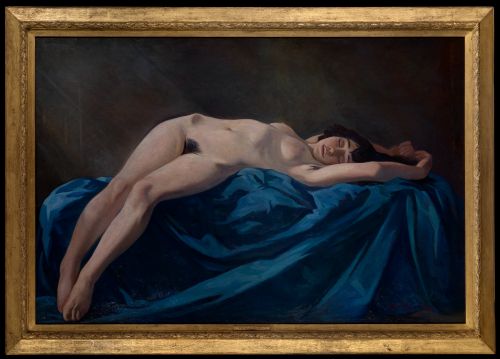
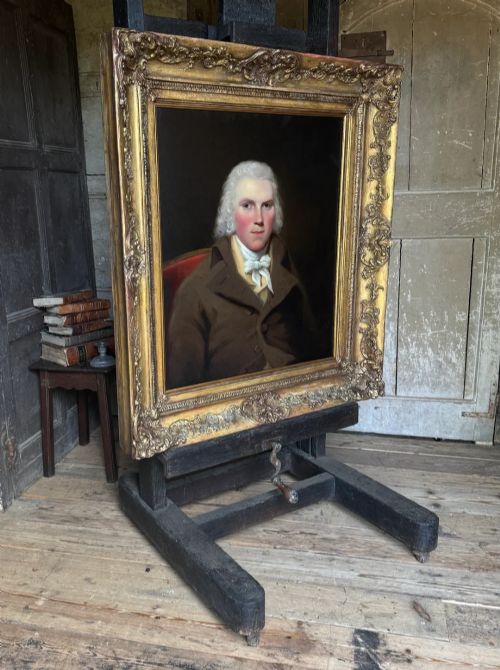
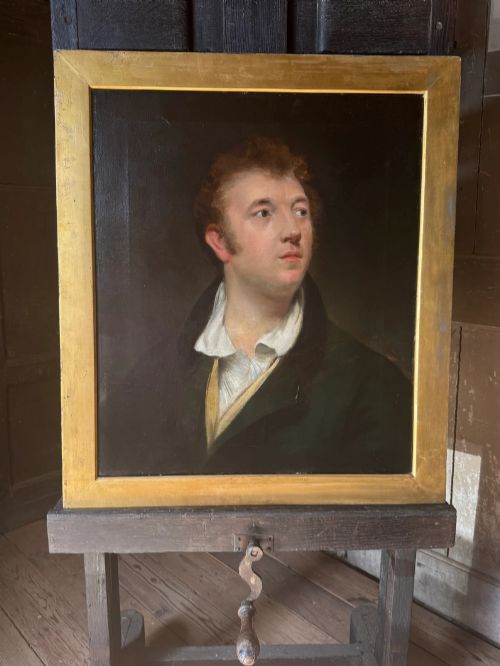
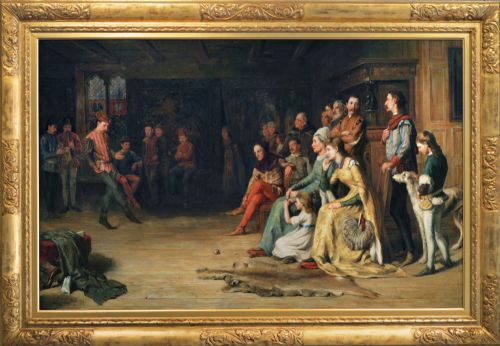
When searching for a framed scottish painting, a buyer encounters a diverse range of works spanning several centuries, from formal portraiture to expansive landscape views. The selection draws heavily upon nineteenth-century Victorian pieces and early twentieth-century creations, capturing everything from rugged Highland cattle to quiet domestic scenes.
Materials and Technique
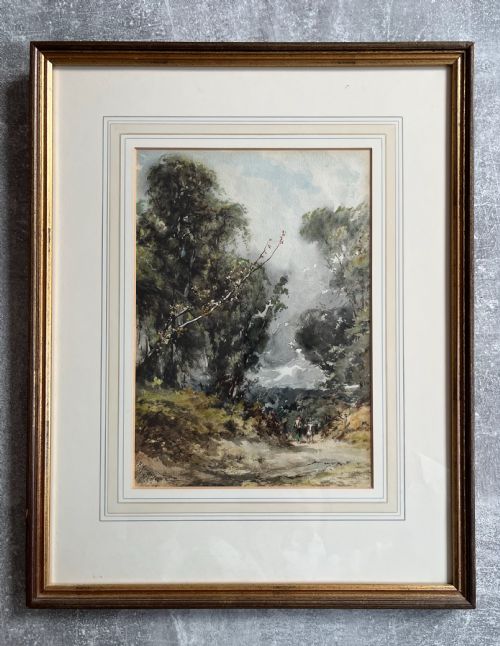
The physical construction of these works relies upon oil paint applied to canvas or board, alongside delicate watercolours laid down on paper. Supporting structures incorporate traditional timber frames, frequently finished in giltwood or plain wood to complement the imagery.
Techniques range from the loose, expressive brushwork found in later modern landscapes to the careful, minute detail required for eighteenth-century portrait miniatures and heraldic coach panels. The materials remain consistent with traditional European fine art practices of their respective eras.
Landscape views of Scottish lochs and Highland cattle form a substantial portion of the available nineteenth-century works.
Judging Quality
Quality in these works rests upon the confidence of the brushwork, the accuracy of perspective, and the liveliness with which the subject is rendered. A superior painting shows a strong command of light and atmosphere, particularly in landscape views where capturing the weather of the Highlands is paramount.
The integrity of the framing also plays a role in the overall standard, with original giltwood surrounds enhancing the piece. Works by listed artists or named practitioners generally display greater technical assurance in composition and colour handling.
William Beattie-Brown·George Fotherly Hargitt·Thomas Miles Richardson Jnr·William Henry Earp·George Willison·John Scougall·Alfred Fontville de Breanski·George Houston·James Kay·Eric Robertson·James Howe·James Hamilton·Donald McIntyre·John Lowrie Morrison·Henry H Parker·Robert Watson·George Watson·Joseph Farquharson·William Watson Jnr·Charles James McCall·Robert Cleminson·George Rankin·Douglas Cameron·Charles Leslie·William Watt Milne
The Framed Scottish Painting Glossary
- Giltwood
- Wood carved and coated with gold leaf or a gold-coloured finish. This material is common in nineteenth-century picture frames designed to reflect light onto the canvas.
- Watercolour painting
- A method where paints are made of pigments suspended in a water-based solution, typically applied to paper. It offers a translucent quality suited to delicate atmospheric effects.
- Oil on canvas
- Pigment mixed with drying oil applied to a stretched woven fabric surface. This combination provides rich colour depth and durability over centuries.
- Portrait miniature
- A small, highly detailed painting depicting a person, popular before the widespread use of photography. These works often feature meticulous facial rendering.
Framed Scottish Painting: Frequently Asked Questions
Are the frames original?
Many pieces retain their period wooden or giltwood frames, which match the estimated date of the artwork itself.
Examining the backboards and corner joints helps determine whether the framing dates to the creation of the painting.
How do I care for an oil painting?
Keep the canvas away from direct sunlight and damp environments to prevent the paint from cracking or the backing from warping.
Dust the surface gently with a soft, dry brush without applying moisture or cleaning solutions.
What is the difference between oil and watercolour?
Oil paintings utilise heavy pigments suspended in oil on canvas or board, creating thick layers of texture and deep colour.
Watercolours use a water-based medium on paper, requiring glass protection within the frame to prevent atmospheric damage.