



Blue Green Wall Hanging
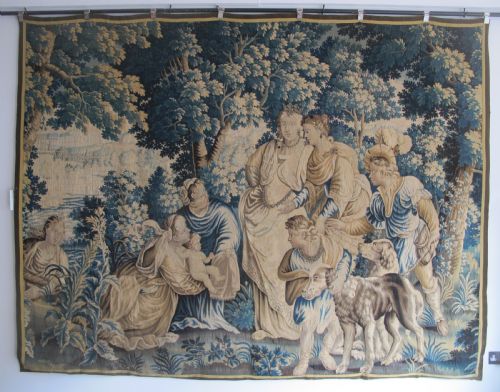
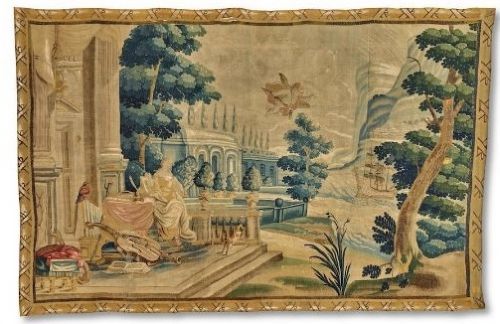
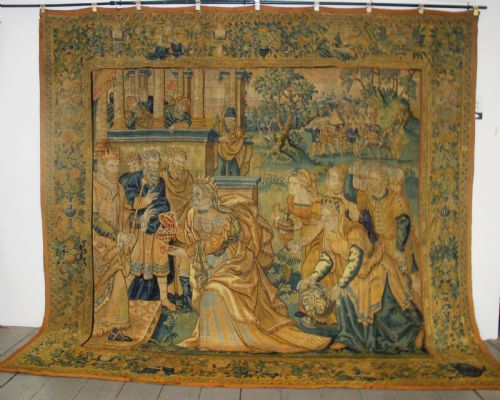
These blue green wall hanging pieces are antique tapestries woven with rich foliage and mythological scenes, bringing centuries of European textile art directly to your interior.
Blue Green Wall Hanging
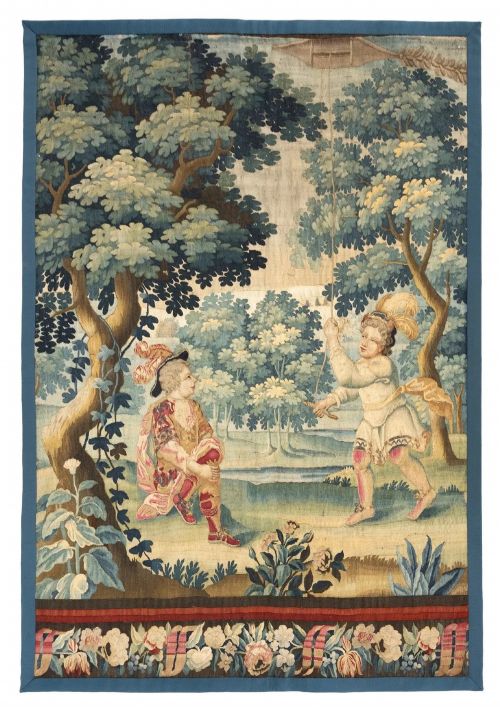
When you search for a blue green wall hanging, you encounter large woven textile panels dominated by verdant landscapes, mythological subjects, and biblical scenes. These pieces originate primarily from European weaving centres in Flanders and France, spanning from the sixteenth century through to the late nineteenth century.
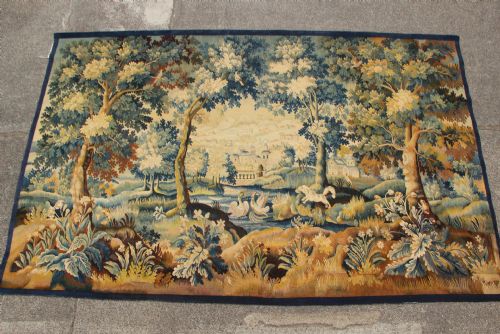
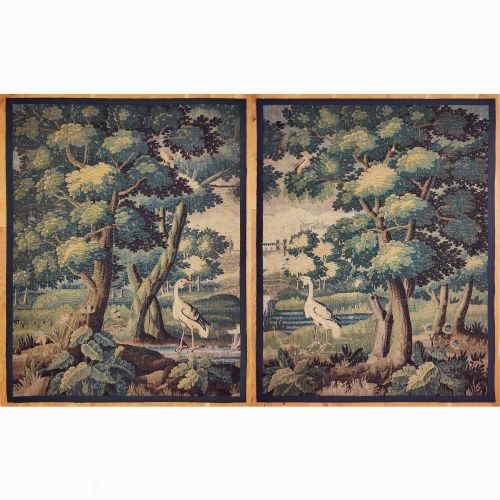
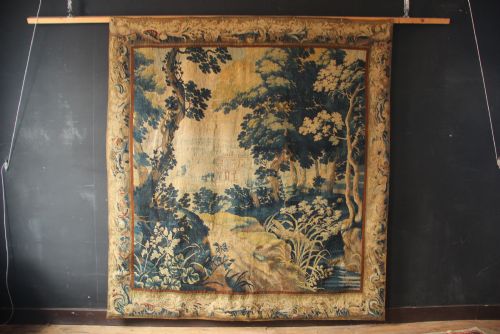
You are most likely to meet verdure tapestries on this page, which depict lush garden and woodland scenes filled with trees, foliage, and distant châteaux. These works frequently survive as grand scale panels or smaller fragments, reflecting centuries of interior decoration traditions across European homes.
How they were made
These textiles were produced using manual weaving techniques on looms, employing durable natural fibres including wool, silk, and linen. The combination of wool and silk threads allowed weavers to achieve subtle tonal gradations and textural depth within each composition.
The distinctive palette relies on natural dyes that aged into deep blues, greens, and earthy browns over the centuries. Skilled artisans built up the complex imagery of foliage, architecture, and figures thread by thread.
What varies in quality
The distinction between ordinary and exceptional examples lies in the density of the weave, the complexity of the narrative or landscape design, and the survival of the original colour palette. Finer panels display intricate botanical details and sophisticated perspective within the verdure or mythological subject matter.
Condition and completeness also determine the standing of a piece, separating intact grand scale works from fragmented panels. The finesse of the figure drawing and the harmonious balance of the blue and green tones dictate the visual power of the textile.
The Blue Green Wall Hanging Glossary
- Verdure
- A tapestry woven with a dominant theme of plant life, trees, and foliage, often featuring distant landscapes or animals. These scenes form the majority of surviving wall hangings from the seventeenth and eighteenth centuries.
- Aubusson
- A town in France renowned for producing high quality tapestries and carpets since the seventeenth century. Pieces from this region often depict pastoral or architectural motifs in refined colour palettes.
- Flemish
- Pertaining to Flanders, a historical region famous for master weavers who produced grand scale tapestries during the Renaissance and Baroque periods. These works are celebrated for their dense composition and narrative depth.
- Tapestry
- A form of textile art woven on a loom rather than embroidered, traditionally used to insulate stone walls and decorate grand interiors. They combine structural warp threads with decorative weft threads to form pictorial designs.
- Fragment
- A surviving portion of a larger historical tapestry, often mounted or preserved for display after the original piece was divided. Fragments retain the original weave and dyeing techniques of the parent work.
Blue Green Wall Hanging: Frequently Asked Questions
How do I hang an antique tapestry?
Large tapestries require even weight distribution, typically achieved by stitching a sturdy fabric sleeve to the reverse and sliding a concealed metal or wooden batten through it.
This method prevents the heavy wool and silk fibres from stretching or pulling unevenly under their own weight against the wall.
Where were these tapestries originally woven?
Production centred on major European textile hubs, particularly in Flemish towns like Audenarde and French centres such as Aubusson. Master workshops in these regions supplied decorative wall hangings to aristocratic and merchant residences.
Different weaving centres developed distinct aesthetic styles, ranging from dense Flemish verdure landscapes to lighter French pastoral compositions.
Can I clean an antique wall hanging?
Surface dust can be removed gently using a soft brush or low suction vacuum with a protective mesh screen placed over the textile.
Deep cleaning requires specialist textile conservators to prevent shrinkage, dye bleeding, or structural damage to the fragile historical threads.
How do I date an old tapestry?
Dating relies on stylistic analysis of the border designs, costume details of any figures present, and the specific weaving techniques recorded in the structure.
Comparisons with documented pieces from known periods such as the sixteenth, seventeenth, or eighteenth centuries help establish an approximate timeline of origin.