
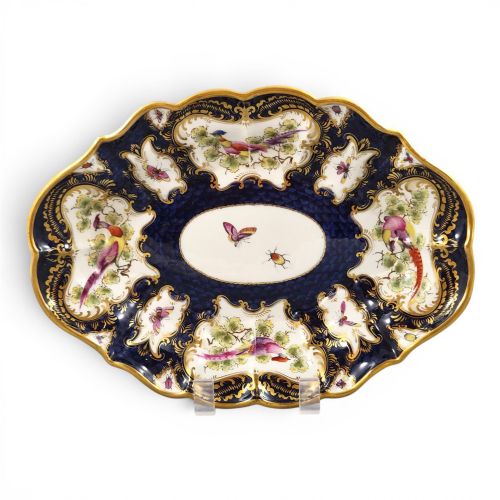


Blue Gold Porcelain Plate
When you search for a blue gold porcelain plate, you find pieces that combine cobalt grounds with rich metallic gilding for display or service.
Blue Gold Porcelain Plate
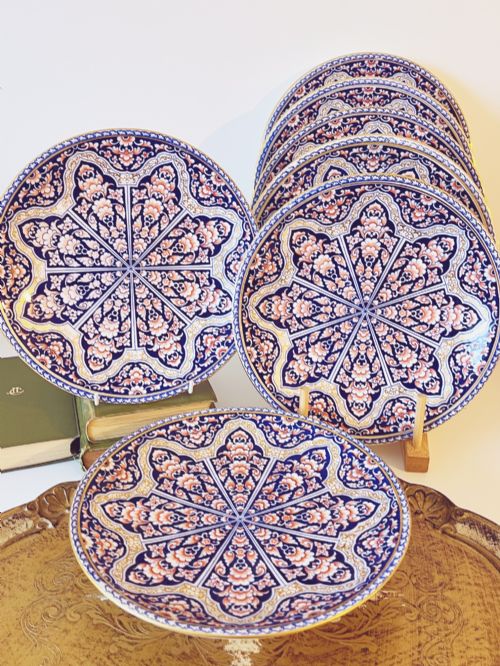
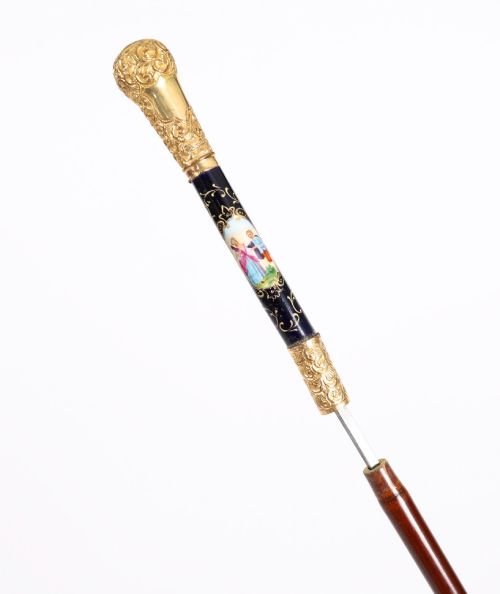
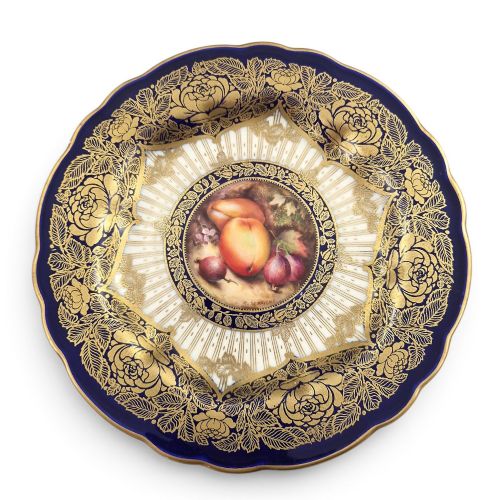
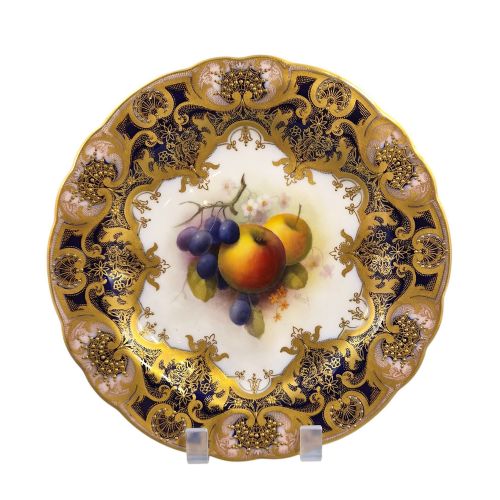
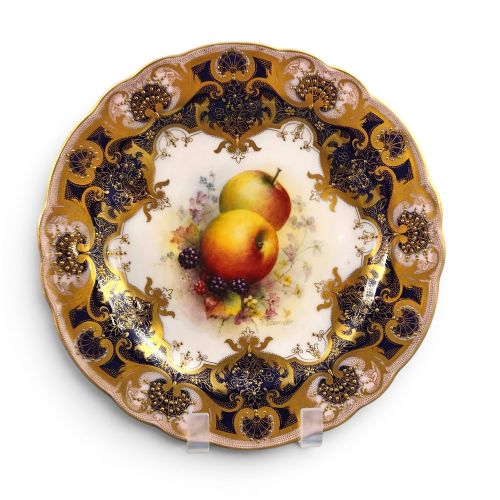
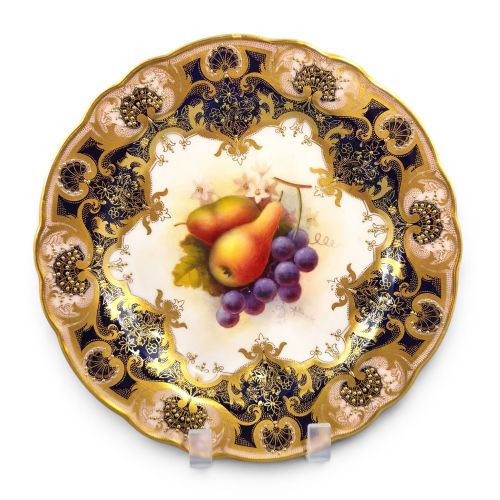
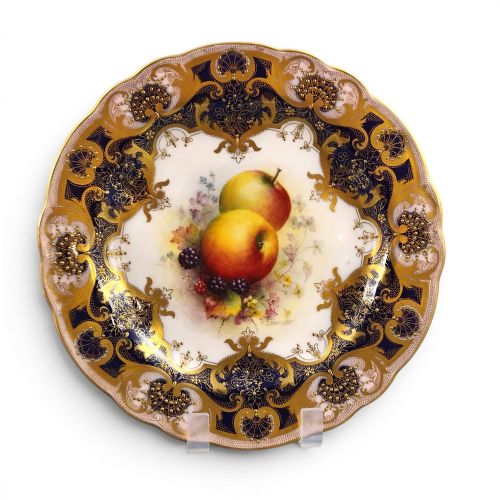
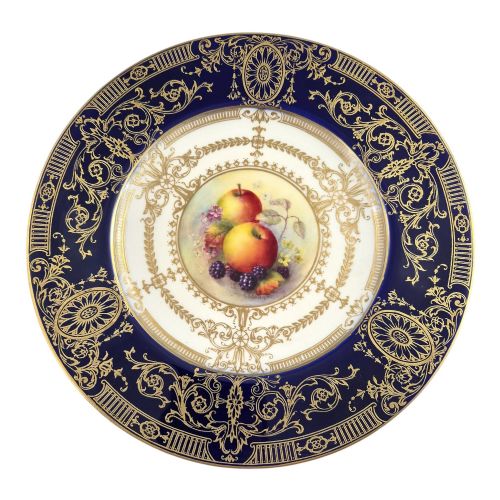
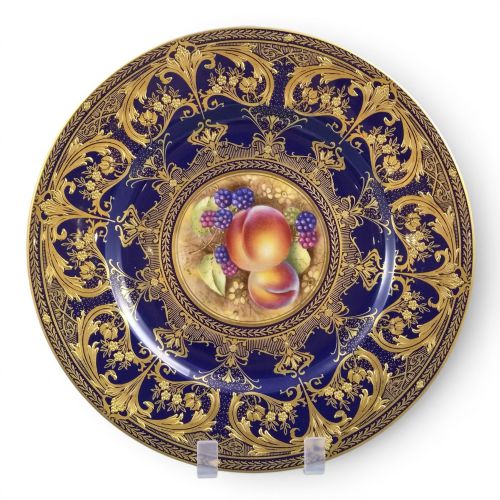
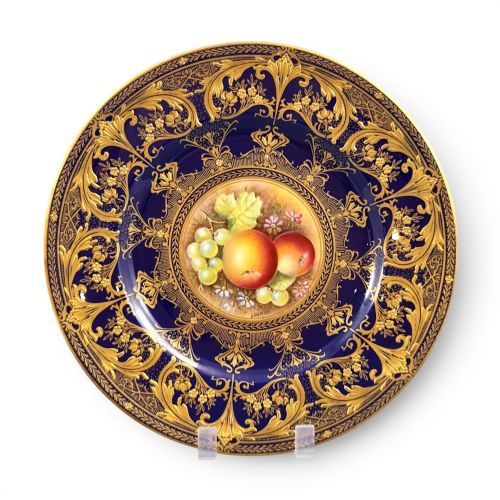
A blue gold porcelain plate is a ceramic vessel created for display or service, combining deep blue enamel grounds with metallic gilding. You will frequently encounter cabinet plates, decorative dishes, and dessert services originating from English and continental factories.
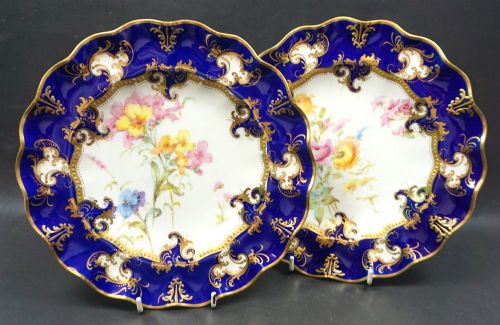
The selection ranges from eighteenth-century Worcester and Coalport pieces to nineteenth-century Sevres, Royal Vienna, and twentieth-century Royal Worcester productions. Forms span individual cabinet plates, pairs, and large matching sets intended for formal dining or drawing room display.
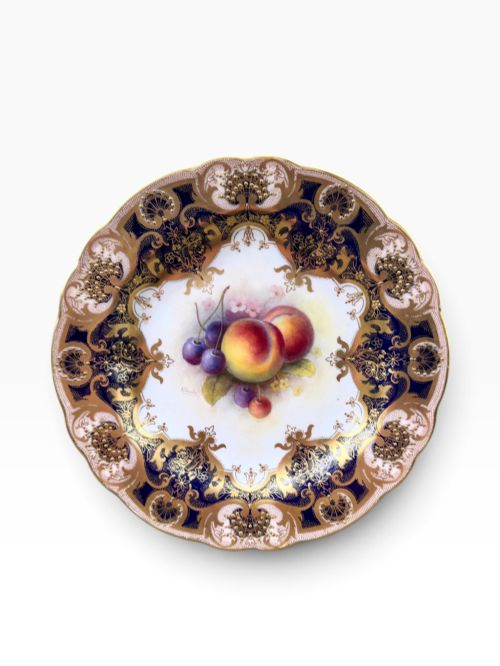
Makers utilised traditional porcelain and bone china bodies, decorating them with hand-painted botanicals, figurative scenes, and cobalt scales enriched with gold leaf or tooled gilt. These items bridge utilitarian dining ware and fine decorative art.
Materials and technique
Makers formed these pieces using porcelain and bone china bodies, fired at high temperatures before applying underglaze blue enamel and overglaze details. The combination of cobalt blue with gold leaf, gilding, or gold plate created strong visual contrast on flat and pierced surfaces.
Artisans applied hand-painted motifs, including fruit, florals, and historical scenes, often signing their work on painted cabinet plates. Gilding was layered and sometimes tooled to catch the light against the cobalt grounds.
Blue Gold Porcelain Plate Retail Price Guide 2026
Typical asking prices for blue gold porcelain plate among the pieces listed under this phrase on Sellingantiques today, from the lower quarter to the upper quarter. They describe what is for sale here now, not the wider market.
Listings feature porcelain, bone china, gold leaf, and gilding across periods spanning the eighteenth through the twentieth centuries.
Distinctions in quality
Quality rests in the execution of the hand-painted elements and the precision of the gilding. Skilled artists rendering botanical or figurative subjects command greater attention than standard transfer-printed patterns.
The weight of the porcelain body, the depth of the cobalt blue enamel, and the richness of the gold leaf or tooling separate standard production items from exhibition pieces produced by major factories.
Royal Crown Derby·Royal Worcester·Coalport·Sevres·Royal Vienna·Meissen·New Hall·Aynsley·Pucher Deroche
The Blue Gold Porcelain Plate Glossary
- Cabinet plate
- A decorative ceramic plate intended for display in a cabinet or on a wall rather than for everyday dining. These items often feature elaborate hand-painted scenes and rich gilding.
- Gilding
- The application of gold leaf, gold plate, or gold powder to the surface of porcelain. It provides metallic accents that highlight borders, rims, and central motifs.
- Cobalt blue
- A deep blue metallic oxide used as an underglaze or enamel colour on ceramics. It creates the dark blue grounds seen behind gilt decoration.
- Bone china
- A type of soft-paste porcelain containing bone ash, developed in England to improve durability and translucency. It forms the body of many nineteenth- and twentieth-century plates.
- Comport
- A raised dish or bowl used for serving fruit or sweets as part of a dessert service. It stands on a foot or pedestal above the table.
Blue Gold Porcelain Plate: Frequently Asked Questions
What is a blue gold porcelain plate used for?
These items served various purposes depending on their form, ranging from dessert service use in formal dining rooms to pure display within glazed cabinets. Collectors today primarily acquire them for decorative display on walls or stands.
Plates designed as part of larger dessert services were used for serving fruit, sweets, or confections after the main meal. Individual cabinet plates were made specifically to showcase fine painting and gilding techniques.
How do I identify the period of a plate?
Dating relies on factory backstamps, pattern numbers, and stylistic markers such as cobalt blue grounds or tooled gilding. Eighteenth-century pieces often feature distinct paste characteristics and hand-pencilled marks.
Nineteenth- and twentieth-century examples frequently bear printed factory ciphers, date codes, or artist signatures. Comparing the style of the hand-painted subject matter to known factory production periods helps narrow the date of manufacture.
Are these plates safe to use for dining?
Most antique cabinet and decorative plates are intended for display and collection rather than daily culinary use. Over time, friction and washing can wear away delicate overglaze gilding and hand-painted enamels.
Using older porcelain for serving food also risks damaging the ceramic body or crazing the glaze. Preservation involves keeping them on stable display stands or storing them safely in cabinets.
How should I care for a painted porcelain plate?
Care requires dusting gently with a soft, dry cloth and avoiding harsh chemical cleaners or abrasive materials. Displaying them out of direct sunlight prevents fading on hand-painted fruit and floral scenes.
If cleaning is necessary, hand washing in lukewarm water with mild soap is preferred over automated dishwashers. Ensuring the plate rests securely on a padded hanger or stand protects the edges from chips.