


Blue Glazed Porcelain Vase
A blue glazed porcelain vase brings deep cobalt and azure tones to a room, ranging from small Chinese cabinet pieces to monumental European lamps.
Blue Glazed Porcelain Vase
A blue glazed porcelain vase unites centuries of ceramic tradition across Asian and European workshops, encompassing forms from simple bottle necks to double-gourd silhouettes and lidded jars.
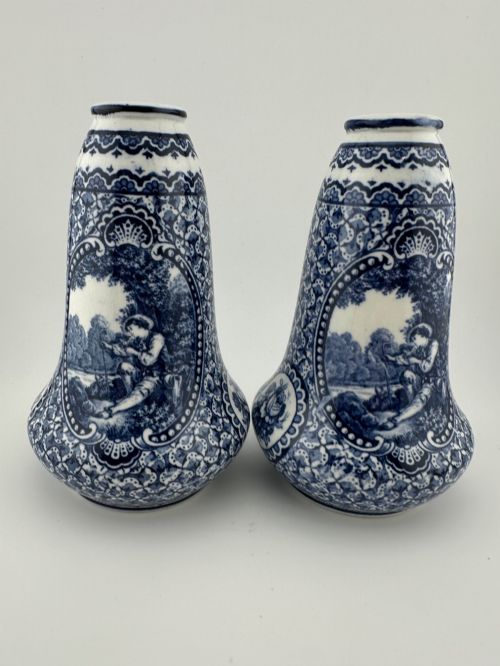
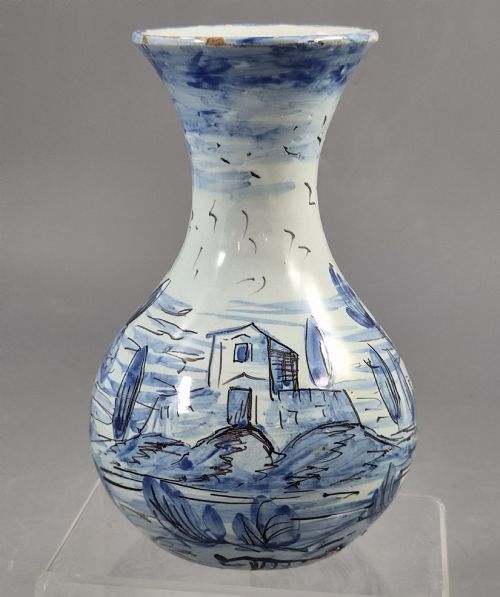
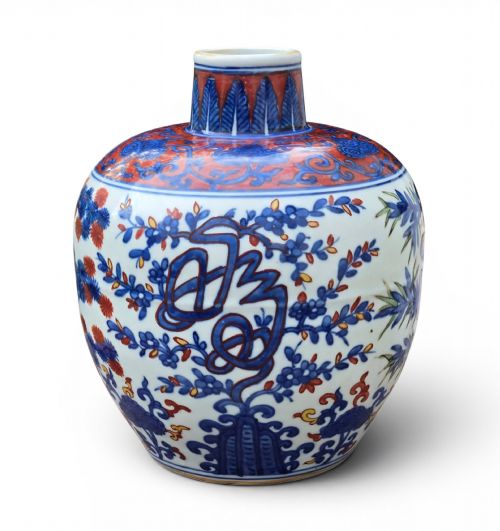
The pieces appearing on this page span the seventeenth century through to the Art Deco period, incorporating Chinese monochrome and underglaze blue wares alongside Dutch Delftware, French faience and Victorian British ceramics.
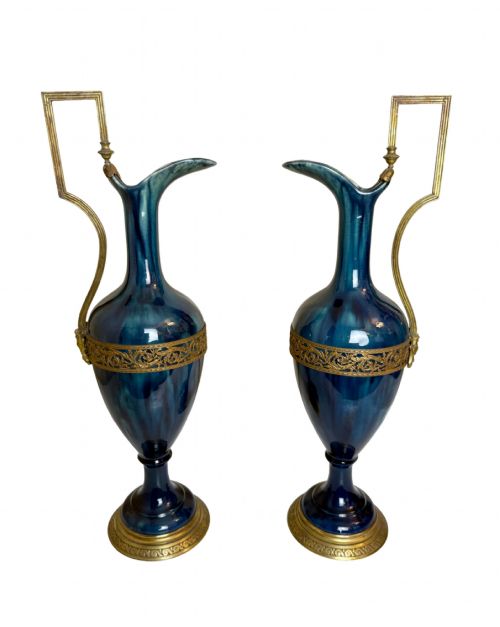
Many examples in this selection function as decorative vases, while others arrive adapted as table lamps or paired as decorative urns with gilt bronze mounts.
How they were made
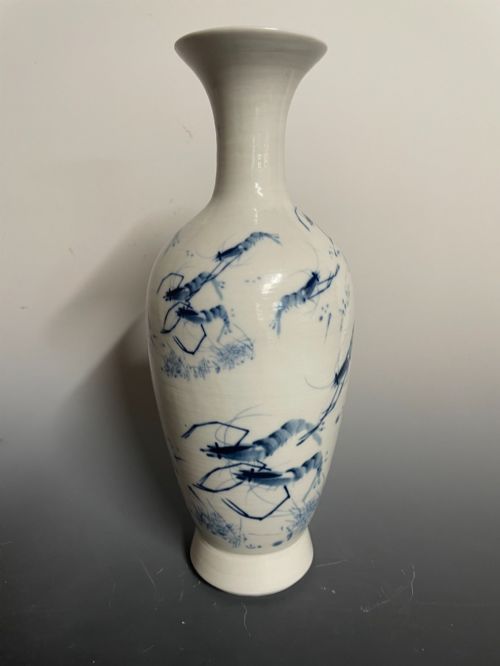
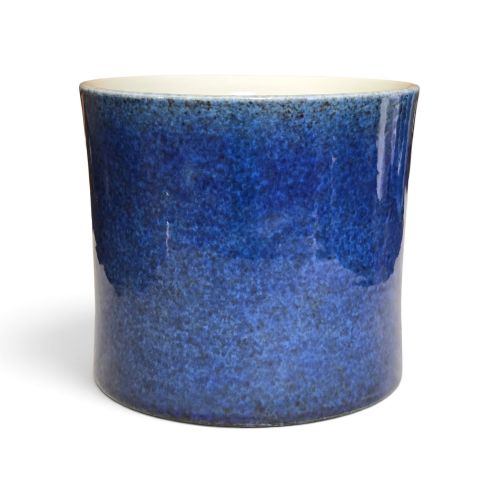
Makers shaped refined ceramic and porcelain bodies before applying cobalt glaze or tin-glazes, often achieving rich monochrome surfaces or painted cobalt decoration beneath a transparent glaze.
Advanced techniques included incised peony motifs, crackleware effects, moriage relief work and underglaze iron-red accents.
Selected European workshops completed their vessels with brass, ormolu and gilt bronze trims or converted the completed ceramic bodies into functional table lamps.
Some ducks painted on Falcon Ware manage to look permanently startled by the brilliance of their own cobalt surroundings.
What varies in quality
Quality rests upon the depth and control of the cobalt glaze, the precision of the thrown or moulded porcelain body, and the crispness of any incised or painted decoration.
European pieces with original ormolu, brass or gilt bronze mounts demonstrate higher craftsmanship when the metalwork integrates seamlessly with the ceramic form.
The historical significance of imperial marks, specific period attributions and the survival of matching pairs distinguish standard decorative items from finer collector examples.
Royal Bonn Franz Anton Mehlem·Cantagalli·Doulton·Falcon Ware·Wedgewood
The Blue Glazed Porcelain Vase Glossary
- Cobalt Glaze
- A deep blue ceramic colouring oxide applied beneath or over the glaze before firing. This mineral pigment produces the characteristic rich blue tones seen across centuries of Asian and European pottery.
- Crackelware
- A ceramic glaze intentionally characterised by a network of fine cracks or crazing across the surface. This textural effect occurs through differential cooling rates between the body and the glaze.
- Double-Gourd
- A traditional bottle form composed of two joined bulbous spheres resembling a segmented fruit. This auspicious shape appears frequently in Chinese porcelain production.
- Bitong
- A cylindrical Chinese brush pot utilised for holding scholar's writing implements. These open vessels often feature carved or glazed exterior surfaces.
- Faience
- European tin-glazed earthenware produced across France, Italy and the Netherlands. The opaque white glaze provides a smooth background for painted blue designs.
Blue Glazed Porcelain Vase: Frequently Asked Questions
How do I spot a converted lamp?
Examine the base and rim for drilled wiring holes or fitted metal collars that secure electrical hardware to the ceramic body.
Many period vases were adapted during the nineteenth and twentieth centuries to serve as functional table lamps.
What is the difference between porcelain and earthenware?
Porcelain is fired at much higher temperatures using refined kaolin clay, resulting in a dense, non-porous and sometimes translucent body.
Earthenware and tin-glazed pottery utilise coarser clays that remain opaque and require an impermeable glaze surface for liquid containment.
How do I care for antique ceramic vases?
Dust surfaces gently with a dry, soft cloth and avoid using chemical cleaning solutions that might harm historical glazes or gilt metal mounts.
Keep pieces away from direct sunlight and areas subject to sudden temperature fluctuations.
Are these pieces waterproof?
Older ceramics, particularly porous earthenware or items with historic hairline stabilization, are best kept dry rather than filled with water.
Utilise a discreet internal glass liner if you intend to display fresh cut flowers inside an antique vessel.