


Blue Glazed Planter
These blue glazed planter pieces bring centuries of ceramic artistry into your home, offering vibrant colour and timeless form for your indoor greenery.
Blue Glazed Planter
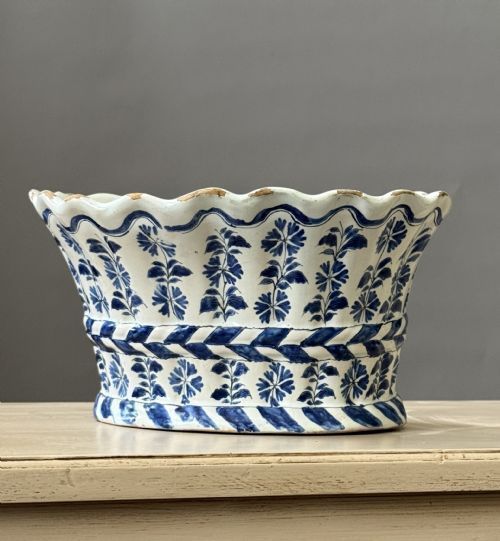
When you search for a blue glazed planter, you encounter a diverse array of vessels designed to house plants, spanning several centuries and stylistic traditions. The selection ranges from early Dutch and English delftware bough pots and garden urns to substantial Victorian and early twentieth-century stoneware jardinieres.
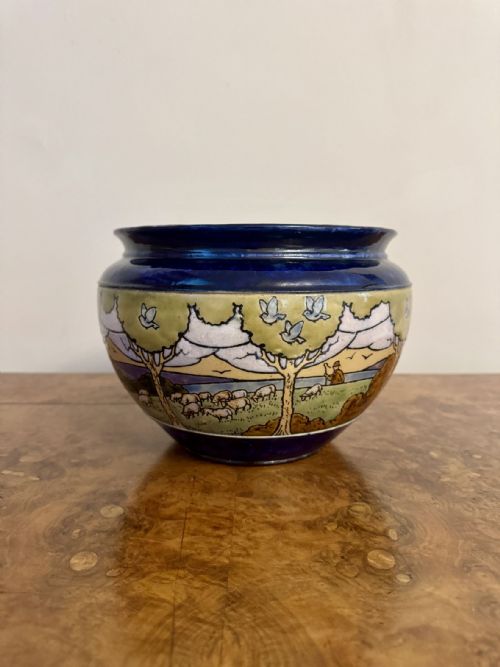
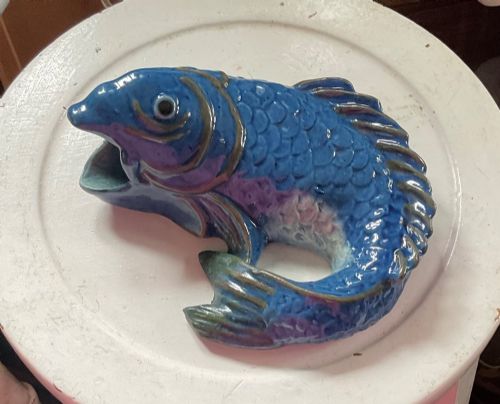
You are most likely to meet nineteenth-century English stoneware and earthenware pieces on this page, particularly those originating from prolific potteries such as Doulton. These vessels take various forms including jardinieres, wall pockets, and elaborate pots with matching stands, reflecting the varied domestic horticulture demands of their eras.
The aesthetic heritage draws heavily upon international influences, incorporating Chinese Qing dynasty designs alongside European delftware, majolica, and French country styles. Whether you examine an eighteenth-century Nevers faience pot or a late Victorian lustre glaze earthenware piece, each object demonstrates a distinct historical approach to holding plants.
Materials and Craftsmanship
Makers utilised earthenware, stoneware, and ceramic bodies as the structural foundation for these vessels, shaping them on the potter's wheel or casting them in moulds. The choice of body dictated the weight and durability of the finished planter, with stoneware offering robust utility while finer earthenwares allowed for intricate decorative moulding.
The defining characteristic across the pieces is the application of glaze, which encompasses tin-glaze, salt glaze, and lustrous chemical formulations. Potters achieved the characteristic blue colouration through metallic oxides fired at high temperatures, creating surfaces that range from opaque tin-glaze to translucent, pooling finishes.
Listings feature periods spanning from the eighteenth century through to the early twentieth century, utilising stoneware, earthenware, and tin-glaze.
Evaluating Quality and Execution
The distinction between ordinary production and superior craftsmanship lies in the execution of the glaze and the crispness of the modelled detail. Higher quality examples display even colour saturation, controlled pooling, and a harmonious relationship between the ceramic body and the surface chemistry.
Artistic attribution and provenance elevate certain pieces significantly, particularly those bearing the marks of notable ceramic artists or esteemed potteries. The precision of hand-painted motifs on delftware or the complexity of relief decoration in majolica and stoneware further separates standard utilitarian items from masterworks.
Royal Doulton·Doulton Lambeth·Doulton Burslem·Clement Massier·Minton·Royal Worcester·George Jones
The Blue Glazed Planter Glossary
- Jardiniere
- A decorative ceramic pot or stand designed to hold a plant or flower arrangement. These vessels often sit on matching pedestals or feature prominent handles.
- Majolica
- A type of earthenware coated with an opaque tin-glaze and painted with metallic oxide colours, popular for its vibrant palette and sculptural relief decoration.
- Stoneware
- A heavy, durable ceramic fired at high temperatures until vitrified, making it impermeable to water without needing a glaze, though glazes were often applied for decoration.
- Delftware
- Tin-glazed earthenware produced in the Netherlands and England, typically decorated with blue pigment on a white background, often drawing inspiration from imported Asian porcelain.
- Bough pot
- An ornamental vessel traditionally used for holding cut branches of flowers or greenery for interior decoration during specific seasons.
Blue Glazed Planter: Frequently Asked Questions
What is a jardiniere?
A jardiniere is simply a large ornamental pot designed to hold a living plant, typically displayed on the floor or a dedicated stand rather than a windowsill.
The term originates from the French word for gardener and became widely used in Britain during the nineteenth century for decorative indoor plant holders.
How do I care for antique planters?
Antique ceramic and stoneware planters require gentle cleaning with mild soap and water, avoiding harsh modern chemical abrasives that might damage historic glazes.
Because many older pieces are porous or lack modern drainage, it is best to place a plastic nursery pot inside them rather than planting directly into the historic vessel.
How can I tell delftware from later ceramics?
Delftware possesses a characteristic tin-glaze that has a slightly soft, opaque appearance and can sometimes show minor chipping around the rim where the softer earthenware body underneath is exposed.
Later stoneware and Victorian earthenware pieces are usually much harder, heavier, and feature more uniform industrial glaze applications without the characteristic glaze pooling of earlier hand-tinned wares.
Were these planters used outdoors?
Most of the domestic pieces on this page were intended for interior use in nineteenth-century drawing rooms and conservatories, where fragile earthenware and decorative tin-glaze would be protected from frost.
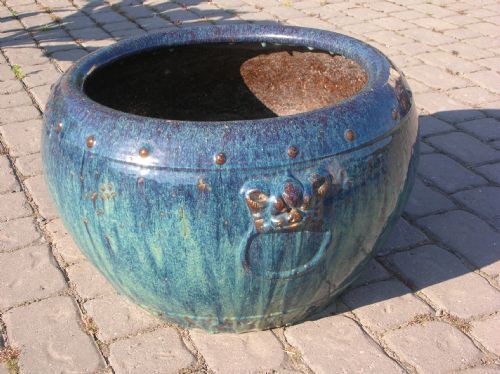
Heavier salt-glazed stoneware and large garden urns were robust enough for sheltered outdoor placement, though fragile majolica and lustre glazes were firmly kept inside.