


Blue Floral Serving Plate
A blue floral serving plate brings hand-painted colour and practical heft to the table, uniting centuries of ceramic craft in one bold dish.
Blue Floral Serving Plate
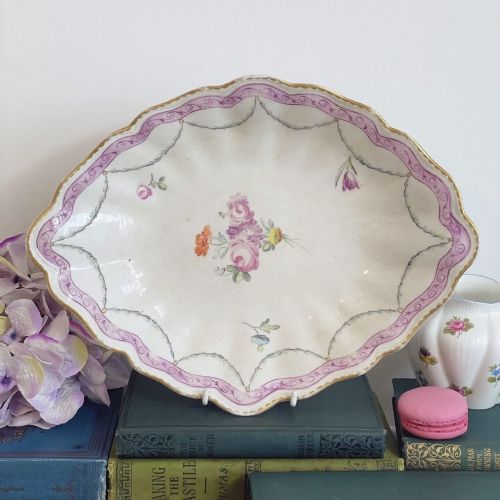
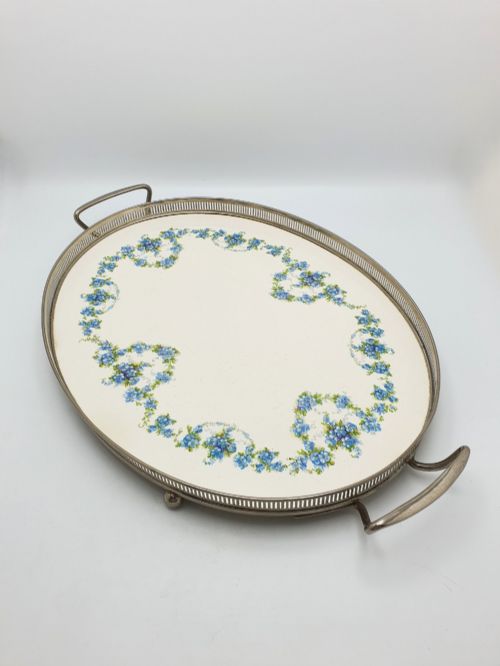
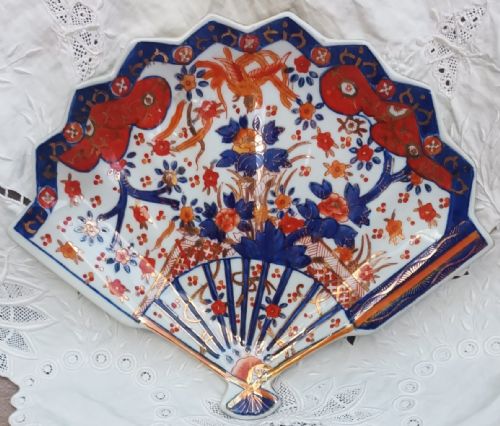
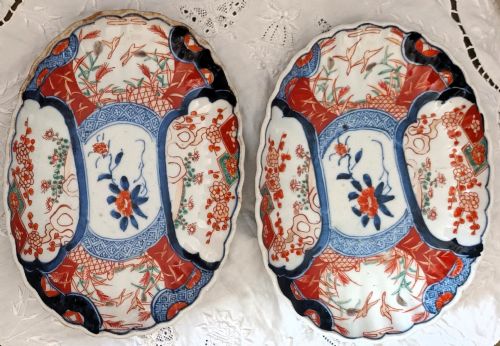
A blue floral serving plate encompasses large platters, chargers, meat plates, and oval serving trays designed for presentation at the table. These pieces range from Georgian earthenware and Victorian transferware to Japanese Imari porcelain and Delftware chargers.
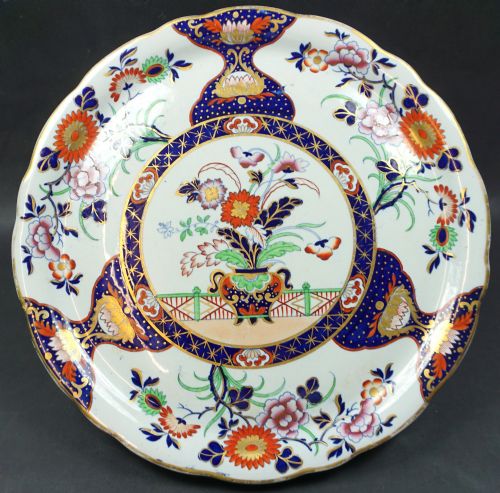
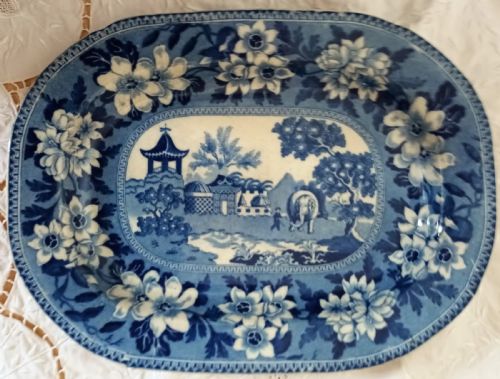
The version most commonly encountered on this page is the large transfer-printed earthenware meat platter or the hand-painted Japanese porcelain charger. These forms showcase botanical motifs, birds, and intricate blue centres developed across the eighteenth, nineteenth, and early twentieth centuries.
How they were made
Potters shaped these serving vessels from earthenware, ironstone, and porcelain, applying cobalt blue pigments directly beneath or over the glaze before high-temperature firing. Many English examples utilise transfer printing from engraved copper plates, while others feature hand-painted polychrome details and touches of gold leaf.
Japanese pieces from the Arita and Meiji periods rely on traditional underglaze blue and overglaze enamel techniques on porcelain bodies. European makers such as Coalport, Mason's, and Staffordshire potteries combined durable ceramic bodies with rich decorative borders.
The selection includes English transfer-printed meat platters, Staffordshire blue and white wares, and Japanese Imari porcelain chargers.
What varies in quality
Quality rests in the crispness of the transfer print or the dexterity of the brushwork in the floral centre. Superior pieces display deep, even cobalt tones without blurring, alongside well-balanced potting and clean foot rims.
The prestige of the pottery or workshop and the complexity of the pattern dictate the upper tier of the range. Earlier eighteenth-century examples and finely preserved Meiji chargers show greater artistic ambition in their execution than standard utilitarian wares.
John Rogers and Son·Hicks and Meigh·Elkin Knight and Bridgwood·Coalport
The Blue Floral Serving Plate Glossary
- Charger
- A large decorative plate or platter, often displayed on a wall or sideboard rather than used for everyday dining. These wide vessels provide a large canvas for elaborate floral and bird patterns.
- Transfer printing
- A decoration technique where an engraved copper plate transfers a design onto tissue paper, which is then pressed onto the ceramic body. This method allowed intricate blue patterns to be replicated consistently across large meat platters.
- Ironstone
- A dense, durable type of earthenware patented in the nineteenth century to rival true porcelain. It forms heavy, robust serving dishes capable of withstanding regular use.
- Imari
- A style of Japanese porcelain featuring a palette of underglaze blue, iron red, and gilt highlights. These plates typically display dense floral and botanical arrangements.
- Ashet
- A Scottish term for a large meat platter or serving dish placed in the centre of the table. These sturdy vessels accommodated substantial joints of meat.
Blue Floral Serving Plate: Frequently Asked Questions
Can I use an antique serving plate for food?
Most of these ceramic and porcelain platters are robust enough to serve food, though older earthenware can craze and absorb liquids over time.
Hand washing in warm water keeps the glaze and any delicate enamel or gilding intact, avoiding modern dishwashers entirely.
What is the difference between earthenware and ironstone?
Earthenware is a porous, lower-fired ceramic that requires a protective glaze to hold liquids, typical of many eighteenth-century plates.
Ironstone is a heavier, vitrified refined earthenware developed in the nineteenth century for superior strength and durability.
How do I date a blue and white transfer platter?
Potters' marks on the underside, style of the border, and registration numbers or crown stamps provide the most reliable clues to a piece's origin.
Stylistic shifts from Georgian neoclassical borders to Victorian aesthetic patterns help narrow the decade of manufacture.