


Blue Floral Rug
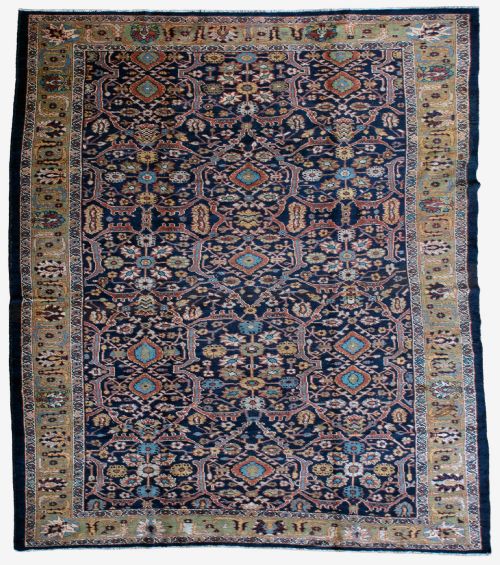
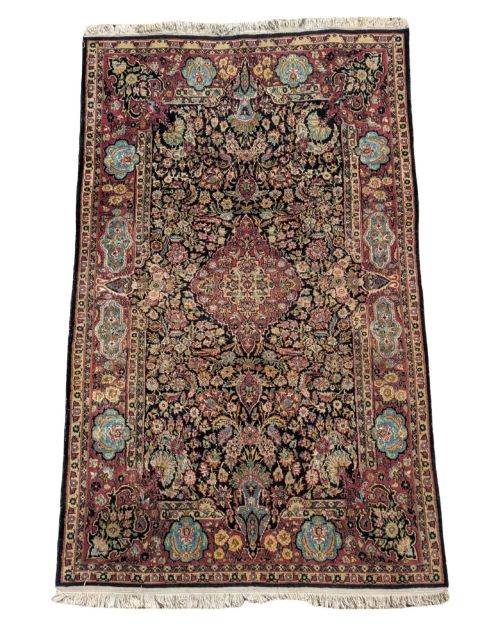
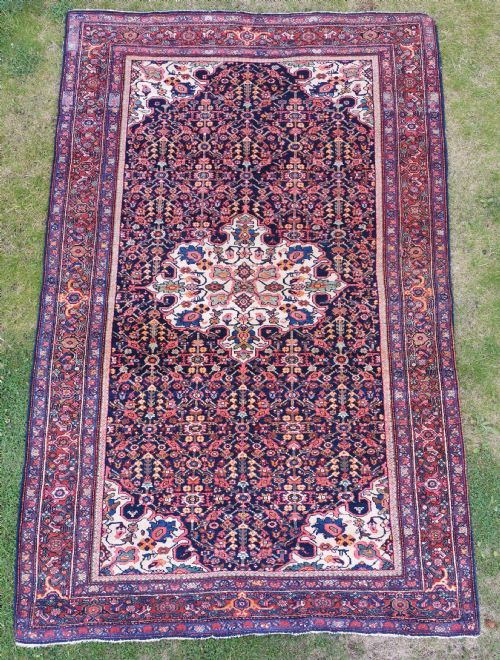
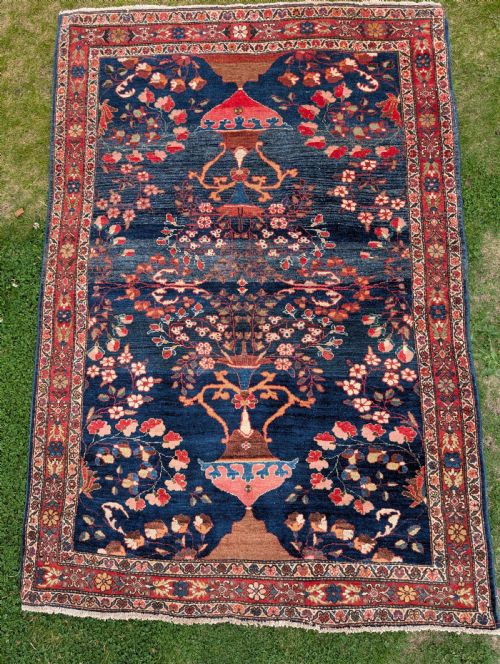
A blue floral rug brings deep indigo dyes and botanical motifs into a room, grounding the floor with traditional Persian and regional craftsmanship.
Blue Floral Rug
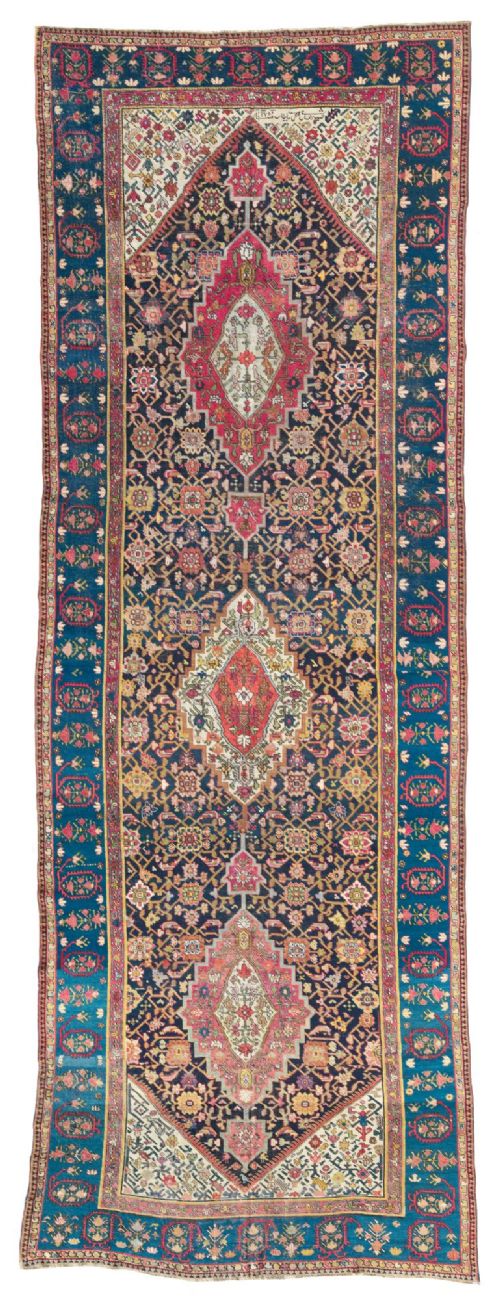
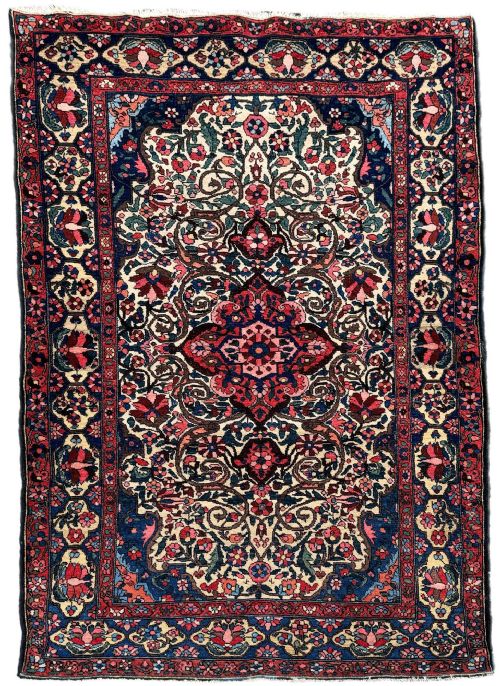
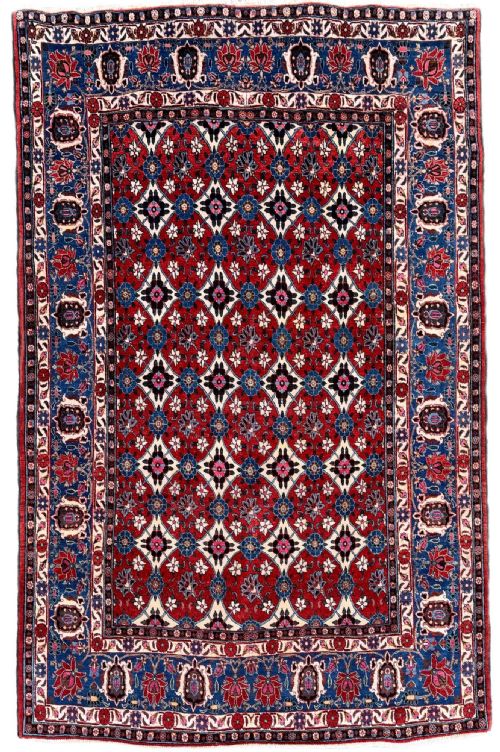
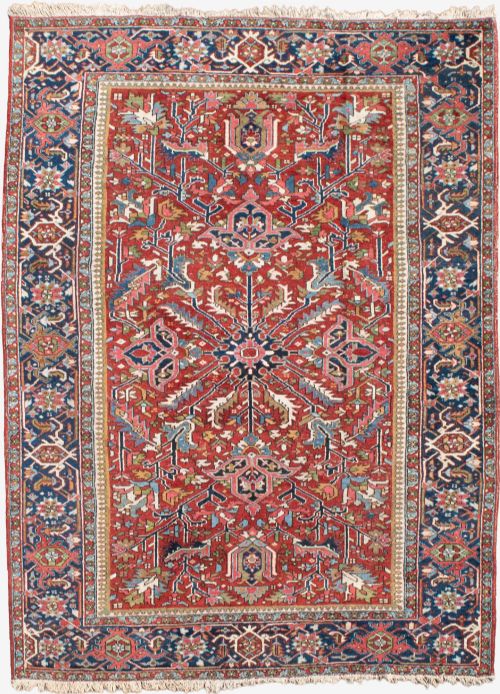
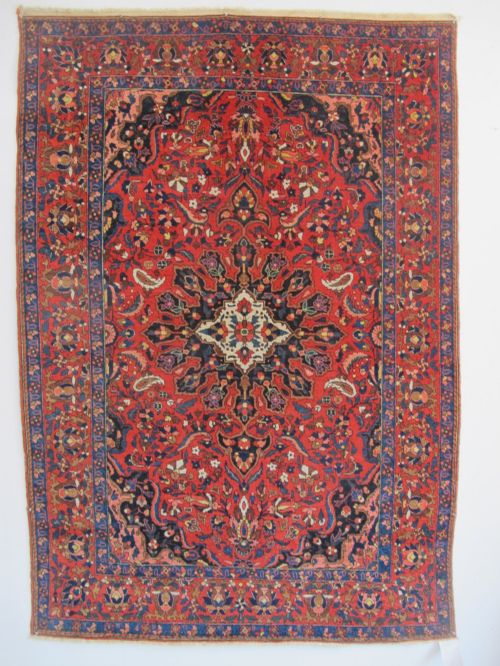
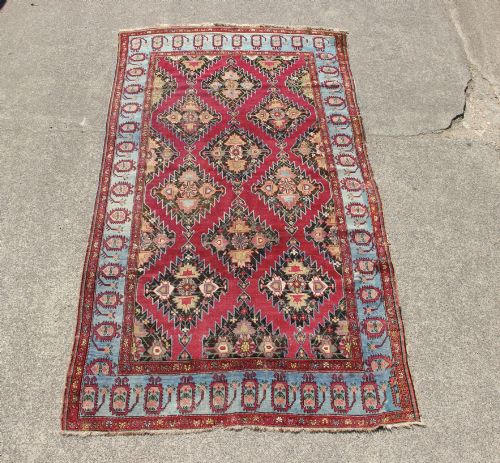
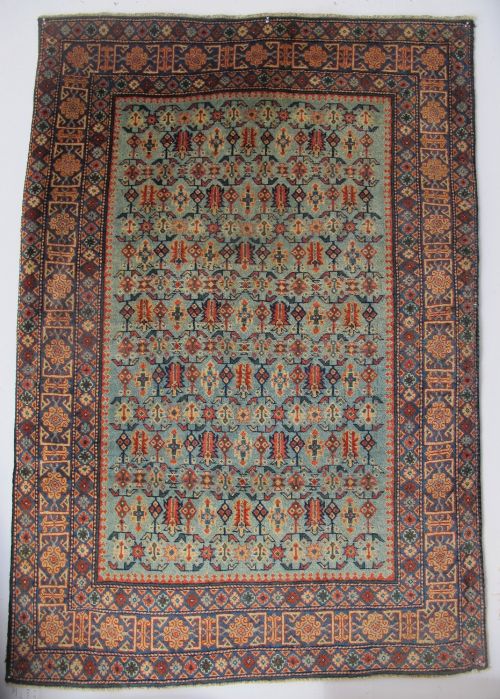
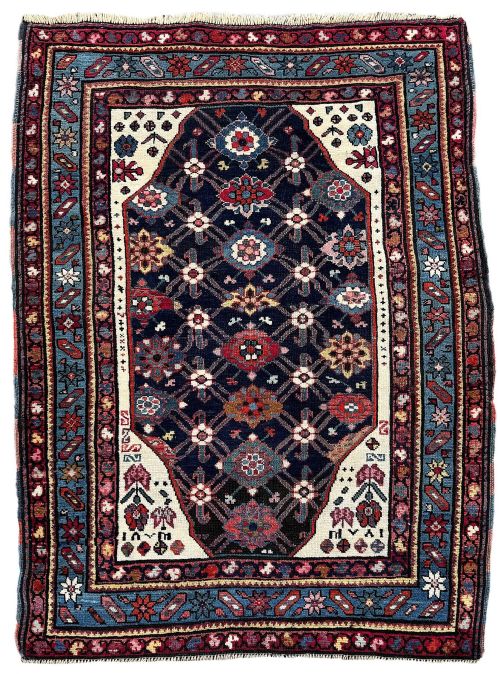
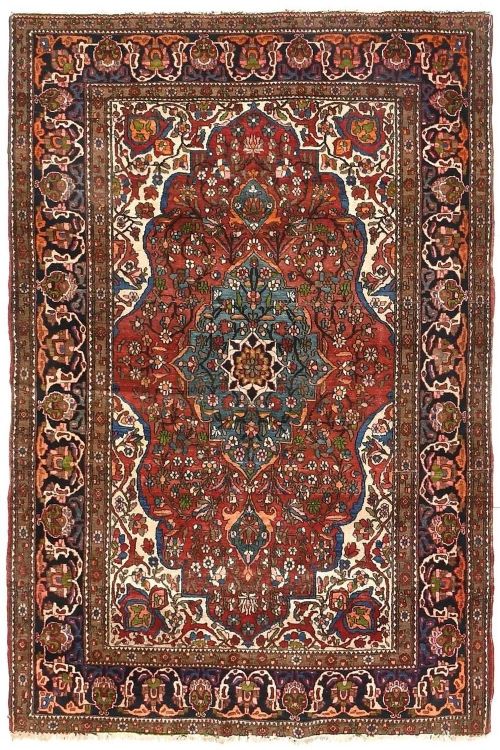
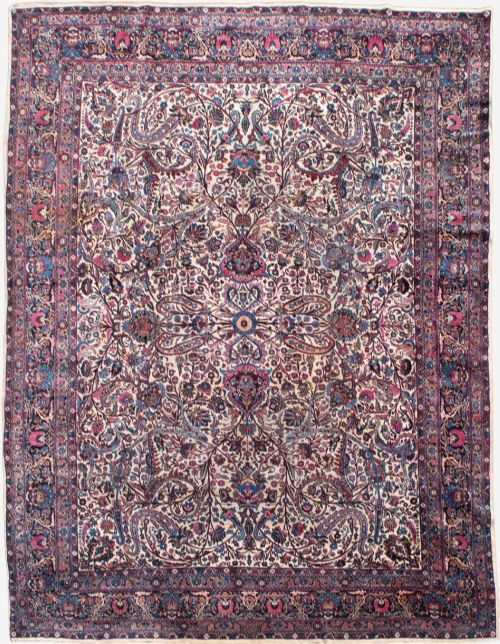
A blue floral rug encompasses hand-knotted and woven floor coverings originating primarily from Persian weaving centres, alongside Caucasian and Turkish traditions. These textiles range from small area formats to room-sized carpets and long runners, spanning the late nineteenth and early twentieth centuries. Buyers seeking a blue floral rug will encounter named regional types such as Bakhtiar, Heriz, Kashan, and Kirman.
The aesthetic centres on floral sprays, vines, and medallions set against fields of indigo, sapphire, and pale blue wool or cotton. Workshops across different districts adapted these botanical themes with distinct local geometry, producing everything from large palace carpets to compact village rugs. Each piece reflects the specific weaving grammar of its origin, whether the bold abstraction of a Heriz or the refined curves of a Kashan.
How they were made
Weavers constructed these textiles predominantly using wool pile on cotton foundations, occasionally incorporating silk highlights to accentuate particular floral details in the design. Hand-spinning imparted natural variations in the texture and dye absorption of the wool, allowing indigo and other botanical colours to weather gracefully over decades. Warp and weft threads were tightly beaten together on vertical looms, creating a dense, durable structure designed to withstand heavy foot traffic.
Certain examples utilise needlepoint or chain stitch techniques on canvas or cotton backings rather than traditional pile knotting, particularly those originating from Kashmir or Portuguese traditions. Natural dye stuffs provided the deep blues, madder reds, and soft neutrals that define the palette of these antique floor coverings. The structural integrity depends on the tightness of the knotting and the quality of the spinning, which together determine how the textile holds its shape.
Blue Floral Rug Retail Price Guide 2026
Typical asking prices for blue floral rug among the pieces listed under this phrase on Sellingantiques today, from the lower quarter to the upper quarter. They describe what is for sale here now, not the wider market.
Some carpets travelled across continents in sailing ships before ever feeling the weight of a Victorian piano.
What varies in quality
Quality rests in the precision of the drawing and the clarity of the botanical motifs across the field. Superior examples display crisp lines in the floral scrolls and a balanced distribution of secondary colours against the blue ground, whereas lesser pieces suffer from crowded borders or clumsy execution in the corners. The handle of the rug - its weight, pliability, and the density of the pile - indicates the care taken by the weaver during production.
The choice of materials also divides the range, with fine glossy wool and occasional silk highlights marking the upper tiers of production. Dyes that have aged with harmonious tonal shifts contribute to visual depth, while stiff foundations or harsh synthetic tones lower the aesthetic success of the textile. A successful composition balances the dominant blue field with secondary hues in the floral elements without appearing muddy or overly busy.
The Blue Floral Rug Glossary
- Kelleh
- A rectangular carpet format that is significantly longer than it is wide, often used in long corridors or narrow rooms.
- Medallion
- A central ornamental motif, typically oval or polygonal, placed in the middle of the rug field as a focal point.
- Warp
- The vertical foundation threads stretched lengthwise on the loom, onto which the knots are tied.
- Weft
- The horizontal threads passed across the warp threads after each row of knots to secure the pile in place.
- Pile
- The cut ends of the yarn that form the usable surface of the rug, created by tying individual knots around the warp.
Blue Floral Rug: Frequently Asked Questions
How do I clean a wool rug?
Professional dusting and specialist low-moisture washing remain the safest methods for antique textiles. Harsh household detergents strip natural lanolin from the wool and damage the foundation threads.
Regular gentle vacuuming without a rotating brush bar prevents dirt from settling deep into the pile. Keeping the rug out of direct, harsh sunlight prevents the indigo and floral dyes from fading unevenly.
Can I place these rugs in high traffic areas?
Dense wool construction allows many of these nineteenth and early twentieth century textiles to handle regular foot traffic in living rooms and halls. Placing a quality underlay beneath the rug prevents sliding and cushions the foundation against hard floors.
Delicate pieces featuring silk highlights or needlepoint construction benefit from placement in quieter rooms like studies or bedrooms to minimise wear.
How do I identify regional rug styles?
Regional attribution relies on examining the specific drawing style of the floral motifs, the border arrangements, and the colour palette. For instance, Heriz carpets often feature geometric medallions and bold corner pieces, whereas Kashan rugs display curved, curvilinear floral sprays.
Material choices, such as the distinct blue hues and knotting density, also help separate pieces originating from Bakhtiar, Kirman, or Karabagh workshops.
Why do antique rugs show colour variations?
Hand-spun wool absorbs natural dyes unevenly across different dye lots, creating subtle tonal shifts known as abrash across the field. These natural variations are a mark of traditional dyeing techniques using plant and insect extracts rather than uniform chemical compounds.
Exposure to light over generations also contributes to the gentle softening of deep indigo and floral tones, adding character to the textile.