

Blue Delftware Plate
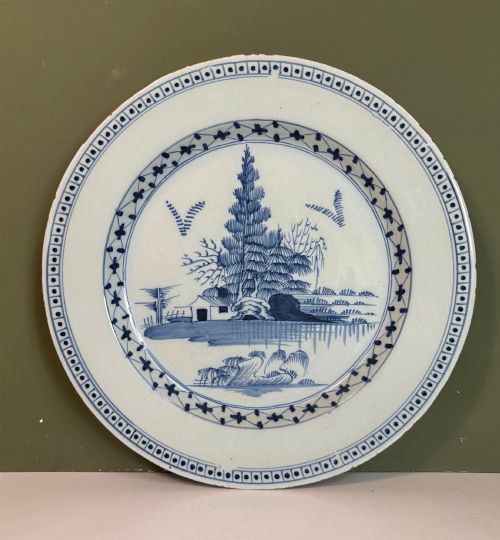
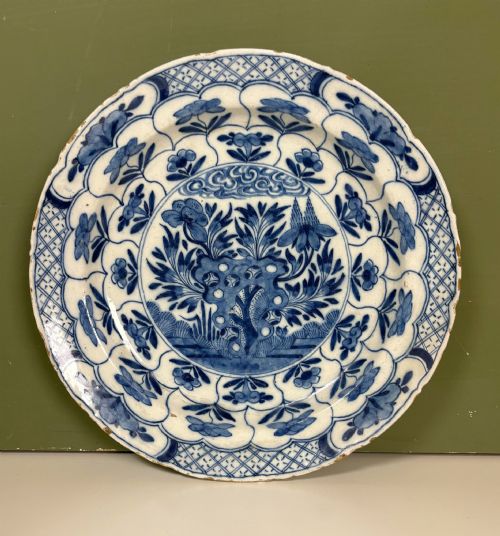
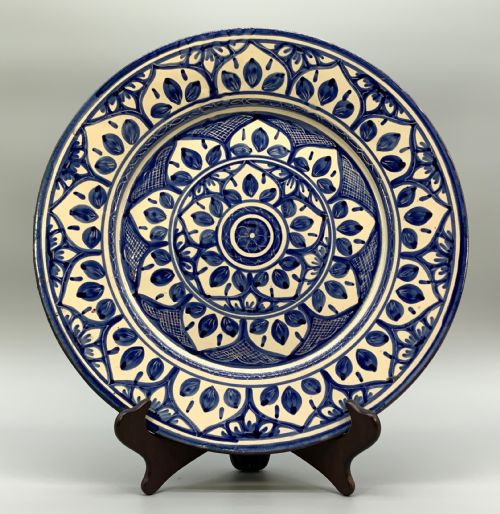
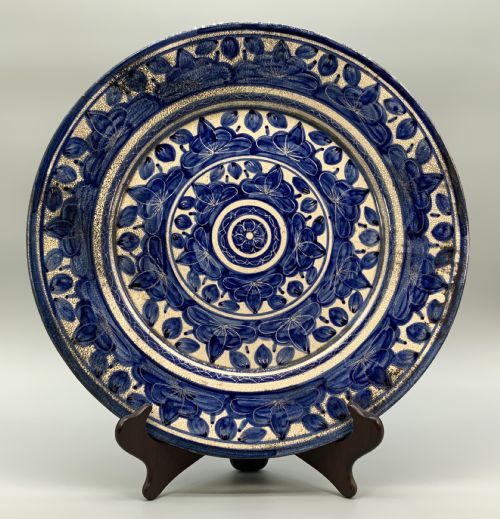
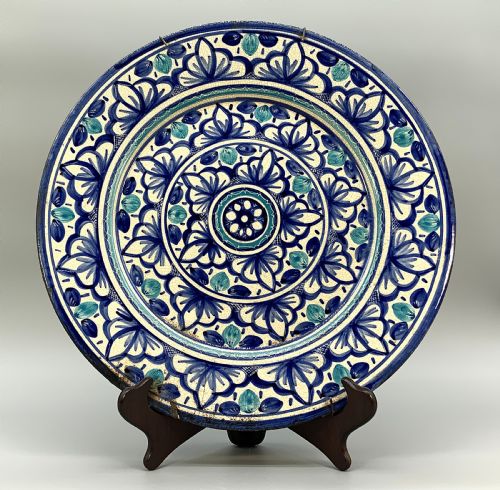
A blue delftware plate brings centuries of tin-glazed earthenware into the home, prized for hand-painted blue and white pigment.
Blue Delftware Plate
When you search for a blue delftware plate, you enter a field of ceramic dishes and chargers spanning from the seventeenth century through to the nineteenth century, with examples originating from England, Holland, and continental workshops.
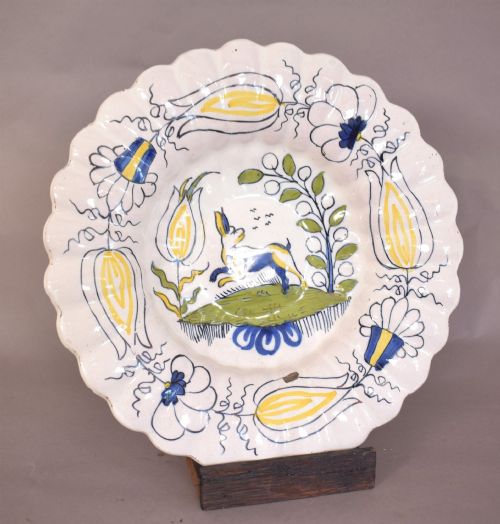
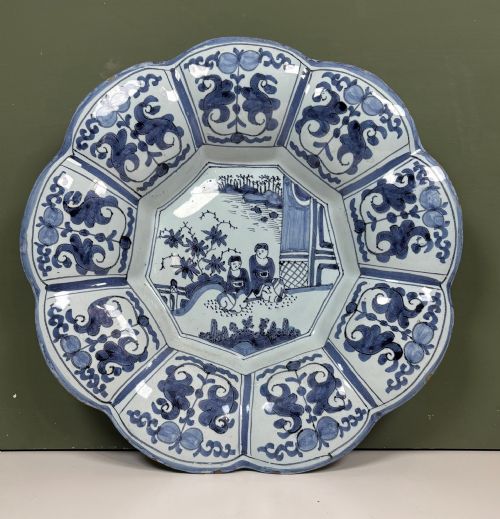
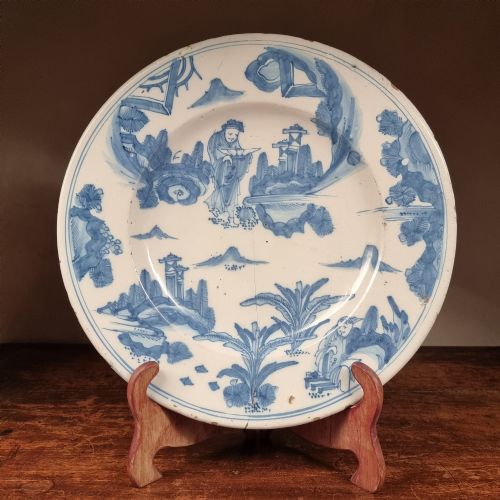
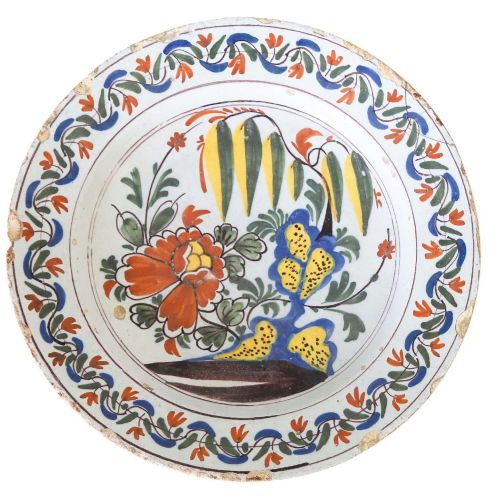
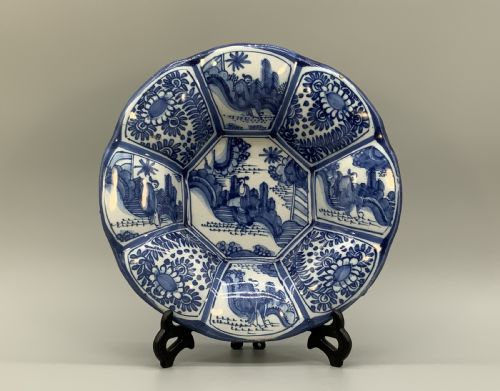
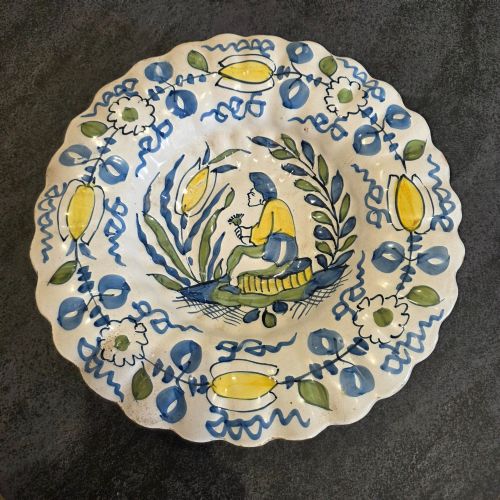
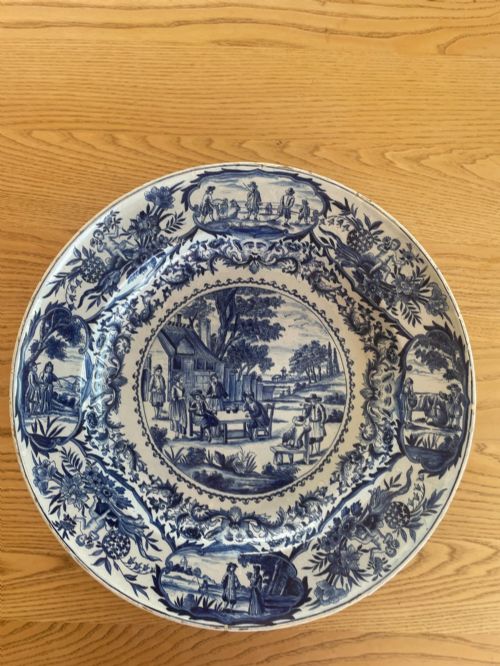
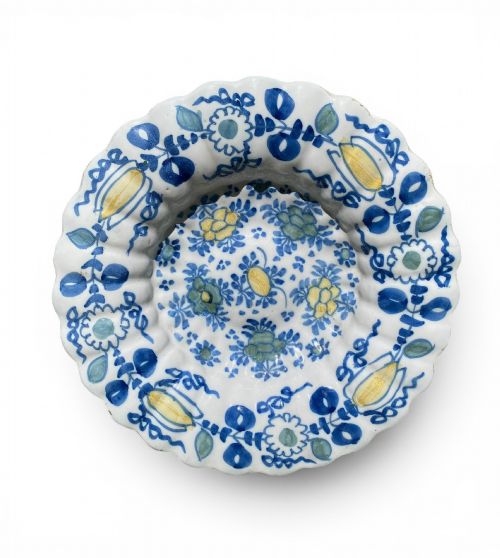
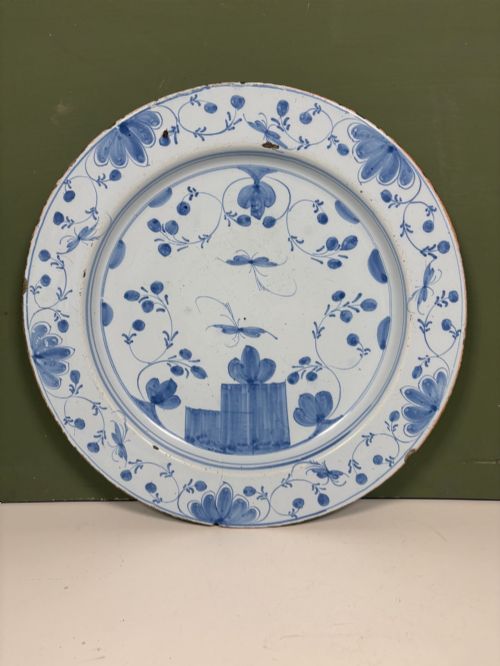
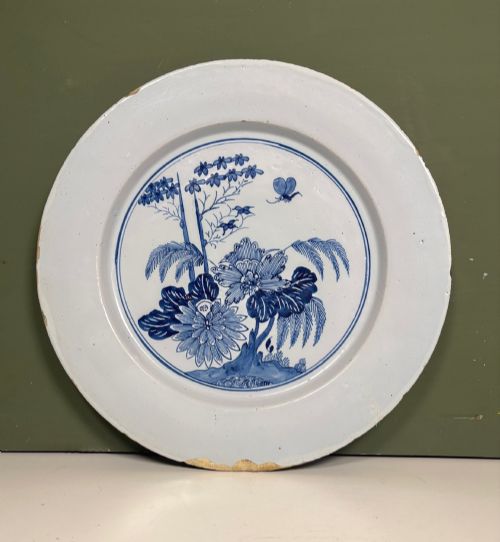
The most common pieces on this page are eighteenth-century chargers and plates displaying traditional blue and white painting, alongside seventeenth-century lobed dishes and later nineteenth-century interpretations.
Forms range from shallow bowls and standard plates to large decorative chargers, incorporating styles such as Dutch Baroque, Kraak, and Georgian Chinoiserie.
How They Were Made
These pieces are built from earthenware covered in an opaque tin glaze, which provides a smooth white background for subsequent decoration.
Cobalt pigment or cobalt oxide is applied by hand to the raw glaze, soaking into the surface before firing to create the characteristic blue decoration seen across English and Dutch production.
Marriage plates recorded special unions with painted initials, serving as historic ceramic wedding certificates preserved in blue and white.
What Varies in Quality
Quality rests in the crispness of the hand-painted brushwork and the control of the cobalt pigment against the tin glaze, where direct and confident execution distinguishes finer examples from heavier, simpler output.
The stability of the earthenware body and the consistency of the white glaze surface during firing determine the longevity and visual clarity of each charger or plate.
The Blue Delftware Plate Glossary
- Tin-Glazed Earthenware
- Ceramic pottery coated with a lead glaze made opaque by the addition of tin oxide. This technique forms the white surface essential for painting.
- Charger
- A large decorative plate or platter intended for display on a wall or dresser rather than for daily dining use.
- Kraak Style
- A decorative arrangement featuring panels of oriental motifs inspired by Chinese porcelain imports, frequently found on seventeenth-century dishes.
- Polychrome
- Decoration utilising multiple colours alongside cobalt blue, such as soft reds, greens, and yellows seen on eighteenth-century pieces.
Blue Delftware Plate: Frequently Asked Questions
What is a delftware charger?
A delftware charger is a large decorative plate, typically measuring well over thirty centimetres across, produced to be displayed on walls or sideboards.
Potters made these large formats using earthenware bodies coated in tin glaze to provide a wide canvas for painted scenes.
How do I care for antique delftware?
These tin-glazed pieces require careful handling and must be kept away from dishwashers or soaking water to protect the porous earthenware body.
Dust them gently with a dry cloth and avoid hanging heavy chargers with insecure wire fittings.
How can I tell English and Dutch delft apart?
English and Dutch pieces share tin glaze and cobalt painting methods, but differences often appear in the clay body weight and the specific nuances of floral or Chinoiserie brushwork.
Lambeth and other English production centres developed distinct palette choices and glaze characteristics compared to continental workshops.
Were these plates used for dining?
While standard plates saw table use, larger chargers served primarily as decorative items for wealthy households during the seventeenth and eighteenth centuries.
The fragile nature of tin glaze meant that daily dining wear quickly caused chipping, pushing many surviving examples into decorative service.