


Blue Ceramic Tureen
These pieces of blue ceramic tureen range from fine Derby porcelain to robust Mason's ironstone, serving up centuries of dining history on the table.
Blue Ceramic Tureen
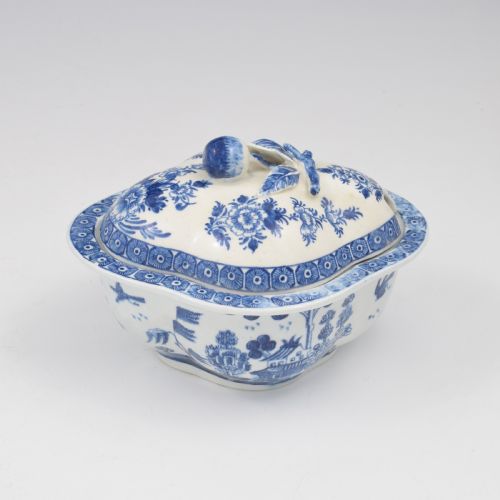
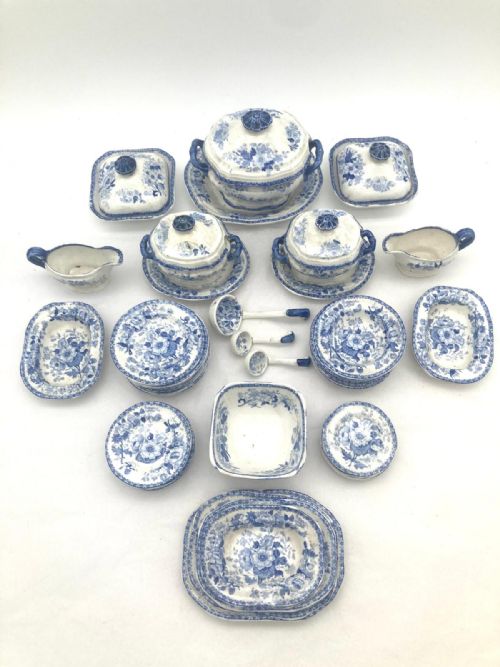
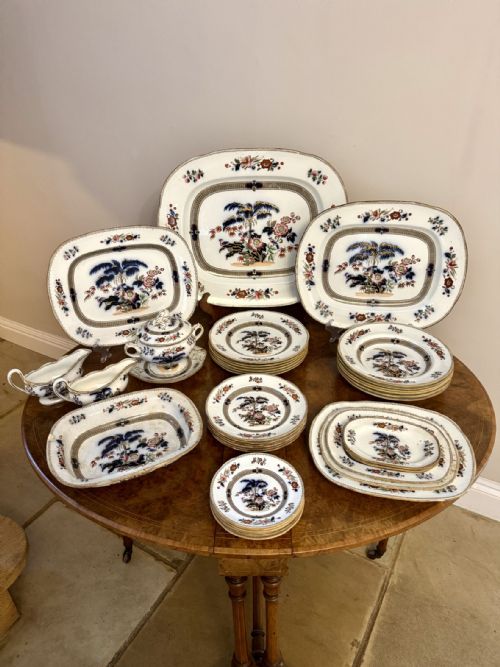
A blue ceramic tureen brings domestic utility and artistic design together across the 18th century, Georgian, Regency, and Victorian periods. These covered vessels served soups, sauces, vegetables, and stews at grand dining tables, often accompanied by matching stands and ladles.
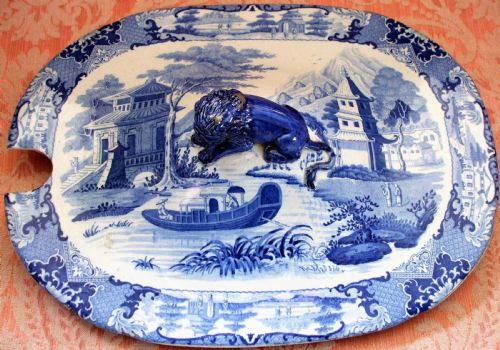
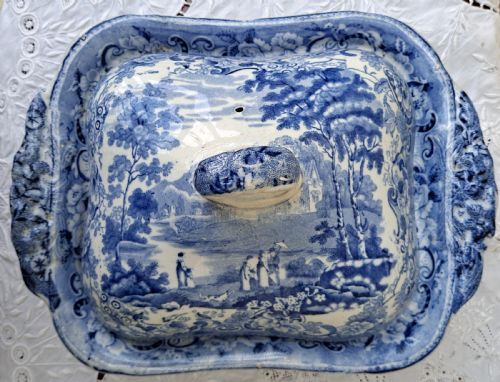
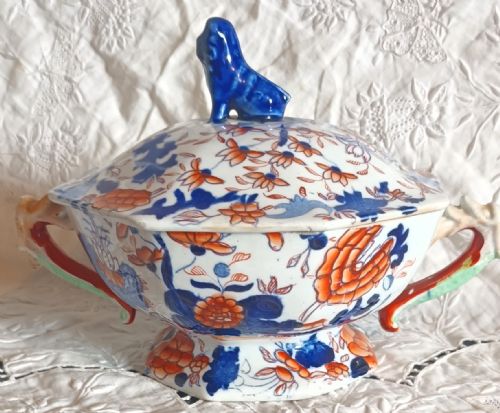
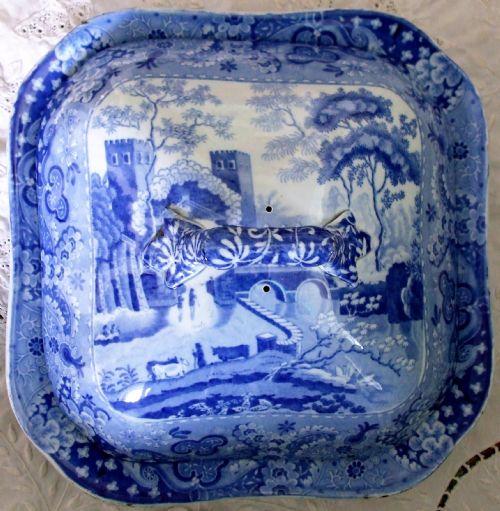
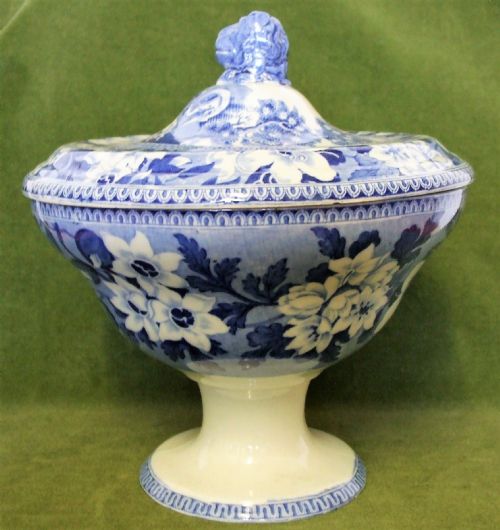
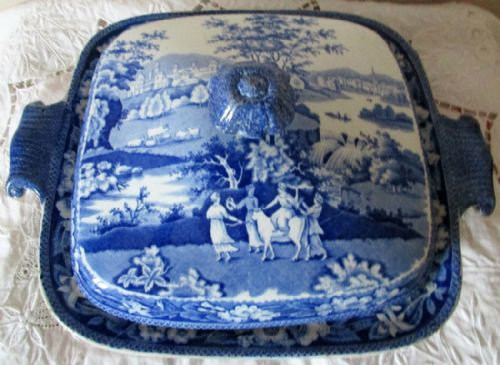
The versions most commonly met on this page span English earthenware and ironstone decorated with transfer-printed blue patterns, alongside porcelain examples from factories like Derby and Minton. Shapes range from simple vegetable tureens to elaborate animal-form pieces and Chinese export porcelain.
Makers utilised familiar scenic transfer prints such as Canton River scenes, rural landscapes, and exotic Chinoiserie motifs to appeal to changing dining fashions. Each blue ceramic tureen reflects the specific aesthetic of its era, from neoclassical restraint to Victorian exuberance.
Materials and production methods
Potters built these vessels using earthenware, durable ironstone, or refined porcelain, finished with transparent glazes that sealed the body. The blue decoration was typically applied via transfer printing from copper plates onto the ceramic surface before glazing and firing.
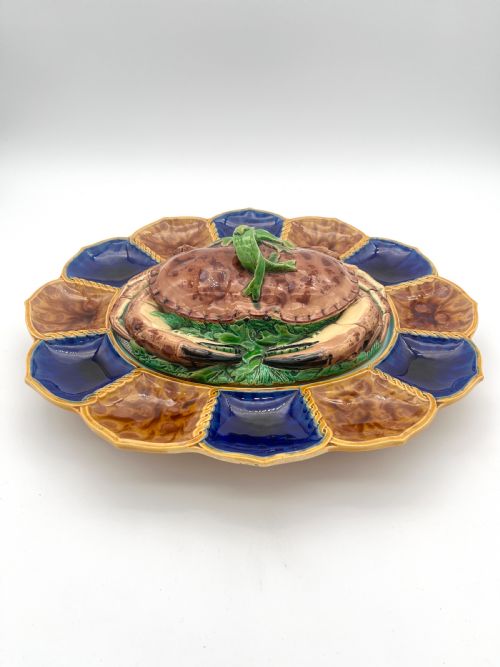
Some pieces incorporate hand-painted details over the glaze, enamel colours, or applied gold leaf to accent moulded handles, finials, and rims. Speciality forms like Majolica tureens relied on coloured lead glazes moulded directly into naturalistic plant or animal shapes.
Object forms span soup tureens, sauce tureens, vegetable dishes, lidded bowls, and associated stands with ladles.
Distinctions in craftsmanship and design
Quality rests in the crispness of the transfer print, the uniformity of the glaze, and the sculptural ambition of the modelled form. Superior pieces display deep, clean blue tones without smudging, alongside sharply defined moulded details on handles and covers.
The integrity of the body and the preservation of associated components, such as original matching stands, covers, and ladles, elevate the standing of a piece. Finer works originate from documented makers whose paste and glaze preparation yielded thinner, more refined walls.
Derby Porcelain·Robert Hamilton·Minton·Wedgwood·James Wallace and Co·Mason's Ironstone·J and R Clews·John Rogers and Son·John and Richard Riley·Ridgway·Doulton Burslem·Spode·Chamberlain Worcester·Copeland and Garrett
The Blue Ceramic Tureen Glossary
- Ironstone
- A dense, heavy ceramic developed in the 19th century as a durable alternative to porcelain. It resists chipping and took blue transfer prints exceptionally well.
- Transfer printing
- A decoration technique where an engraved copper plate transfers a design onto tissue paper, which is then pressed onto the ceramic biscuit. This allowed complex scenes like the Canton River pattern to be repeated accurately.
- Flow blue
- A Staffordshire technique where volatile chloride gases were introduced during the kiln firing to deliberately blur the cobalt blue design into the surrounding white glaze. It created a soft, hazy aesthetic popular in the mid-19th century.
- Majolica
- A colourful earthenware type covered in opaque tin glazes or translucent lead glazes over moulded plant and animal forms. Victorian examples often featured naturalistic vegetable or crab motifs.
- Chinoiserie
- European decorative design inspired by Chinese artistic traditions, frequently featuring pagodas, bridges, and exotic figures rendered in blue and white.
Blue Ceramic Tureen: Frequently Asked Questions
What was a blue ceramic tureen used for?
These vessels held and insulated soups, sauces, or vegetables at the dining table, keeping contents warm beneath a fitted cover.
They functioned as both practical serving pieces and decorative centerpieces during formal meals.
How do I care for an antique tureen?
Wash the ceramic gently by hand using lukewarm water and mild soap, avoiding abrasive pads that could scratch the glaze or wear transfer prints.
Display the piece away from direct sunlight and sudden temperature shifts to protect the glaze and body.
How can I tell the period of a piece?
Examine the ceramic body, weight, and glaze characteristics, as ironstone feels heavier and denser than earlier earthenware or porcelain.
Makers' marks, pattern names, and transfer printing styles help narrow down the decade of production.
Are covers and ladles always original?
Many tureens survive with their original matching covers, though matching ladles and stands are less common due to breakage over time.
Check for consistent glaze tones and matching patterns across all components to confirm they belong together.