
Blue Ceramic Jar
A blue ceramic jar brings centuries of kiln craft into a room, offering both functional storage and striking cobalt ornament.
Blue Ceramic Jar
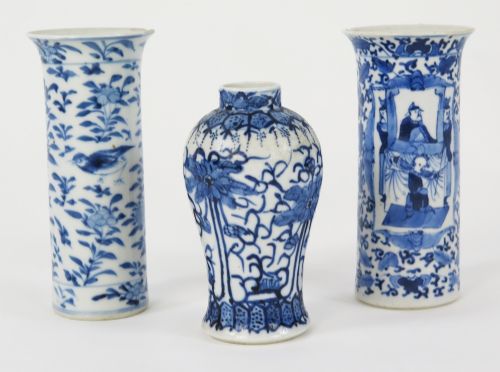
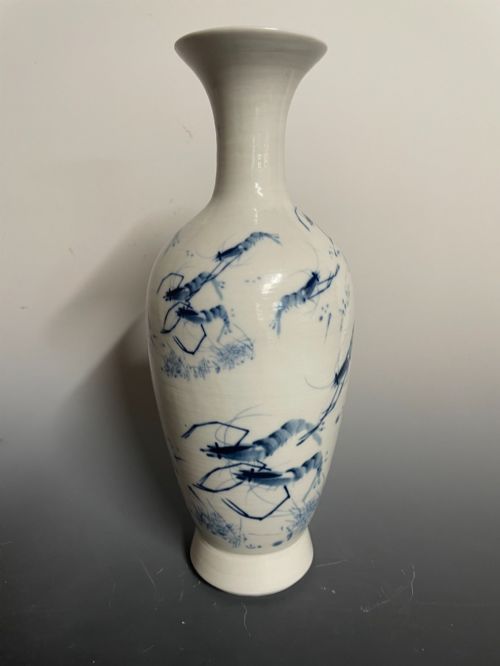
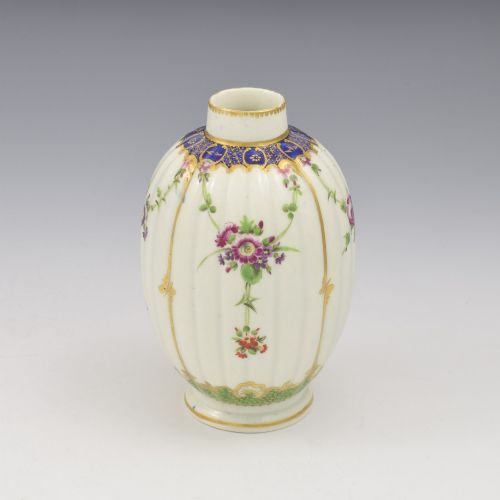
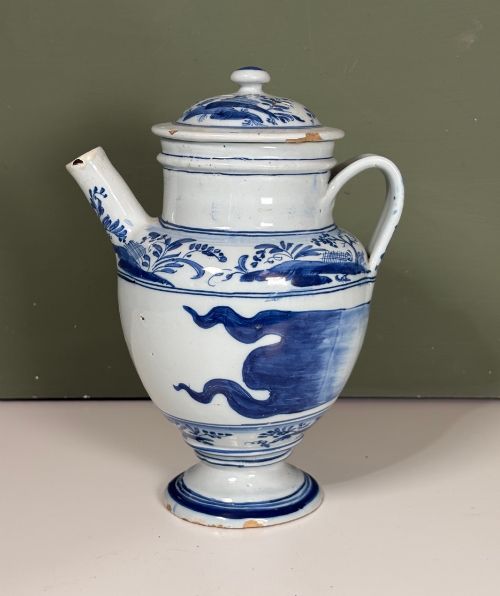
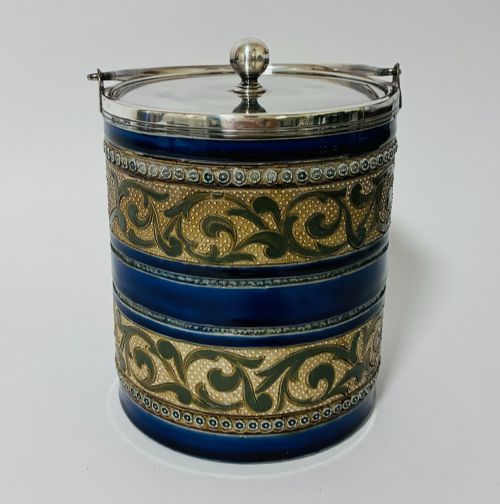
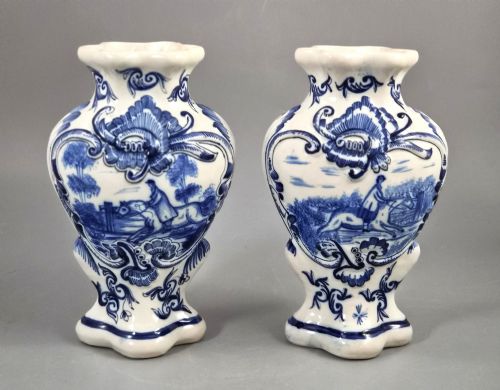
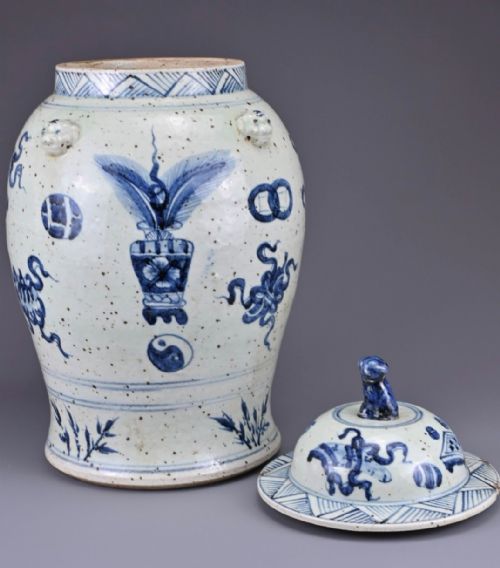
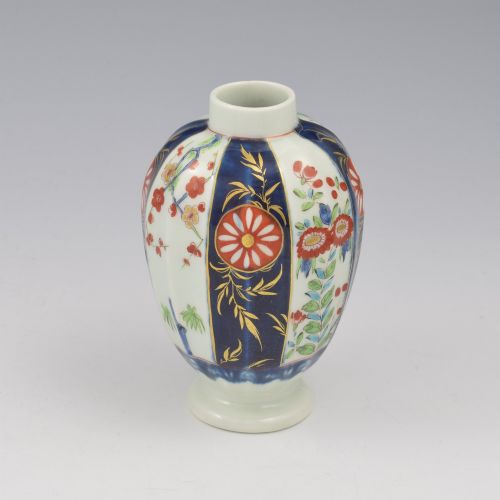
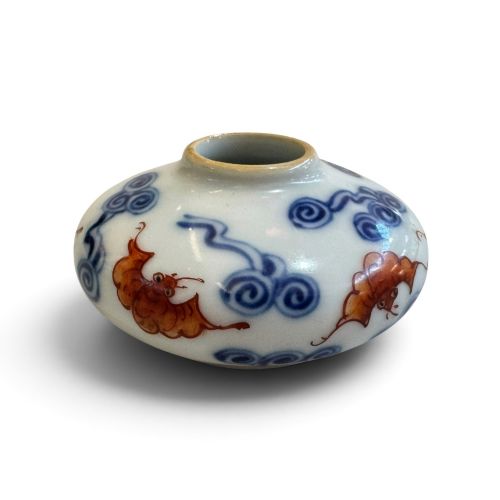
When searching for a blue ceramic jar, buyers encounter a diverse range of vessels spanning the eighteenth to the twentieth centuries. These pieces encompass apothecary containers, lidded ginger jars, and decorative urns originating from English, European, and Asian kilns.
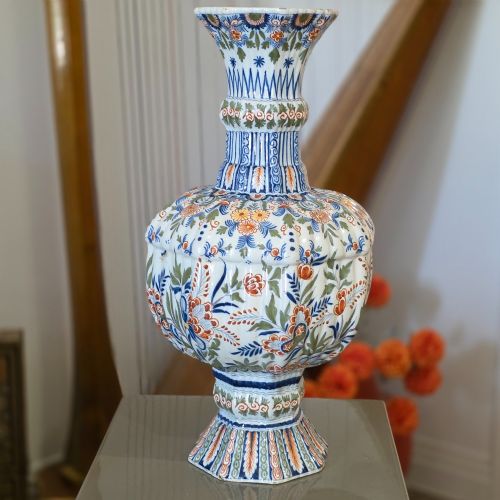
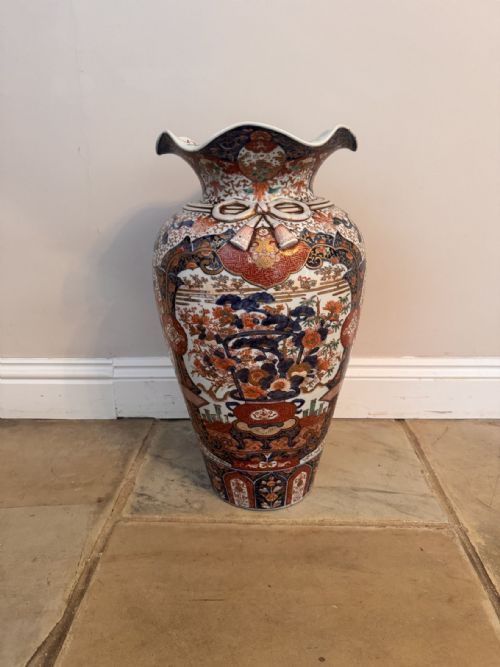
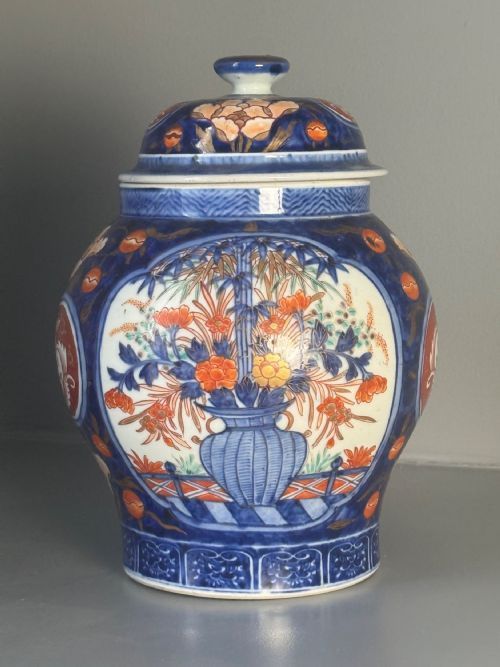
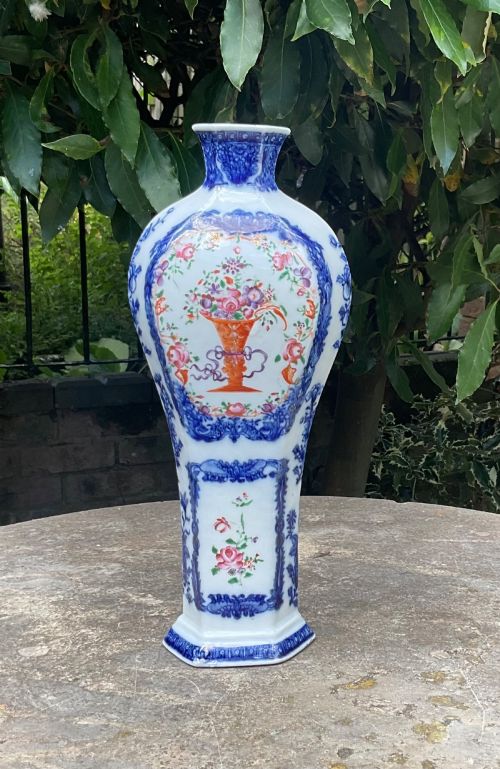
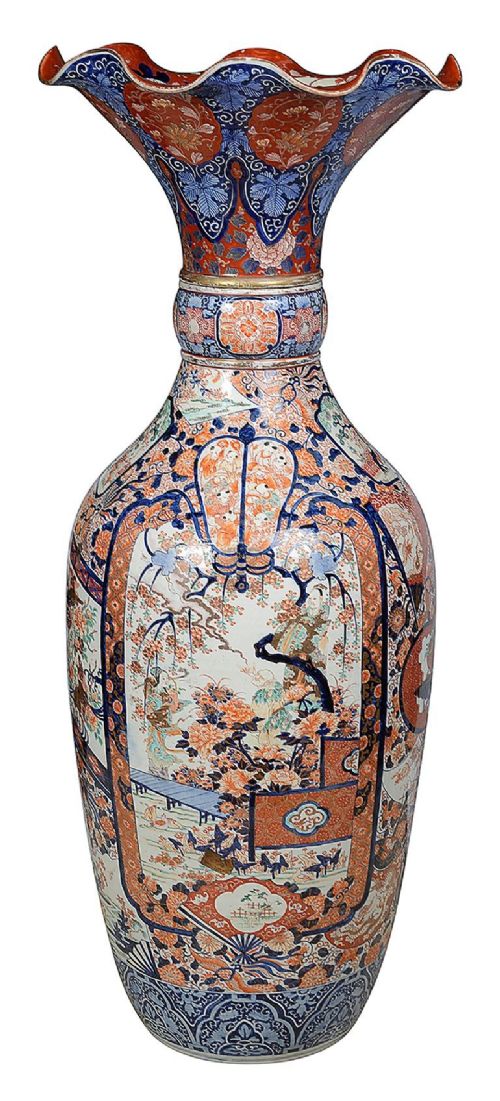
The most common examples on this page are blue and white Chinese export wares and nineteenth-century Japanese Imari pieces alongside domestic delftware and porcelain canisters. Their forms vary from stout ginger pots to tall floor-standing vases and mounted table lamps.
How they were made
Potters shaped these vessels from earthenware, stoneware, and porcelain before applying cobalt pigments under or over the glaze. Tin-glazed earthenware provided an opaque white surface for hand-painted blue designs, while hard-paste porcelain achieved a finer, vitrified body.
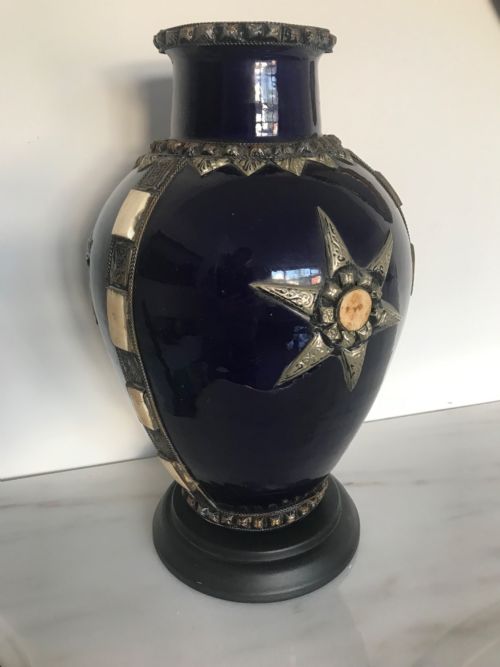
Many items received secondary treatments such as gold leaf accents, enamel highlights, or metal mounts in silver and ormolu. Firing techniques ranged from traditional wood-burning kilns to controlled industrial ovens in European potteries.
Materials documented across the inventory include earthenware, tin-glazed pottery, hard-paste porcelain, and terracotta.
What varies in quality
The distinction between standard commercial items and exceptional examples lies in the precision of the hand-painting and the clarity of the cobalt blue under the glaze. Finer pieces demonstrate confident brushwork, balanced proportions, and well-executed secondary elements like bronze mounts or silver-plated fittings.
Age and origin also influence desirability, with marked pieces from recognised factories or early periods commanding greater attention from collectors. The crispness of moulding and the stability of the ceramic body complete the assessment of an individual vessel.
Doulton Lambeth·Fourmaintraux Courquin·Alice Euphemia Thatcher·Booths Silicon China
The Blue Ceramic Jar Glossary
- Delftware
- Tin-glazed earthenware produced in England, Holland, or France, typically featuring blue painting on a white background. This technique created an opaque surface imitating imported Chinese porcelain.
- Imari
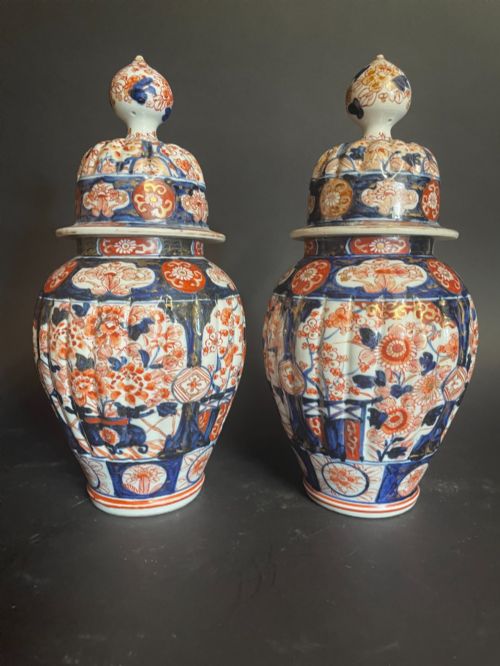
- Japanese export porcelain decorated in underglaze blue, iron red, and gilt, often displaying complex floral and brocade patterns. The style originated during the Edo period and remained popular in Europe throughout the nineteenth century.
- Ginger Jar
- A broad-shouldered container originally used in China for storing spices and preserves, later adopted by European potteries for decorative display. Most surviving examples retain their matching ceramic lids.
- Apothecary Jar
- A vessel utilised by pharmacists to store dry drugs, wet medicines, or herbal preparations, frequently labeled with Latin inscriptions. These items span various forms of delftware and earthenware.
- Underglaze
- A method of decorating ceramics where cobalt or other pigments are applied directly to the unfired or biscuit body before the transparent glaze layer is added. This protects the painted design from wear.
Blue Ceramic Jar: Frequently Asked Questions
What were blue ceramic jars originally used for?
These vessels served practical functions such as holding spices, preserving ginger, or storing medicinal drugs in apothecary shops. Over time, many evolved into purely decorative interior objects.
Larger lidded pieces and ginger jars kept perishable goods sealed before transitioning to mantelpiece ornaments and tabletop displays in European homes.
Can I use an antique jar as a lamp?
Many jars and vases found on the market have been converted into table lamps using fitted metal bases and wiring. This adaptation allows fragile ceramics to be displayed safely in modern living spaces.
Buyers should examine whether the conversion drilled through the ceramic body or utilised existing mounts, as alterations affect the original state of the piece.
How should I clean and care for a ceramic jar?
Dusting with a dry, soft cloth is sufficient for routine maintenance of glazed ceramic surfaces. Avoid using harsh chemical cleaners or submerging mounted pieces in water.
Metal mounts, silver plating, and ormolu require specialised cleaning appropriate for their respective metals without touching the surrounding glaze.
What defines Japanese Imari style?
Japanese Imari relies on a distinctive palette combining underglaze cobalt blue and iron red with extensive additions of gold leaf. The patterns usually incorporate dense floral motifs, panels, and brocade designs.
Originating in Arita, these wares were exported in large quantities to satisfy European demand for vibrant Oriental ceramics.