


Blue Ceramic Baluster Vase
A blue ceramic baluster vase brings an upright profile and cobalt tones to a room, offering both decorative presence and historical depth.
Blue Ceramic Baluster Vase
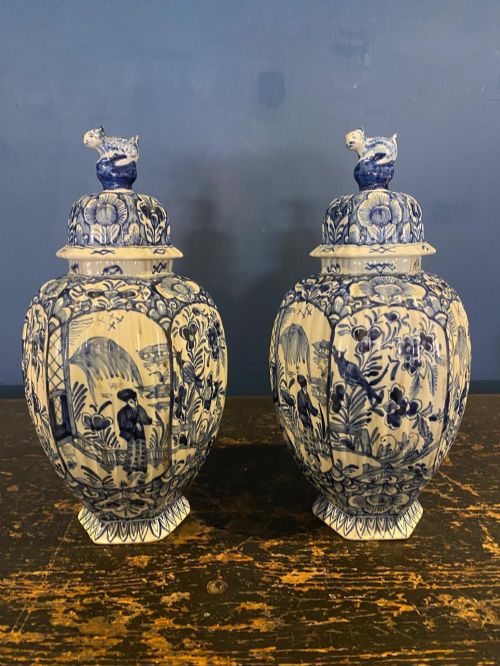
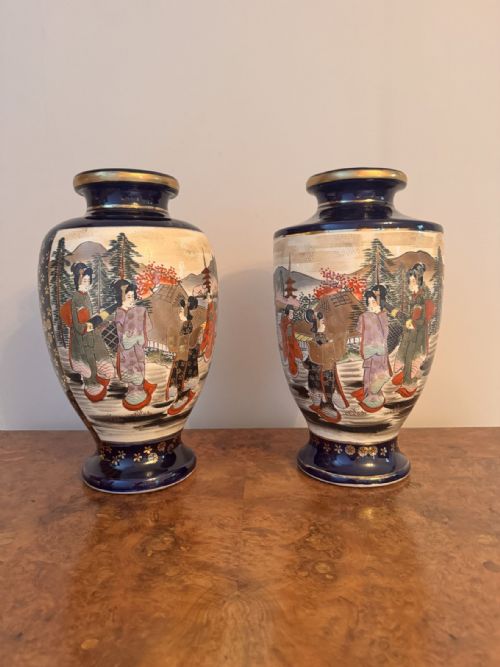
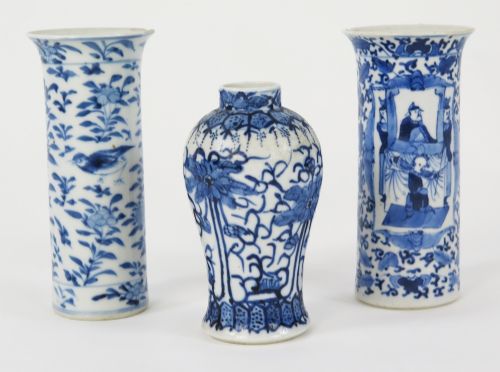
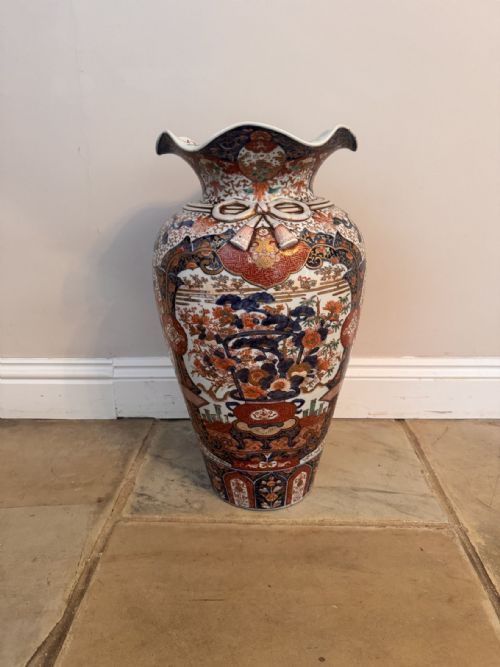
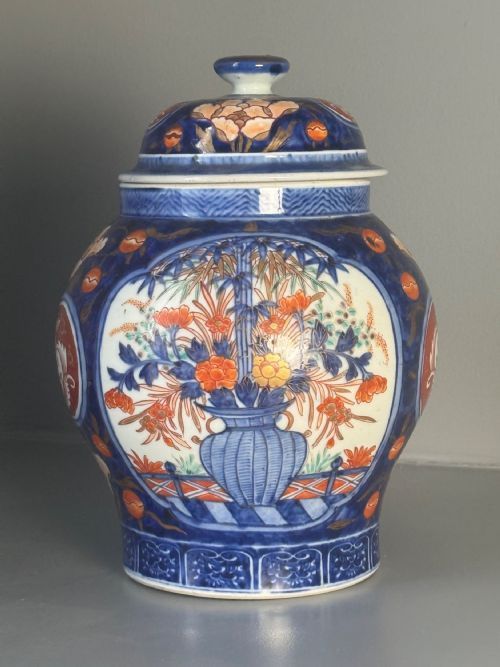
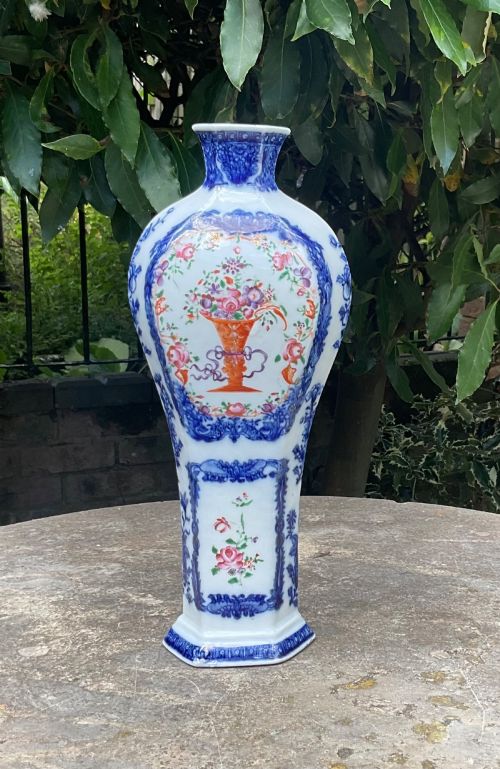
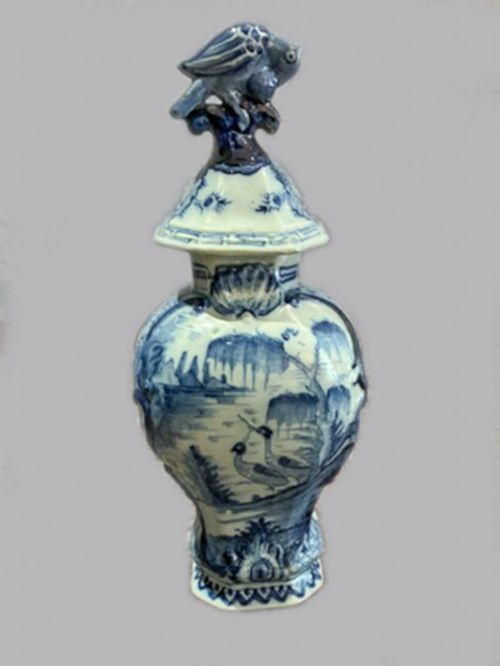
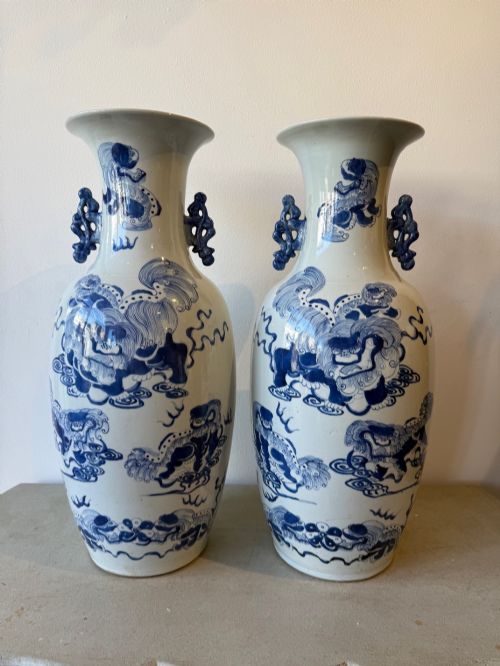
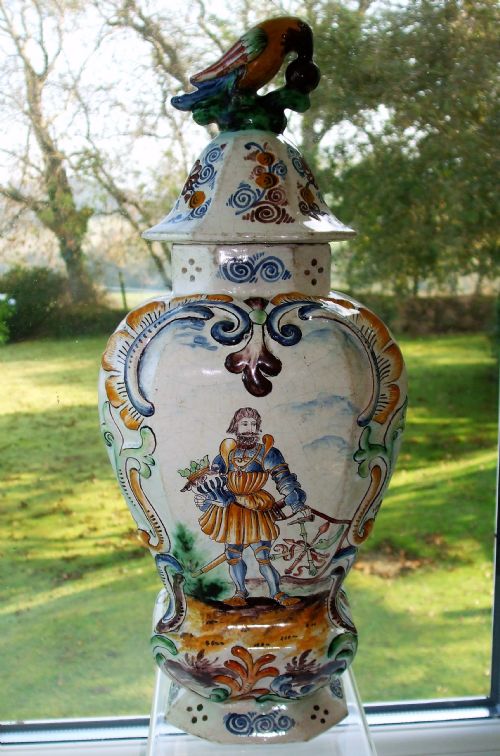
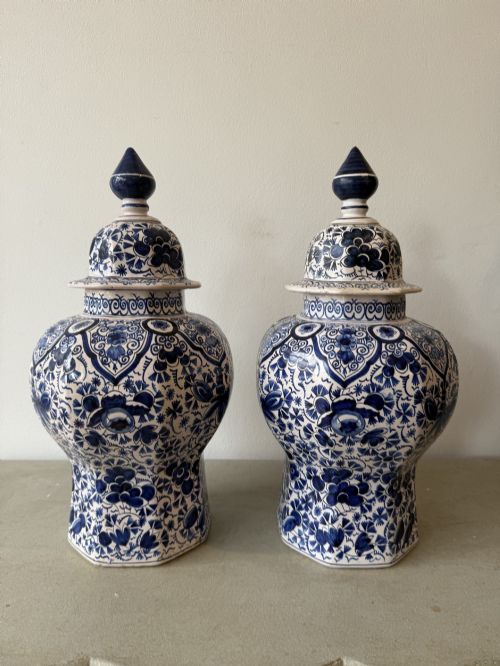
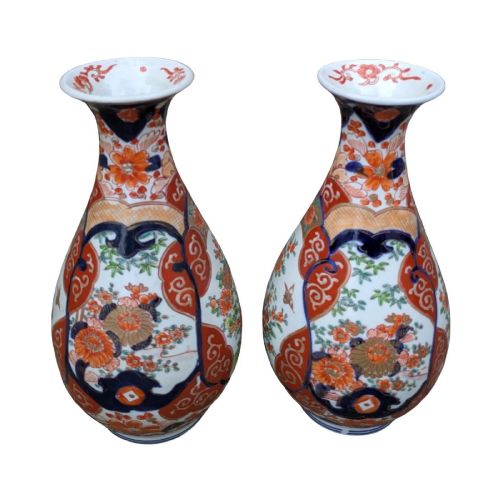
A blue ceramic baluster vase takes its name from its distinctive swelling lower body and slender neck, echoing the shape of a classical architectural baluster. When searching for a blue ceramic baluster vase, buyers encounter pieces originating from diverse traditions, including 17th-century Dutch earthenware and Japanese Meiji period porcelain. The versions most commonly met on this page are 19th-century Japanese Imari wares, Chinese export porcelains, and European delftware.
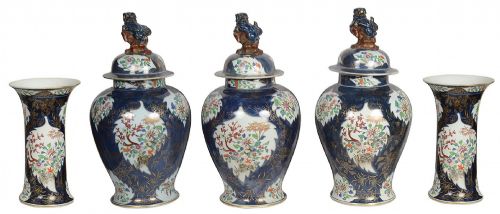
The form appears as both open vessels and lidded jars, sometimes mounted in ormolu or adapted into table lamps. These objects range from modest cabinet pieces to massive floor-standing examples created for prominent display in period interiors.
How they were made
Potters shaped these vessels using earthenware, stoneware, and porcelain, applying tin glazes or clear transparent coats over cobalt decoration. Artisans often utilised enamels, gilding, and gold leaf to add polychrome highlights to the primary blue underglaze.
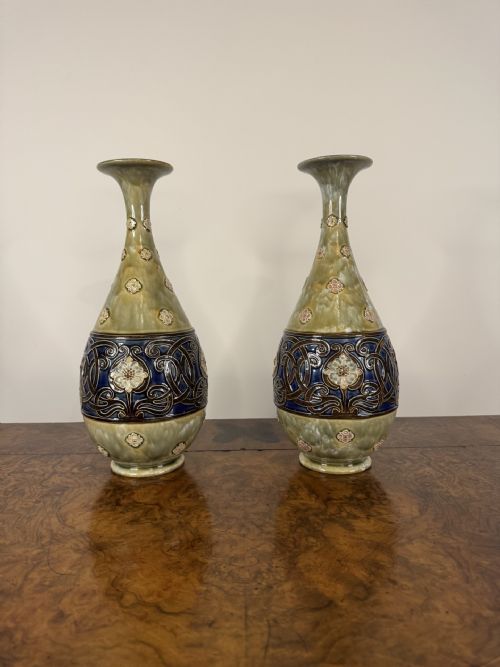
Techniques varied between the brushwork of Chinese porcelain painters, the rich tin-glazed application of Dutch delftware, and the dense relief modelling seen on Japanese Satsuma and stoneware pieces.
Japanese Satsuma and Arita traditions appear alongside Chinese export porcelain and European delftware variations.
What varies in quality
The distinction between ordinary and exceptional examples rests upon the crispness of the cobalt painting, the symmetry of the thrown or moulded body, and the depth of the glaze. Master potters achieved precise control over kiln temperatures, resulting in vibrant blue tones without cloudiness or running.
Execution of fine detail, such as the intricacy of Japanese Imari panels or the crispness of Delft Chinoiserie motifs, separates standard production items from pieces bearing individual signatures or attributed to renowned workshops.
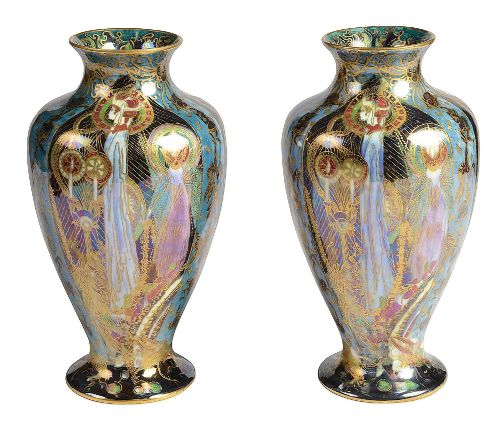
Daisy Makeig Jones·Louisa Wakely·Kōko·Kinkozan·Royal Doulton
The Blue Ceramic Baluster Vase Glossary
- Baluster
- A vertical architectural pillar with a swelling lower portion that inspired the curved silhouette of these vessels.
- Imari
- A style of Japanese export porcelain decorated in rich cobalt blue, iron red, and gilt, originating from the Arita region.
- Delftware
- Tin-glazed earthenware produced in the Netherlands and England, known for its opaque white surface and blue painting.
- Garniture
- A set of matching vases or jars designed to be displayed together on a mantelpiece or cabinet top.
- Famille Rose
- A palette of Chinese porcelain decoration characterised by opaque pink enamels introduced during the Qing dynasty.
Blue Ceramic Baluster Vase: Frequently Asked Questions
What is the difference between porcelain and delftware?
Porcelain is a vitrified, translucent ceramic fired at high temperatures using kaolin clay.
Delftware utilises a porous earthenware body covered in an opaque white tin glaze that accepts cobalt painting before a final clear firing.
How were lidded vases used historically?
Lidded vases often functioned as ginger jars or potpourri containers within domestic interiors.
The covers helped preserve dry goods or aromatic herbs stored inside the decorative vessels.
How can I identify Japanese Imari from other blue ceramics?
Japanese Imari work combines underglaze cobalt blue with contrasting iron red and gilt enamel highlights.
The resulting palette creates a dense, colourful surface pattern distinct from monochrome blue and white wares.