


Blue and Orange Porcelain
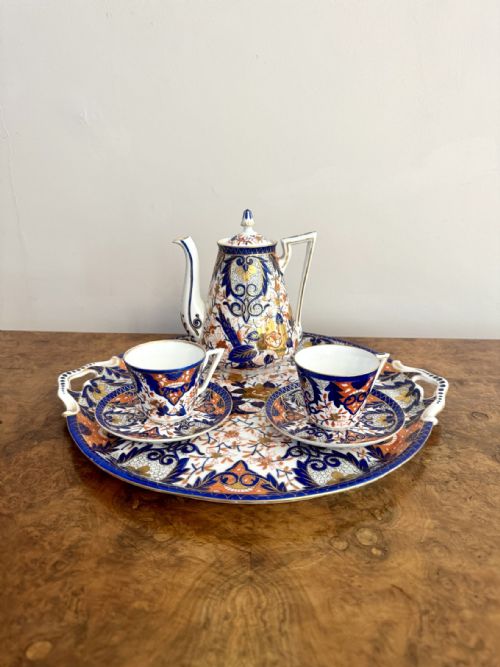
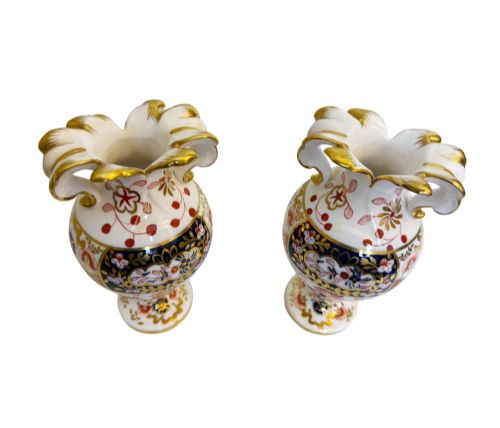
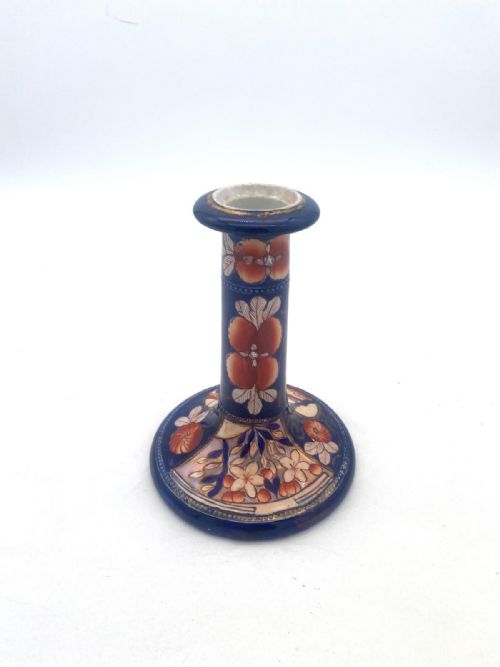
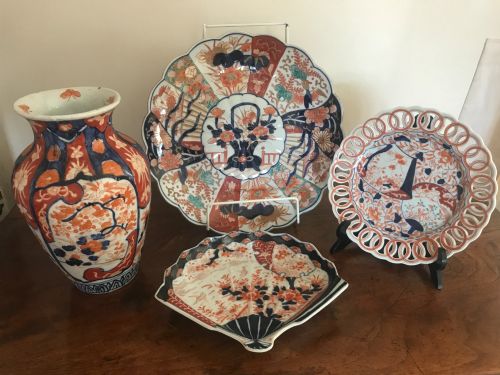
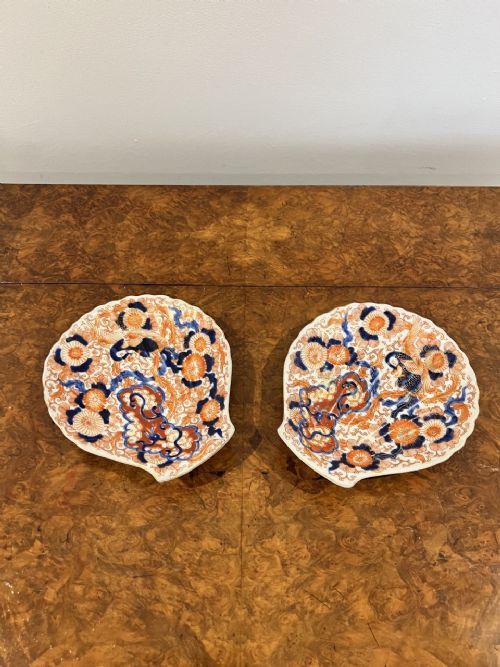
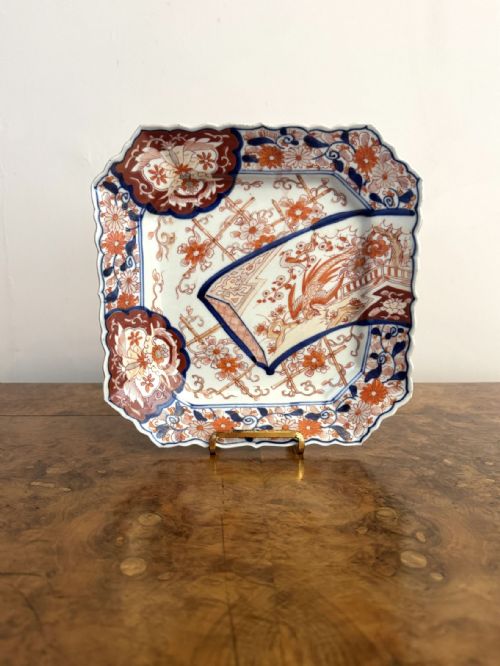
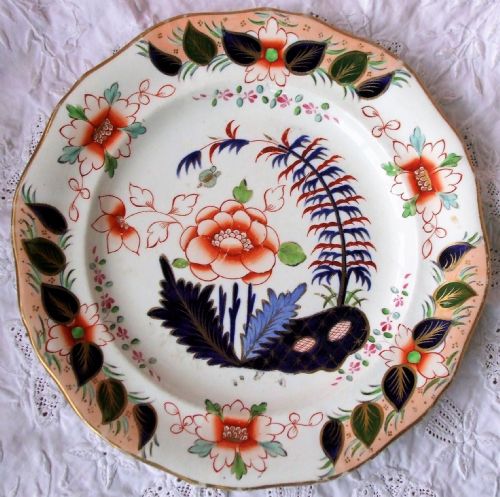
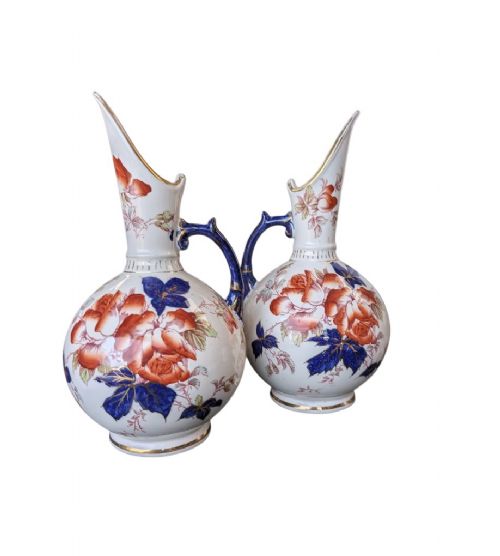
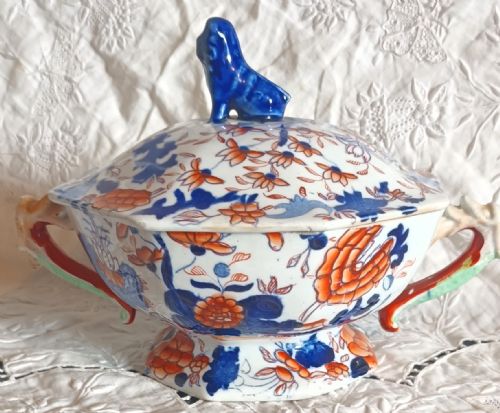
These pieces of blue and orange porcelain bring together the rich palette of Imari styles and early English ironstone for display.
Blue and Orange Porcelain
When you search for blue and orange porcelain, you encounter a distinct group of ceramics spanning Japanese import wares and English interpretations. These objects encompass decorative plates, large jardinieres, coffee sets, and vases originating from periods like the Georgian era, the Victorian age, and the turn of the twentieth century.
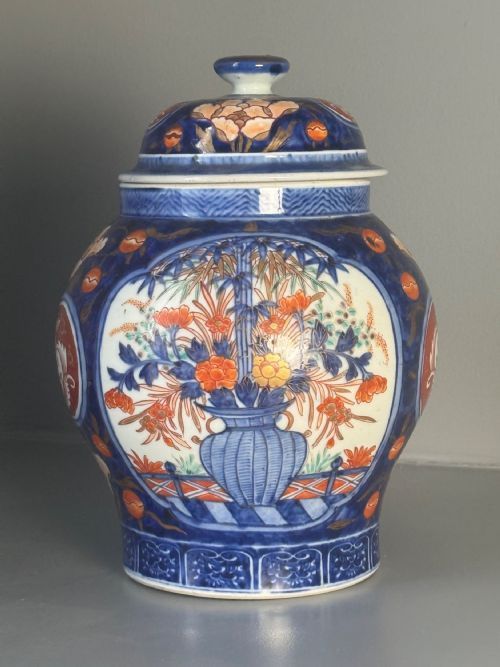
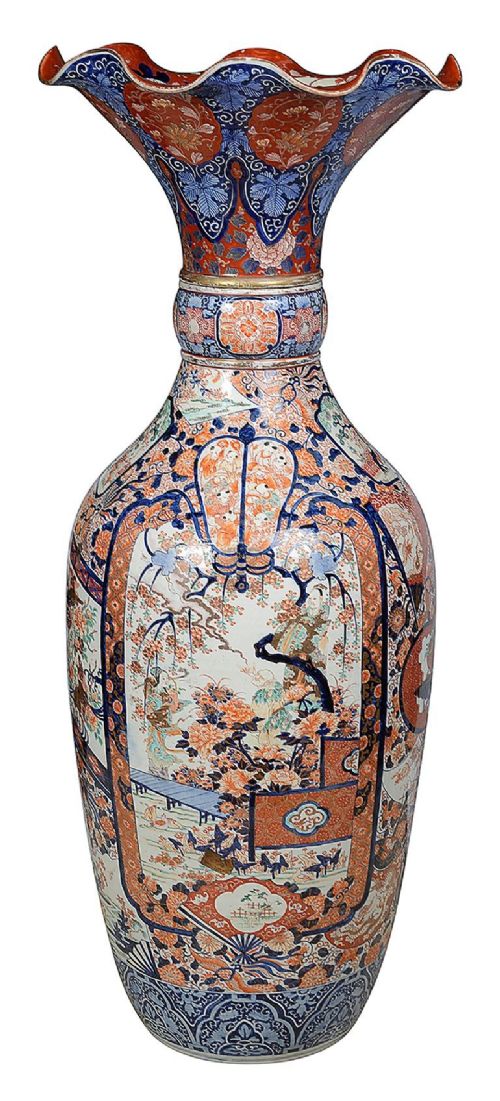
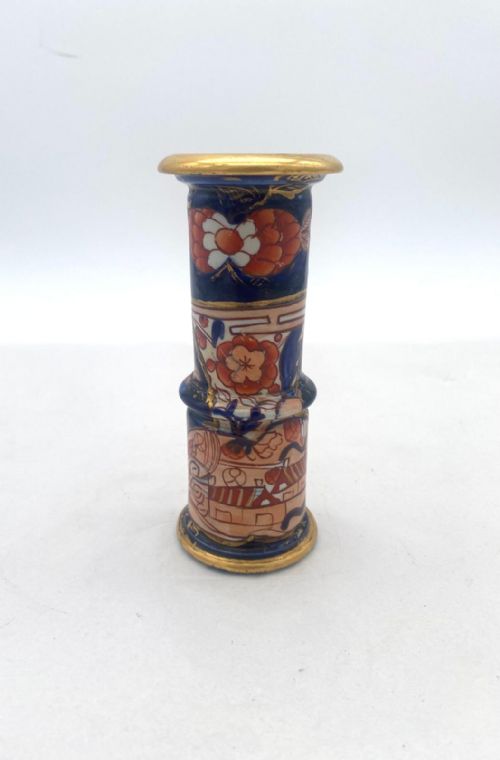
You are most likely to meet Japanese Imari pieces from the Meiji period on this page, alongside English ironstone and bone china created in imitation of eastern palettes. Forms range from small spill vases and footed comports to substantial floor-sized vessels and garnitures.
Materials and construction
Potters built these items using hard-paste porcelain, bone china, and dense ironstone ceramic bodies suited to daily utility or decorative display. Artisans applied cobalt blue underglaze paint combined with vibrant iron-orange enamel over the fired surface, often finishing details with gold leaf.
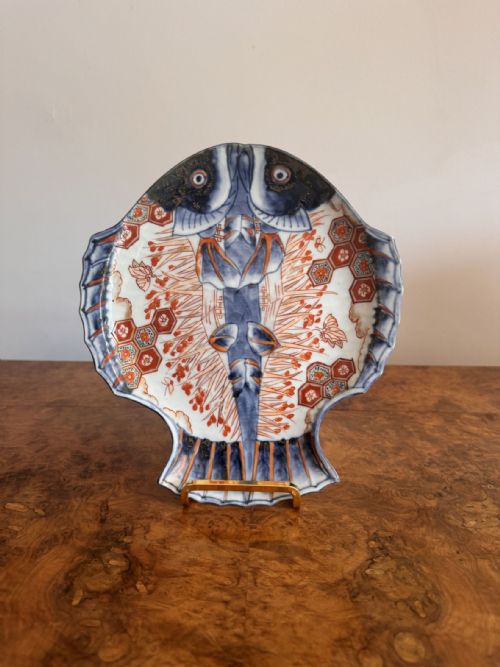
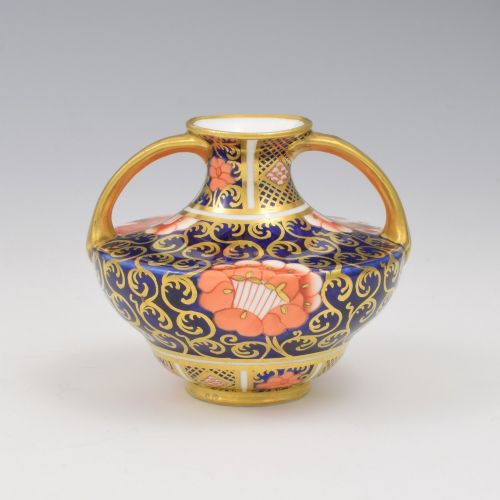
Firing techniques allowed intricate patterns such as the Schoolhouse design and traditional Japanese motifs to bond with the glaze. Moulded forms like twin-handled vases, scalloped bowls, and fish-shaped plates received hand-painted accents during subsequent stages of production.
Among the ceramic plates and vases, one curious piece takes the literal form of a swimming fish.
Assessing quality and execution
The division between standard production wares and superior examples rests in the precision of the hand-painted enamel and the crispness of the porcelain moulding. Pieces displaying finely registered cobalt lines beneath clear glaze alongside evenly saturated orange tones indicate careful kiln control.
Substantial scale and complex shapes, such as double gourd vases or large scalloped display dishes, require greater skill from the potter than simple utilitarian forms. The inclusion of intact gilding and well-preserved surface enamels elevates the visual impact of an object.
John Davenport of Longport·Royal Crown Derby
The Blue and Orange Porcelain Glossary
- Imari
- A style of Japanese porcelain decorated in underglaze blue, iron red, and gilt, which heavily influenced European makers during the Georgian and Victorian periods.
- Ironstone
- A heavy, durable type of ceramic developed in nineteenth-century England to imitate Chinese porcelain while offering greater strength for domestic service.
- Comport
- A decorative footed dish or bowl raised above the table level, typically used for serving fruit or displaying sweets in formal settings.
- Garniture
- A set of three or more matching vases or decorative vessels designed to be displayed together on a mantelpiece or sideboard.
- Spill vase
- A small upright cylindrical vessel designed to hold taper matches used for lighting candles and fires in the nineteenth century.
Blue and Orange Porcelain: Frequently Asked Questions
How do I care for antique porcelain?
Wash these ceramic objects by hand in lukewarm water using mild soap, avoiding dishwashers that can damage delicate gold leaf and surface enamels. Place them securely away from heavy foot traffic to prevent accidental chips to fragile edges.
Inspect the glaze periodically for signs of wear and keep pieces out of direct, prolonged sunlight to preserve the vibrancy of the orange and blue pigments.
What is Japanese Imari porcelain?
Japanese Imari refers to wares exported from the port of Imari, characterised by a distinct palette of deep blue underglaze and iron orange overglaze. Makers often added touches of gold leaf to enhance the intricate floral and geometric patterns.
These pieces were collected widely in Europe during the Georgian and Victorian eras, prompting domestic potteries to create their own versions of the style.
How can I date my ceramic piece?
Examine the base of the object for manufacturer marks, potter stamps, and style indicators that align with Victorian, Georgian, or Meiji production methods. Ironstone bodies and specific pattern names often provide clues to the decade of manufacture.
Compare the weight, glaze consistency, and painting style with documented examples from the same period to narrow down the era.
Where should I display these vessels?
Position large jardinieres, floor vases, and garnitures in prominent spots such as entrance halls or living room corners where their scale can be appreciated. Smaller plates and bowls suit display cabinets or wall mountings.
Ensure that shelves and tables supporting heavier pieces are sturdy enough to bear the weight of dense ironstone and large porcelain bodies.