
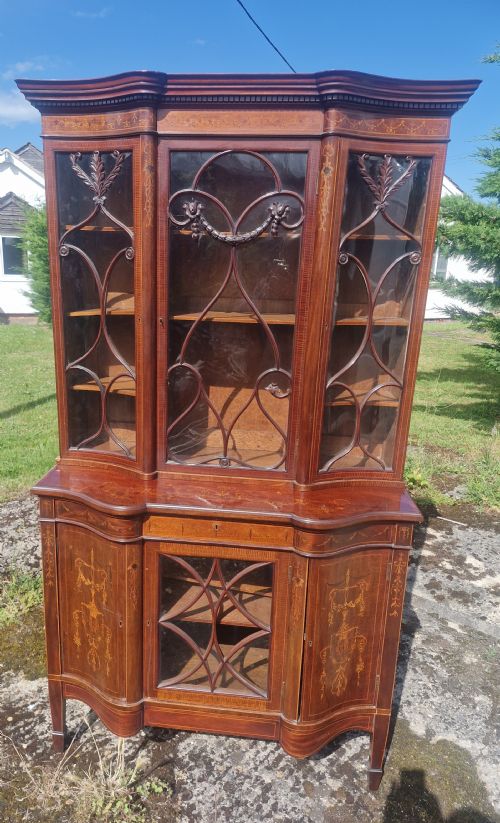


Edwardian Cabinet Piece
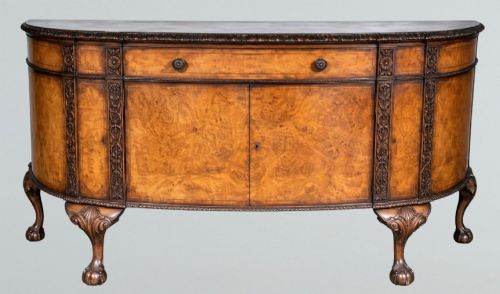
An edwardian cabinet piece brings refined proportion into a room, offering compact storage or display through mahogany, satinwood, and fine glass.
Edwardian Cabinet Piece
Every edwardian cabinet piece balances utility and decorative presence, drawing from Edwardian, Victorian, and revival aesthetics. You will encounter miniature furniture alongside full-height display cabinets and corner cupboards.
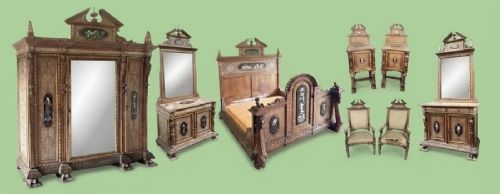
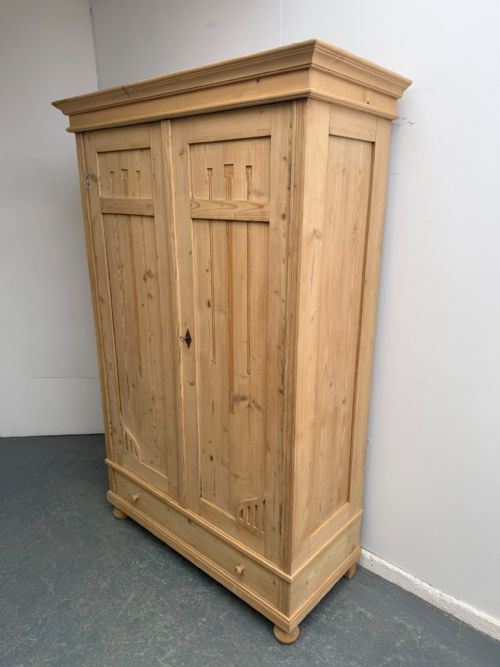
The materials span mahogany, burr walnut, satinwood, and pine, often finished with marquetry inlay or brass fittings. Forms range from compact wardrobes to miniature chests of drawers and delicate display cases.
Pieces originating from the Edwardian era sit alongside Victorian and earlier examples, reflecting varied cabinet-making traditions. Each item serves either to display porcelain and silver or to store intimate domestic belongings.
Assessing quality and finish
Quality rests in the precision of the timber selection and the sharpness of any marquetry or satinwood inlay. Finer examples display harmonious grain alignment across doors and drawers rather than patched veneer.
The integrity of the structural joints and the clarity of the original glass define the upper tier of these pieces. Interior fittings, such as velvet linings or original brass hardware, indicate the original standard of commission.
Several miniature pieces match the exact drawer configuration of full-size furniture, built by apprentices demonstrating their mastery.
Waring & Gillows·Daisy Makeig-Jones Wedgwood
The Edwardian Cabinet Piece Glossary
- Marquetry
- Decorative veneer work created by fitting together small pieces of wood, shell, or bone to form pictorial patterns on a timber surface.
- Compactum
- A fitted wardrobe or combination piece designed to maximise internal storage within a limited footprint.
- Satinwood
- A durable, lustrous timber with a golden yellow sheen, frequently utilised for banding and inlay in refined cabinet-making.
- Kneehole desk
- A small writing desk featuring a central recessed space for the legs, flanked by pedestals of drawers.
Edwardian Cabinet Piece: Frequently Asked Questions
Where should I place an edwardian cabinet piece?
These pieces suit reception rooms, hallways, or bedrooms where floor space is limited yet display or storage is required.
Position them away from direct heat sources to protect the polished timber and delicate veneers from drying out.
How do I care for the timber surfaces?
Dust regularly with a soft, dry cloth and apply a quality beeswax periodically to nourish the mahogany or walnut grain.
Avoid commercial liquid polishes containing silicone, which can build a cloudy film over the polished finish.
Can I store heavy items inside miniature pieces?
Miniature furniture and small display cabinets are constructed for light objects, small ceramics, or personal curiosities.
Placing heavy books or dense metalware inside can strain miniature drawers and smaller internal shelving supports.
How do I distinguish Edwardian work from Victorian examples?
Edwardian pieces often display lighter timbers, satinwood banding, and a more restrained approach to ornamentation than heavier Victorian designs.
Revival styles bridge the gap, borrowing proportion from earlier centuries while retaining the construction methods of their actual period of manufacture.