


Blown Glass Bowl
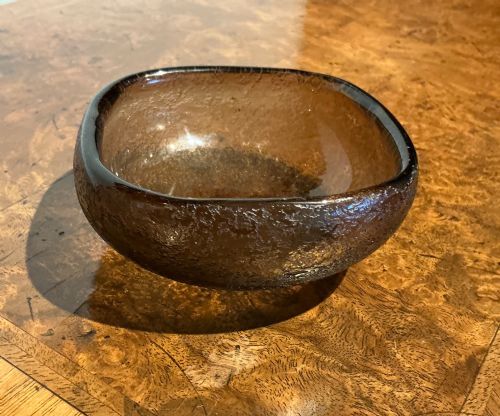
A blown glass bowl brings light and colour to a room through the shifting depth of hand-manipulated metal.
Blown Glass Bowl
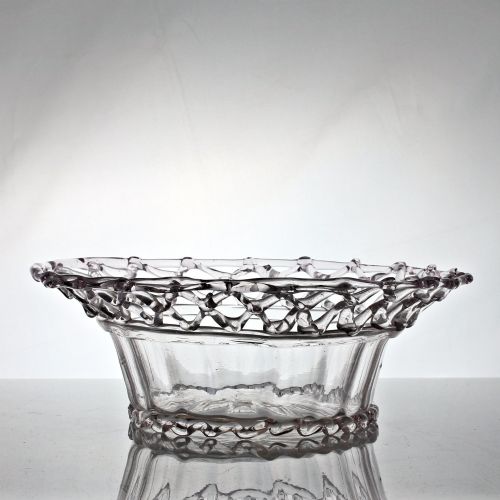
A blown glass bowl encompasses domestic tableware, table ornaments and serving vessels shaped by the gaffer's breath and iron. These pieces cross centuries of production, ranging from heavy Georgian table glass to vibrant twentieth-century decorative vessels.
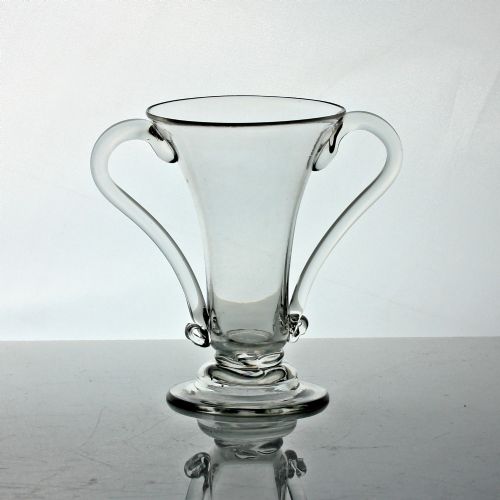
The most frequent examples encountered here include Victorian cranberry glass service pieces and deep-toned vessels from the early decades of the twentieth century. Collectors also meet earlier Georgian tablewares, such as rummers, jelly glasses and sugar bowls.
Forms span simple domestic finger bowls and cream jugs to large pedestalled comports and decorative table centrepieces. Each vessel shows the characteristic marks of its era, from eighteenth-century pontil scars to mid-century studio shaping.
Materials and methods
Production relies on molten metal gathered from the furnace on a blowpipe and shaped using wooden blocks, jacks and shears. Makers utilised clear lead glass, coloured cranberry metal, and cased layers to achieve depth and refraction.
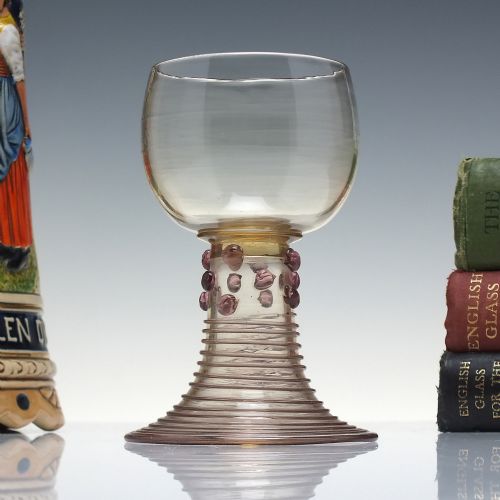
Surface effects such as air twists, wrythen ribbing, and enamel decoration were applied during the hot phase or cut into the cooled surface. Pontil marks on the base record the final detachment of the iron rod from the finished vessel.
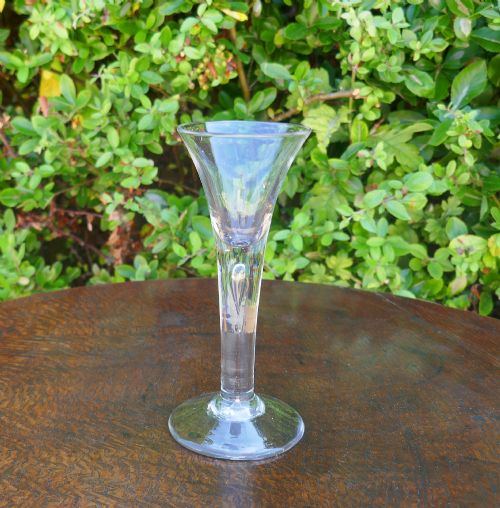
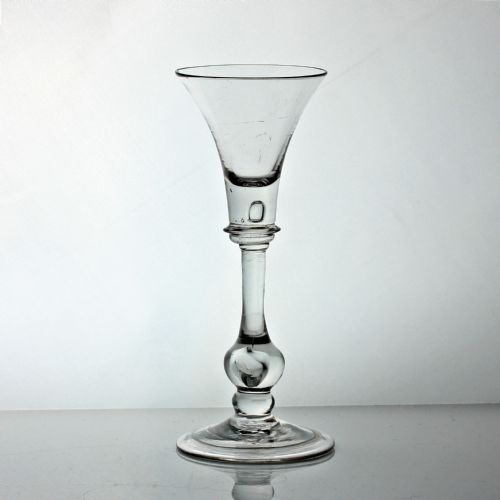
An eighteenth-century wine glass holds a tiny trapped air bubble in the stem, placed there by a maker who turned a simple flaw into a signature charm.
Evaluating quality and execution
Quality rests in the balance of the vessel, the purity of the metal, and the control shown in applied or blown decoration. Superior examples demonstrate even wall thickness and confident manipulation of the molten material.
The ambition of the form distinguishes standard domestic items from exhibition pieces. Deliberate inclusions like controlled air bubbles or complex twist stems elevate the standing of a piece within historical production.
Venini·Carlo Scarpa·Stuart for Liberty·Monart
The Blown Glass Bowl Glossary
- Pontil mark
- The rough scar left on the underside of a vessel where the punty rod was snapped away after shaping. This feature is a primary indicator of traditional hand-blown manufacture.
- Cranberry glass
- A rich pinkish-red glass coloured by the addition of gold chloride to the molten batch. It gained immense popularity during the Victorian era for table services and decorative ornaments.
- Air twist
- A spiral of elongated bubbles trapped within the stem of a glass during formation. Makers created this effect by drawing and twisting canes of glass before cooling.
- Lead glass
- A heavy, highly refractive material containing lead oxide, developed to improve clarity and brilliance. It allows for deep wheel-cutting and ringing tones when struck.
- Wrythen
- A decorative optical swirl pattern moulded into the body of a vessel. The glass is twisted while semi-molten to produce diagonal ribs across the surface.
Blown Glass Bowl: Frequently Asked Questions
How do I identify a blown glass bowl?
Examine the base for a rough pontil mark and look for subtle variations in wall thickness. Hand-blown vessels lack the uniform perfection of machine-pressed items.
Traditional pieces often show tiny trapped air bubbles and tool marks from the gaffer's shears, confirming manual shaping.
Are these bowls safe for daily use?
Many historical vessels serve well for display or gentle service, but fragile pieces require careful handling. Eighteenth-century table glass and nineteenth-century cranberry items demand hand washing in lukewarm water.
Sudden temperature changes can crack old metal, so avoid boiling liquids or modern dishwashers entirely.
What is cranberry glass?
Cranberry glass is a distinctive red-pink ware produced by mixing gold into the molten glass batch. It dominated Victorian interiors as finger bowls, jugs, and epergnes.
The shade ranges from pale pink to deep ruby depending on the gold content and firing temperature.