




Black Wooden Trinket Box
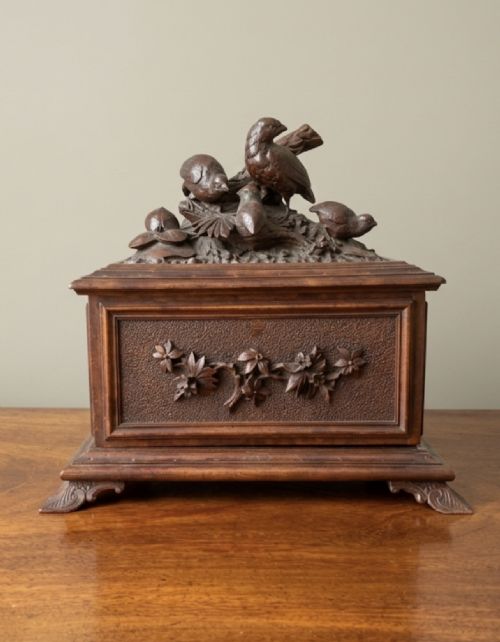
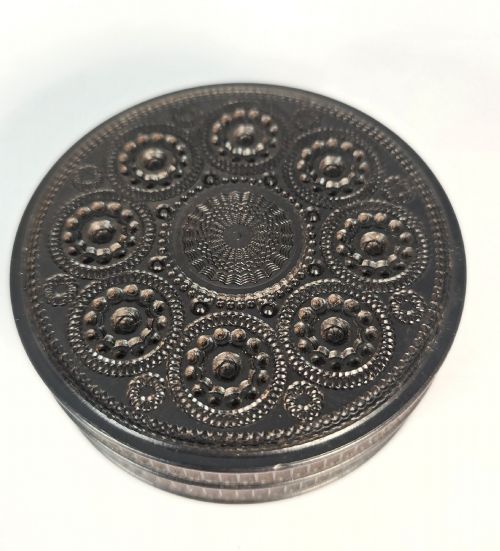
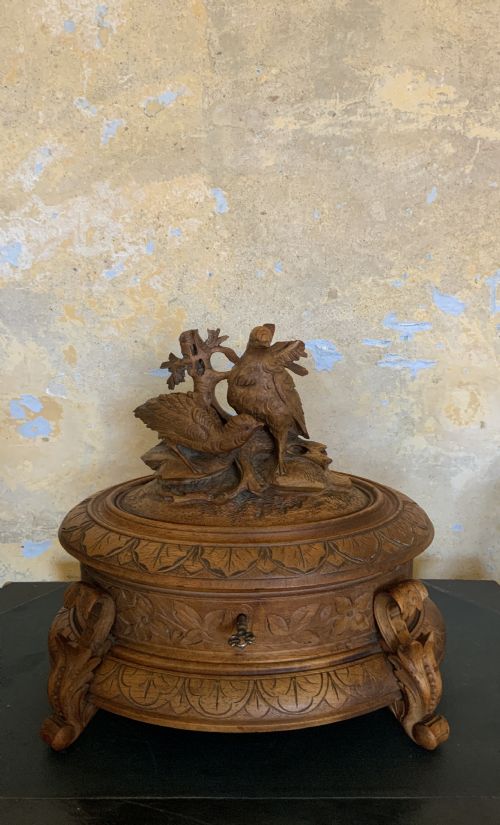
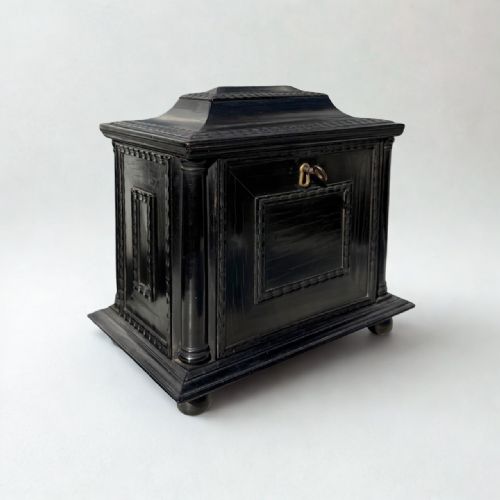
These black wooden trinket box examples range from Regency penwork to carved Black Forest caskets, offering compact storage with distinct period character.
Black Wooden Trinket Box
A black wooden trinket box serves as a small receptacle for personal valuables, appearing across styles from Georgian and Regency to Victorian and Edwardian eras. Buyers searching for a black wooden trinket box will encounter various forms, including jewellery boxes, snuff boxes, humidors, and small table cabinets.
How they were made
Craftsmen utilised native and exotic timbers including ebony, walnut, pine, and coromandel, often applying ebonisation or black lacquer to achieve dark surfaces. Construction techniques involved dovetail joints, carved relief work, engine turning, and parquetry.
Surface decoration required specialist skills such as penwork, pokerwork, inlay, and pietra dura mounting. Artisans also integrated brass hardware, tortoiseshell, and porcupine quill work to embellish the wooden structures.
Certain nineteenth-century boxes feature tortoiseshell inlay derived from the Indian star tortoise.
What varies in quality
The standard of carving and inlay work dictates the distinction between ordinary utility items and fine decorative pieces. Crisp detail in Black Forest relief carvings or precision in Regency penwork indicates superior craftsmanship.
Choice of materials heavily influences value, with solid ebony or coromandel commanding greater regard than painted pine or simple ebonised softwood. The integrity of the original hinges, linings, and internal fittings also defines the grade of each box.
The Black Wooden Trinket Box Glossary
- Ebonised
- Wood treated with stain or paint to imitate the dark colour of true ebony. This finish was widely utilised during the nineteenth century to achieve a formal black appearance.
- Penwork
- A decorative technique using pen and ink to draw intricate motifs onto a light-coloured wooden surface before sealing. It is frequently observed on Regency boxes featuring architectural or chinoiserie scenes.
- Pietra Dura
- An artistic method of inlaying cut and fitted polished coloured stones into a base panel. Italian boxes often display this technique on ebonised wooden lids.
- Marquetry
- The art of applying thin veneers of different woods to a structure to form decorative patterns or pictures. Sorrento workshops frequently employed this method on mid-nineteenth-century boxes.
- Black Forest
- A style of deeply carved wooden boxes and caskets originating from the German mountain region. These pieces typically depict naturalistic animal and foliage motifs.
Black Wooden Trinket Box: Frequently Asked Questions
How do I date a black wooden trinket box?
Dating relies upon stylistic markers, construction methods, and materials specific to periods like the Regency, Georgian, and Victorian eras. Details such as penwork decoration or Black Forest carving styles provide clear chronological indicators.
Examining the interior construction, including joint types and lining materials, further helps to narrow down the decade of manufacture.
What wood was used for these boxes?
A variety of timbers appear across these pieces, including dense exotics like ebony and coromandel alongside European walnut and pine. Some items utilise standard woods finished with ebonisation or black lacquer.
The weight and grain visibility beneath the dark surface usually reveal the underlying timber choice.
Are these boxes suitable for daily use?
These historical boxes accommodate modern storage needs for rings, cufflinks, and small keepsakes just as they did centuries ago. Their robust wooden construction ensures they withstand gentle everyday handling.
Consideration should be given to delicate surface decoration, such as penwork or raised carving, when selecting a location in the home.
How should I clean a black wooden trinket box?
Maintenance requires only a soft, dry cloth to remove dust from carved surfaces and intricate details. Moisture and modern chemical polishes should be avoided to protect antique finishes and lacquers.
Keeping the box away from direct sunlight preserves the original tone of the wood and any inlaid panels.