

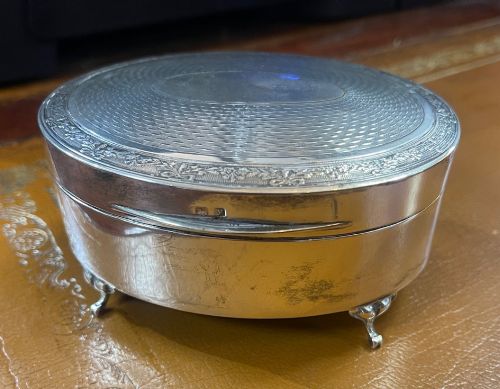
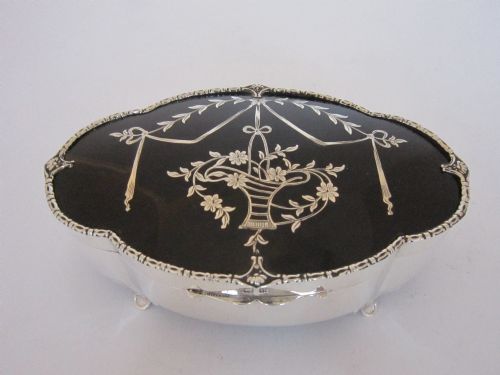
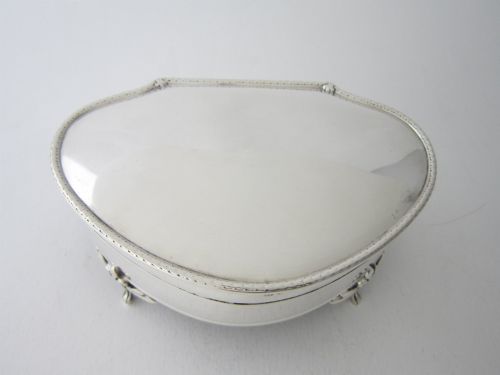
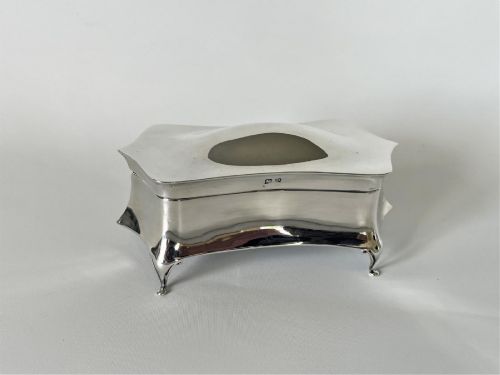


George V Jewellery Casket
A george v jewellery casket is a small fitted chest for precious items, prized for its combination of precious metal and tortoiseshell or fine timber.
George V Jewellery Casket
A george v jewellery casket is a dressing table accessory designed to hold rings, cufflinks and small trinkets securely. These boxes range from compact ring cases to larger receptacles with internal trays.
While named for the twentieth-century reign, the market groups these alongside earlier Georgian, Regency and Edwardian variants. Buyers encounter these containers executed in sterling silver, ebonised wood and exotic timbers.
What varies in quality
Quality rests in the selection of materials and the crispness of the metalwork or timber finish. Examples with unblemished tortoiseshell panels or finely figured satinwood sit above plain alternatives.
The presence of intact internal fittings, trays and working silver hinges distinguishes finer caskets. Substantial gauge silver and precise joinery indicate superior manufacturing standards.
George V Jewellery Casket Retail Price Guide 2026
Typical asking prices for george v jewellery casket among the pieces listed under this phrase on Sellingantiques today, from the lower quarter to the upper quarter. They describe what is for sale here now, not the wider market.
The George V Jewellery Casket Glossary
- Sterling silver
- A silver alloy containing 92.5 percent pure silver by mass. This material provides durability for functional dressing table items.
- Tortoiseshell
- A material derived from the shell of certain turtle species, historically used for decorative veneers. It adds mottled amber and brown patterns to silver boxes.
- Calamander
- An exotic hardwood with contrasting dark brown and light brown stripes. It creates a striking striped appearance on period wooden boxes.
- Hallmark
- An official stamp applied by an assay office to indicate metal purity and origin. Birmingham marks are common on these pieces.
- Ebonised wood
- Timber treated to resemble ebony, a heavy black wood. This technique offers a uniform dark surface for decorative boxes.
George V Jewellery Casket: Frequently Asked Questions
What is a george v jewellery casket?
A george v jewellery casket is a small decorative container made during the early twentieth century to hold precious accessories like rings and cufflinks. They are typically placed on dressing tables for daily use.
These pieces reflect the craftsmanship of the period, combining precious metals with exotic timbers or tortoiseshell panels. They survive as both functional storage and decorative objects.
How do I date a silver casket?
Dating silver caskets relies heavily on the assay office hallmarks stamped into the metal. These marks often include a specific letter code for the year of manufacture.
Style also offers clues, as Edwardian and George V designs differ in their decorative motifs from earlier Georgian and Regency pieces. Examining the construction of hinges and linings helps confirm the era.
What materials are used in these boxes?
These boxes utilise a variety of materials depending on whether they are metal or wooden. Sterling silver is common, frequently paired with tortoiseshell lids.
Wooden variants make use of dense and decorative timbers such as rosewood, satinwood, calamander and ebonised wood. Each material brings a distinct visual texture to the object.
How were these caskets used?
These caskets were designed for domestic use on bedroom dressing tables. They kept small valuables such as rings, pins and cufflinks organised and close at hand.
Many included internal trays or fitted compartments to separate delicate items. Their portable size allowed them to be moved securely around the bedchamber.