


Black Wooden Box
A black wooden box brings immediate character to a room, offering deep tones and tangible history whether you choose a carved humidor or a travel trunk.
Black Wooden Box
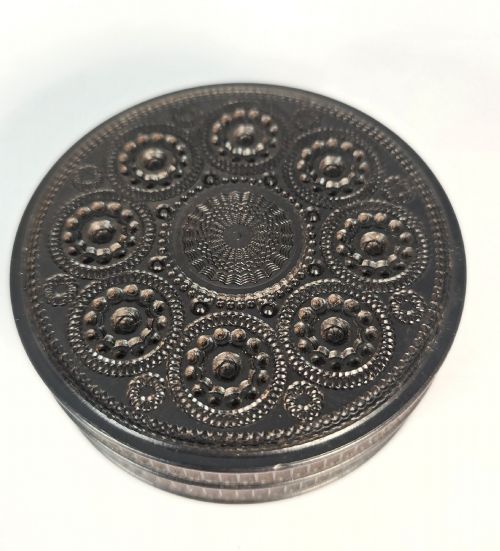
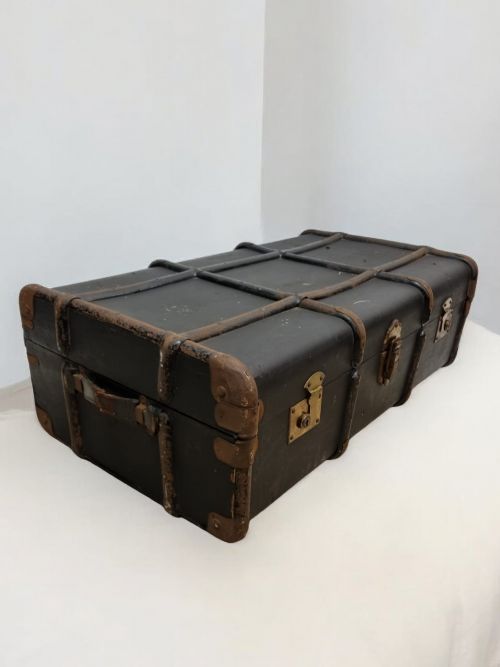
A black wooden box covers an array of antique forms, from small tabletop jewellery containers to large travel chests and storage trunks. When searching this phrase, a buyer encounters pieces originating across the nineteenth and early twentieth centuries, reflecting diverse international traditions.
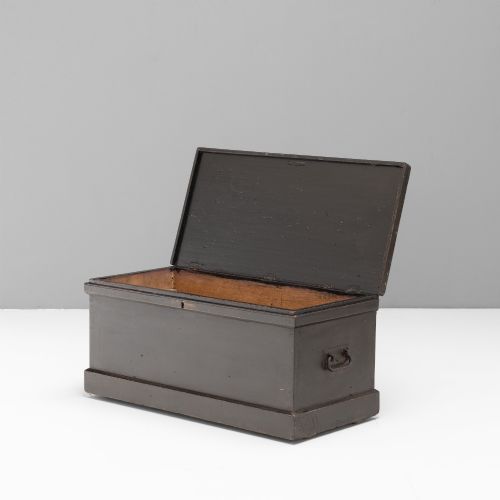
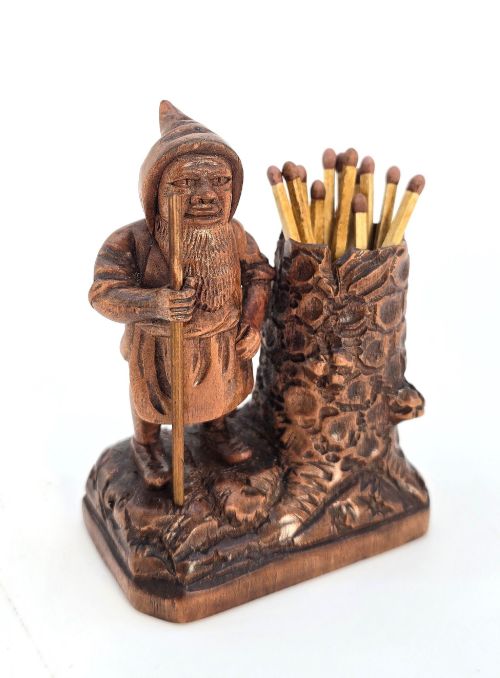
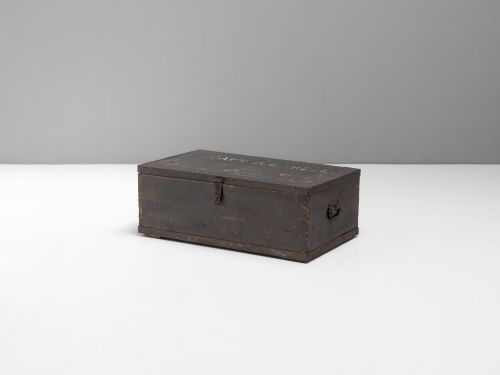
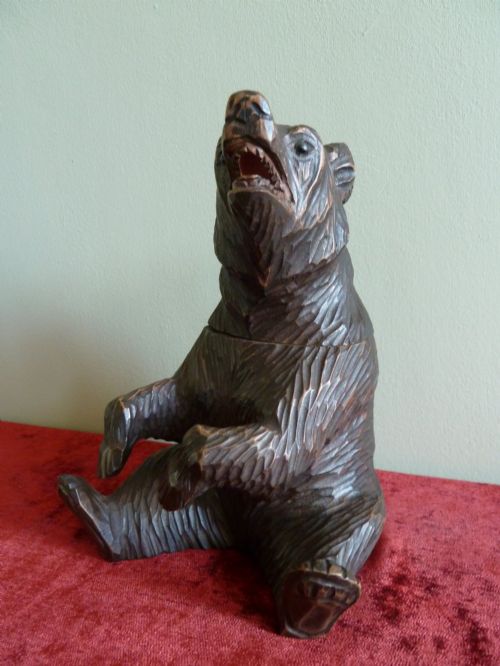
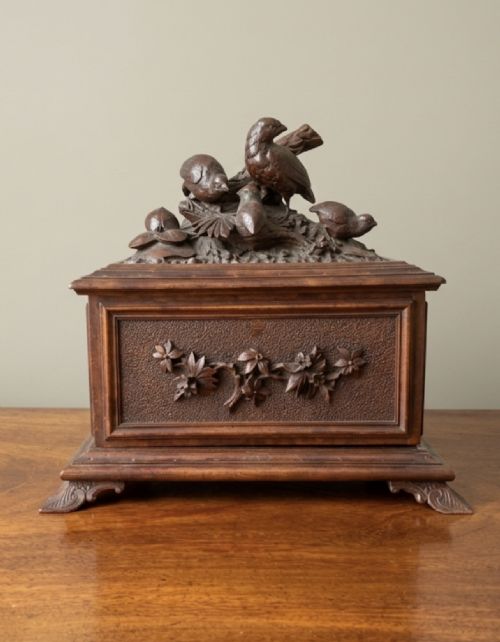
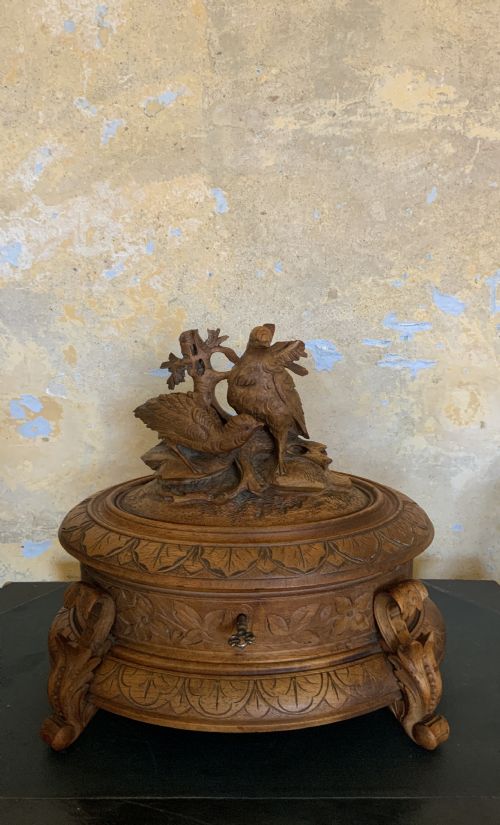
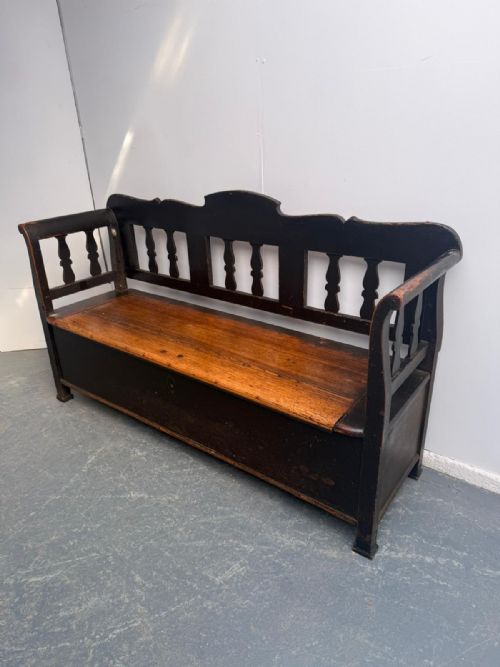
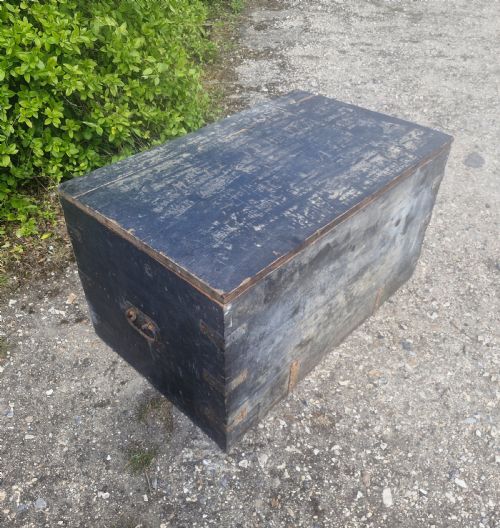
The selection frequently includes Black Forest carved wooden caskets, ebonised wood boxes, and painted pine folk art chests. These items served practical domestic or travel purposes originally, holding documents, tobacco, or personal valuables.
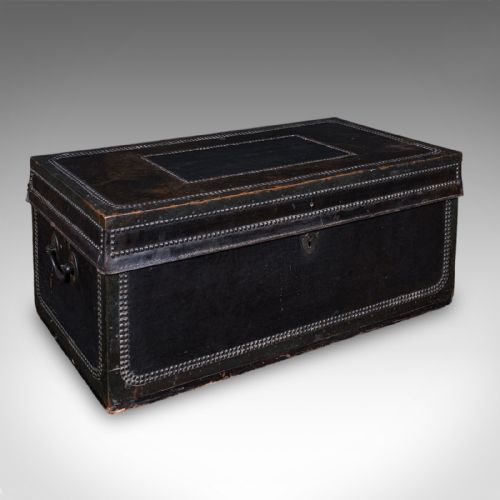
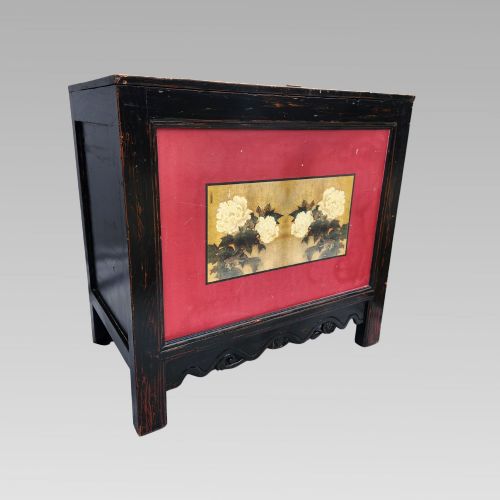
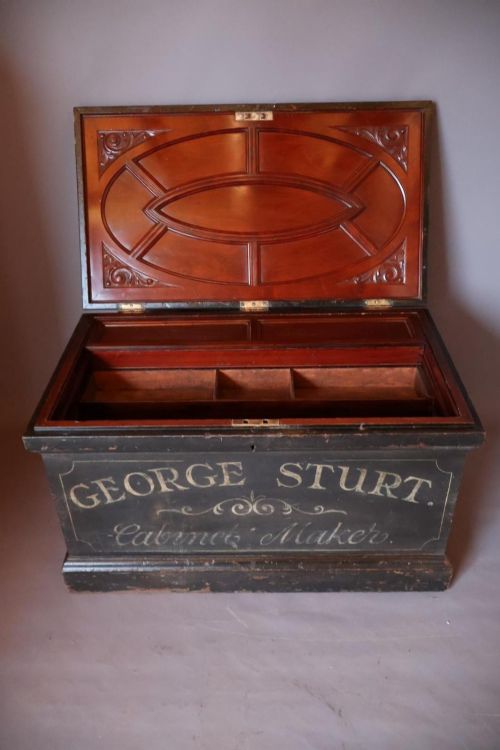
Regional variations span Chinese lacquer coffers, Scandinavian folk art boxes, and English tool chests. Each version demonstrates distinct local materials and decorative techniques tied to its period of origin.
How they were made
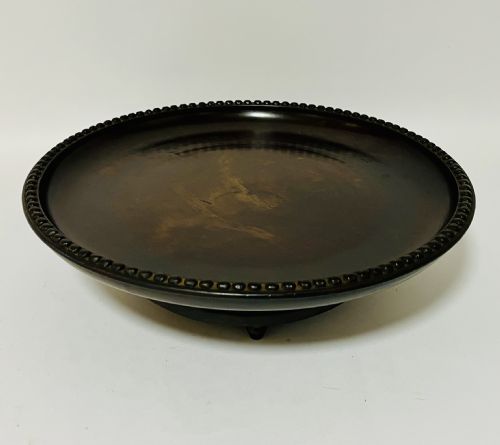
Construction relies heavily on traditional timber working, utilising pine, walnut, camphorwood, and limewood shaped by hand tools. Many surfaces achieve their dark finish through ebonisation, black lacquer, or applied dark paint.
Carving and inlay define the decorative execution, particularly in Black Forest pieces featuring intricate animal figures and foliage. Metal hardware such as iron brackets, brass hinges, and original locks provide structural reinforcement and functional security.
The inventory records regional styles including Black Forest carvings, Scandinavian folk art, and Chinese export lacquer.
What varies in quality
Quality rests upon the depth and precision of hand carving, particularly in figurative work where anatomical accuracy and expressive detail distinguish superior pieces. The integrity of the original surface finish, whether deep ebonisation or folk art paintwork, significantly impacts desirability.
Construction methods and hardware completeness determine overall merit. Original hinges, working locks, and intact internal compartments elevate an item above examples with modern replacements or structural alterations.
The Black Wooden Box Glossary
- Ebonised wood
- Timber treated with a chemical stain or finish to imitate true ebony. This dark treatment was popular during the Victorian period for decorative boxes and furniture.
- Black Forest
- A nineteenth-century stylistic term originating from the mountainous region of Germany, denoting highly detailed hand-carved wooden animals and foliage on boxes and humidors.
- Humidor
- A specialised storage box designed to maintain humidity levels for cigars or tobacco. Antique versions often feature carved wooden motifs and fitted internal compartments.
- Pine
- A soft timber frequently utilised in Scandinavian folk art chests and strongboxes. It often serves as a base for painted decoration.
- Pietra dura
- An artistic technique using cut and fitted polished coloured stones to create geometric or pictorial designs. These plaques occasionally mount onto ebonised wooden boxes.
Black Wooden Box: Frequently Asked Questions
What were antique black wooden boxes used for?
These boxes served various domestic and travel functions, ranging from holding documents and jewellery to storing cigars and tea.
Larger variants acted as campaign trunks or tool chests for maritime and overland journeys, whilst smaller caskets remained stationary on household tables.
How do I care for an old wooden box?
Maintain the timber by keeping the box away from direct heat sources and sudden humidity changes to prevent wood movement.
Apply a light microcrystalline wax periodically to nourish ebonised surfaces or painted finishes without sealing moisture into the grain.
How can I tell the period of a box?
Examine the construction methods, secondary timbers, and hardware style, such as hand-cut dovetails and forged iron hinges. Decorative motifs also indicate era, distinguishing Victorian carved relief work from earlier Georgian or later folk art styles.
Are painted pine chests durable?
Pine chests constructed for storage and travel utilise robust joinery designed to withstand heavy use over centuries.
Original paintwork requires gentle handling to preserve pigment stability, but the underlying timber remains structurally sound for modern domestic storage.