





Continental Table Cabinet
A continental table cabinet offers compact elegance for serious collectors, uniting practical storage with centuries of European craftsmanship.
Continental Table Cabinet
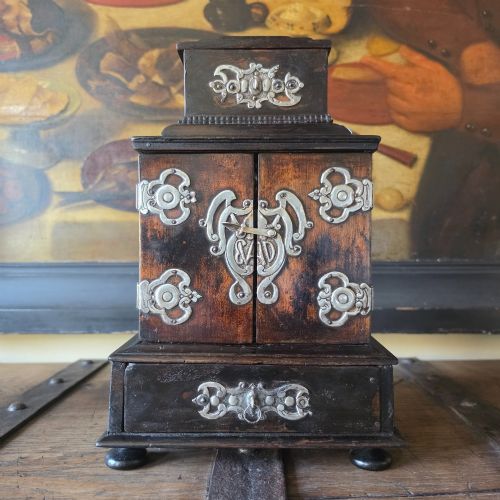
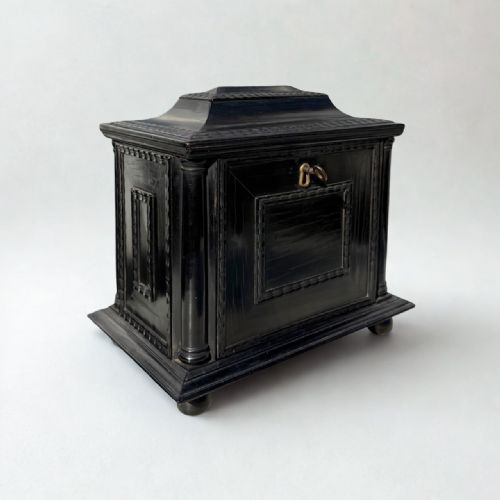
A continental table cabinet encompasses small-scale storage forms designed for tabletops and surfaces, ranging from jewellery boxes to architectural caskets. Buyers searching for a continental table cabinet encounter pieces spanning from pre-sixteenth century examples to early twentieth-century variations.
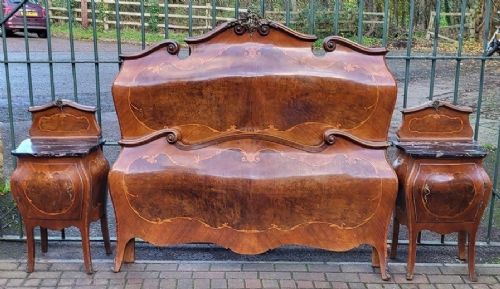
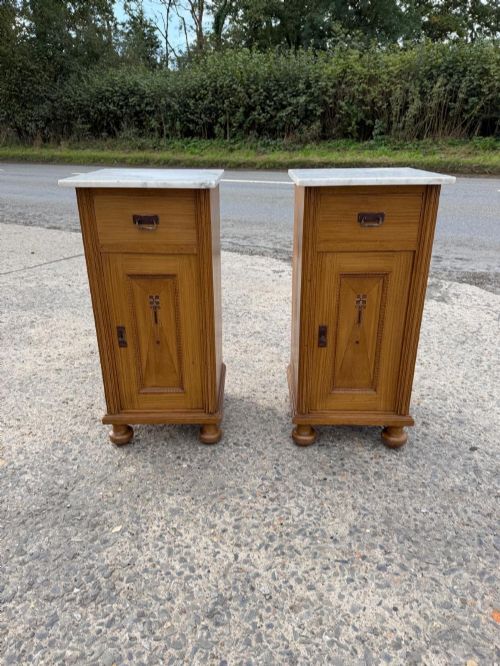
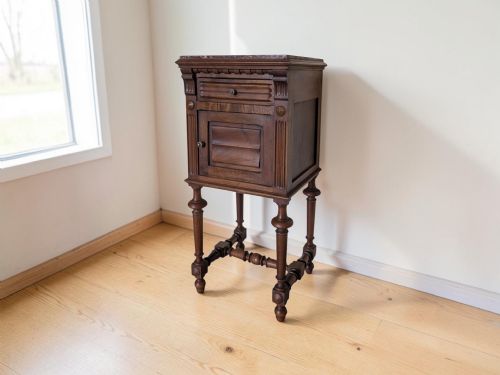
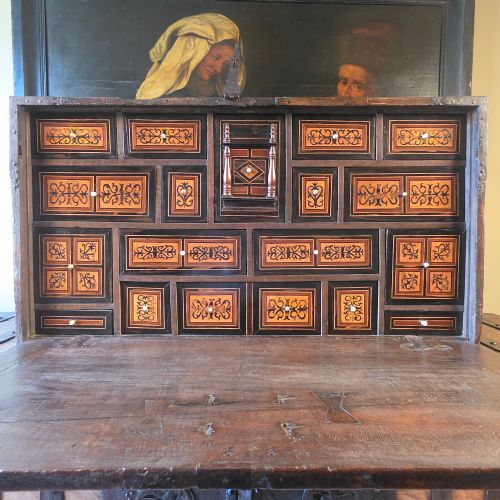
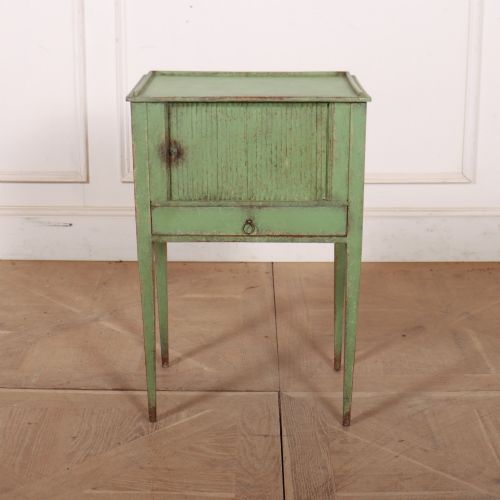
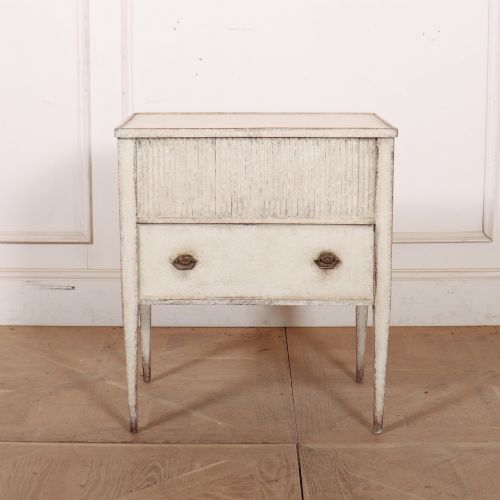
The selection on this page leans heavily towards seventeenth and eighteenth-century Flemish and walnut caskets, alongside nineteenth-century painted bedside cupboards and twentieth-century walnut side cabinets. These objects served intimate functions in European homes, holding valuables, documents, or personal items.
Formats vary from intricate parquetry table caskets to simpler painted pine bedside cabinets and walnut side units. Each piece reflects the regional aesthetic of its origin, whether Dutch, Flemish, Italian, or Hungarian.
Materials and construction
Construction relies on timber foundations utilising walnut, oak, pine, ebony, and kingwood, often enhanced by decorative veneers and intricate parquetry or marquetry inlay. Cabinetmakers employed solid woods alongside exotic veneers to create stable, visually rich surfaces that endured centuries.
Metal hardware plays an essential role, with brass hinges, locks, and mounts securing the structure and adding functional ornamentation. Selected pieces incorporate marble tops, painted finishes, or glass panels to elevate the visual weight and utility of the cabinet.
Continental Table Cabinet Retail Price Guide 2026
Typical asking prices for continental table cabinet among the pieces listed under this phrase on Sellingantiques today, from the lower quarter to the upper quarter. They describe what is for sale here now, not the wider market.
Some seventeenth-century Flemish caskets hide secret compartments behind dummy drawer fronts designed to outwit curious guests.
Distinctions in quality
Quality reveals itself in the precision of the parquetry, the choice of figured wood veneers, and the integrity of the original hardware. Finer examples display meticulous joinery and sophisticated inlay work that remain tight and stable over centuries.
The Continental Table Cabinet Glossary
- Parquetry
- Geometric wood inlay patterns forming decorative motifs on cabinet surfaces. This technique requires exceptional precision in cutting and fitting small wood segments.
- Marquetry
- Elaborate pictorial or decorative veneer work using various coloured woods and natural materials. It creates complex surface designs across the front and top panels of fine cabinets.
- Casket
- A small decorative box or chest traditionally used for holding jewels, relics, or precious documents. These portable containers often feature elaborate locking mechanisms and internal compartments.
- Escritoire
- A small writing desk fitted with drawers, pigeonholes, or a drop-front writing surface. Table top versions provide compact workspace combined with secure storage.
- Kingwood
- A dense, richly figured timber imported from South America and frequently used as a veneer in high-end cabinetmaking. Its distinct dark and golden grain markings prized by period craftsmen.
Continental Table Cabinet: Frequently Asked Questions
What is a continental table cabinet used for?
These cabinets served historically for securing jewellery, letters, and small personal valuables upon a table or desk.
Modern collectors utilise them as decorative focal points on sideboards or mantelpieces while still storing small trinkets.
How do I identify seventeenth-century pieces?
Seventeenth-century examples often feature dense timbers like ebony, heavy moulded panels, and stark architectural proportions associated with Flemish Baroque styles.
Construction methods rely on hand-cut joints, forged iron or brass hardware, and traditional animal glues that predate modern manufacturing.
Are bedside cabinets part of this category?
Bedside cabinets and bedside tables frequently appear alongside traditional table cabinets due to overlapping regional classifications and continental furniture definitions.
These pieces share similar wood selections, such as walnut and painted pine, reflecting the domestic furniture output of the nineteenth and twentieth centuries.
How should I care for antique wood surfaces?
Maintain antique timber by keeping cabinets away from direct sunlight and sudden humidity shifts that cause wood to crack or warp.
Apply microcrystalline wax sparingly to nourish the polish and protect the grain without building up heavy residue.