






Antique Ebony Casket
An antique ebony casket is a dense, dark cabinet or box that brings rich timber grain and historic craftsmanship directly to your desk or dressing table.
Antique Ebony Casket
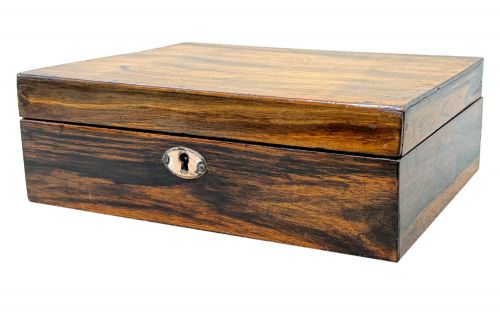
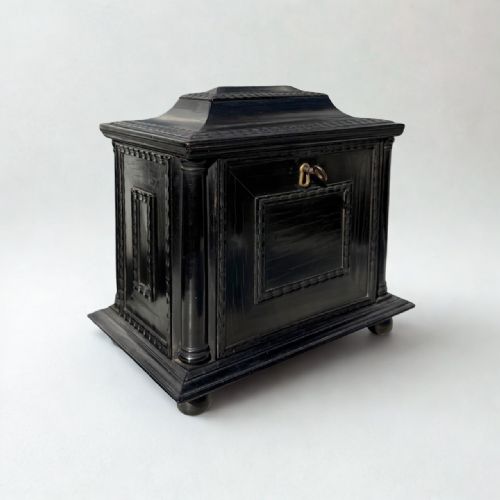
When you search for an antique ebony casket, you are looking at substantial dark wood boxes and table cabinets constructed from solid ebony or veneered onto secondary timbers. The selections span several centuries, reaching from the seventeenth century through the Regency and Victorian eras up to the early twentieth century.
You will encounter forms that range from small trinket boxes and jewellery boxes to larger writing boxes and table cabinets. Many examples originate from Flemish workshops, the nineteenth-century Anglo-Indian colonial tradition, or Italian revivalist studios.
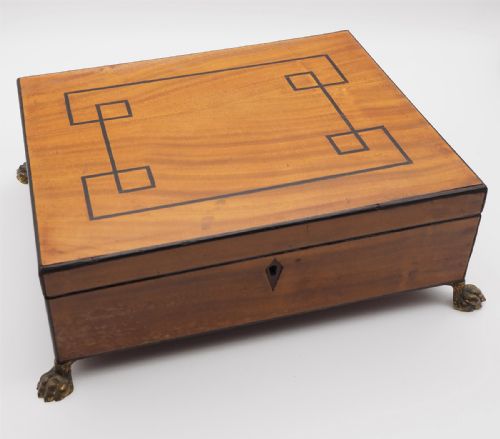
The pieces often incorporate contrasting woods and decorative inlays, meaning you frequently find combinations involving walnut, fruitwood, satinwood, and kingwood alongside the primary dark body. Such boxes served utilitarian purposes for writing or safekeeping valuables while doubling as decorative objects of status.
Construction and Materials
Maker construction relies on heavy tropical hardwoods chosen for their density and dark tone, paired with lighter secondary woods like walnut and fruitwood for internal structure or parquetry. Cabinet makers shaped solid ebony or applied fine veneers to create stable panels that resisted warping over time.
Surface enrichment frequently involves intricate parquetry, bone inlay, and brass mounts. Artisans utilised contrasting materials such as mother-of-pearl, tortoiseshell, and porcupine quill to produce geometric patterns and pictorial scenes across the lids and drawer fronts.
Listings feature pieces spanning the seventeenth century to the twentieth century, incorporating materials like coromandel wood, mother-of-pearl, and burr yew alongside ebony.
Assessing Quality
Quality depends upon the precision of the parquetry and the complexity of the inlay work integrated into the dark timber ground. Pieces featuring meticulous bone, ivory, or contrasting wood mosaics display a higher level of workshop skill than plain panelled versions.
The sophistication of the internal fittings, such as velvet-lined compartments, secret drawers, and original brass hardware, elevates the standing of an individual box. The integration of regional artistic traditions, whether Flemish baroque carving or Anglo-Indian colonial craftsmanship, defines the artistic ambition of the piece.
The Antique Ebony Casket Glossary
- Ebony
- A dense, heavy dark wood prized by cabinet makers for its deep colour and smooth finish. It forms the primary structural or decorative body of these caskets.
- Parquetry
- Geometric woodwork formed by fitting small pieces of contrasting timber together to create patterned surfaces on box lids and sides.
- Table Cabinet
- A small, portable cabinet designed to sit upon a table or desk, featuring internal drawers and compartments for valuables.
- Anglo-Indian
- A style of decorative art and furniture produced during the British colonial period in India, often combining local timber carving techniques with European forms.
- Tunbridge Ware
- A distinct type of nineteenth-century woodwork characterised by mosaic designs built from thousands of tiny tinted wood blocks.
Antique Ebony Casket: Frequently Asked Questions
What were antique ebony caskets used for?
These boxes served multiple domestic and personal functions, primarily housing precious jewellery, writing implements, or small valuable documents.
Their substantial construction and lockable lids made them secure receptacles for portable wealth in wealthy households.
How do I date an ebony casket?
Dating relies on examining the construction techniques, interior fittings, and prevailing decorative styles visible in the woodwork and mounts.
Seventeenth-century examples often display Flemish baroque architectural forms, whereas nineteenth-century pieces frequently show Regency or Victorian revival characteristics.
Are all these caskets made of solid ebony?
Not every box is constructed entirely from solid ebony throughout the entire body.
Many pieces utilise ebony veneers applied over secondary woods like walnut or fruitwood, or combine ebony with other timbers in parquetry patterns.
How should I care for an ebony box?
Maintain the timber by keeping the box away from direct sunlight and sudden humidity changes that could affect the wood and veneers.
Dust gently with a dry, soft cloth and avoid applying modern liquid polishes that might damage historic polished surfaces.