





Anglo Indian Ebony Box
An anglo indian ebony box brings the rich colonial heritage of the nineteenth century directly to a desk or dressing table.
Anglo Indian Ebony Box
The most common examples encountered on this page are writing boxes and smaller trinket containers dating from the Victorian and Regency eras. These containers served practical purposes for correspondence and safekeeping while showcasing distinct regional craftsmanship.
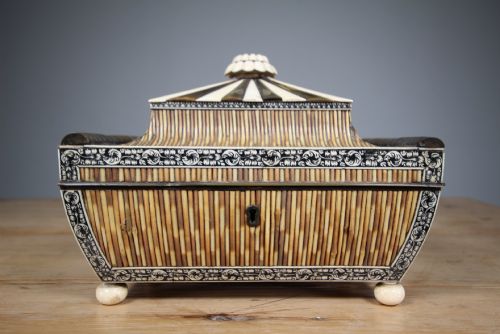
Makers utilised native materials such as porcupine quill, bone, and ivory inlay alongside solid ebony and camphor wood to create striking textural contrast. Such objects range from compact card cases to substantial chests and coffers.
How they were made
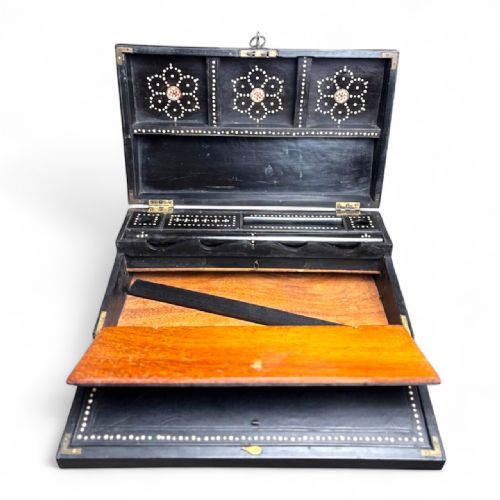
Artisans constructed these boxes using dense hardwoods like ebony, camphor wood, and shisham, often combining them with contrasting organic materials such as bone, ivory, and porcupine quill. The exterior surfaces frequently received detailed reeded decoration or geometric inlay work.
Metal components such as brass hinges, lock plates, and stringing reinforced the structural joints while adding bright metallic detail to the dark timber. Writing slopes and larger trunks incorporated fitted interiors with secret compartments and specialised slots for stationery.
Anglo Indian Ebony Box Retail Price Guide 2026
Typical asking prices for anglo indian ebony box among the pieces listed under this phrase on Sellingantiques today, from the lower quarter to the upper quarter. They describe what is for sale here now, not the wider market.
Listings feature nineteenth century writing boxes, trinket boxes, and trunks constructed from ebony, camphor wood, and porcupine quill.
What varies in quality
The refinement of the surface decoration and the precision of the inlay work largely determine the quality of an anglo indian ebony box. Finer specimens display tightly fitted porcupine quill quillwork, crisp reeded mouldings, and intricate bone or ivory geometric patterns.
Structural integrity also separates standard utility pieces from high grade examples, particularly regarding the survival of delicate quill quills and internal writing slope fittings. The choice of secondary woods and the quality of brass hardware further distinguish masterwork production from simpler colonial items.
The Anglo Indian Ebony Box Glossary
- Ebony
- A dense black or very dark brown hardwood obtained from trees native to tropical regions. It takes a high polish and provides a heavy, durable ground for inlay.
- Writing Slope
- A portable desk with a sloping lid designed for writing letters. When opened, it reveals a flat or angled writing surface and storage compartments for ink and paper.
- Porcupine Quill
- The stiff, sharp modified hair of a porcupine used decoratively in Ceylonese box making. Artisans split and arranged these quills in alternating bands to create textured geometric patterns.
- Sarcophagus
- A box shape characterised by a domed or stepped lid resembling a stone coffin popular during the Regency period. This architectural form gives smaller pieces a monumental appearance.
- Reeded
- A decorative moulding formed of parallel convex strips cut into the surface of the wood. It provides tactile linear detail along the edges of boxes and writing slopes.
Anglo Indian Ebony Box: Frequently Asked Questions
What is an anglo indian ebony box used for?
These boxes served various domestic and administrative purposes during the colonial period, primarily functioning as portable desks, correspondence storage, or secure receptacles for jewellery and valuables.
Today, they make practical desktop accessories or striking display pieces for keeping small items organised in a modern home.
How do I identify a Victorian piece?
Victorian examples often display specific stylistic markers such as reeded decoration, brass stringing, and fitted compartments designed for nineteenth-century writing materials. The overall construction reflects the manufacturing standards and tastes prevalent during the reign of Queen Victoria.
Examining the secondary woods, hinges, and lock mechanisms also helps establish the approximate production era alongside any visible wear patterns.
How should I care for ebony and quill?
Maintain these materials by keeping them away from direct sunlight and dramatic changes in household humidity to prevent the timber from splitting. Dust gently with a dry, soft cloth and avoid applying modern liquid polishes that might damage delicate quill or ivory elements.
Proper environmental control ensures the organic components remain stable within the dry indoor atmosphere.
What distinguishes Ceylonese boxes?
Ceylonese boxes frequently incorporate distinctive materials like porcupine quill alongside camphor wood or ebony, reflecting the specific craft traditions of nineteenth-century Ceylon. The combination of quillwork and bone inlay creates a unique visual texture not typically found in standard British cabinet work.
These regional characteristics point directly to the workshops operating in South Asia during the colonial administration.