



Black Papier Mache Table
These black papier mache table pieces bring Victorian surface and form together, offering durable lacquer and rich decorative finish for any room.
Black papier mache table
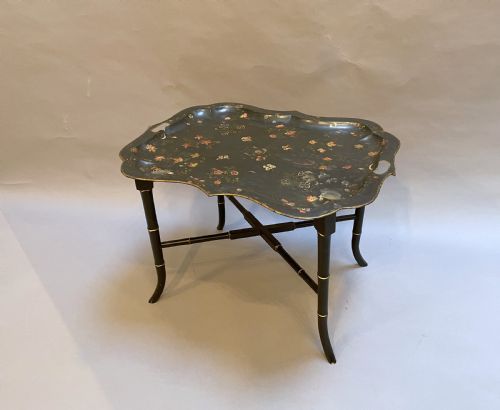
A black papier mache table represents nineteenth-century domestic utility, combining sturdy wooden or iron supports with moulded pulp tops. These items appear primarily as occasional tables, wine tables, games tables, and tray tables set upon separate stands.
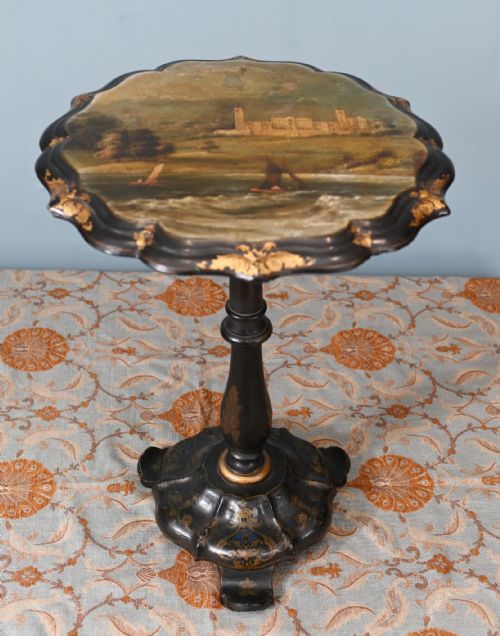
The Victorian period dominates the available examples, ranging from specific dates in the mid-nineteenth century up to eighteen seventy. Buyers encounter pieces finished with ebonised surfaces, carrying either traditional tray tops or tilt-top mechanisms.
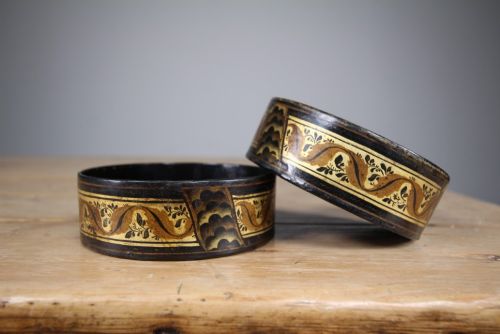
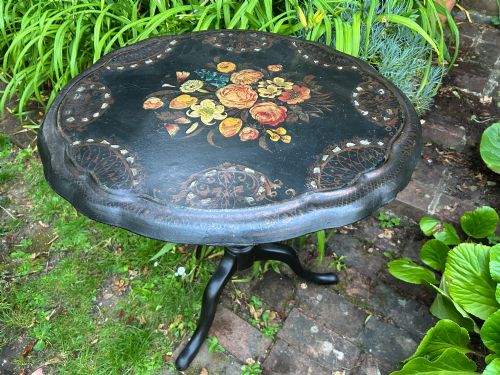
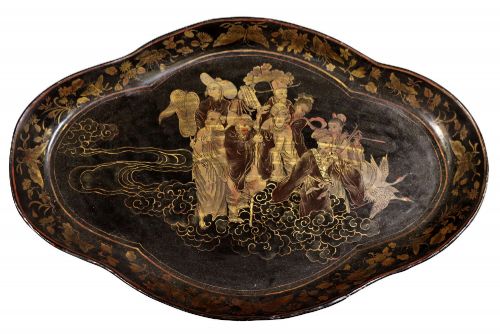
Chinoiserie design and floral motifs frequently define the visual character of these surfaces, accompanied by inlaid details. The forms serve practical functions while displaying the decorative preferences of the nineteenth century.
Materials and construction
Makers constructed these pieces using papier-mache, wood, lacquer, and paint, frequently mounting removable trays onto separate stands made of wood or iron. Artisans applied layers of paper pulp and binders to create robust blanks that withstood daily domestic service.
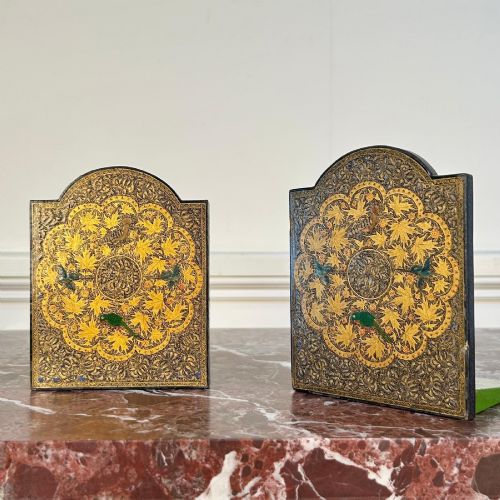
Surfaces received dark lacquer and hand-painted decoration, often incorporating gold leaf and mother of pearl inlay to catch the light. The combination of durable core materials and meticulous surface finishing produced stable tables suited to holding drinks, serving food, or playing games.
Retail Price Guide 2026
Typical UK retail prices for black papier mache table, calculated from the Sellingantiques database of over a million retail prices indexed since 2003. This retail price guide relies exclusively on Sellingantiques data; no external sources or auction records are used, so the figures do not describe the wider market.
Current listings demonstrate a focus on the Victorian era, spanning specific dates from eighteen sixty to eighteen seventy alongside general nineteenth-century examples.
Assessing quality and craftsmanship
The distinction between standard examples and superior pieces rests upon the complexity of the hand-painted ornament and the integration of mother of pearl inlay. Richer decoration and finer brushwork elevate the visual depth of the ebonised surfaces.
Structural integrity of the stands and the preservation of the original lacquer finish govern the overall merit of each item. Pieces retaining crisp gilt work and undamaged inlay demonstrate the highest standards of nineteenth-century workshop production.
The Black Papier Mache Table Glossary
- Papier-mache
- A composite material made from paper pulp or layers of paper mixed with glue, resin, and sometimes chalk, then moulded and dried to form a hard surface. This substance provided a lightweight yet remarkably strong base for furniture tops and trays.
- Ebonised
- Wood or other materials treated to imitate ebony, usually through dark staining and polishing. This dark finish created a striking contrast against gold leaf and mother of pearl decoration.
- Chinoiserie
- European artistic style reflecting Chinese motifs and decorative techniques, popular during the nineteenth century. It frequently featured oriental landscapes, figures, and architectural elements painted onto dark lacquer.
- Mother of pearl
- The iridescent internal layer of mollusc shells, sliced thin and embedded into lacquer surfaces. Craftsmen used these gleaming fragments to highlight flowers, birds, and architectural details on table tops.
- Tilt-top
- A tabletop hinged to its pedestal base, allowing the surface to fold vertically when not in use. This mechanism saved space in nineteenth-century parlours.
Frequently Asked Questions
What is a black papier mache table?
These items are nineteenth-century functional furniture pieces featuring moulded pulp tops supported by wooden or iron stands. They were designed for domestic utility such as serving drinks or displaying decorative objects.
Most examples date from the Victorian era and incorporate ebonised finishes, hand-painted details, and mother of pearl inlay. Their portable tray designs made them versatile additions to period parlours.
How do I care for my table?
Keep the surface away from direct sunlight and excessive moisture to protect the delicate lacquer and hand-painted details. Dust gently with a soft, dry cloth without applying modern chemical polishes.
Protect the finish from heat and liquids by using coasters or mats. Gentle handling ensures the original nineteenth-century materials remain stable.
Are these tables sturdy enough for daily use?
The papier-mache material is surprisingly robust and was specifically engineered for domestic service such as holding tea sets or playing games. However, their antique status requires considerate handling.
Avoid placing excessively heavy items on the top and ensure the supporting stands are kept stable. Normal everyday use as an occasional table is entirely suitable.
How do I identify a Victorian piece?
Look for characteristic nineteenth-century construction methods, including traditional tray-on-stand formats and specific decorative motifs like Chinoiserie and floral hand-painting. Materials such as mother of pearl inlay and ebonised wood point directly to this era.
Dates recorded across these items cluster around the mid to late nineteenth century, reflecting the peak popularity of papier-mache furniture.