


Black Paper Print
When buyers seek a black paper print, they uncover historic printed works on paper, often framed under glass in wood or giltwood.
Black Paper Print
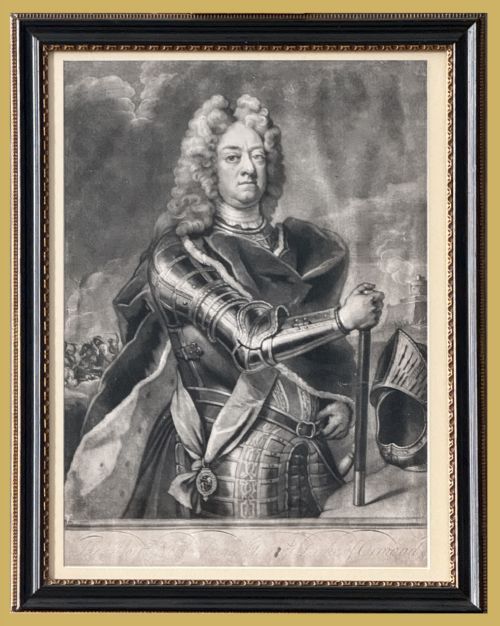
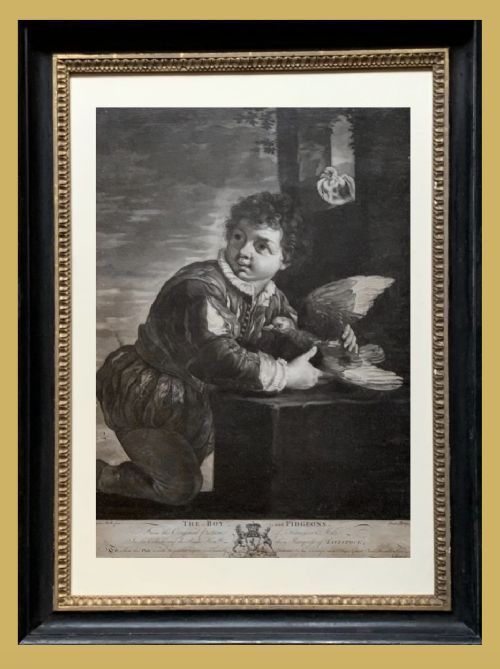
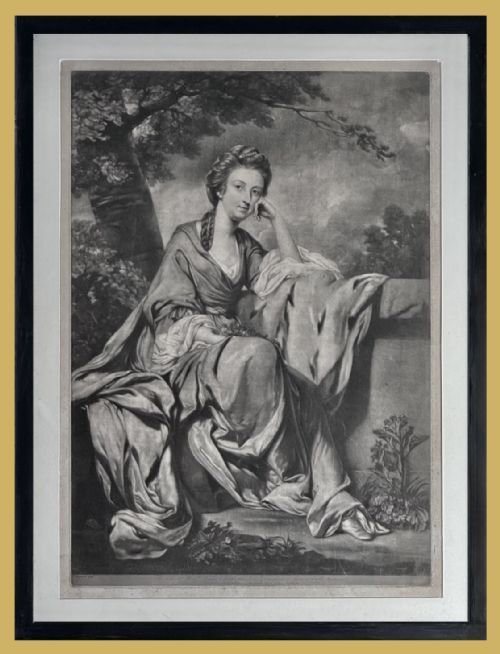
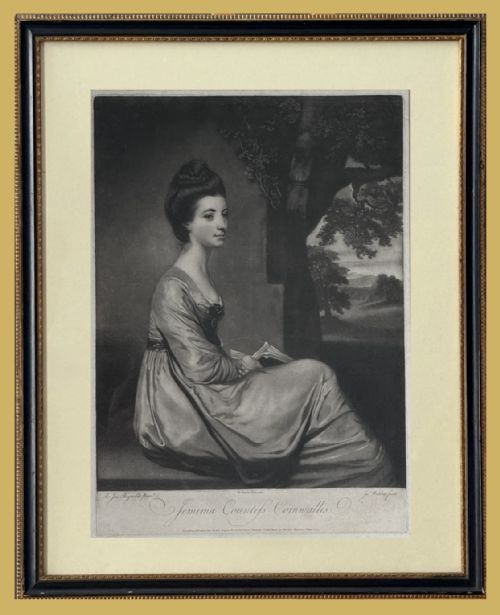
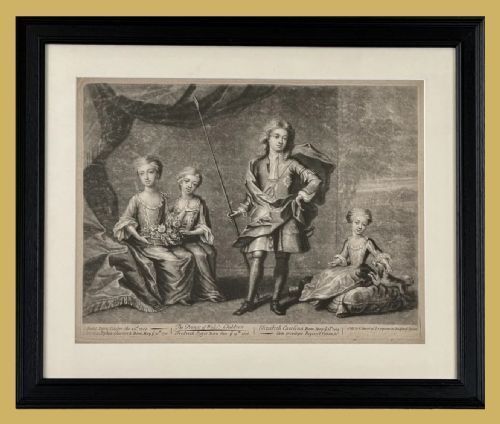
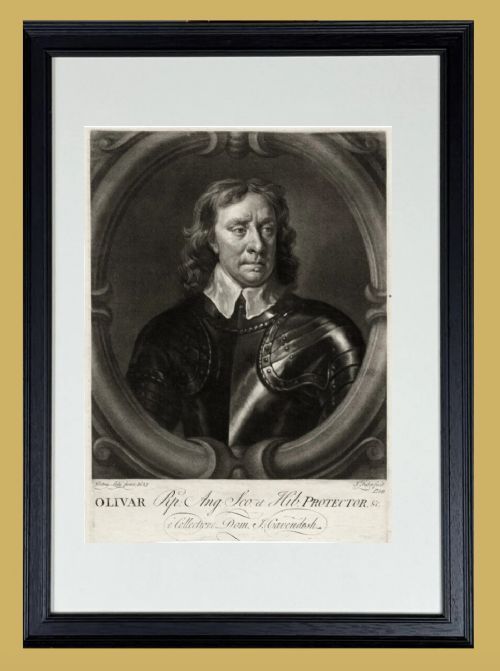
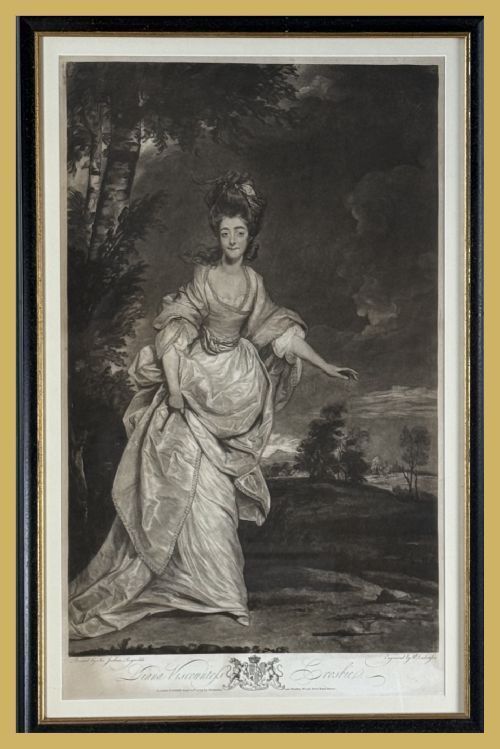
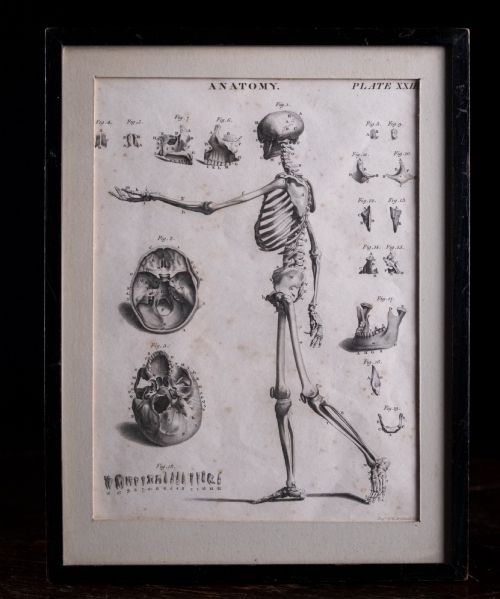
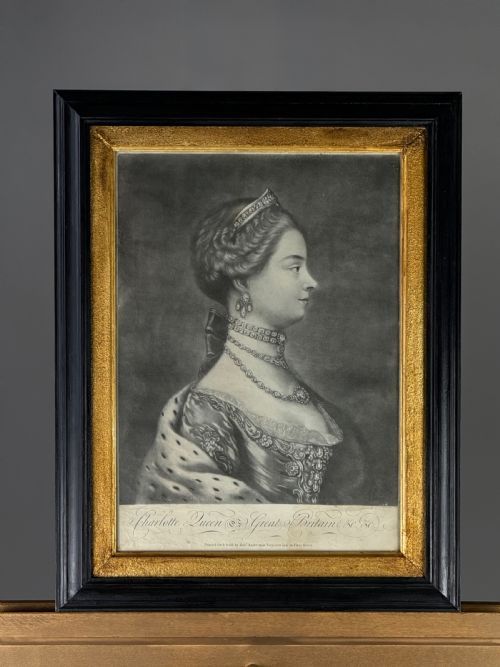
A black paper print selection encompasses framed prints, wall art, etchings, and engravings originating from the seventeenth century onward through the Georgian period into the early twentieth century. These works frequently depict historical portraits, classical antiquity, maps, and anatomical studies.
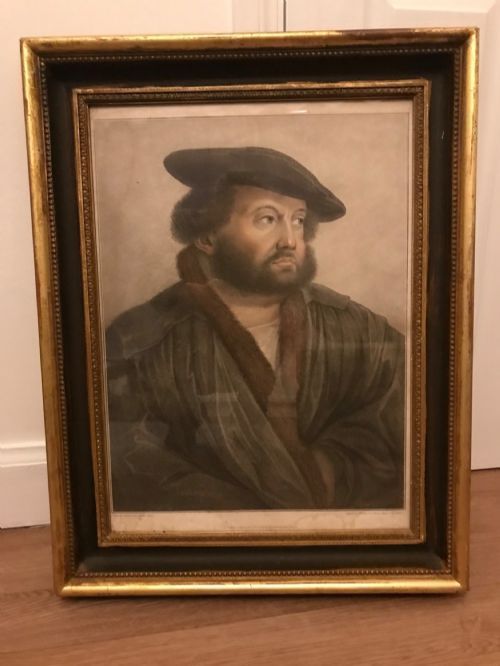
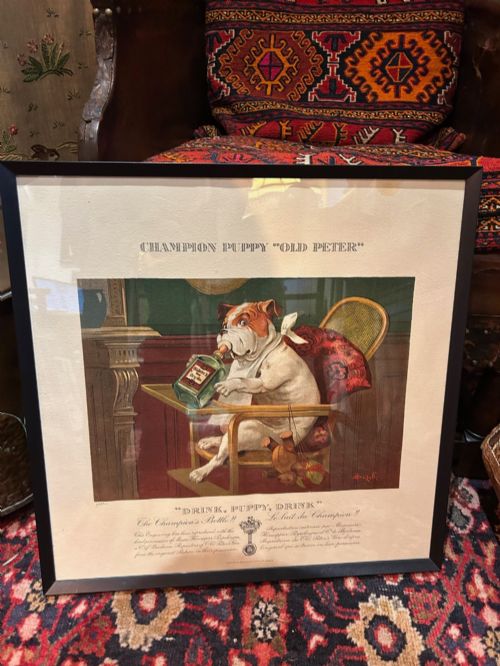
Buyers encounter a high concentration of eighteenth-century mezzotint portraits alongside nineteenth-century etchings and early twentieth-century advertising or animal studies. The inventory spans works rendered in ink, pastel, and stipple engraving on paper.
The physical presentation typically pairs the printed paper with period framing, including gilt wood and original Hogarth frames. These objects reflect centuries of printmaking traditions across British, French, and Dutch origins.
What varies in quality
The crispness of the ink impression upon the paper separates early, strong pulls from worn later strikes. Master printmakers and skilled engravers achieved superior depth of shadow and delicate line definition in portraiture and landscape scenes.
The survival of original framing, such as period Hogarth frames or contemporary gilt wood surrounds, elevates the historical integrity of the piece. Preservation of the paper sheet without severe fading or moisture staining dictates the standing of individual examples.
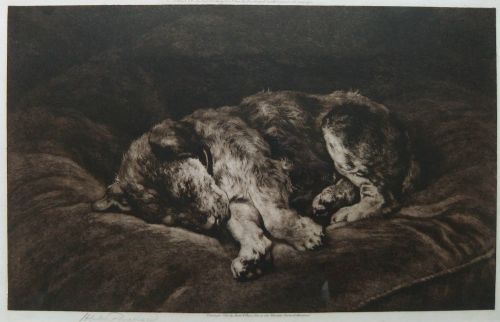
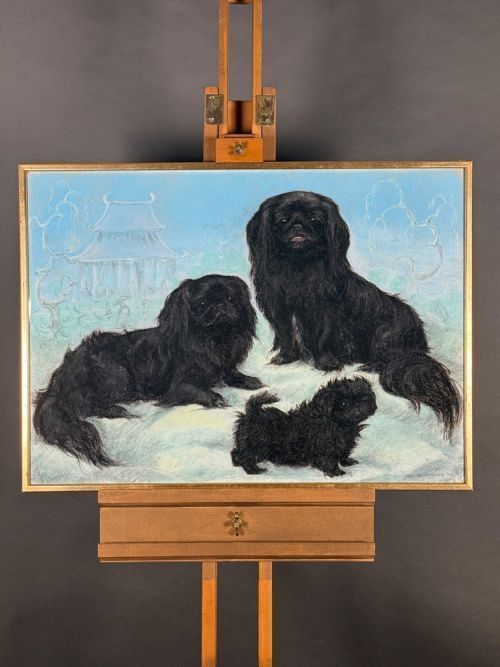
A study of three black Pekingese dogs rendered in pastel on paper shares space with centuries of solemn statesmen and classical deities.
John Simon·John Boydell·Edward Fisher·Francesco Bartolozzi·John Smith·James Watson·Joseph Sympson·W Dickinson·James McArdell·Thomas Watson·François Perrier·Amand Durand·William Lionel Wyllie·Robert Williams·Valentine Green·Richard Houston·Jacobus Houbraken·Étienne Baudet
The Black Paper Print Glossary
- Mezzotint
- A printmaking process of the intaglio family where the plate is systematically roughened to produce rich dark tones and subtle gradations. This technique was widely utilised for dramatic portraiture during the eighteenth century.
- Etching
- A method where lines are bitten into a metal plate with acid before ink is applied and transferred to paper under pressure. Artists valued this medium for expressive freedom of line.
- Stipple engraving
- A technique using dots rather than continuous lines to create figures and portraits with soft tonal effects. It gained popularity in the late eighteenth century for reproducing fine paintings.
- Giltwood
- Wood carved and coated with a thin layer of gold leaf or gilt powder. It is frequently found on ornate frames housing classical prints.
- Hogarth frame
- A narrow, stepped wooden frame style popular in the eighteenth and nineteenth centuries. These frames often complement period engravings and monochrome works.
Black Paper Print: Frequently Asked Questions
What periods do these prints date from?
The inventory spans the seventeenth, eighteenth, and nineteenth centuries, extending into the early twentieth century. This timeline covers Georgian, Victorian, and Edwardian aesthetic movements.
Buyers find works created during distinct historical eras, ranging from early mezzotint portraits to twentieth-century artist etchings and advertising posters.
How should I care for framed paper prints?
Keep framed pieces away from direct sunlight to prevent the ink and paper from fading over time. Maintaining stable indoor humidity protects both the paper substrate and the wooden frame.
Displaying them in rooms with minimal temperature fluctuations ensures the preservation of fragile nineteenth-century and earlier works.
What subjects are most common?
Portraits dominate the selection, depicting historical figures, nobility, and literary subjects after master painters. Other recurring subjects include classical antiquity, maps, anatomical studies, and animals.
These diverse visual themes reflect the changing publishing tastes and decorative uses of prints across three centuries.
Are the frames original to the pieces?
Many listings feature period surrounds such as original Hogarth frames or giltwood mouldings dating close to the creation of the print. Surviving original housing adds significant historical context to the artwork.
Checking individual descriptions clarifies whether a frame is period-appropriate or a later replacement.