



Late Victorian Engraving
Late victorian engraving brings together decorated sterling silver, silver plate, and glass pieces produced towards the close of the nineteenth century.
Late Victorian Engraving
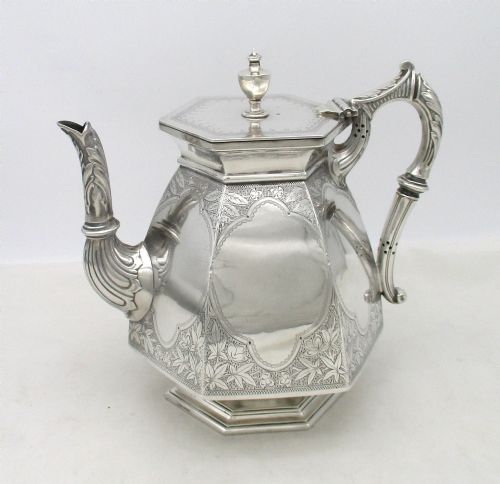
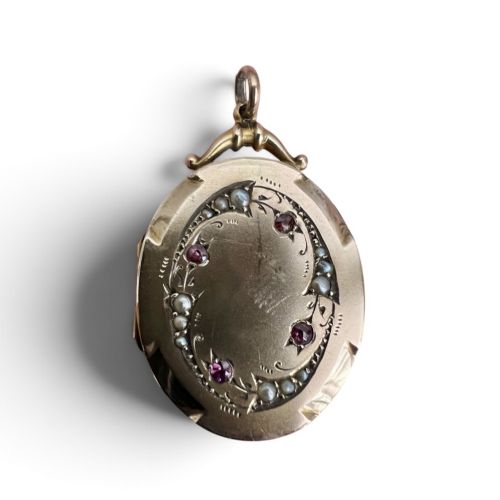
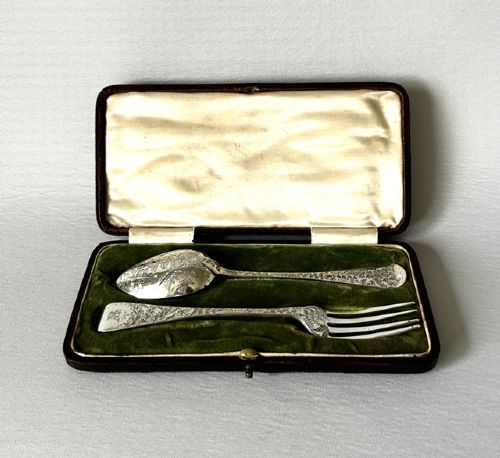
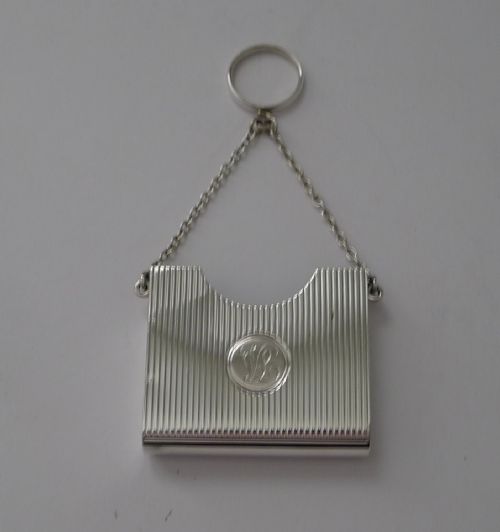
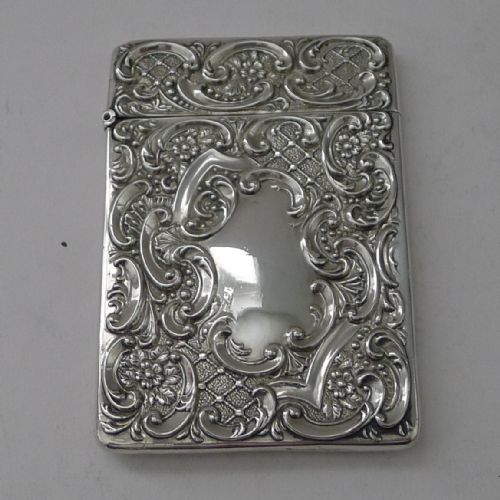
Late victorian engraving encompasses a diverse selection of decorative and utilitarian items created during the final decades of the nineteenth century. Buyers searching for late victorian engraving encounter tableware, desktop items, and personal accessories embellished with surface decoration.
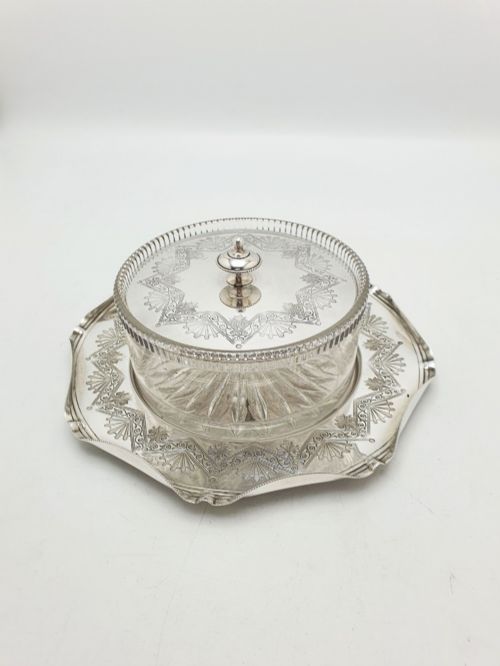
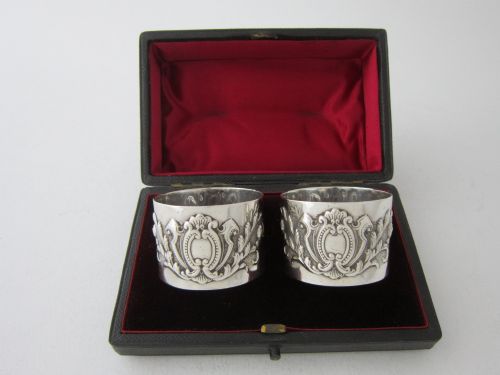
The objects span solid sterling silver, electroplated nickel silver, and cut glass forms. Common manifestations include napkin rings, vesta cases, claret jugs, serving trays, and decorative glassware.
Originating predominantly from the Victorian and Edwardian eras, these pieces reflect the aesthetic sensibilities of the late 1800s and early 1900s. Many items combine metalwork with hand-cut or etched glass elements.
How they were made
Makers utilised sterling silver and electroplated nickel silver as primary metallic bases for holloware and personal accessories. Cut glass and glass components receive surface enrichment through wheel engraving and etching techniques.
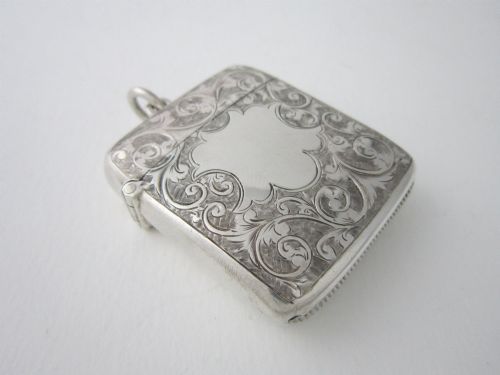
Craftsmen applied manual incision methods using gravers to cut decorative motifs directly into metal surfaces. Glass decorators employed wheel engraving to create intricate birds, branches, and floral patterns.
Common object forms include napkin rings, vesta cases, claret jugs, serving trays, and drinking glasses decorated with floral and avian motifs.
What varies in quality
The depth and precision of the manual incisions dictate the visual impact of the surface decoration. Crisp, well-defined lines demonstrate superior hand-engraving skill compared to shallow or mechanical alternatives.
Material substance and structural preservation distinguish finer examples from standard items. Substantial silver gauge and intact glass liners contribute to the overall merit of surviving tableware.
Sampson Mordan·John Harrison·Walker And Hall
The Late Victorian Engraving Glossary
- Engraving
- The process of cutting design lines into metal or glass using a sharp tool called a graver. This technique removes material to create permanent surface patterns.
- Etching
- A method where acid eats into exposed metal or glass surfaces to form decorative designs. It produces softer lines than direct mechanical cutting.
- Sterling silver
- An alloy consisting of ninety-two point five percent silver by mass, with the remainder usually copper. It represents the standard quality for British silver items.
- Electroplated nickel silver
- A base metal alloy of copper, nickel, and zinc coated with a layer of silver through an electrolytic process. It served as an accessible alternative to solid silver.
- Vesta case
- A small pocket box designed to hold matches, typically fitted with a striking surface on the base. These cases often display elaborate surface decoration.
Late Victorian Engraving: Frequently Asked Questions
What materials are common in late victorian engraving?
Sterling silver, silver plate, and cut glass form the primary material basis for these items. Artisans combined metal mounts with glass vessels to produce functional tableware.
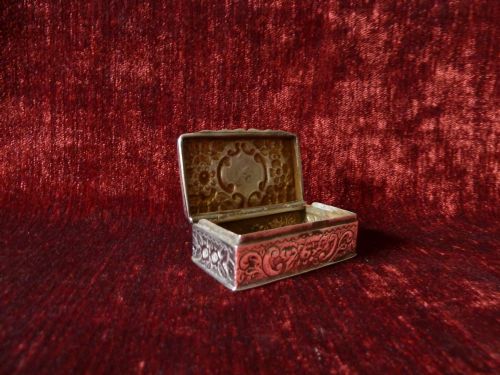
Additional substances such as brass, velvet, and silk occasionally appear in specific functional objects from the period.
How do you clean silver items with engravings?
Gentle washing with warm water and mild soap helps maintain the metal without harming the recessed details. Soft cloths prevent scratching the polished surfaces.
Aggressive chemical dips risk stripping the dark patina that accentuates fine engraved lines.
What is the difference between etching and engraving?
Engraving involves physically cutting lines into the material using a sharp metal tool. This method produces crisp, deep grooves.
Etching uses acid to bite into the surface through a protective ground. This technique yields softer, more fluid pictorial representations.
Are these items marked with hallmarks?
British silver pieces generally carry standard hallmarks indicating the assay office, metal standard, and date letter. These marks help verify the exact year of manufacture.
Silver-plated items typically feature maker marks or electroplate stamps rather than official sterling hallmarks.