
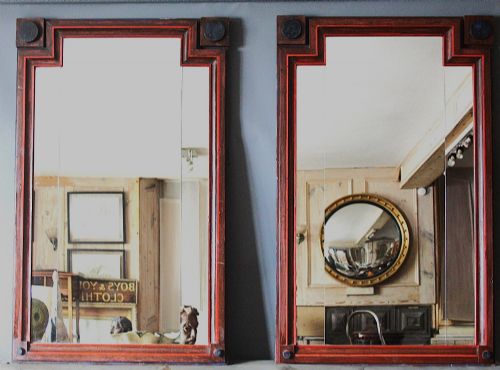


Black Painted Mirror
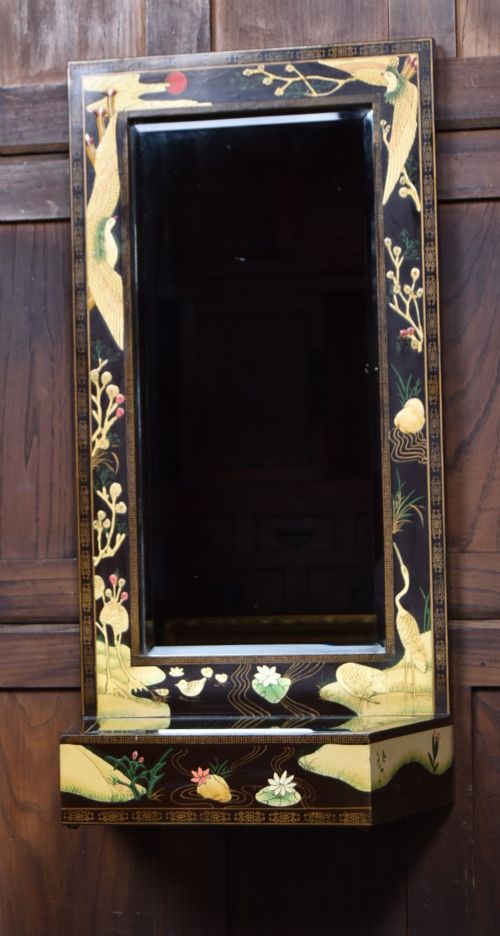
A black painted mirror brings immediate depth and architectural focus to a room, ranging from restrained Victorian ebonised frames to decorative Chinoiserie lacquered designs.
Black Painted Mirror
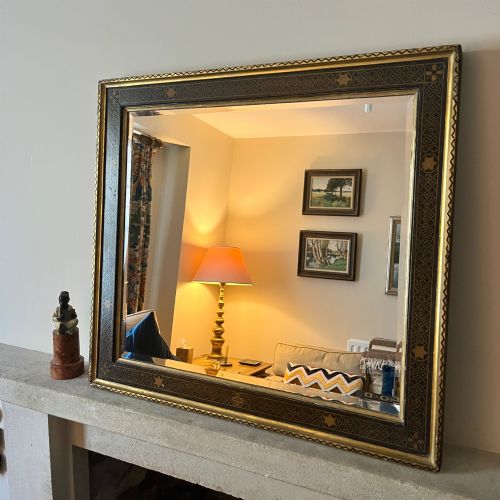
A black painted mirror serves as a strong focal point in interior spaces, bridging historical periods from the late eighteenth century through to the twentieth century. These pieces encompass substantial overmantel formats designed for hearth placement alongside smaller wall-hung oval and rectangular variants.
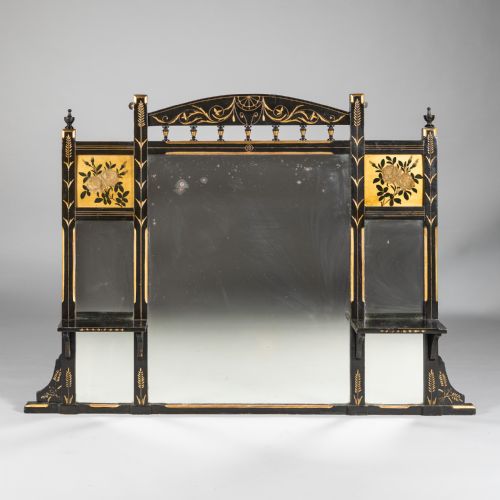
The selection on this page relies heavily on nineteenth-century examples, particularly Victorian Aesthetic Movement pieces finished in ebonised wood with gilt highlights. Alongside these, buyers encounter Georgian designs, Chinese export items, and later Art Deco interpretations.
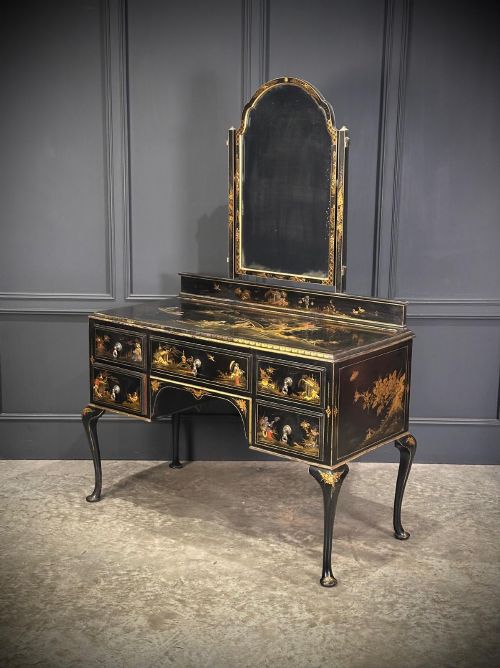
Beyond standard wall mirrors, the category stretches to include dressing tables, console tables with integrated mirrors, and specialised items such as fairground mirrors. This variety reflects how dark painted or ebonised surfaces were adapted across different domestic and commercial functions.
Materials and construction
Makers built these frames using timber substrates such as mahogany, carved wood, and gesso, applying dark paint, lacquer, or ebonising techniques to achieve a dense black finish. Many frames incorporate parcel-gilt or silvered highlights to accentuate carved mouldings and aesthetic details.
Mirror glass of the period is set within these heavy frames, occasionally taking the form of reverse-painted glass panels or architectural arched plates. The combination of painted wood and reflective surfaces creates the distinctive contrast central to these historic items.
Listings span the eighteenth, nineteenth, and twentieth centuries, incorporating Victorian, Georgian, and Art Deco styles alongside materials such as glass, paint, ebonised wood, and gold leaf.
Assessing quality and finish
Quality rests upon the crispness of the original carved wood and gesso ornamentation beneath the black paint, where finer pieces display sharp relief and delicate handling. The depth and integrity of the ebonising or lacquering determine the richness of the surface appearance.
The relationship between the mirror glass and the frame indicates the standard of manufacture, with well-proportioned sightlines and substantial timber construction marking out superior examples across Victorian and earlier periods.
The Black Painted Mirror Glossary
- Ebonised
- Wood treated with a stain or finish to imitate ebony. This dark, dense treatment gained popularity during the nineteenth century, particularly within the Aesthetic Movement.
- Gesso
- A plaster-like mixture applied to wood frames and carved before painting or gilding. It provides a smooth base that holds crisp decorative details.
- Overmantel
- A large mirror designed to hang specifically above a fireplace mantelpiece. These pieces often feature architectural proportions to anchor the hearth wall.
- Chinoiserie
- European artistic style reflecting Chinese motifs and decorative techniques. It frequently appears on lacquered furniture and mirrors from the eighteenth and nineteenth centuries.
- Parcel-gilt
- Wood or gesso partially gilded with gold or silver leaf, leaving portions of the underlying black paint or wood exposed for contrast.
Black Painted Mirror: Frequently Asked Questions
Where should I hang an overmantel mirror?
These large mirrors sit naturally directly above a fireplace mantelpiece, where their proportions reflect the hearth and draw the eye upward.
Positioning them at the correct height ensures they capture light from surrounding windows and anchor the surrounding furniture arrangement.
How do I identify an Aesthetic Movement mirror?
Aesthetic Movement pieces typically feature ebonised wood surfaces combined with precise gilt highlights and geometric or subtly Asian-inspired carved details.
They date primarily to the late nineteenth century and reject heavy Victorian ornamentation in favour of starker, artistic compositions.
What is the difference between lacquered and painted mirrors?
Lacquered surfaces involve the buildup of resin-based coats, often associated with Chinoiserie styles and smooth, glossy finishes.
Painted or ebonised frames rely on pigments or stains applied directly to timber or gesso, yielding a different surface texture and depth.
How do I care for antique black painted frames?
Dusting the frame gently with a dry, soft cloth prevents the accumulation of particles in the carved gesso crevices without disturbing the finish.
Avoiding moisture and harsh cleaning solutions protects both the dark paint and any original gilt highlights from premature wear.