
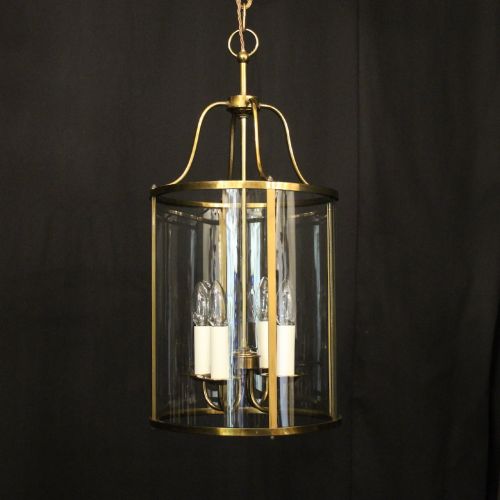


Antique Convex Glass
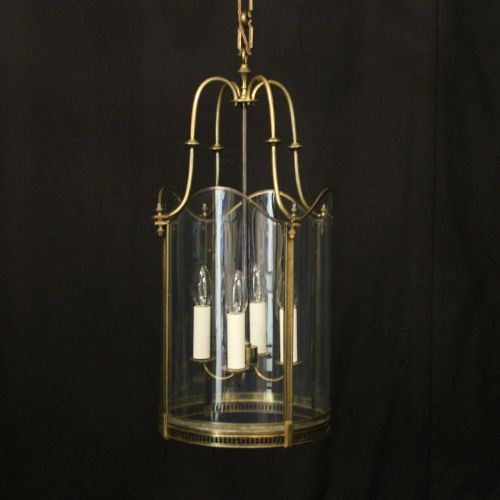
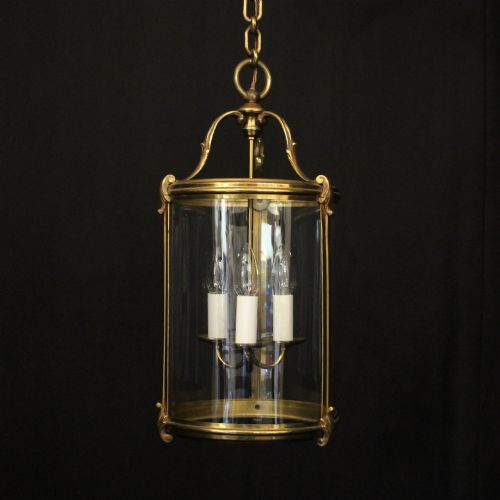
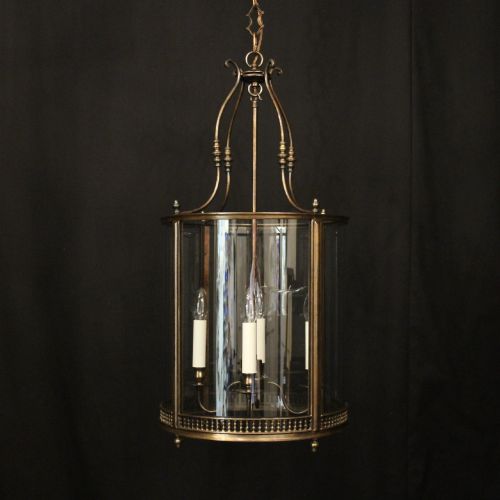
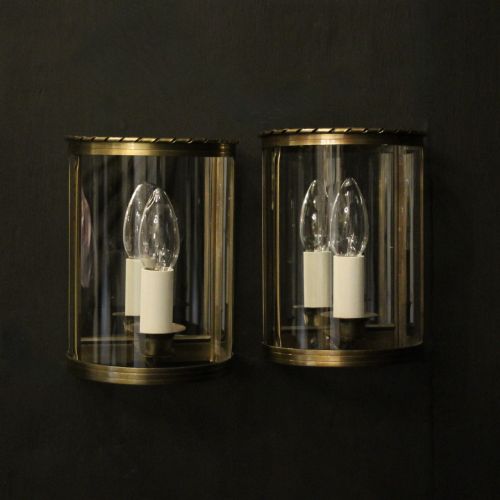
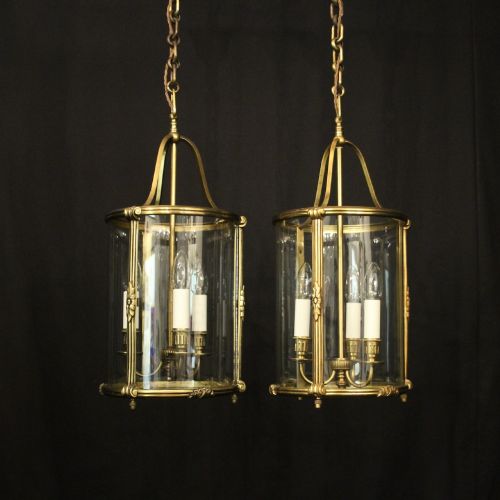
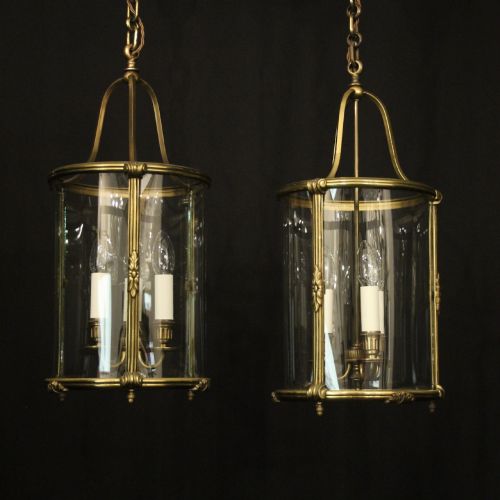
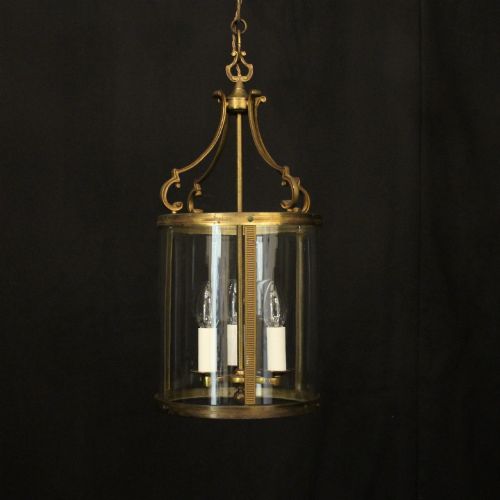
Antique convex glass brings distortion and depth to a room, most often seen in circular wall mirrors and hall lanterns.
Antique Convex Glass
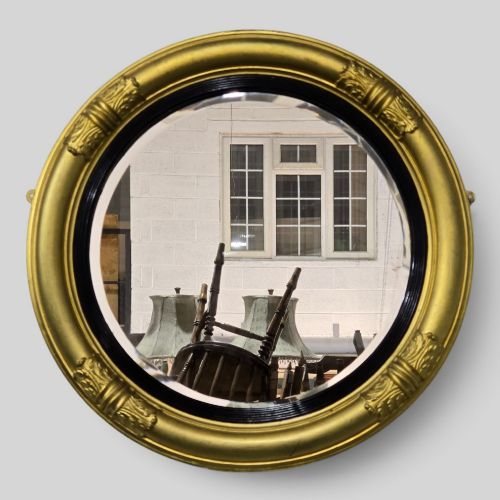
When searching for antique convex glass, buyers encounter a distinct group of circular wall mirrors, hall lanterns, and wall clocks spanning the Regency period through the twentieth century.
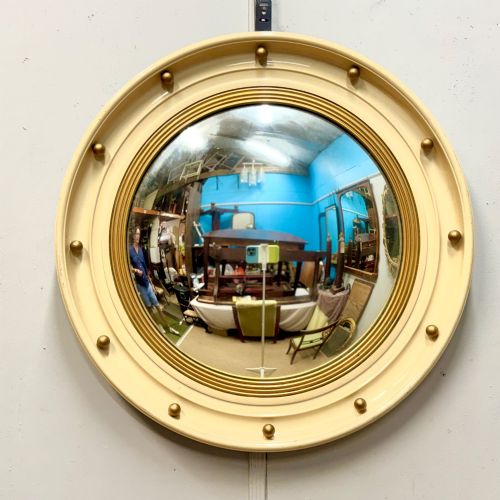
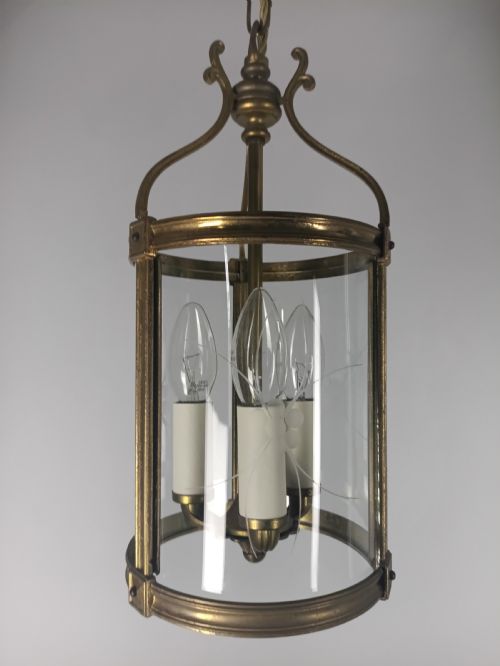
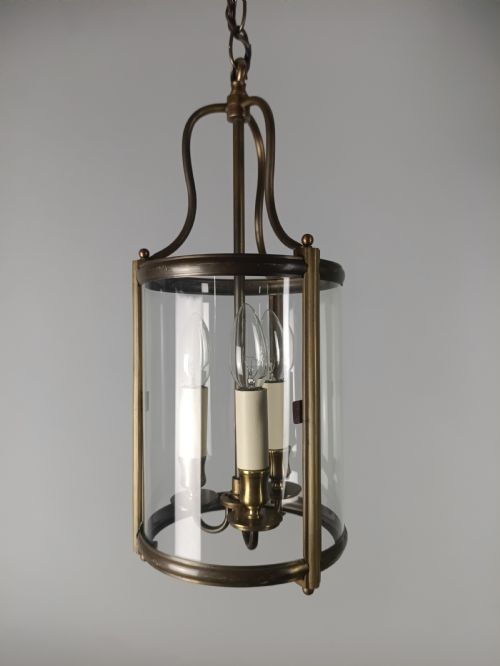
The most frequent forms on this page are Regency and Victorian giltwood mirrors alongside French and English hall lanterns fitted with curved panes.
These objects manipulate reflections, throwing a wide-angle view of the interior back into the room through distorted, curved surfaces.
How they were made
Makers produced convex plates by blowing glass into spheres or slumping heated discs into moulds, resulting in thick plates with characteristic ripples and bubbles.
Frames utilise carved giltwood, brass, bronze, and ebonised wood, constructed to support the outward thrust and heavy weight of the curved glass.
Listings feature items spanning the Regency period, Victorian era, and the early twentieth century up to 1930.
What varies in quality
Quality rests upon the depth and clarity of the glass plate and the crispness of the surrounding frame, whether carved giltwood or cast bronze.
Original mercury silvering, untouched gilding, and intact structural mounts elevate a piece above later replacements or heavy restorations.
Coalbrookdale
The Antique Convex Glass Glossary
- Convex glass
- Curved glass that bulges outward toward the viewer, creating a spherical reflection. This technique gathers light from a wide angle.
- Bulls eye mirror
- An alternative term for a round convex mirror. The name references the circular, concentrated centre of the glass.
- Giltwood
- Timber coated with a thin layer of gold leaf. This finish defines the frames of many Regency and Victorian mirrors.
- Toleware
- Lacquered or painted metalware used for lantern bodies and decorative housings. It provides durable colour in French lighting designs.
- Fusee
- A conical pulley mechanism used in clocks to maintain even power as the mainspring winds down. It appears in nineteenth-century dial clocks.
Antique Convex Glass: Frequently Asked Questions
What is a sorcerer's mirror?
A sorcerer's mirror is a nineteenth-century convex wall mirror, often featuring multiple minor spheres or decorative ball accents around the main plate. Victorians valued them for their unusual optical distortion and decorative presence.
These pieces capture broad panoramic reflections of a parlour or hall. They function primarily as striking visual accents rather than functional grooming mirrors.
How do I clean antique convex glass?
Clean antique convex glass gently with a dry or barely damp microfiber cloth to remove dust. Avoid harsh chemical sprays that might seep behind the frame and damage vulnerable silvering or backing.
Take care around the edges of the plate where the glass meets the rebate. Moisture trapped here can cause corrosion to the historic backing over time.
Were convex hall lanterns used outdoors?
Convex hall lanterns were designed for interior entrance halls, vestibules, and stairwells rather than exposed outdoor locations. Their brass, bronze, and gilt frames house delicate electrical or candle fittings.
Protecting them from weather ensures the survival of original gilding and metal patination. They cast patterned light through their curved glass panes into enclosed spaces.