

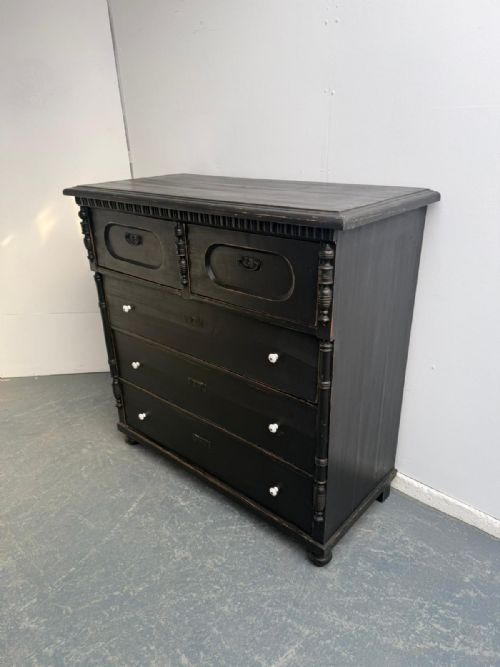


Black Painted Chest
A black painted chest brings a dark, graphic presence to a room, offering robust storage in pine, oak or lacquered wood.
What these pieces are
When you search for a black painted chest, you encounter practical storage furniture ranging from humble pine drawer units to elaborate lacquered cabinets. The pieces listed span several centuries, moving from provincial European workshops to far-flung decorative traditions.
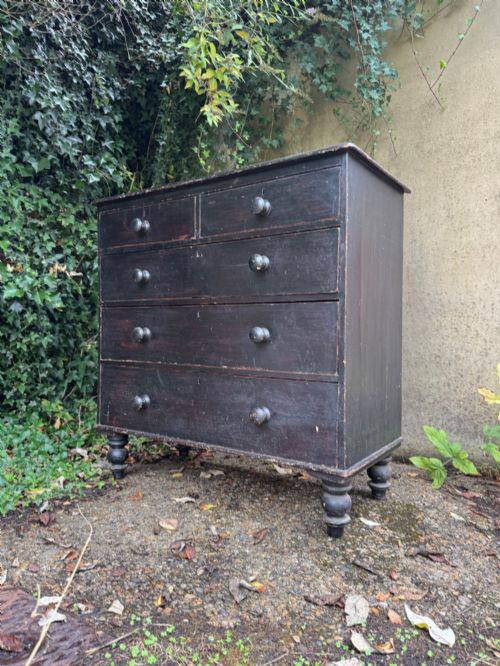
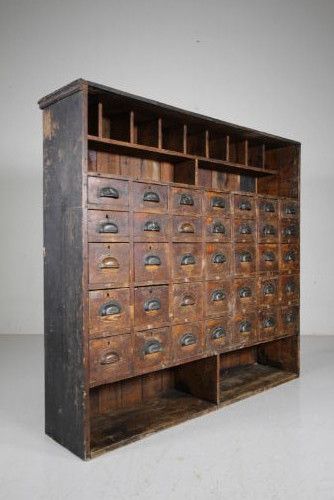
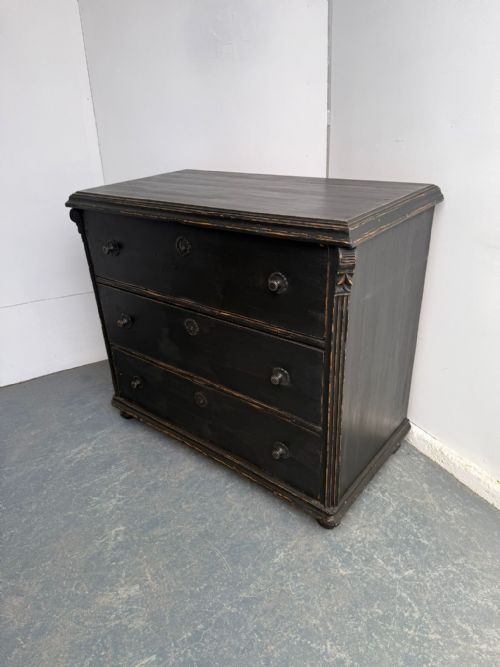
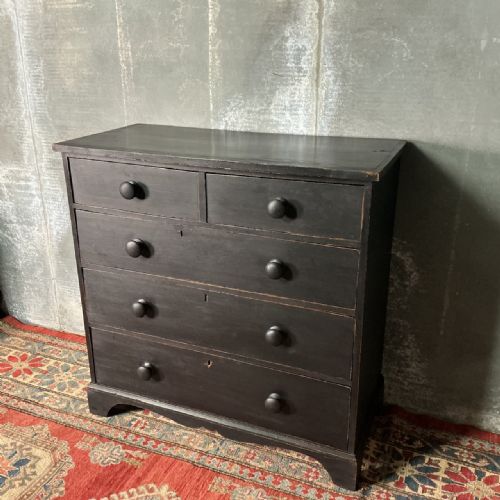
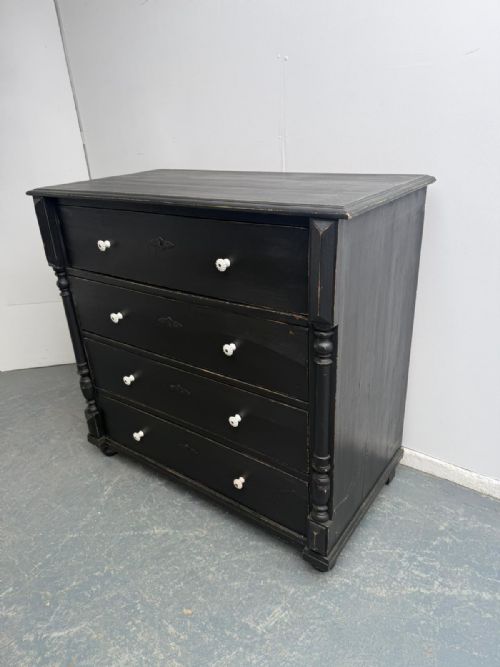
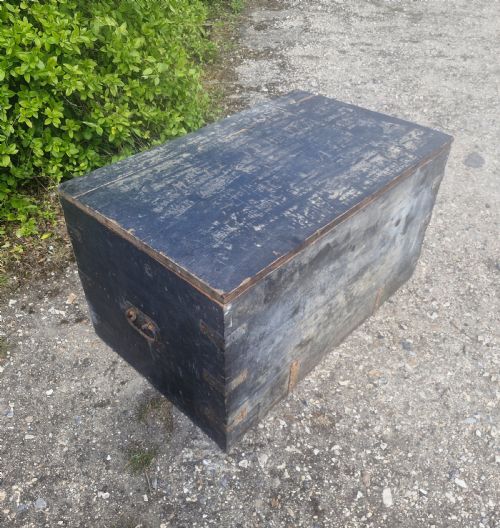
You are most likely to meet Victorian pine drawer chests finished in black paint, often originating from regional European contexts like Hungary. These functional items sit alongside French commodes, tool chests, and lighter early twentieth-century cupboard forms.
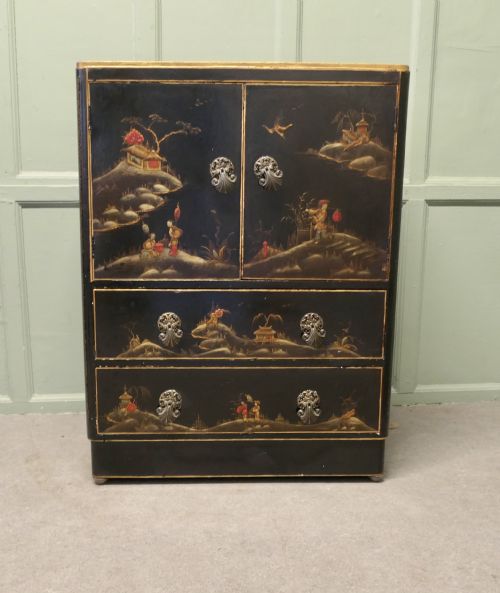
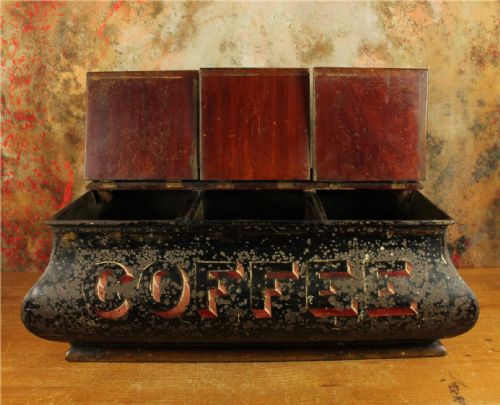
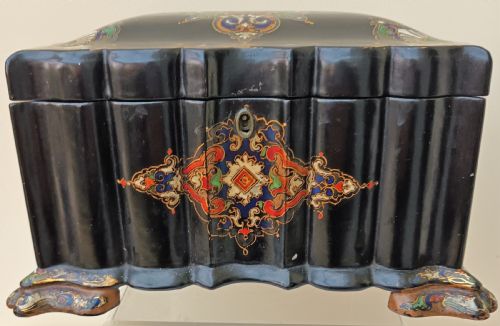
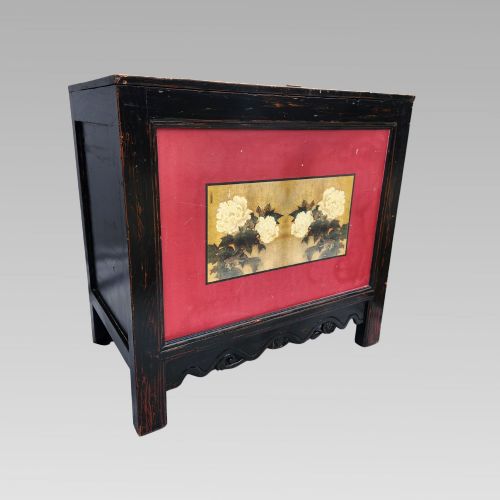
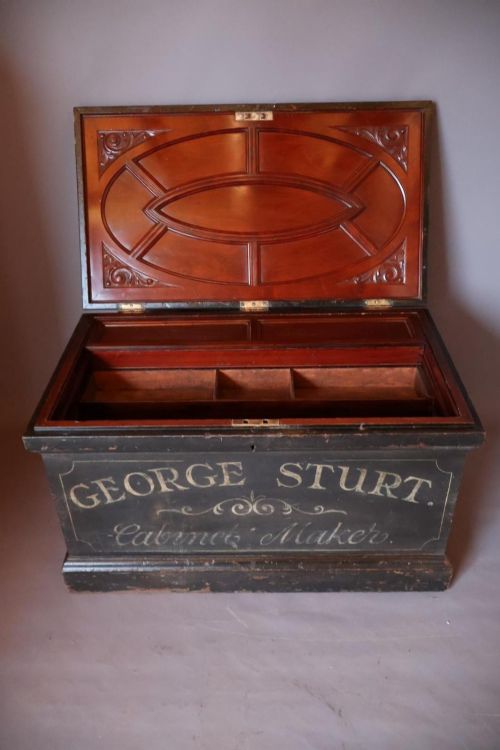
The aesthetic shifts considerably across the selection, encompassing plain utility, hand-lettered institutional pieces, and ornate Chinoiserie or Korean styles. Each version serves the dual purpose of concealing clutter while anchoring a room's decorative scheme.
How they were made
Makers utilised solid timbers such as pine and oak as the foundational structure, building durable carcases with multiple drawers or cabinet doors. Surfaces were then prepared to receive layers of black paint, lacquer, or gilt highlights.
Hardware played a crucial role in construction, with brass, ceramic, and metal fittings securing joints and operating drawers. Specialised techniques included hand sign-writing, applied lacquer panels, and ormolu mounts to elevate the visual impact of the wood.
Retail Price Guide 2026
Typical UK retail prices for black painted chest, calculated from the Sellingantiques database of over a million retail prices indexed since 2003. This retail price guide relies exclusively on Sellingantiques data; no external sources or auction records are used, so the figures do not describe the wider market.
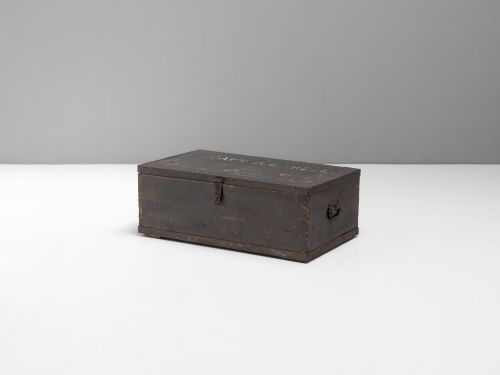
One surviving pine chest bears the hand-painted identity of the Bluecoat School in Liverpool, having swapped classroom duties for domestic retirement.
What varies in quality
The distinction between standard utility items and finer examples rests upon the integrity of the original surfaces and the nuance of decorative detail. Superior pieces retain authentic painted finishes or intricate lacquer work that has aged with balanced character.
Construction methods and hardware selection further separate the tiers of quality, distinguishing straightforward provincial carpentry from sophisticated French commodes or detailed Chinoiserie cabinets. Original brass or ceramic fittings and retained maker labels elevate the historical interest of a piece.
Louis Majorelle
The Black Painted Chest Glossary
- Commode
- A low cabinet or chest of drawers, particularly of French origin, designed for elegant domestic storage. These pieces often feature decorative mounts and curved surfaces.
- Chinoiserie
- European decorative style inspired by Chinese art and design, characterised by lacquered finishes and gilt motifs. This technique was frequently applied to cabinets and cupboards.
- Ormolu
- Gilt-bronze ornamentation applied to furniture, popular in high-status French pieces. It adds metallic contrast to dark lacquered or painted wood.
- Pine
- A softwood commonly utilised for provincial furniture carcases and drawer construction throughout the Victorian period. It provided an affordable and readily available material for painted finishes.
- Lacquer
- A durable varnish derived from resin or sap, built up in multiple layers to create a hard, glossy surface. It forms the foundation of Asian and European decorative cabinets.
Frequently Asked Questions
What is a black painted chest?
A black painted chest is a storage item finished with dark paint or lacquer, spanning utilitarian pine drawer units to decorative cabinets.
These pieces emerge from various periods, including the Victorian era and the eighteenth century, reflecting multiple regional styles.
Where were these chests made?
The evidence shows origins across Europe and Asia, including regional Hungarian workshops, French provincial centres, and Korean traditions.
Craftsmen utilised local woods like pine and oak before applying black paint, lacquer, or decorative sign-writing.
How do I style a black painted chest?
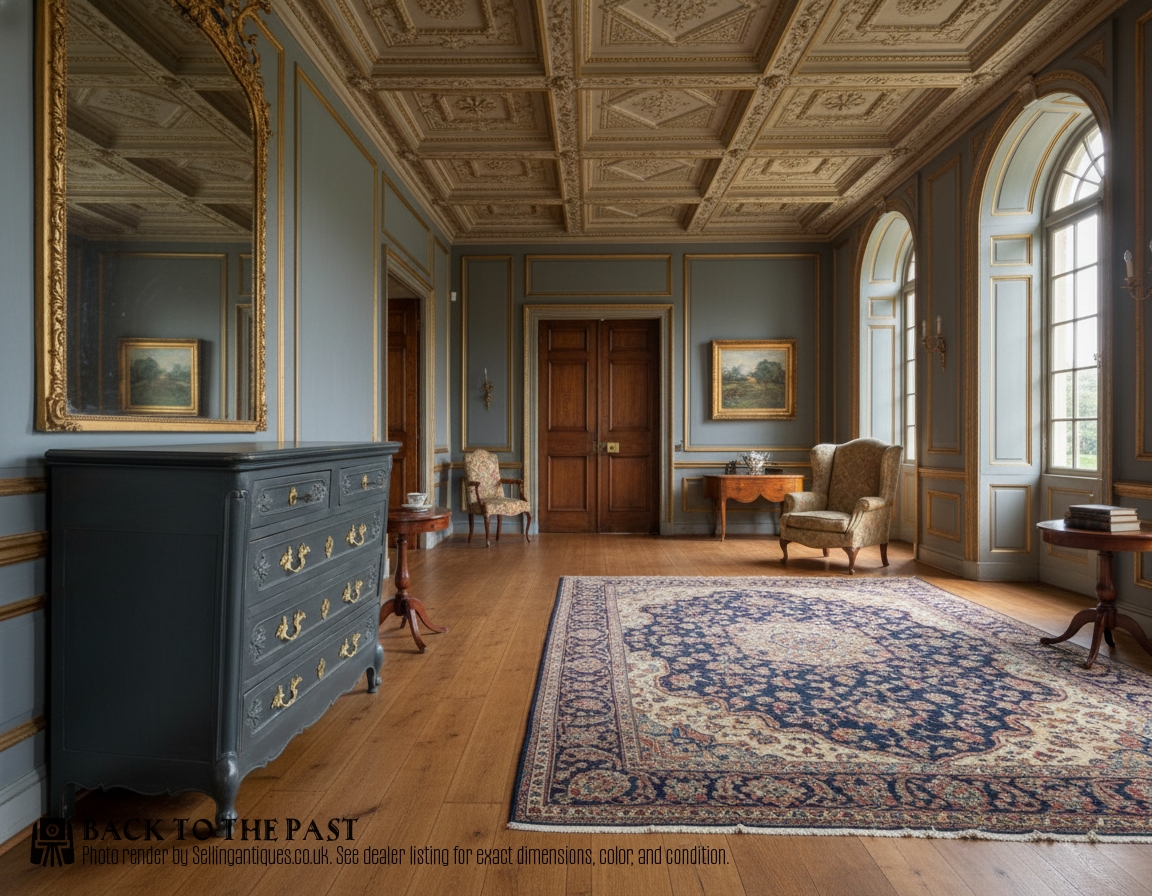
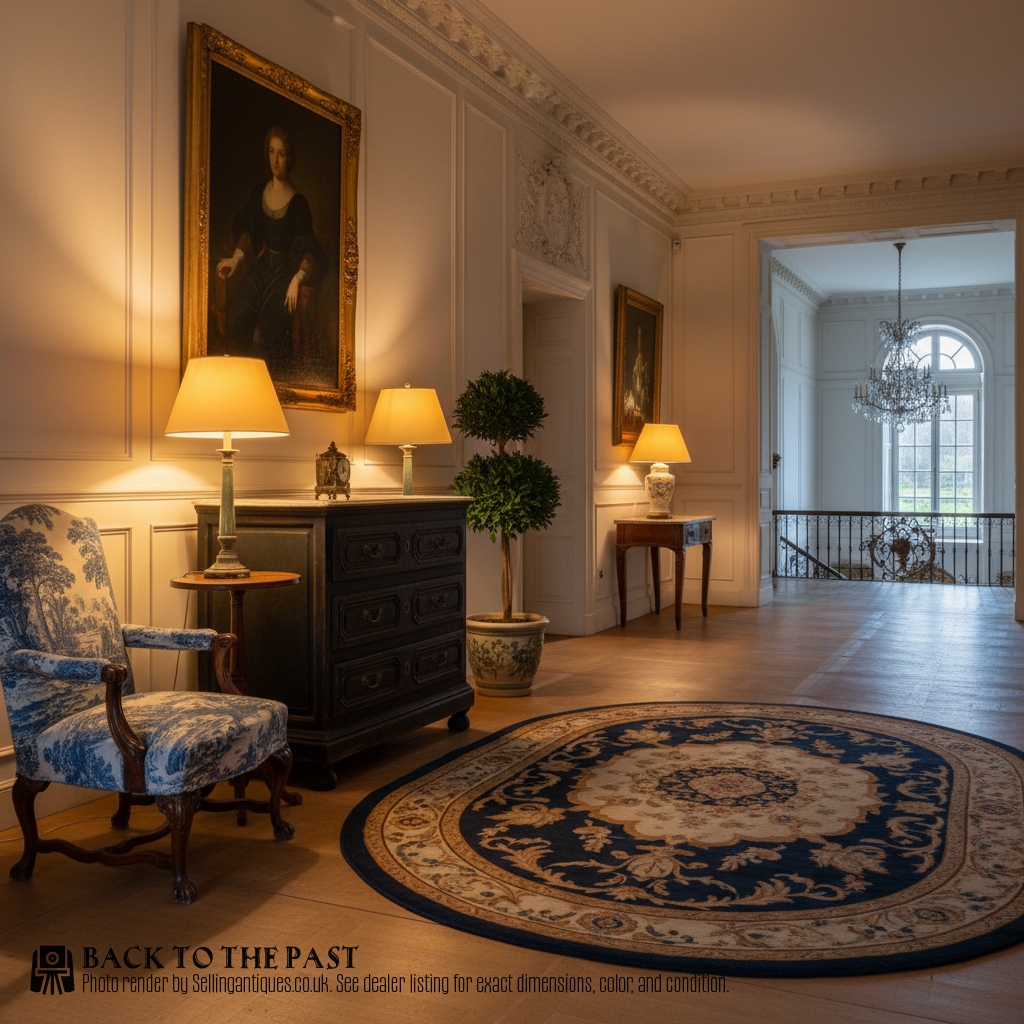
A black painted chest functions well as a strong visual anchor in a hallway, bedroom, or living space, offering contrast against lighter walls.
The dark surface allows brass or ceramic hardware to stand out as a decorative detail.
How do I identify the period?
Period identification relies on construction techniques, timber choice, and stylistic markers such as French commode shaping or Victorian pine drawer proportions.
Original labels, hand-written inscriptions, and specific decorative idioms like Chinoiserie also point toward particular eras.