


Black Gilt Display Stand
A black gilt display stand combines dark ebonised surfaces with bright gold enrichment, offering a striking stage for precious objects.
Black Gilt Display Stand
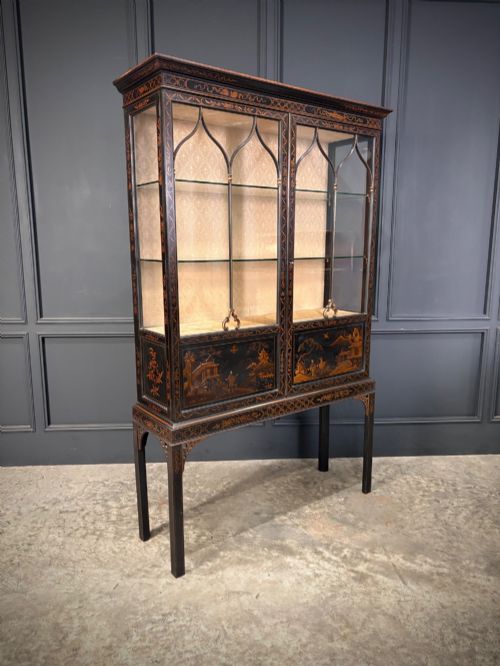
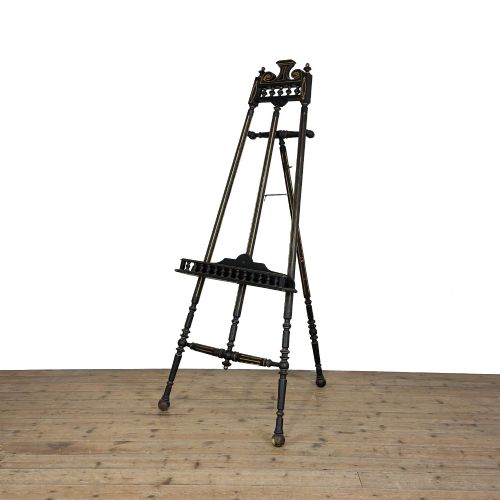
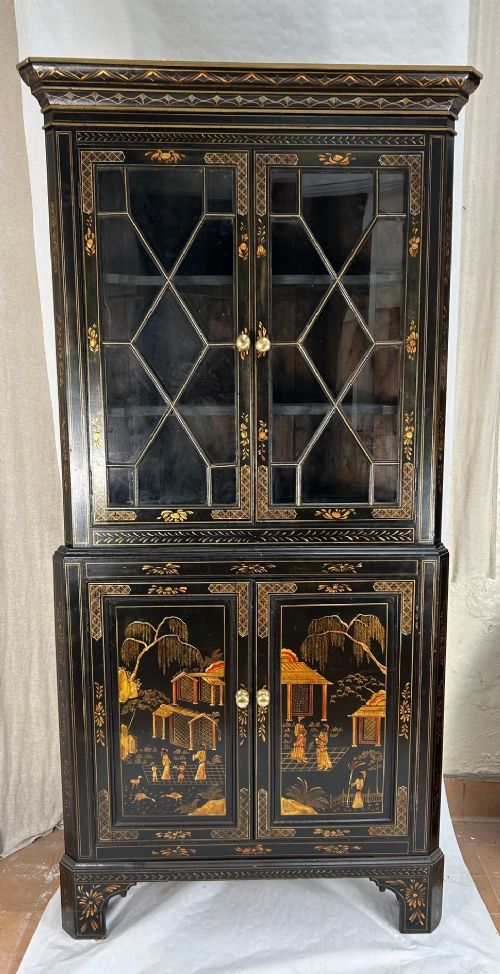
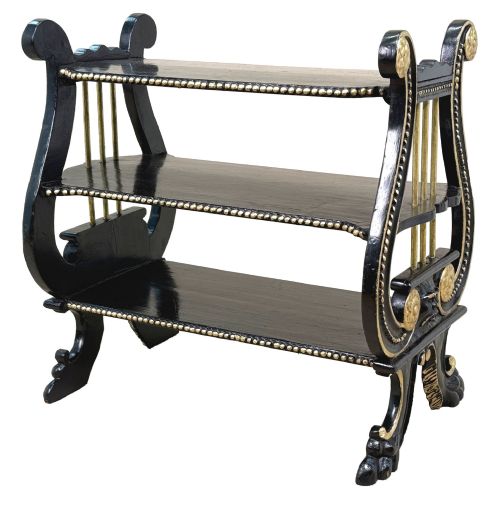
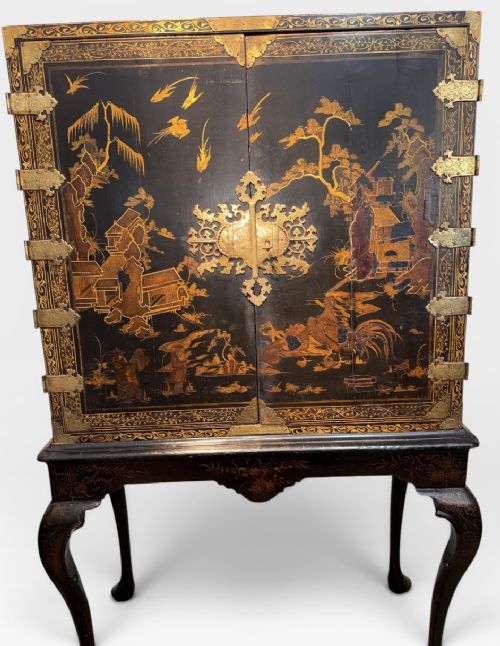
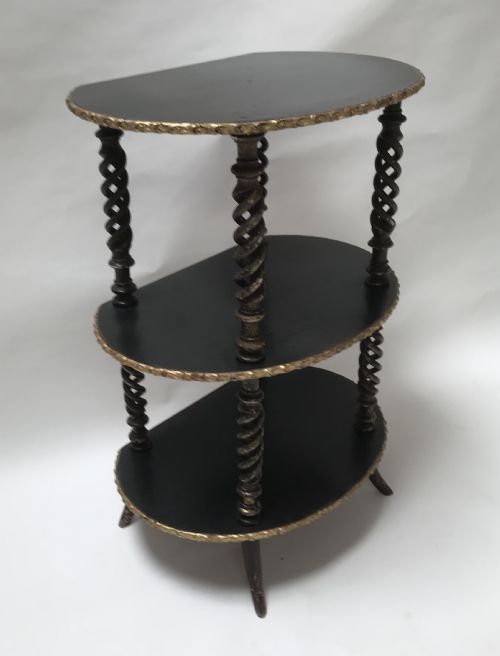
A black gilt display stand encompasses a diverse group of furniture forms designed to elevate or enclose treasured items, ranging from floor-standing easels and etageres to cabinets on stands and torchere columns. The selection on this page leans heavily toward Victorian ebonised pieces and Chinoiserie lacquerware, reflecting tastes from the eighteenth century through to the early twentieth century.
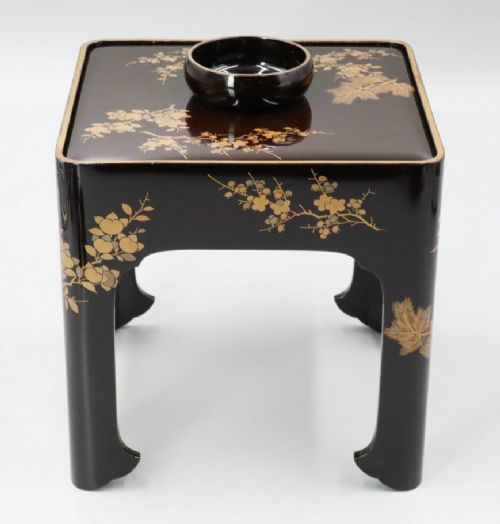
Buyers encountering this search phrase often meet items bearing distinct stylistic influences, particularly the Aesthetic Movement and Japanese Meiji period. Forms such as corner cabinets, vitrines, and pedestal stands demonstrate how dark timber finishes paired with gold leaf were utilised to command attention in a room.
The objects span multiple centuries, uniting Georgian Regency cabinets with Edwardian lacquer and Victorian display boxes. Despite their varied functions - from holding sake cups to framing cartes de visite - they share the fundamental purpose of presentation through contrasting dark and luminous tones.
What varies in quality
The refinement of the surface preparation and gilding separates standard production from finer work. Superior examples exhibit crisp detail in the parcel-gilt highlights and a deep, even lustre to the ebonised wood or lacquer.
Proportion and structural integrity define the higher tiers of these pieces. Well-executed joinery ensures that tall forms like etageres, torcheres, and cabinets on stands remain stable while supporting displayed objects.
Even miniature cartes de visite found their own dedicated gilt display boxes by 1880.
The Black Gilt Display Stand Glossary
- Ebonised
- Timber treated with stain, dye, or paint to simulate the appearance of dense, dark ebony wood. This finish was widely favoured during the Victorian era for furniture in the Aesthetic style.
- Parcel-Gilt
- A decorating technique where only specific portions or raised details of an object are gilded with gold leaf. It creates a striking contrast against a painted or ebonised background.
- Étagère
- A piece of furniture consisting of a set of open shelves for displaying small ornaments. These tiered stands became popular in the nineteenth century for showcasing collections.
- Torcherere
- A tall, slender stand originally designed to support a torch or candle, later adapted to hold figures, vases, or lamps. Regency examples often incorporate Chinoiserie lacquer decoration.
- Vitrine
- A glass-fronted cabinet or display case designed for showing fragile or precious items while protecting them from dust.
Black Gilt Display Stand: Frequently Asked Questions
What fits on a black gilt display stand?
These stands accommodate a wide variety of decorative objects, from porcelain figures and small bronzes to framed photographs and ceramic vessels. The choice depends entirely on the specific form of the stand, whether it is an open etagere or an enclosed vitrine.
Larger items like torcheres and pedestals suit sculptural pieces, while smaller display boxes and cabinets hold delicate collectibles. The dark ebonised and gilded backdrop ensures that colourful or reflective objects stand out clearly.
How do I care for ebonised wood?
Ebonised surfaces require gentle cleaning with a soft, dry cloth to remove dust without scratching the dark finish. Avoid using harsh chemical sprays or abrasive polishes that can dull the lustre over time.
Keeping the stand away from direct sunlight and excessive moisture helps preserve both the dark wood treatment and the delicate gold leaf highlights. Periodic gentle waxing, where appropriate for the specific finish, maintains the sheen.
Where should I place a display stand?
Placing these pieces in areas with balanced ambient light allows the parcel-gilt details to catch the eye without exposing the materials to damaging direct sunlight. Corner cabinets and torcheres work well in neglected architectural spaces to add height and visual interest.
Floor-standing easels and etageres function effectively as focal points against neutral walls, ensuring the dark ebonised frames provide maximum contrast. Stable flooring is essential for taller pedestals and cabinets to prevent tipping.
How do I identify Victorian ebonised furniture?
Victorian ebonised pieces typically feature dense hardwood finishes paired with gold leaf highlights, often reflecting the tastes of the Aesthetic Movement or Japanese export styles. Construction details and hardware consistent with nineteenth-century manufacturing help confirm the period.
Stylistic motifs such as incised gilt lines, bamboo turnings, and Chinoiserie decoration frequently appear on pieces from this era. Comparing the joinery and materials against documented examples provides further clarity on age.