



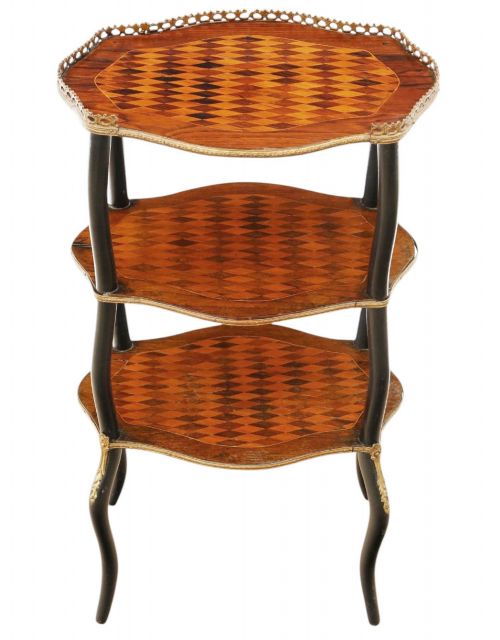
French Display Shelves
French display shelves bring architectural elegance and practical storage together, offering open or glazed surfaces designed to showcase cherished objects.
French Display Shelves
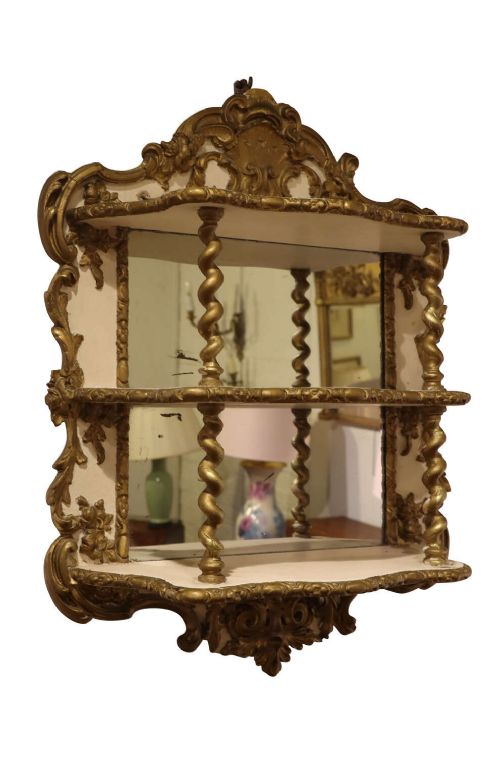
When you search for french display shelves, you encounter a diverse array of forms including open bookcases, wall shelves, etageres, and bakers racks spanning the nineteenth and early twentieth centuries. These pieces originate from distinct design traditions such as Rococo Revival, Empire, and French Provincial, serving both utility and display in domestic interiors.
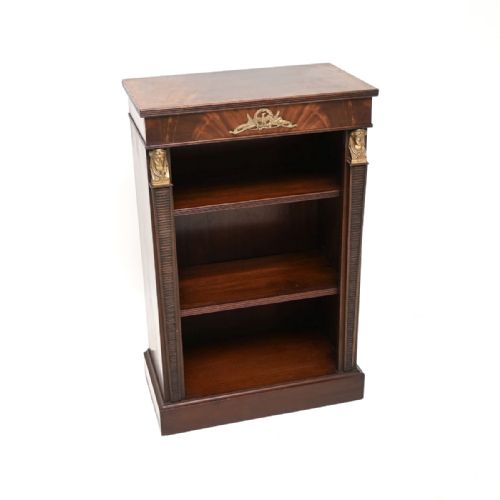
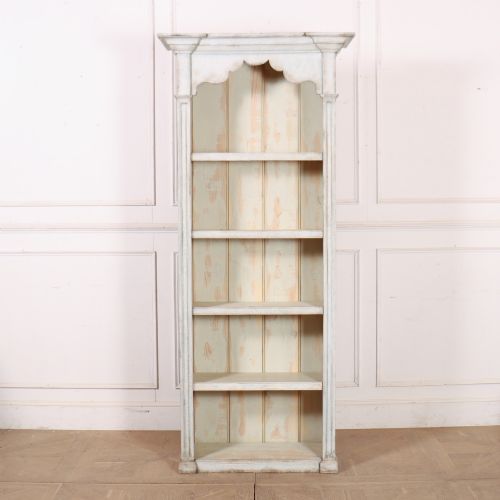
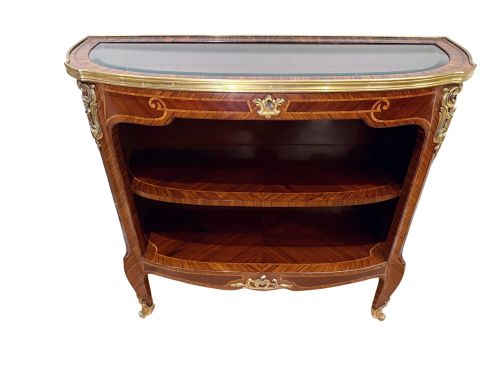
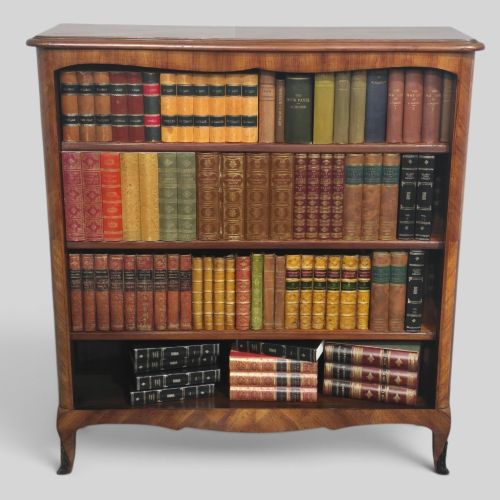
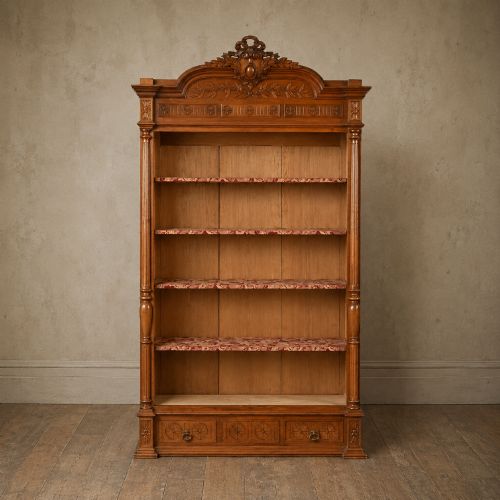
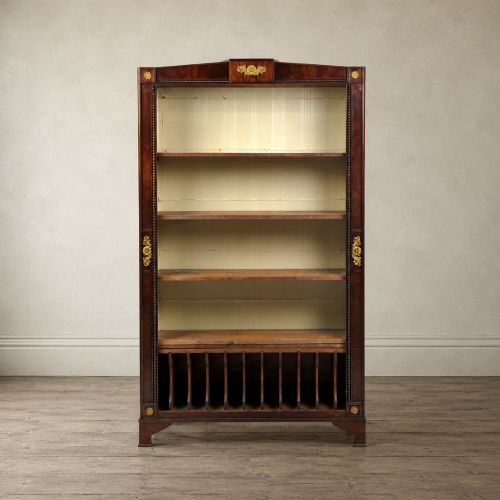
The version you are most likely to meet on this page is a walnut or mahogany etagere or open bookcase featuring tiered shelving, sometimes accented with glass or mirrors. Such pieces combine slender uprights with horizontal planes intended to elevate porcelain, books, and decorative objects.
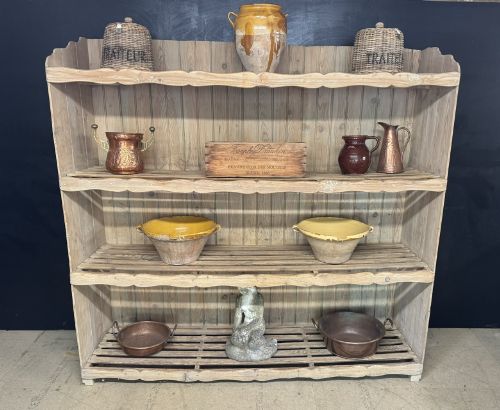
Makers and workshops across France produced these freestanding and wall-mounted units in varied proportions, ranging from tall library bookcases to compact tabletop etageres and baker racks in wrought iron. The selection reflects both formal Parisian cabinet-making and regional provincial craftsmanship.
Materials and construction methods
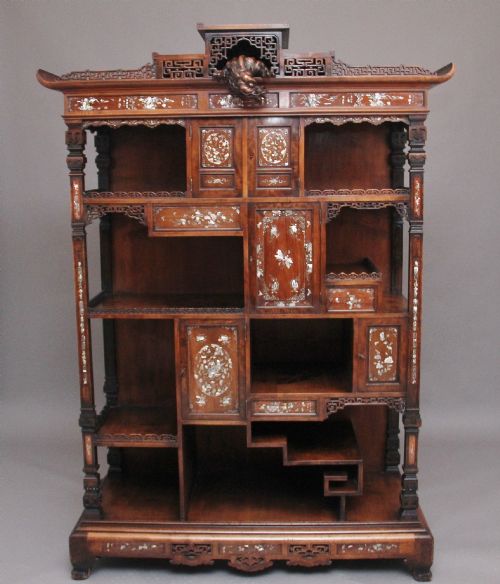
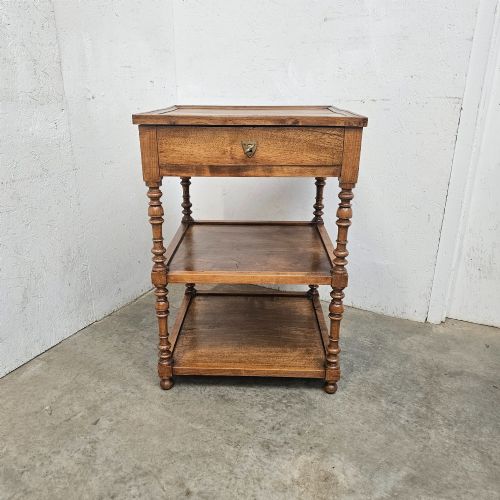
Cabinet-makers utilised dense hardwoods like walnut, mahogany, and rosewood, often applying intricate parquetry, inlay, or painted finishes to the primary surfaces. Structural elements frequently incorporated turned legs, carved giltwood, and solid oak carcases.
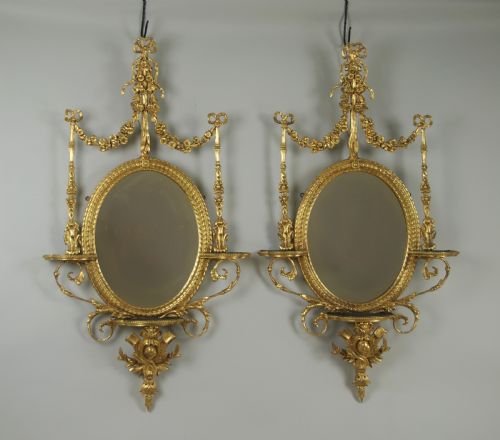
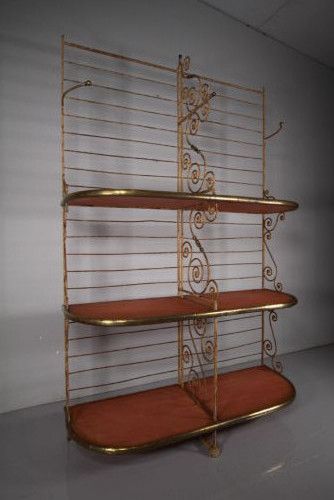
Metal mounts in cast brass and ormolu provided structural reinforcement and decorative flourish, while wrought iron defined heavier utilitarian baker racks. Glass panels and bevel-cut mirrors integrated into doors and backboards added luminosity to enclosed vitrines and display brackets.
Baker racks once cooled fresh pastries in Parisian patisseries before entering the home as plant stands and wine storage.
Evaluating craftsmanship and execution
The division between ordinary and exceptional pieces rests upon the crispness of hand-carved ornamentation and the precision of inlaid parquetry. Superior examples display seamless joint work, well-matched wood grains, and securely fitted ormolu mounts rather than cast metal shortcuts.
Proportion and material selection dictate the overall refinement, where finely turned gallery spindles and substantial timber thickness elevate a piece beyond standard production. Original finishes and authentic patination retain the integrity valued by discerning collectors.
Gabriel Viardot·Dubois of Lyon·Maison Giroux
The French Display Shelves Glossary
- Etagere
- A piece of furniture consisting of a number of open shelves for displaying small articles. These tier-based units appear frequently in walnut, mahogany, and rosewood.
- Ormolu
- Gilded bronze or brass applied as decorative mounts on furniture. It adds metallic contrast to wood surfaces in Empire and Rococo Revival pieces.
- Whatnot
- A multi-shelved cabinet or stand used for storing and exhibiting curiosities. Nineteenth-century examples often feature serpentine shelves and inlaid decoration.
- Parquetry
- Geometric mosaic woodwork used for decorative surface patterns. Skilled cabinet-makers employed this technique on tabletops and cabinet doors.
- Vitrine
- A glass-fronted cabinet designed for displaying fine objects or specimens. These structures protect delicate items while offering all-round visibility.
French Display Shelves: Frequently Asked Questions
How do I style wall shelves?
French wall shelves suit living rooms, studies, and hallways where floor space is limited.
Use them to hold books, ceramics, or trailing plants, ensuring the weight matches the strength of the wall fixings.
How do I date a bookcase?
Dating relies on timber choice, construction techniques, and stylistic markers such as Empire or Rococo Revival motifs.
Nineteenth-century examples often feature hand-cut dovetails, solid wood carcases, and traditional patination absent in later reproductions.
What is a baker rack?
A baker rack is a sturdy metal or iron shelving unit originally used for cooling baked goods.
Period French examples now function as striking kitchen or dining room storage for cookware and tableware.