
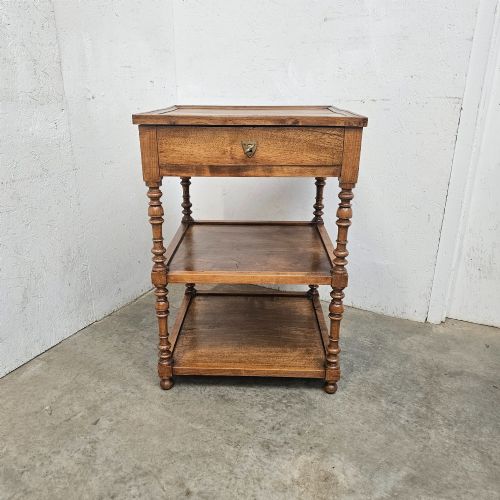
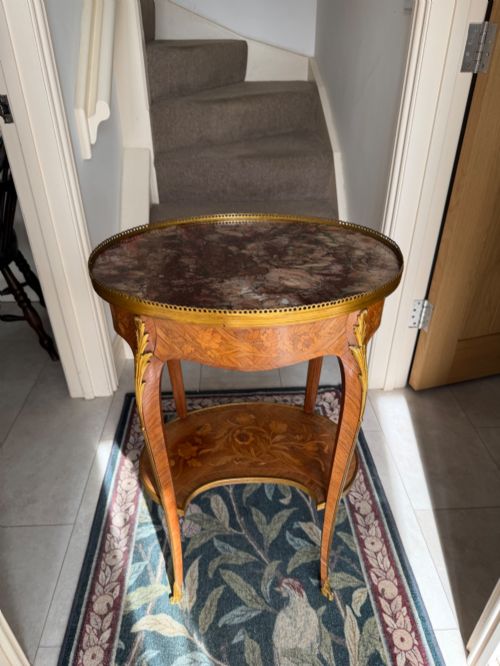
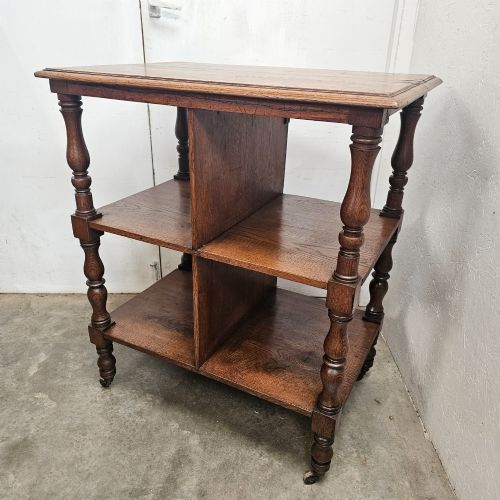
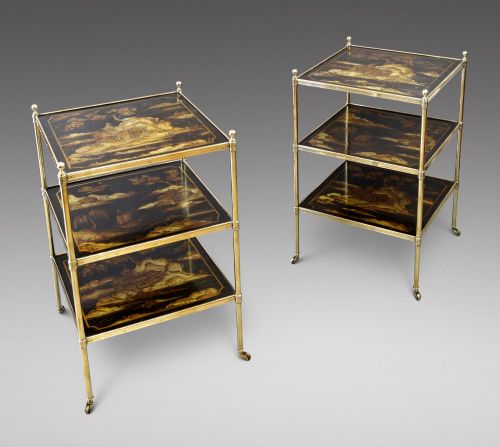
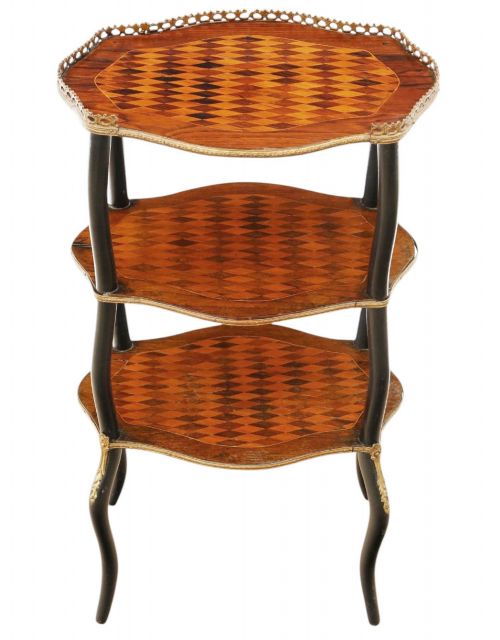
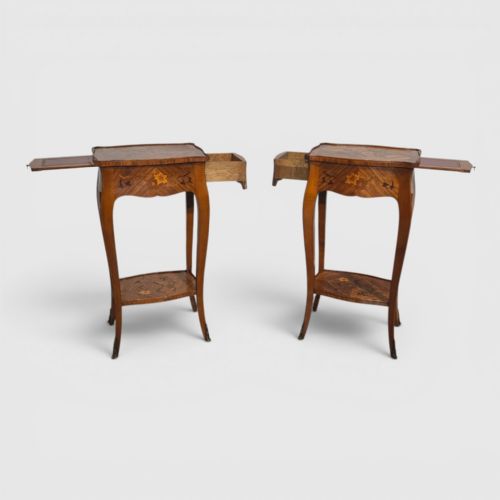

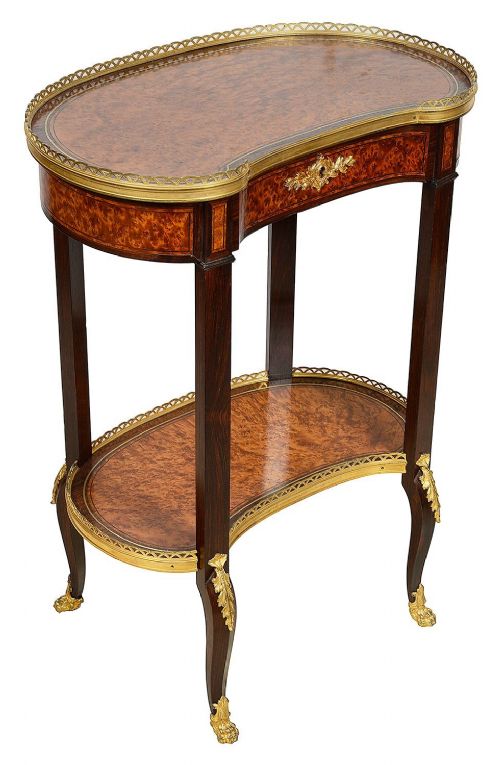
French Tiered Side Table
A french tiered side table brings layered surfaces and classical continental proportion into a room, offering practical display space without crowding the floor.
French Tiered Side Table
A french tiered side table functions as an occasional piece, lamp stand, or étagère, designed with multiple levels for display and daily use.
The selections here span the nineteenth century into the 1930s, encompassing Edwardian and Victorian interpretations alongside revivalist movements.
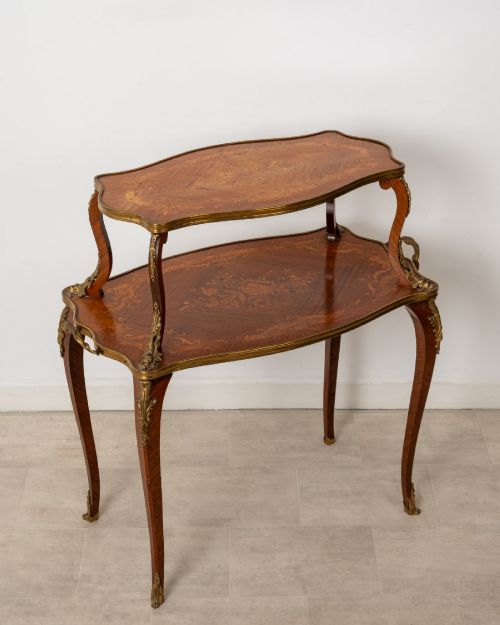
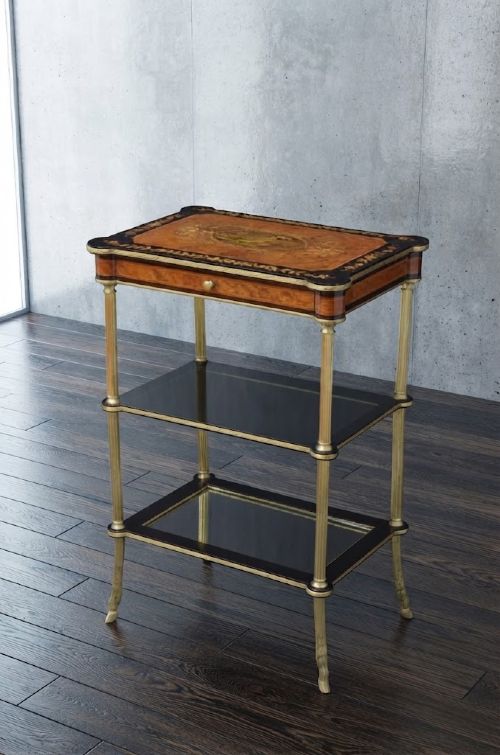
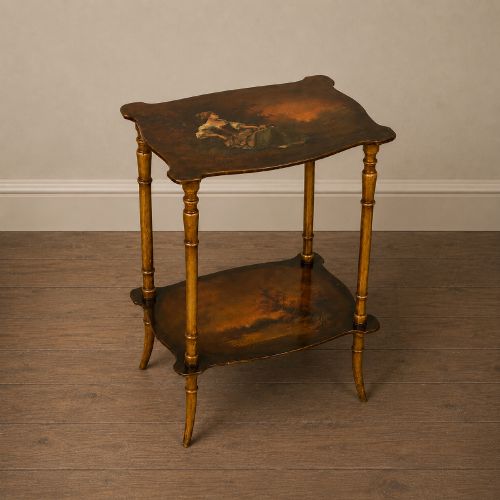
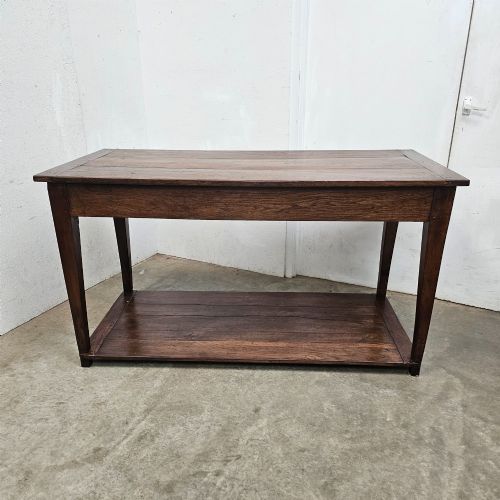
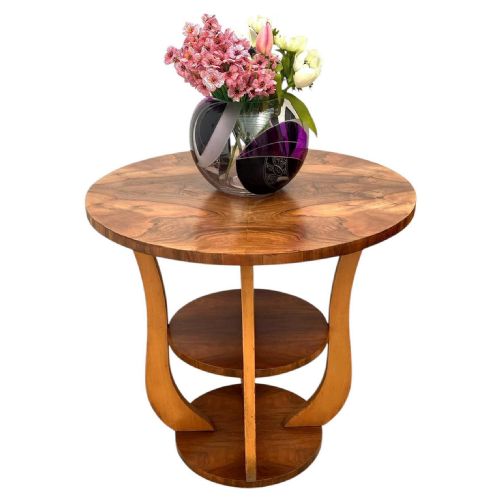
Most examples present two or three tiers in forms such as occasional tables, centre tables, and bedside units, often reflecting Louis XV and Louis XVI aesthetics.
How They Were Made
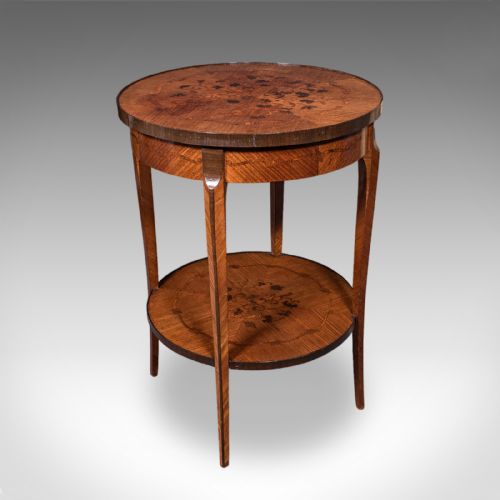
Timbers such as kingwood, walnut, mahogany, and ebonised wood provide the primary structure, frequently enriched with marquetry and parquetry inlays.
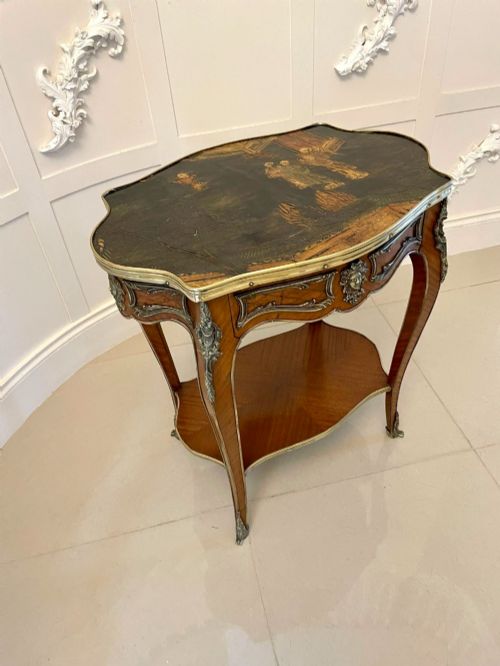
Ormolu mounts, brass galleries, and cast bronze details accent the frames, alongside mirrored panels and inset marble tops.
Joinery traditions of the period unite sturdy carcases with turned legs or slender supports to carry the weight of upper tiers.
French Tiered Side Table Retail Price Guide 2026
Typical asking prices for french tiered side table among the pieces listed under this phrase on Sellingantiques today, from the lower quarter to the upper quarter. They describe what is for sale here now, not the wider market.
Listings feature periods from the nineteenth century through the 1930s, incorporating brass, marble, and kingwood.
What Varies in Quality
The refinement of the ormolu mounts and the precision of the marquetry inlay distinguish standard production from exceptional examples.
Choice of timber grain and the complexity of multi-tiered structures, particularly those incorporating glass or mirrored surfaces, indicate the maker's hand.
Tehan·Maison Giroux·François Linke·Edwards & Roberts·Gabriel Viardot
The French Tiered Side Table Glossary
- Étagère
- A piece of furniture consisting of a set of open shelves for displaying small objects. These tiered stand designs appear frequently in nineteenth-century French workshops.
- Ormolu
- Gilded bronze mountings applied to furniture decoration. This technique adds metallic contrast to wood carcases.
- Marquetry
- Decorative veneer applied to wood in geometrical patterns or pictorial designs. It requires high precision in cutting contrasting timbers.
- Parquetry
- Mosaic woodwork forming geometric patterns such as squares or lozenges. This technique adorns tabletops and shelves.
- Gueridon
- A small round table supported by one or more columns or figures. These take brass and wood forms in continental interiors.
French Tiered Side Table: Frequently Asked Questions
What is a french tiered side table used for?
These pieces serve as display surfaces for lamps, books, and decorative objects in sitting rooms or bedrooms. Their multiple levels maximise surface area while maintaining a compact footprint.
They function equally well beside a sofa, in a hallway, or as a freestanding centre table depending on the form of the base.
How do I identify the period of a table?
Dating relies upon timber choice, decorative motifs, and construction methods. Nineteenth-century examples often display revival styles such as Louis XV or Napoleon III alongside rich marquetry.
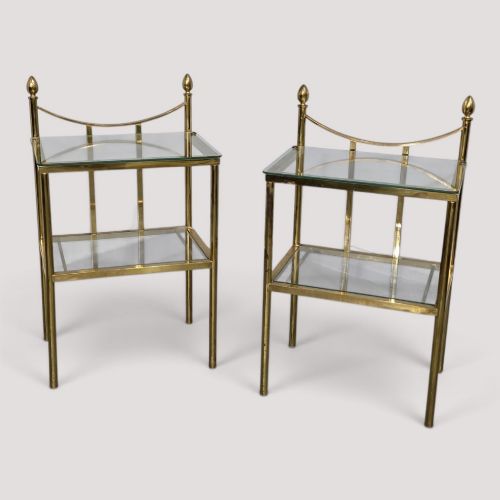
Later pieces from the Edwardian era or the 1930s lean towards simpler walnut structures or brass and glass combinations.
Where should I place an etagere?
An etagere suits corners, wall spaces, or alongside seating where open shelves allow light to pass through. Mirrored tiers help brighten darker corners of a room.
Freestanding centre versions work well away from walls where all sides of the marquetry and ormolu mounts remain visible.
What woods were used in these tables?
Cabinetmakers utilised exotic and domestic hardwoods including kingwood, walnut, mahogany, and oak. Ebonised finishes and satinwood veneers also appear across the nineteenth century.
Selected examples incorporate contrasting inlay woods to form intricate floral or geometric patterns across the tiers.