


Black Framed Glass Portrait
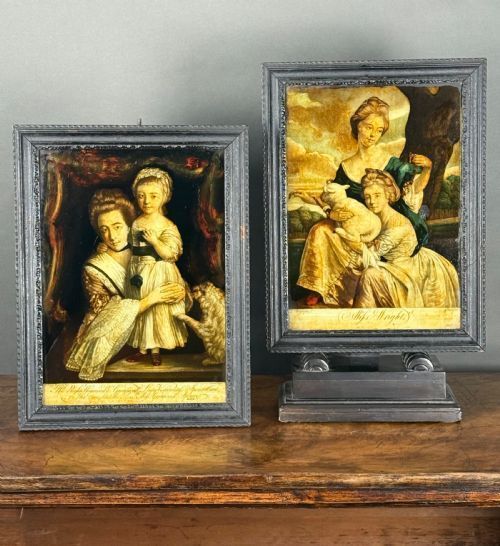
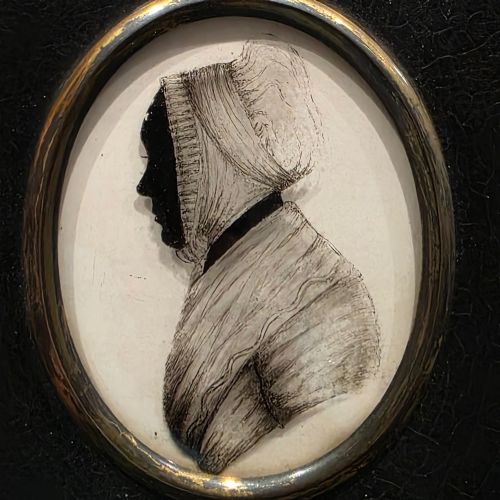
These black framed glass portrait pieces are reverse glass prints, silhouettes, and miniatures set within dark timber surrounds, offering intimate glimpses into historical faces.
Black Framed Glass Portrait
When you search for a black framed glass portrait, you encounter an array of historical likenesses executed through specialised techniques like reverse glass painting and mezzotint printing. The selection on this page leans heavily toward Georgian and Regency examples, alongside 17th-century depictions and later Chinese export pieces.
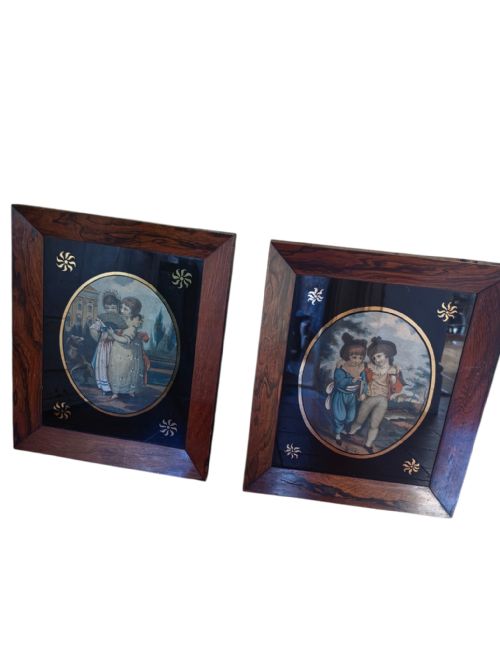
Most items take the form of wall art or framed miniature portraits, capturing subjects ranging from aristocratic ladies to sporting gentlemen. The enclosing frames typically consist of ebonised wood or rosewood, providing a sharp contrast to the delicate imagery preserved beneath the glass.
Collectors searching for this phrase often find pairings such as seasonal allegories or family members, presenting unified decorative schemes from past centuries. The underlying medium frequently involves paper, paint, or gold leaf applied directly to the rear of the glass panel.
How they were made
Makers produced reverse glass prints by applying oil paint, ink, or mezzotint layers onto the back of a glass sheet, viewing the finished image from the unpainted front. This delicate technique required artists to paint fine details and inscriptions in reverse before sealing the panel.
Frames utilise ebonised wood, rosewood, and brass components to house and protect the fragile glass plates. Paper and gold leaf frequently support the painted or printed compositions within these dark surrounds.
Listings span from the 17th century through the Georgian and Regency eras up to the 1920s.
What varies in quality
The integrity of the original ebonised wood or rosewood frame contributes significantly to the overall desirability of the piece. Preservation of the fragile glass surface without modern restoration defines the better examples.
Robert Sayer·Abraham Cooper·Richard Phillips·John Miers
The Black Framed Glass Portrait Glossary
- Reverse glass print
- An image applied directly to the rear of a glass panel so that it appears correctly oriented when viewed from the front. This method protects the pigment from dust and atmospheric wear.
- Mezzotint
- A printmaking process of the intaglio family where tones are developed by roughing the copper plate with a rocker. It allows for subtle gradations of light and shade ideal for portraiture.
- Ebonised wood
- Timber treated with a dark stain or finish to imitate the dense, deep black appearance of genuine ebony. It serves as a popular framing material for Georgian and Regency silhouettes.
- Silhouette
- A portrait represented as a solid shape of a single colour, usually black, showing the profile of a subject. These were cut from paper or painted onto glass or card.
- Eglomise
- A technique involving the application of cold painting and gold leaf to the rear of glass panels. It produces a reflective, mirror-like border around historical portraits.
Black Framed Glass Portrait: Frequently Asked Questions
What is a reverse glass portrait?
A reverse glass portrait is an image painted or printed onto the back of a glass sheet, viewed from the front to create a glossy finish.
This method protects the delicate pigments from direct environmental damage over the centuries.
How do I hang these frames?
These pieces use traditional wall art hanging methods suited to their sturdy wood frames.
Ensure the wall fixings match the weight of the timber and glass combination.
Are these frames original?
The frames generally consist of ebonised wood or rosewood contemporary to the portrait inside.
Dark timber surrounds enhance the visual contrast of the glass panels.
How do I date these portraits?
Dating relies on costume styles, framing materials, and specific print techniques recorded in the listing details.
Georgian and Regency examples show distinct dress fashions and silhouette conventions.