




Bisque Porcelain Figurine
These bisque porcelain figurine pieces offer unglazed matte surfaces and delicate modelling, and collectors buy them for their refined sculptural detail and historical charm.
What these bisque porcelain figurine pieces are
A bisque porcelain figurine represents unglazed ceramic sculpture, valued for its fine detail and soft matte texture. When you search for a bisque porcelain figurine, you are looking at moulded and hand-finished decorative figures spanning the Victorian era through the early twentieth century.
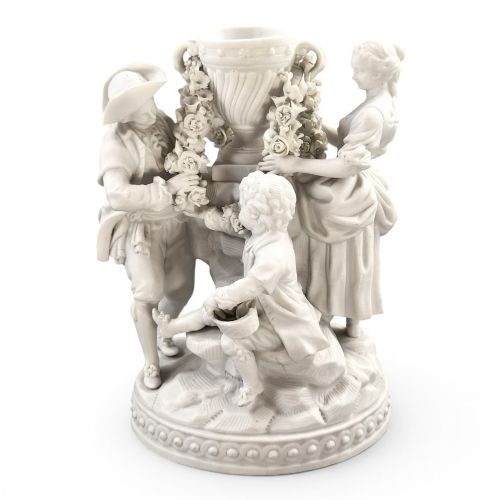
You are most likely to meet pieces originating from the nineteenth century, including Victorian examples and works from around nineteen hundred. These range from single figures of young boys and girls to large figure groups and elaborate centrepieces.
How they were made
Makers utilised porcelain and parian porcelain, alongside terracotta for certain structural elements. These materials were fired without a traditional glossy glaze to preserve the crisp detail of the modelling.
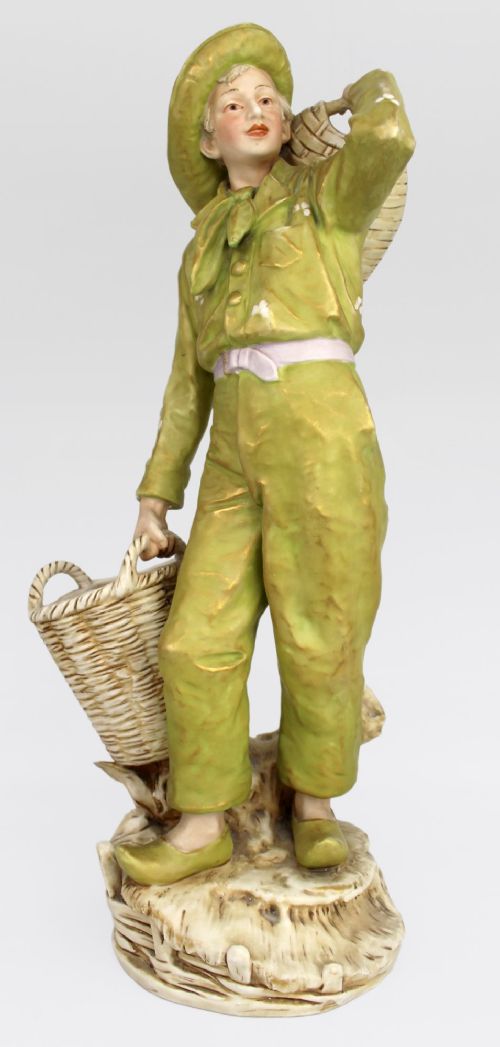
Many examples incorporate paint, enamel, and gilt highlights applied over or alongside the matte ceramic surface. Model forms were cast in moulds and painstakingly hand-finished by skilled artisans in European factories.
Retail Price Guide 2026
Typical UK retail prices for bisque porcelain figurine, calculated from the Sellingantiques database of over a million retail prices indexed since 2003. This retail price guide relies exclusively on Sellingantiques data; no external sources or auction records are used, so the figures do not describe the wider market.
Several figures found themselves permanently cast on fishing boats and holding baskets of grapes.
What varies in quality
The sophistication of the painting and gilding separates ordinary output from the finest workshop productions. Well-modelled figure groups and large centrepieces demonstrate a higher sculptural ambition than simple standalone figures.
Royal Dux Bohemia·Gebruder Heubach
The Bisque Porcelain Figurine Glossary
- Bisque porcelain
- Unglazed ceramic ware that has been fired once, producing a matte, porous surface resembling marble.
- Parian porcelain
- A fine-grained white porcelain developed to imitate marble, often utilised for nineteenth-century figures.
- Centrepiece
- A large decorative object designed for the middle of a dining table or sideboard, occasionally rendered in bisque porcelain.
- Victorian Neoclassical
- A nineteenth-century style drawing inspiration from classical Greek and Roman art, frequently seen in figure modelling.
Frequently Asked Questions
What is a bisque porcelain figurine?
A bisque porcelain figurine is an unglazed ceramic sculpture fired to a matte finish. This lack of glaze allows the intricate details of the moulding to remain sharp and clear.
These decorative objects became popular in homes during the Victorian period and into the early twentieth century. They typically depict human figures, children, or allegorical scenes for display on mantelpieces and tables.
How do I date a bisque figurine?
Dating relies on stylistic clues, factory marks, and the specific materials utilised in construction. Victorian pieces often display classical drapery or romanticized rustic themes.
Archive records and maker stamps help narrow down the period of creation. Nineteenth-century examples generally feature heavier potting and distinct hand-painted enamel touches compared to later works.
Were these figures painted?
Many bisque porcelain figurine examples feature painted details, enamel colours, and gilt highlights. While the body remains unglazed matte porcelain, artists often added subtle colour to faces, hair, and clothing.
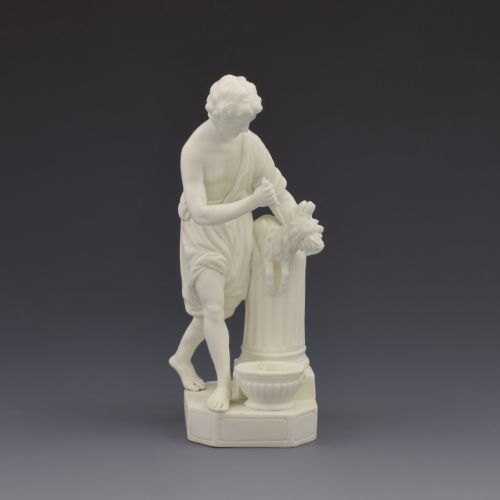
Some pieces were left entirely in plain white parian porcelain to mimic carved marble. Both painted and unpainted versions were popular decorative items in period interiors.
How do I clean bisque porcelain?
Cleaning requires dry methods because the unglazed surface is porous and absorbs moisture easily. A soft artist's brush removes dust from the fine crevices without damaging the matte ceramic.
Water and liquid cleaners should be avoided as they can stain the unglazed porcelain or damage delicate painted highlights. Gentle dusting preserves the original surface finish.