



Bird Motif Pottery
Bird motif pottery brings feathered life to ceramic forms, capturing winged subjects across diverse nineteenth and twentieth century traditions.
Bird Motif Pottery
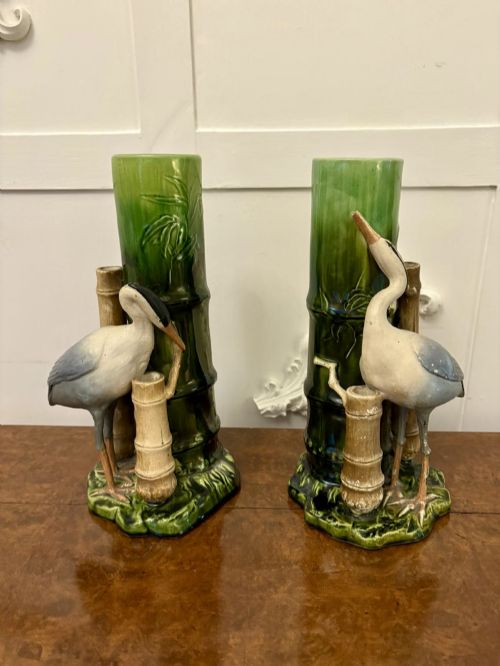
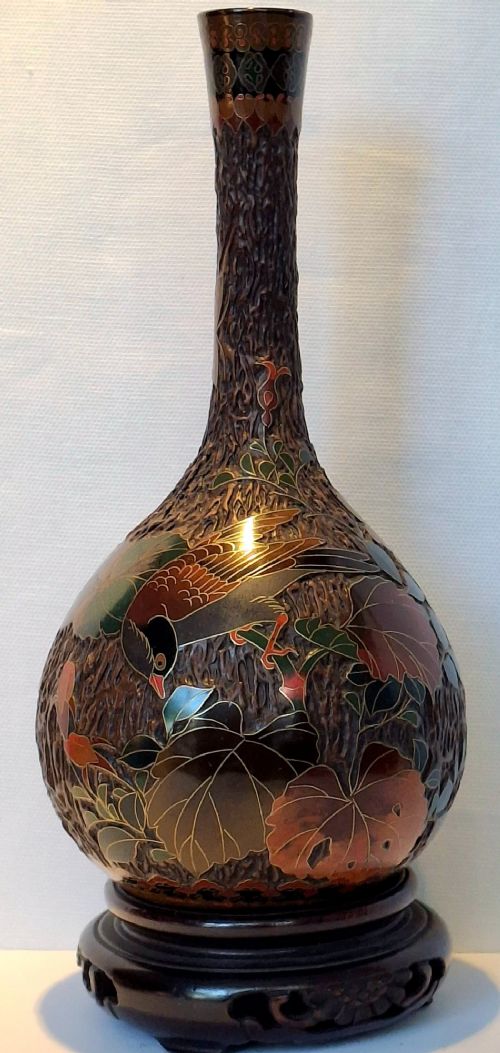
Bird motif pottery encompasses vases, plates, tiles, and large planters decorated with avian subjects across various international traditions. These pieces range from nineteenth-century British earthenwares and European majolica to Japanese studio ceramics and Dutch porcelain.
How bird motif pottery was made
Potters utilised earthenware, stoneware, and porcelain bodies, shaping them into vases, tiles, and chargers before applying surface decoration. Glazes, polychrome enamels, and occasionally gold leaf were employed to render plumage and surrounding flora with distinct textures.
Techniques varied from hand-painted overglaze designs and slip-decorated stoneware to moulded majolica with rich coloured glazes. Workshops in Britain, continental Europe, and Japan each developed specific firing and painting methods suited to their aesthetic goals.
Bird Motif Pottery Retail Price Guide 2026
Typical asking prices for bird motif pottery among the pieces listed under this phrase on Sellingantiques today, from the lower quarter to the upper quarter. They describe what is for sale here now, not the wider market.
Materials represented across the pottery selection include earthenware, porcelain, stoneware, majolica, and ironstone with enamel or gold leaf.
What varies in quality
Quality rests upon the execution of the painting and the definition of the ceramic form, whether hand-painted porcelain or moulded majolica. Pieces signed by recognised makers or originating from notable workshops demonstrate superior technical control in glaze firing and artistic composition.
The crispness of detail in relief work and the vibrancy of polychrome enamel or majolica glazes distinguish finer productions from standard commercial wares. Condition, preservation of hand-painted details, and structural integrity further separate examples across the range.
Makuzu Kozan II·Kinrin Workshop·Gerbing & Stephan·George Jones·Doulton Lambeth·Bretby·Rozenburg·Longwy·Falcon Ware·Mason's
The Bird Motif Pottery Glossary
- Majolica
- A type of earthenware decorated with opaque coloured lead glazes, popular during the Victorian era for decorative vessels and garden wares.
- Pearlware
- A refined form of earthenware developed in the eighteenth century, featuring a pale bluish-white glaze that provided a clean ground for painted decoration.
- Satsuma
- A type of Japanese earthenware characterised by a pale, ivory-coloured cracked glaze, typically decorated with polychrome enamels and gilt.
- Ironstone
- A durable type of heavy earthenware patented in the nineteenth century, often decorated with oriental-style patterns.
- Stoneware
- A robust ceramic fired at high temperatures until vitrified, impervious to liquid and frequently finished with salt or slip glazes.
Bird Motif Pottery: Frequently Asked Questions
How do I date antique bird pottery?
Dating relies on maker marks, ceramic bodies, and stylistic indicators such as Art Nouveau curves or Victorian majolica glazes. Examining the base often reveals impressed stamps or painted signatures tied to specific production years.
Comparing the manufacturing technique, whether pearlware or stoneware, narrows the period further alongside recorded motifs typical of nineteenth or early twentieth-century workshops.
Where were these ceramic pieces made?
Production spans several regions, including British potteries, continental European workshops in Austria and Holland, and Japanese kilns. Each region applied distinct regional styles and glaze formulations to their avian designs.
European makers often favoured moulded majolica and painted porcelain, whilst Japanese studios produced intricate earthenware and stoneware vessels with nature-inspired motifs.
How should I display heavy majolica planters?
Large jardinières and umbrella stands require stable placement on sturdy flooring or low surfaces capable of supporting substantial ceramic weight. Positioning them away from high-traffic household areas protects their glazed surfaces from accidental impact.
Keeping these vessels clear of direct, prolonged moisture prevents potential damage to historic earthenware bodies and coloured glazes over time.
What is the difference between earthenware and porcelain?
Earthenware is a porous, opaque ceramic fired at lower temperatures, commonly seen in majolica and pearlware pieces. Porcelain is a dense, vitrified ceramic fired at much higher temperatures, offering a more refined and resonant body.
Both materials served as canvases for bird decoration, though porcelain allowed for finer brushwork while earthenware lent itself to rich, pooled glazes.