
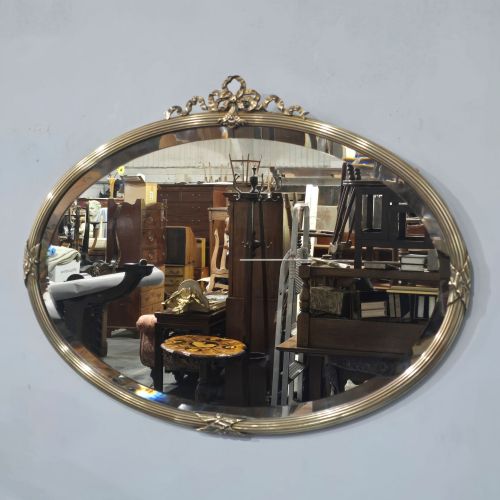


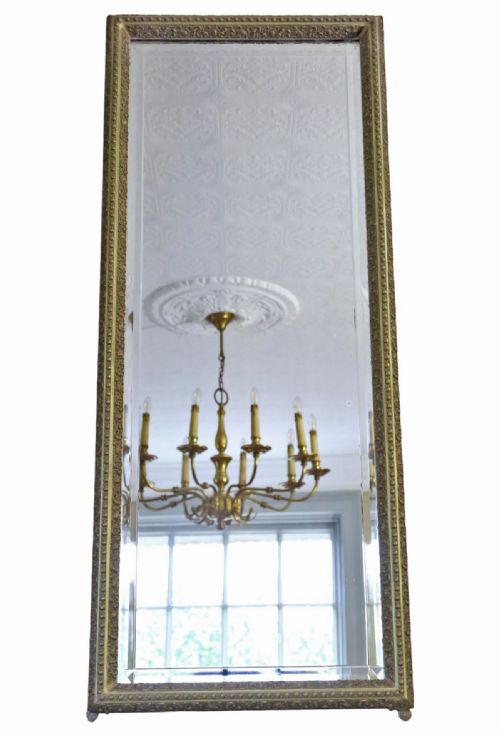


Bevelled French Wall Mirror
A bevelled french wall mirror brings depth and historic elegance to a room, reflecting light through shaped glass set in ornate carved frames.
Bevelled French Wall Mirror
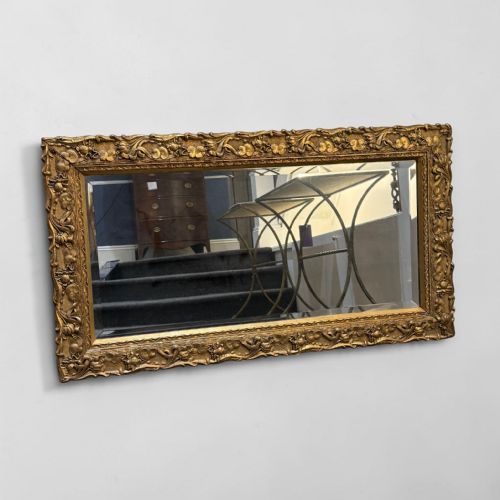
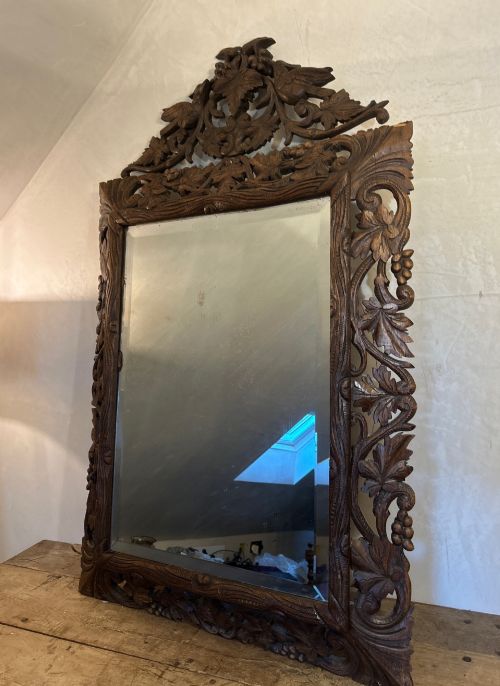
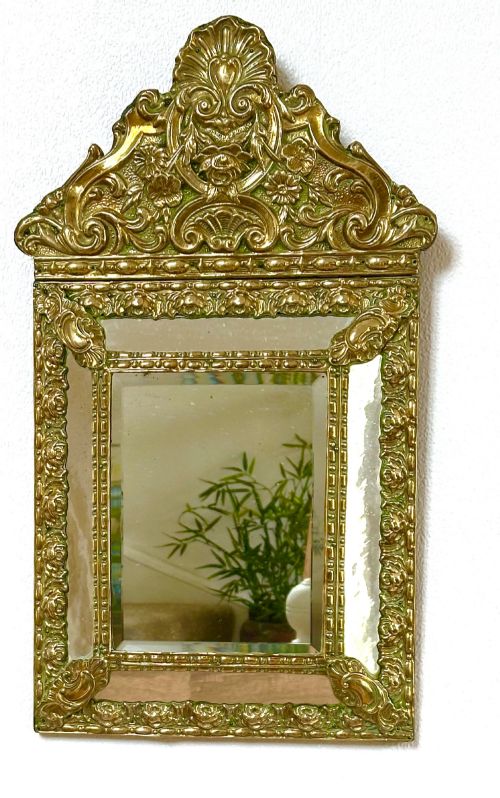
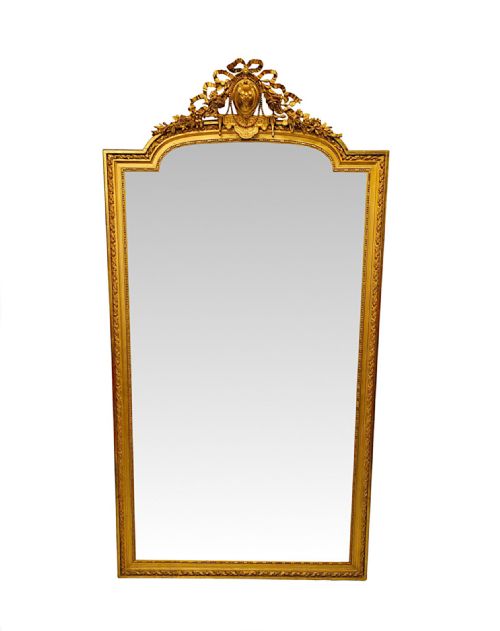
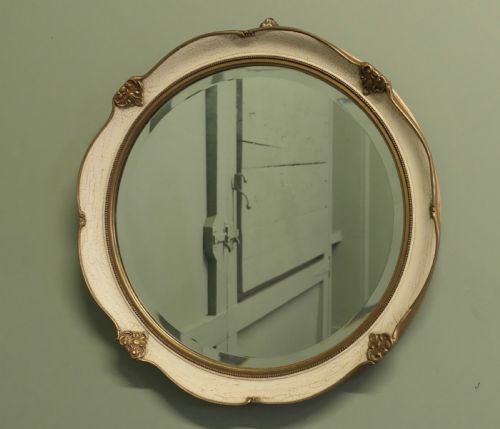
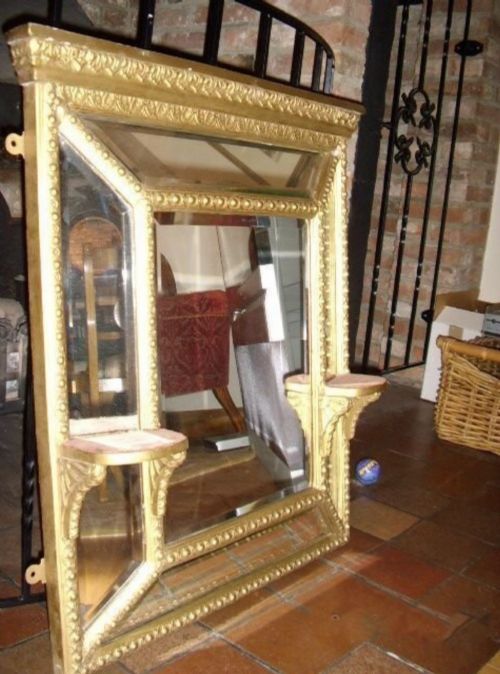
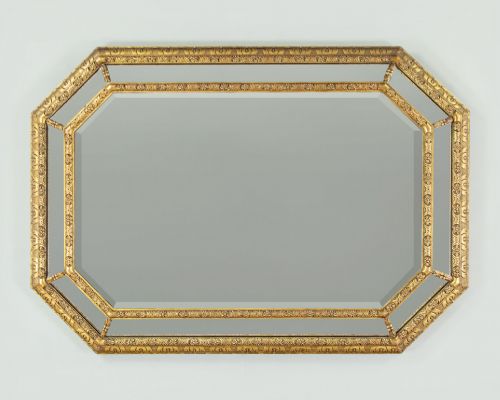
When you search for a bevelled french wall mirror, you encounter decorative looking glasses produced across the nineteenth and early twentieth centuries. These pieces encompass large overmantels, tall dressing glasses, and smaller wall-mounted items designed for salons and hallways.
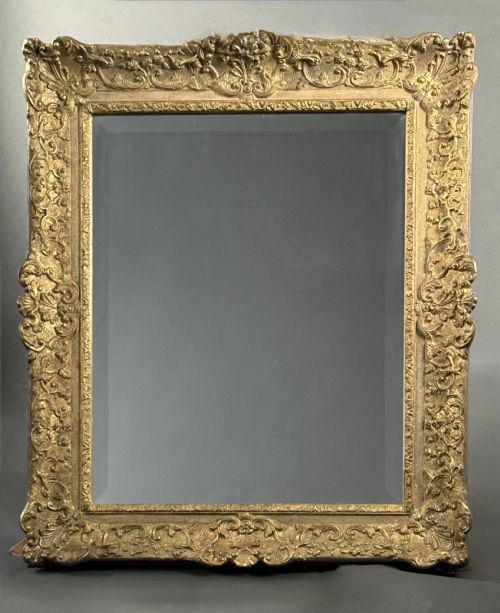
The selection ranges from elaborate rococo revival giltwood creations to clean-lined art deco frames in oak, walnut, and leather. Many examples show direct influence from French chateau aesthetics, featuring shaped plates and heavy ornamentation.
Originating predominantly from French and Victorian British workshops, these mirrors combine functional glass with sculptural frames. They serve as focal points in period interiors and contemporary spaces alike.
How they were made
Makers constructed the structural frames from solid timbers such as oak, walnut, and mahogany, often applying gesso to build up intricate surface decoration. This plaster-like mixture allowed artisans to carve deep scrolls, foliage, and architectural motifs before applying gold leaf or paint.
The reflective surfaces consist of heavy glass plates with hand-bevelled edges, a technique that creates an angled border catching the light differently than flat glass. Some early examples utilise mercury glass, visible through characteristic ageing and dark speckling behind the plate.
What varies in quality
The standard of a frame depends on the depth and crispness of the carving, where hand-tooled gesso work and deep relief show superior craftsmanship compared to mass-produced composition ornament. Original gilding applied over bole reveals a warmer, richer tone than later metallic paint or cheap gold leaf.
The integrity of the mirror plate itself dictates value, with original bevelled glass holding more character than modern replacements. Frames retaining their original backboards, structural pins, and unbroken gilt finish represent the highest grade of survival.
The Bevelled French Wall Mirror Glossary
- Bevelled glass
- Glass with an edge ground and polished to an angle thinner than the rest of the plate. This creates a framed effect within the glass itself and refracts light.
- Gesso
- A plaster mixture applied to wood frames as a base for gilding or painting. It is thick enough to be modelled and carved into elaborate relief patterns.
- Giltwood
- Timber, usually soft or hardwood, that has been coated in gold leaf or gold paint. True antique pieces often use water gilding over a red clay base called bole.
- Rococo Revival
- A mid-nineteenth-century style imitating the ornate, asymmetrical curves and shell motifs of eighteenth-century French rococo design. It dominates much decorative mirror framing.
- Overmantel mirror
- A wide mirror specifically designed to hang on the wall directly above a fireplace mantelpiece. These pieces often feature landscape orientations to suit the chimney breast.
Bevelled French Wall Mirror: Frequently Asked Questions
How do I date a French wall mirror?
Dating relies on examining the frame style, construction methods, and the backboards. Earlier nineteenth-century pieces often display hand-carved gesso and mercury glass, while twentieth-century examples show art deco geometries or simpler oak framing.
Hardware such as old screws, fixings, and hand-cut wooden backing panels further help distinguish a genuine period piece from later reproductions.
What is mercury glass?
Mercury glass refers to older mirror plates backed with a silver and mercury amalgam before modern chemical silvering was invented. This creates a distinctive mottled appearance with dark spots and uneven reflection.
Finding original mercury glass adds authenticity and age to a piece, though the spotting is a natural result of chemical breakdown over time.
Where should I hang an overmantel mirror?
These mirrors are traditionally hung directly above a fireplace mantelpiece to bounce light around the room and fill the vertical wall space. Their wide proportions make them ideal anchors for high ceilings and large reception rooms.
Ensure the wall fixings are rated for significant weight, as heavy giltwood and thick glass plates require secure mounting into solid masonry or studs.
How do I clean an antique gilt frame?
Antique gilt frames require gentle maintenance using a soft, dry artist's brush to remove dust from deep carvings. Moisture and modern chemical cleaners can strip water gilding and ruin fragile gesso.
Avoid rubbing the gold leaf surface, and protect the glass using a cloth sprayed lightly with window cleaner rather than applying liquid directly near the old frame.