




Bell Bowl Glass
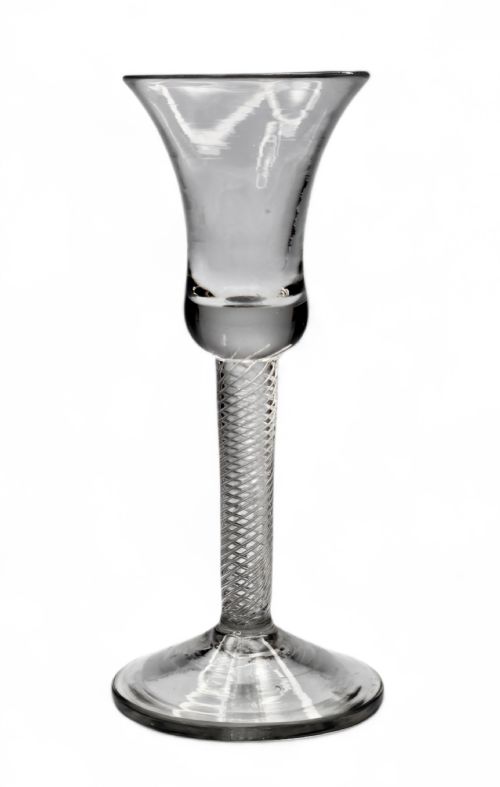
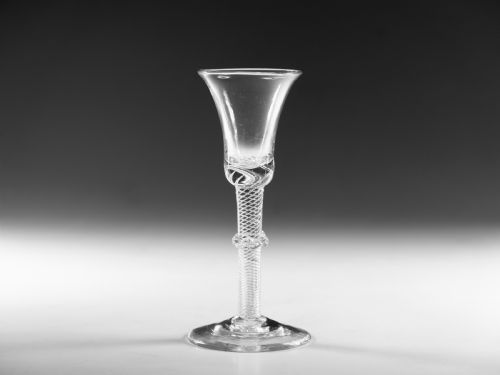
These bell bowl glass pieces are tactile English drinking vessels from the eighteenth century, prized for their resonant bell-shaped profiles and crisp optical clarity.
Bell Bowl Glass
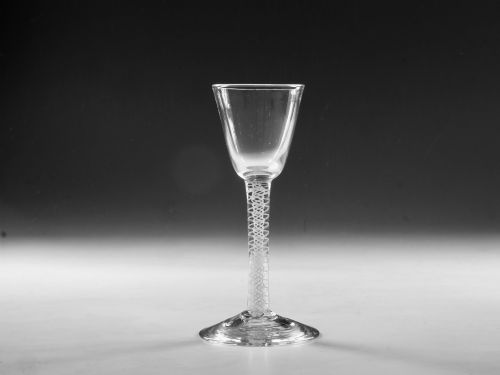
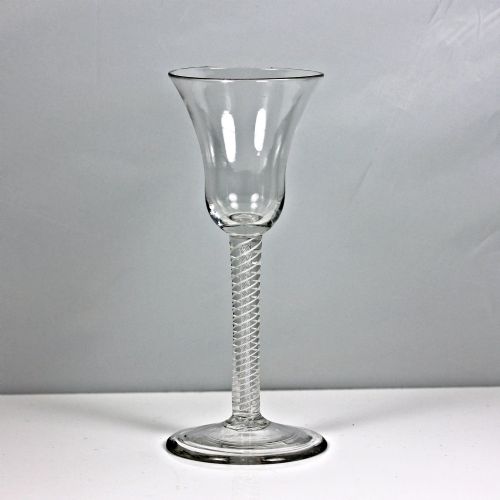
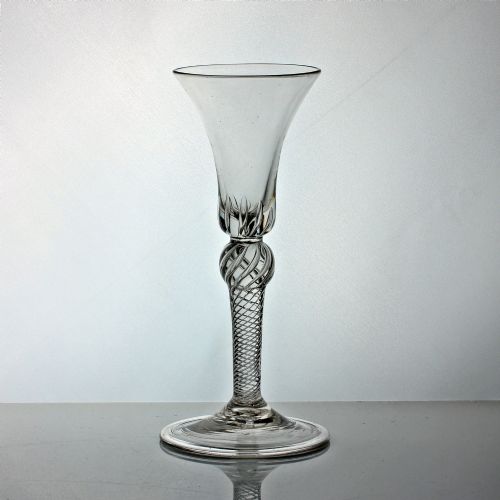
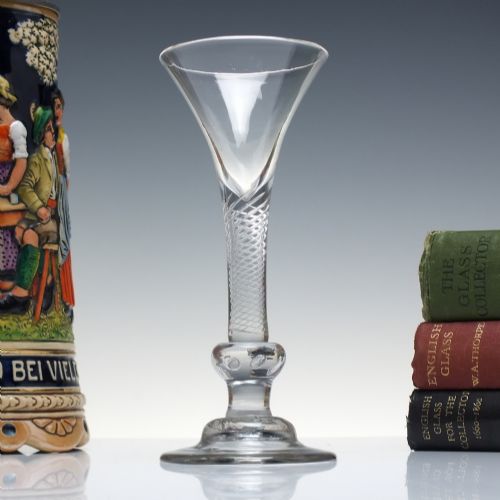
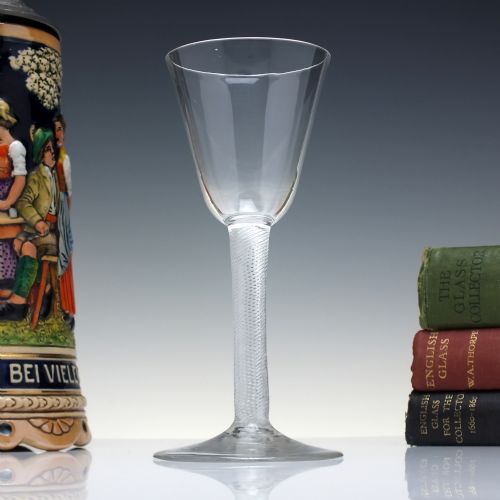
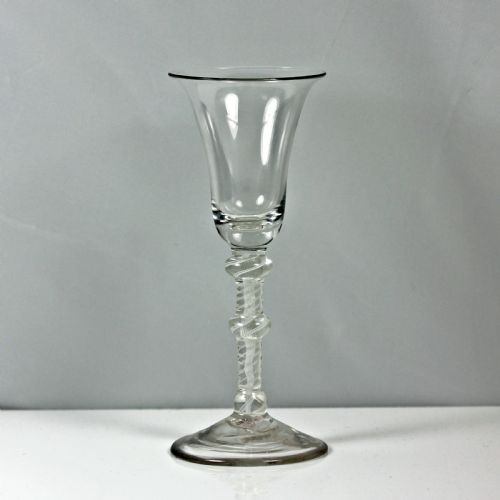
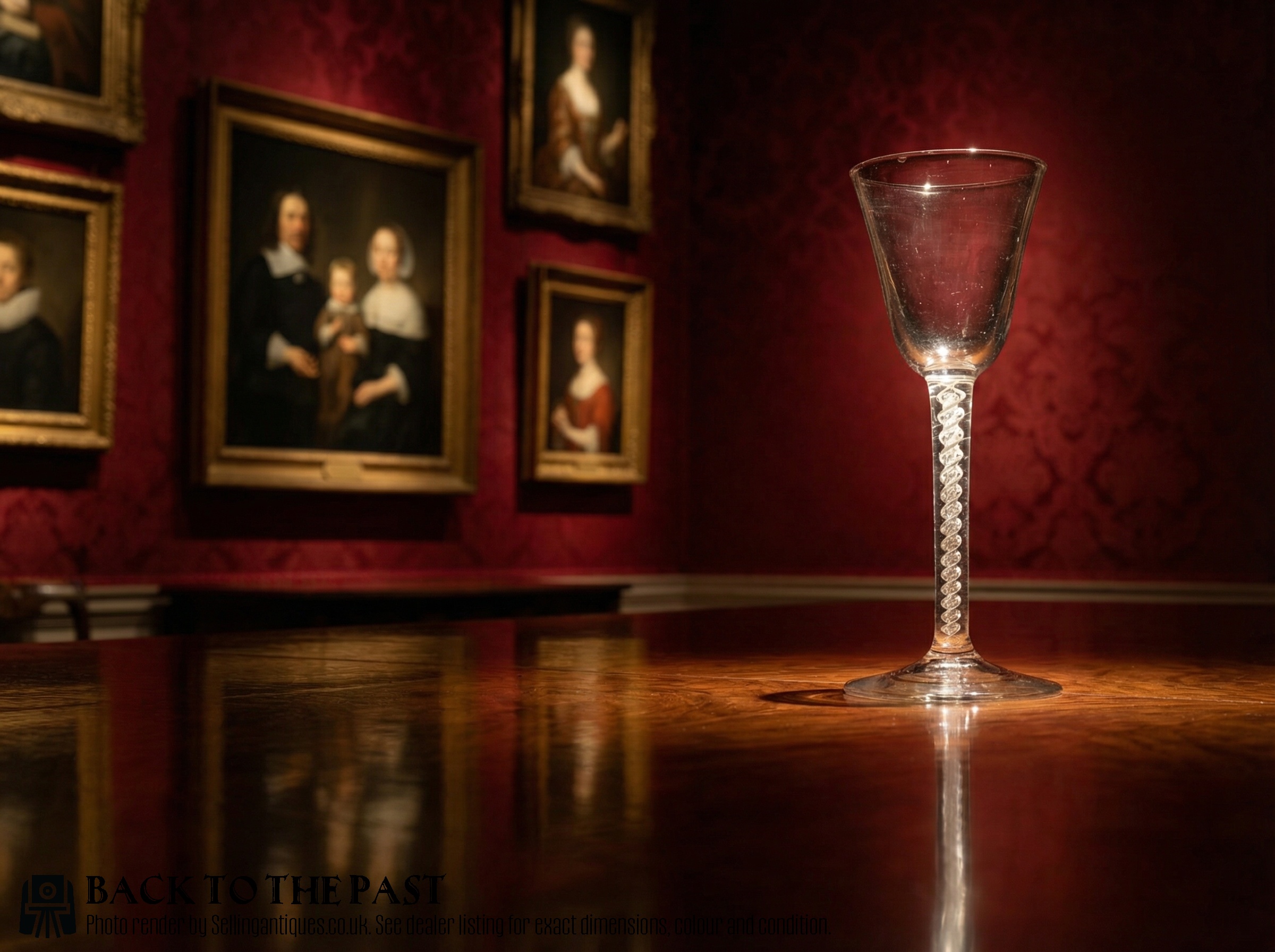
When you search for bell bowl glass, you encounter drinking vessels defined by an inverted, flared bowl shape that tapers outward toward the rim. The majority originate from the eighteenth century and the Georgian period, often configured as wine glasses with stems containing air twists or opaque twists.
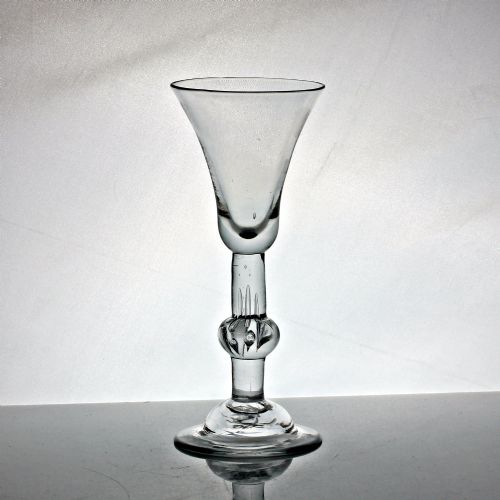
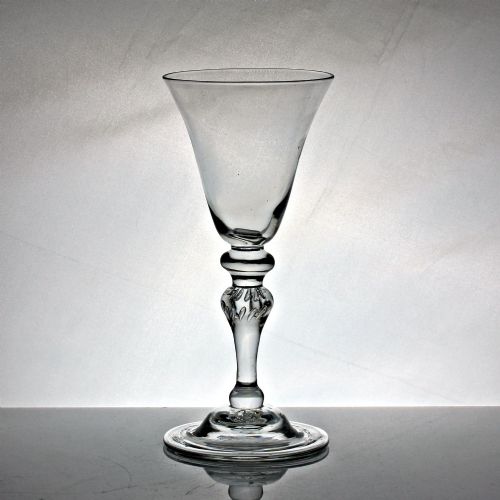
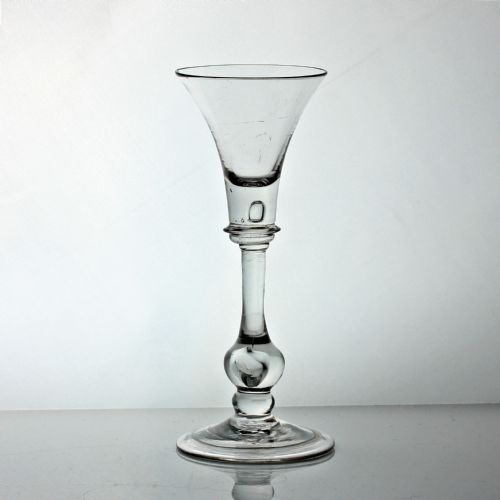
You will also find forms associated with ale glasses, firing glasses, and cordial glasses sharing this characteristic bowl profile. The evidence shows pieces spanning plain stems, balustroid supports, and complex composite stems mounted on domed or folded feet.
Most examples hail from English workshops, though continental pieces also appear in archive records. The unifying element across these listings remains the distinctive bell bowl form paired with lead glass or clear glass materials.
Materials and construction
These vessels are fashioned from lead glass, flint glass, and lead crystal, which provide the high refractive index necessary for clarity and weight. Makers utilised traditional hand-blown glass techniques to shape the metal before drawing stems and applying separate feet.
Stems incorporate intricate internal structures such as air twists, multi-spiral air twists, and white enamel opaque twists formed by trapping air or enamel threads within the molten metal. Some examples include applied details like shoulders, double knops, and triple knops along the stem.
Engraving occasionally decorates the bell bowl surface, whilst folded feet and domed bases provide structural stability at the base of the piece.
Several eighteenth-century glasses feature tiny trapped air tears hidden inside otherwise plain stems like microscopic ghosts.
Assessing quality in the range
Quality rests upon the symmetry and proportion of the bell bowl relative to the stem and foot. A well-balanced piece exhibits harmonious weight distribution and a clear, resonant ring when tapped.
The fineness and regularity of internal twist threads separate standard examples from superior specimens. In air twists and opaque twists, uniformity of the spiralling pattern demonstrates high technical skill from the glasshouse worker.
Clarity of the metal itself marks the upper tier of the range, free from excessive seed bubbles or cloudiness. Preservation of the original folded foot or domed foot further distinguishes better-surviving examples.
The Bell Bowl Glass Glossary
- Bell bowl
- A drinking vessel bowl shaped like an inverted church bell, curving gently inward toward the lip. This profile directs aromatics toward the nose.
- Air twist
- A stem decoration formed by drawing elongated air bubbles through the molten glass into a spiral thread. It creates a shimmering optical effect inside the stem.
- Opaque twist
- A stem formation utilising white enamel glass threads twisted within clear flint glass. Double series and triple series variants combine multiple twist configurations.
- Folded foot
- A glass foot where the rim is folded underneath itself to create a thicker, rounded edge for added durability. This technique is common in eighteenth-century pieces.
- Balustroid
- A stem style intermediate between a heavy baluster and a plain stem, featuring swelling knops and ornamental profiles. It recalls seventeenth-century architectural forms.
Bell Bowl Glass: Frequently Asked Questions
What is a bell bowl glass?
A bell bowl glass is a drinking vessel featuring a deep, flared bowl that resembles an inverted bell. These pieces were primarily used for consuming wine, ale, and cordials during the Georgian era.
The shape allows liquids to aerate while providing a comfortable grip beneath the bowl or along the stem knops.
How do you date an eighteenth century wine glass?
Dating relies on examining the combination of bowl shape, stem construction, and foot formation. Eighteenth-century pieces often display hand-blown characteristics, pontil marks on the base, and specific twist styles in the stem.
Changes in glass chemistry, from early baluster forms to later opaque twists, help establish a chronological window for each item.
What is the difference between air twist and opaque twist?
An air twist contains tiny elongated bubbles drawn into spiral threads within the clear glass stem. An opaque twist uses solid white enamel glass rods melted into the clear stem structure.
Both techniques were developed in eighteenth-century English glasshouses to catch the light during dining.
How should I care for antique glass?
Antique glass requires gentle handling and should be washed by hand in lukewarm water using mild detergent. Avoid sudden temperature changes to prevent thermal shock.
Store pieces securely on flat surfaces away from direct sunlight and vibrations.