

Beech Coat Stand
A beech coat stand offers a practical way to keep outerwear organised, combining steam-bent timber curves with durable everyday utility.
Beech Coat Stand
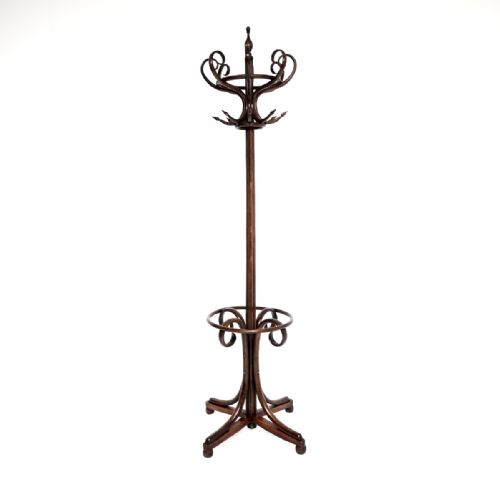
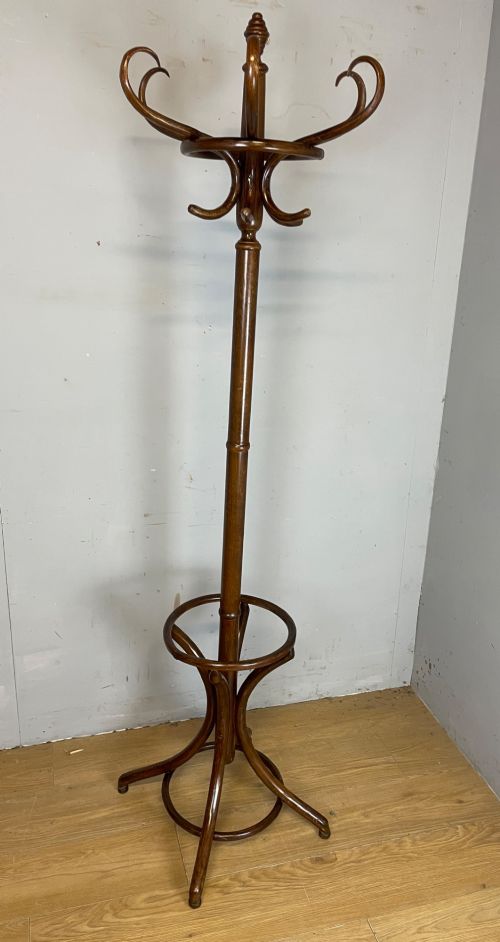
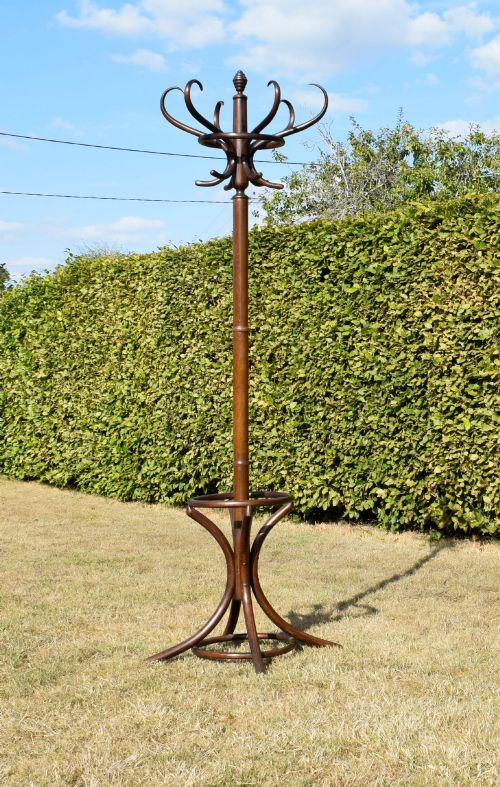
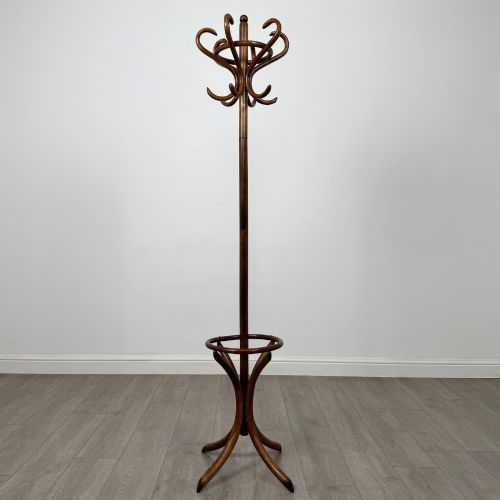
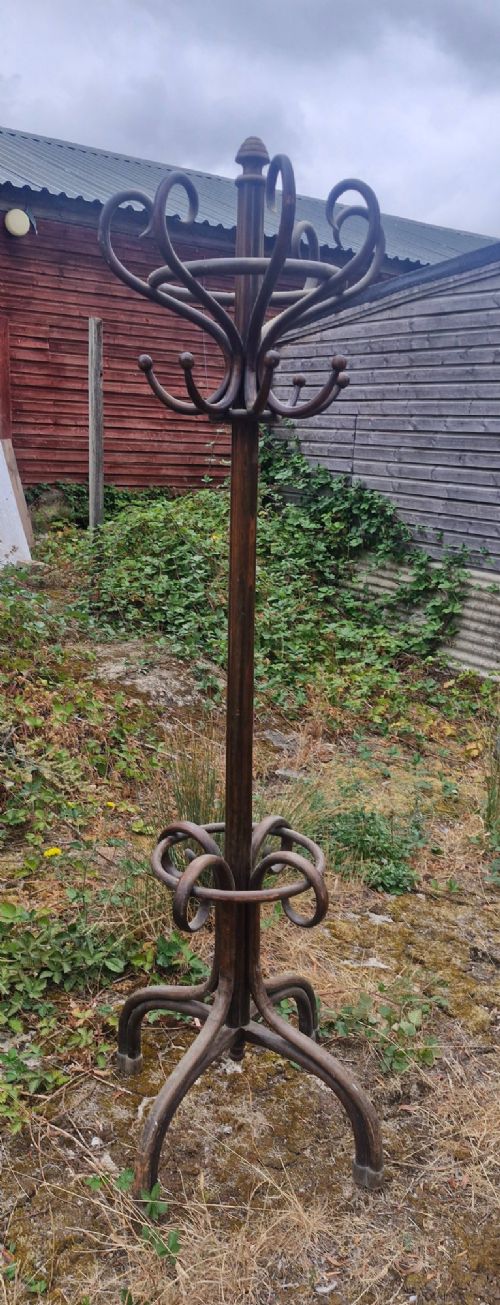
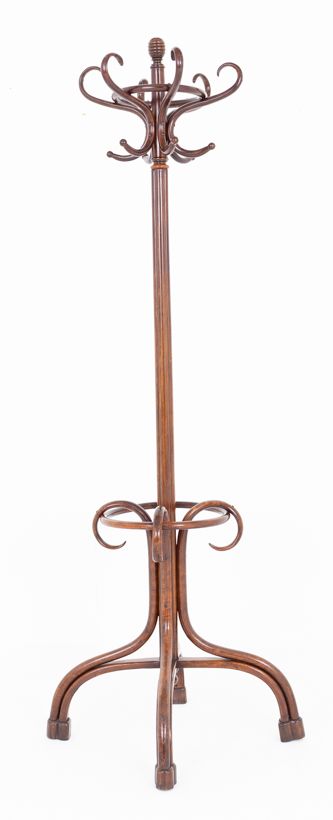
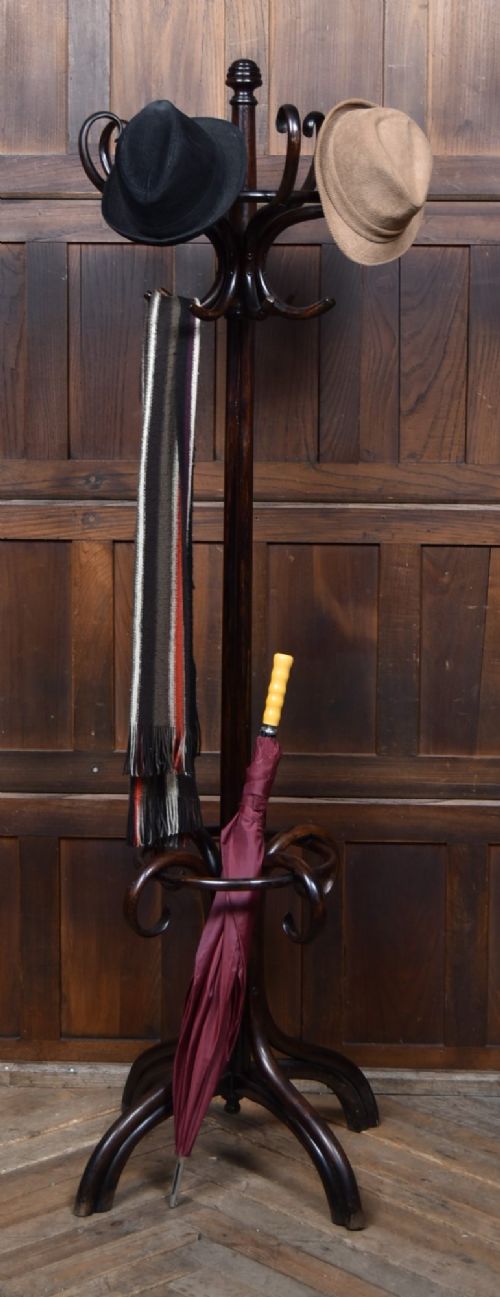
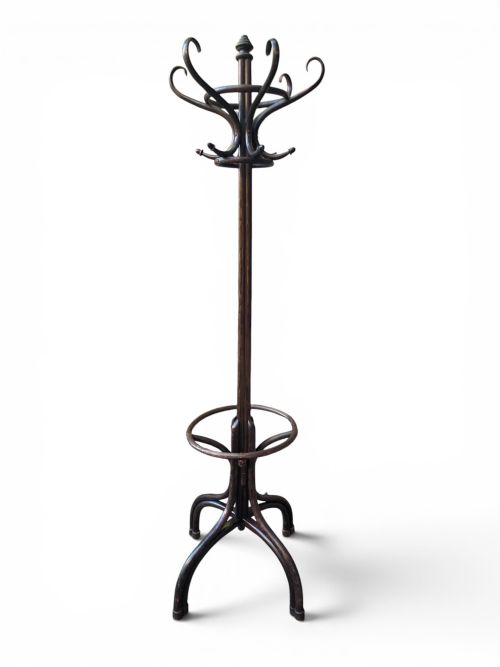
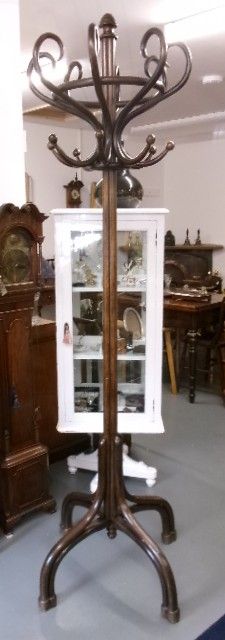
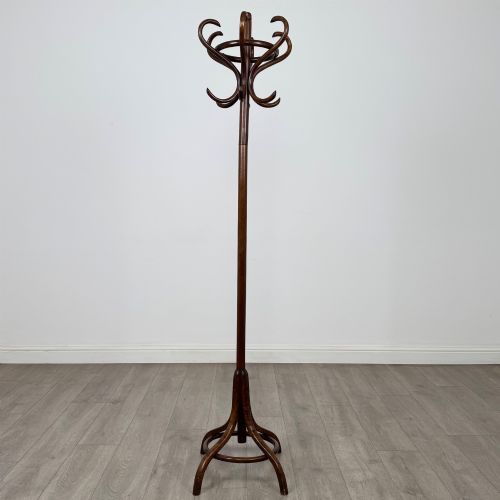
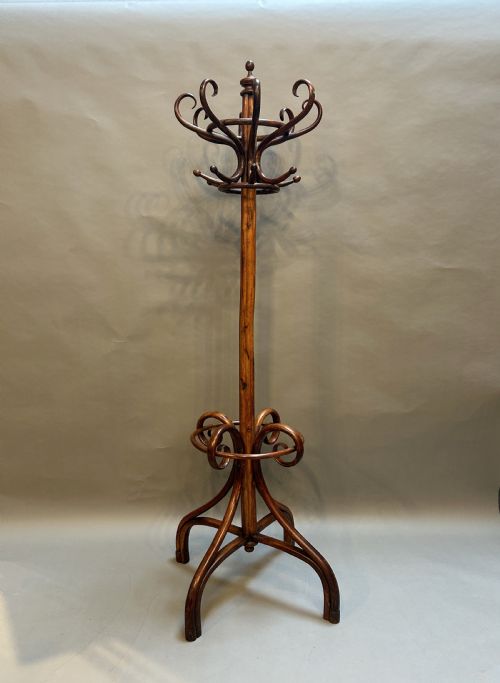
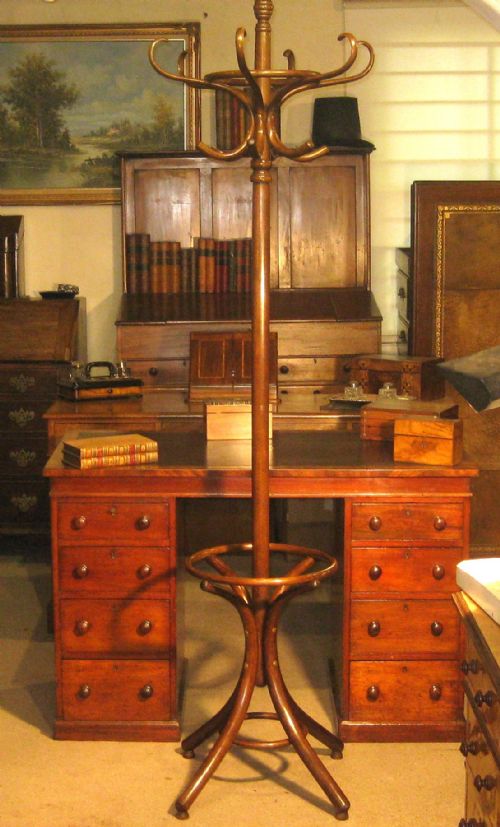
A beech coat stand primarily takes the form of a vertical hall tree designed for hats, coats, sticks and umbrellas. These pieces appear frequently from the Victorian and Edwardian eras through to the 1930s, often adopting styles associated with Thonet and Austrian manufacturing.
Most examples rely on steam-bending techniques to create curving wooden arms and loops. You will frequently find revolving top sections that allow easy access to garments in a busy hallway.
Materials and construction
Makers utilised solid beech and beechwood for its unique capacity to hold curves when subjected to steam. Once softened in steam boxes, the timber was bent into the characteristic loops and hooks seen on these stands.
Metal, chrome and glass details occasionally appear as supplementary fittings or hardware. Stained wood finishes are also common, giving the pale beech a deeper hue similar to mahogany or walnut.
The listings show periods ranging from the nineteenth century through the Edwardian era up to the nineteen-thirties, executed in beech, bentwood and chrome.
Judging the work
Quality rests upon the tautness and uniformity of the steam-bent timber curves rather than any surface decoration. Superior stands maintain their structural tension over the decades without the bent arms sagging under weight.
The complexity of the top tier distinguishes finer examples, particularly those incorporating revolving mechanisms or double top rings. Heavier gauge timber and integrated umbrella rings with original metal drip pans also mark out the better productions.
Thonet
The Beech Coat Stand Glossary
- Bentwood
- Wood shaped by applying steam to soften the grain before bending it into curves. This process defines the structural style of these stands.
- Hall tree
- A freestanding piece of furniture designed for entrance halls to hold coats, hats and walking sticks. Many examples combine hooks with umbrella rings.
- Thonet
- A manufacturing style originating from the pioneering techniques of Michael Thonet. It represents mass-produced steam-bent furniture of high durability.
- Revolving top
- A rotating upper tier on a coat stand. This feature allows users to access multiple garments without turning the entire heavy base.
- Valet stand
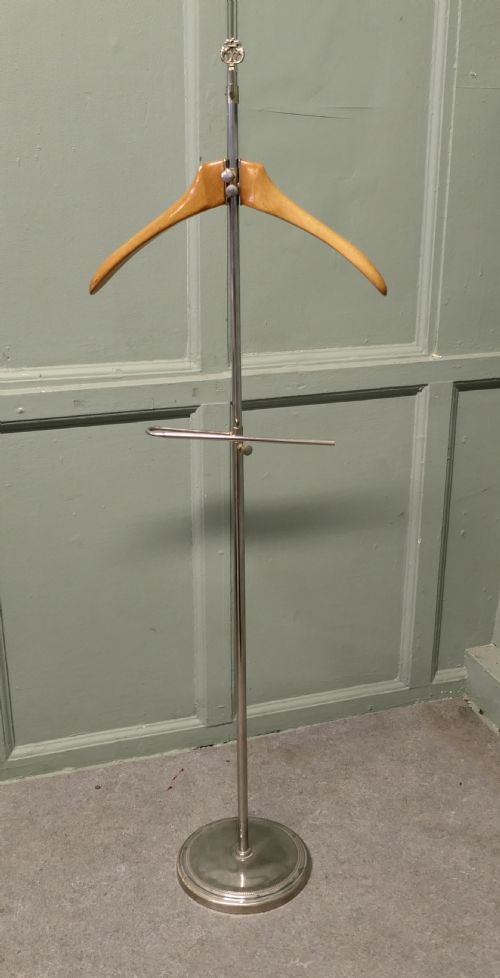
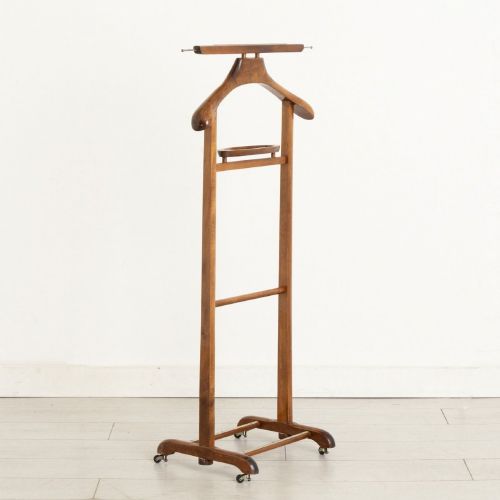
- A compact piece designed for hanging a single suit, jacket and trousers. These occasionally appear alongside traditional vertical coat stands.
Beech Coat Stand: Frequently Asked Questions
How do I date a bentwood coat stand?
Dating relies on matching the construction details and any surviving manufacturer labels to known production periods between the late nineteenth century and the interwar years.
Simpler forms and heavier timbers often point towards earlier Victorian or Edwardian origins, whilst lighter frames align with the nineteen-twenties and nineteen-thirties.
Are these stands strong enough for heavy winter coats?
Solid beech framing and steam-bent construction provide robust support for everyday garments, hats and walking sticks.
Distributing heavier items evenly across the upper hooks ensures the stand remains balanced and stable on the floor.
How should I maintain a wooden hall stand?
Regular dusting with a dry cloth keeps the surface clean, while occasional applications of appropriate furniture wax preserve the polished finish.
Keeping the stand away from direct heat sources prevents the beech timber and steam-bent joints from drying out over time.
What is the difference between a hall stand and a coat stand?
A coat stand generally refers to a vertical pole with upper hooks designed specifically for outerwear and hats.
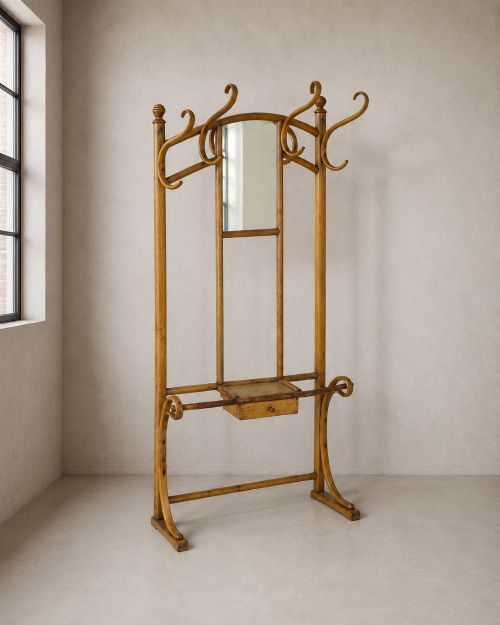
A hall stand often incorporates lower umbrella rings, drip pans and occasionally a small mirror or glove box into a wider freestanding frame.